What a Fixed Conveyor Bracket Does
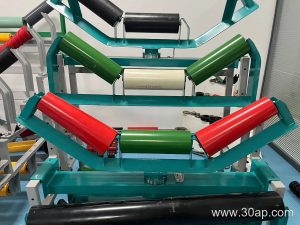
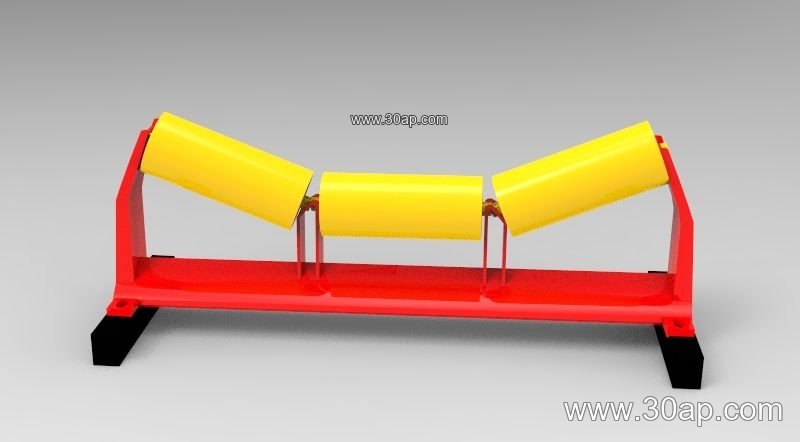
A fixed conveyor bracket is the stationary support that holds idler rollers at a set position under the conveyor belt. Unlike adjustable brackets, which let maintenance teams change the trough angle or roller position, a fixed bracket locks the roller frame to one geometry chosen at the design stage. In a quarry, a cement plant, or a power plant coal yard, this simple steel component keeps the belt line steady and the load centered.
The bracket is often called a fixed idler bracket or stationary roller frame. These are accurate equivalent names for the same product. It is not a drive pulley, tail pulley, or bend pulley, and it should never be confused with those components. The fixed conveyor bracket belongs to the idler support family, while pulleys handle power transmission and belt direction.
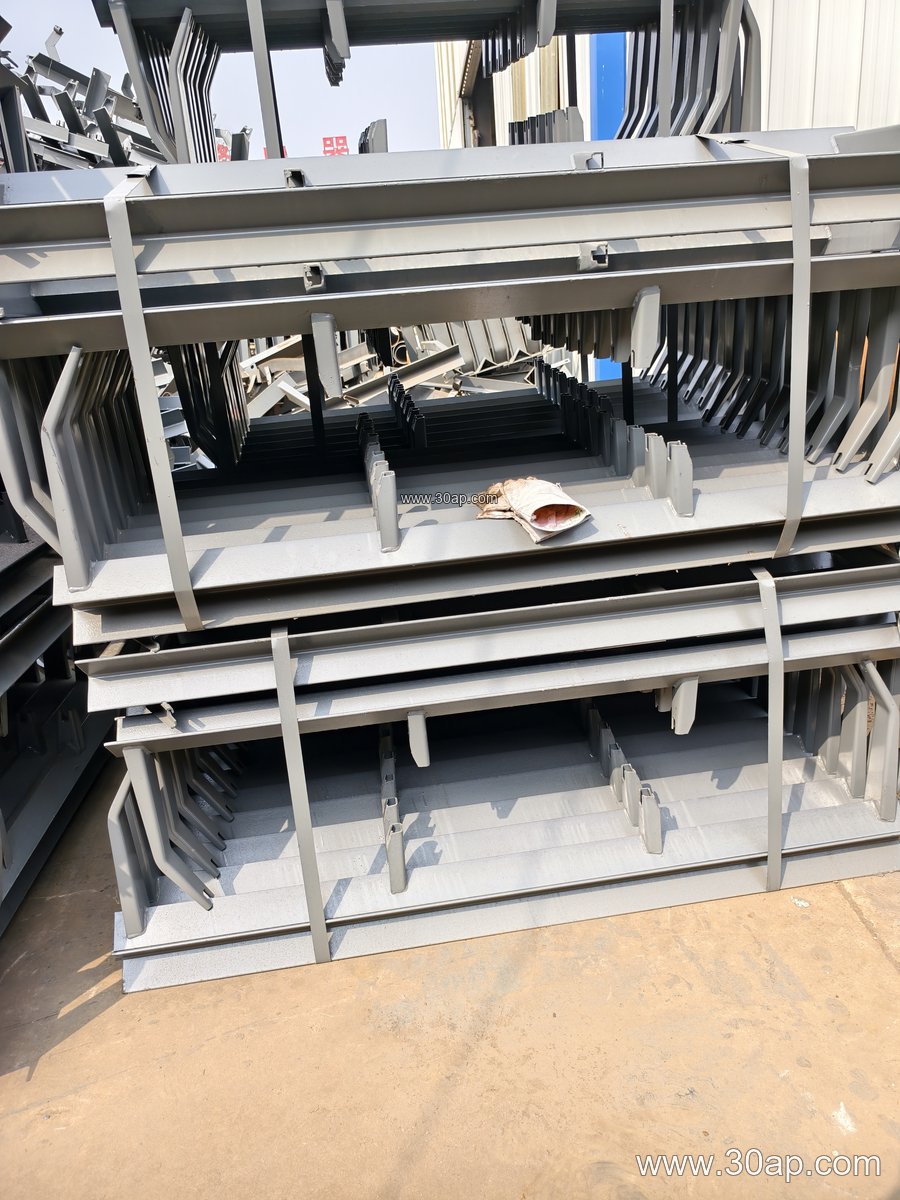
Construction and Materials
Most fixed brackets are fabricated from angle steel, channel steel, or folded steel plate. The frame is welded or bolted into a rigid shape, with mounting holes that match the idler roller shaft ends. Because installation hole spacing and crossbeam length depend on belt width and trough angle, these dimensions are determined by design rather than sold as one universal size.
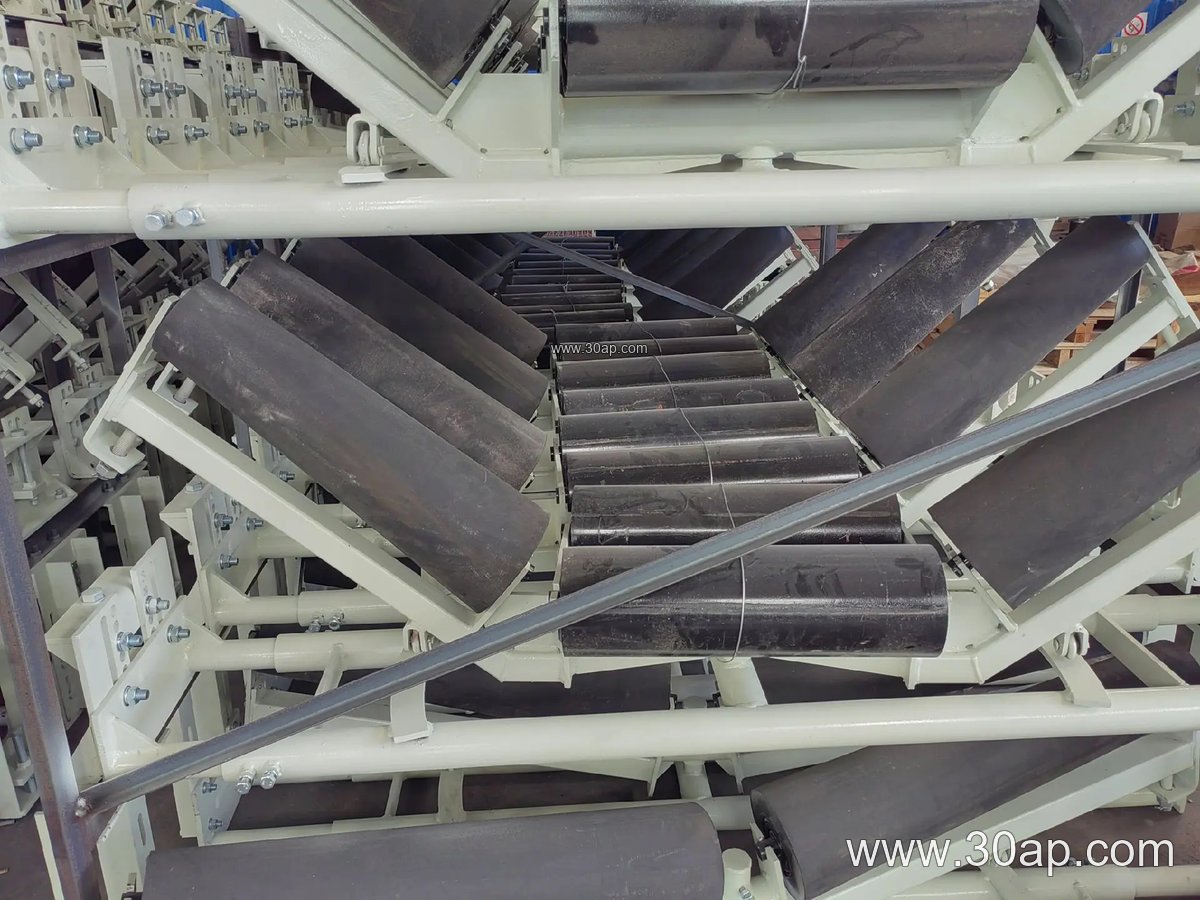
Common belt width references include B500, B650, B800, B1000, B1200, B1400, B1600, B1800, B2000, B2200. A fixed bracket may be specified as B800 with a 35 degree trough and Ø108 rollers, or B1200 with a 45 degree trough and Ø133 rollers. These combinations are examples, not fixed rules. A wider belt does not automatically dictate one roller diameter, and one belt width can work with more than one pulley or roller size.
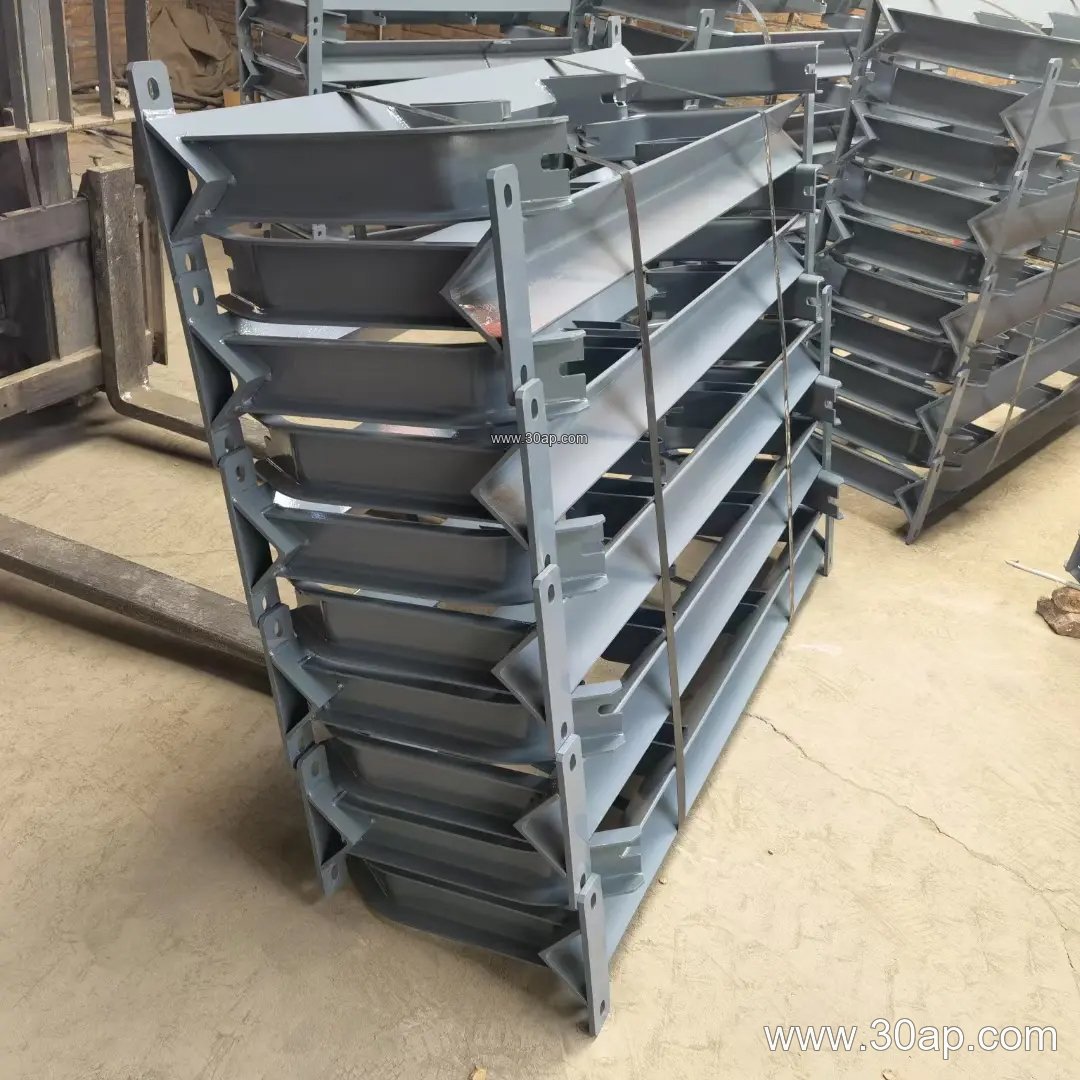
| Parameter | Typical Reference Range |
|---|---|
| Belt width | B500 to B2200 |
| Trough angle | 20°, 30°, 35°, 45° |
| Roller diameter | Ø89, Ø108, Ø133, Ø159, Ø194 |
| Material | Angle steel, channel steel, folded plate |
Where It Fits on the Conveyor
Fixed brackets are commonly used on the carrying side as trough brackets, and on the return side as flat or V-return brackets. A transition bracket near the head or tail helps the belt change shape gradually. In a crusher discharge line or a screening plant, impact bracket positions may use rubber buffer rollers to absorb shock from falling rock.
The bracket works together with the conveyor belt, idler roller, and conveyor pulley. In a coal mining conveyor or underground mining conveyor, flame retardant conveyor belt and anti-static conveyor belt are often paired with sturdy fixed frames. In a limestone quarry or sand making plant, an abrasion resistant conveyor belt runs over these brackets day after day, so the frame must resist vibration and dust buildup.
Choosing the Right Fixed Bracket
Selection starts with the belt width and the required trough angle. A 30 degree trough is common for general bulk material, while a 45 degree trough may suit higher capacity lines. The roller diameter should match the bracket mounting height and the load. Heavier ore or iron ore duty may call for larger rollers and reinforced frames.
Buyers should confirm the mounting hole pattern, the crossbeam length, and the material finish. For food grade conveyor belt lines, smooth surfaces and easy cleaning matter. For a cement plant or steel plant conveyor, dust and heat resistance in the bracket coating can extend service life. A fixed bracket is not adjustable after installation, so the design must be right the first time.
Maintenance Notes
Inspect fixed brackets for loose bolts, bent frames, and corrosion. A misaligned bracket can cause belt edge wear or roller seizure. When replacing a roller, check that the bracket seat is clean and that the shaft fits without force. Keeping the frame square and the rollers turning freely protects the conveyor belt and reduces downtime in aggregate, port, and mining operations.