What a Hot-Dip Galvanized Idler Is
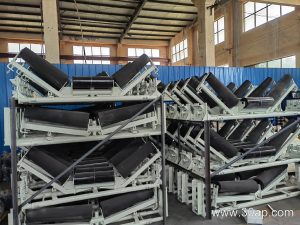
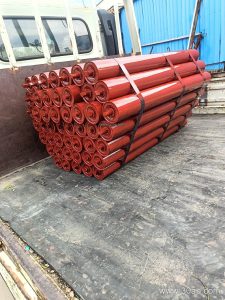
A hot-dip galvanized idler is a conveyor roller whose steel body has been immersed in molten zinc to form a metallurgically bonded coating. This finish is not a paint or a thin electroplated layer; it provides a durable barrier that resists corrosion in damp, dusty, and outdoor environments. The idler itself is a core component of a belt conveyor, supporting the conveyor belt and the material it carries. When specified correctly, this galvanized roller helps maintain belt alignment and reduces friction along the carrying and return sides of the conveyor.
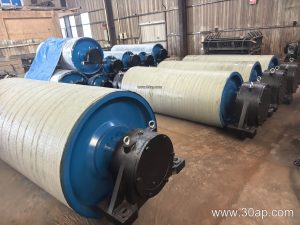
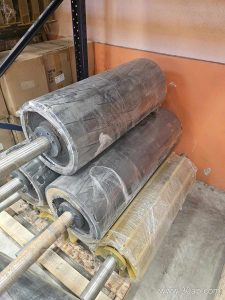
Also known as a hot-dip galvanized conveyor roller, the product is distinct from other conveyor components such as drive pulleys, tail pulleys, and bend pulleys. Those pulleys transmit power or change belt direction and are not interchangeable with idlers. A hot-dip galvanized idler belongs to the idler family, and its subtypes include troughing idlers, return idlers, impact idlers, and self-aligning idlers, each serving a specific position on the conveyor structure.
Construction and Coating Details
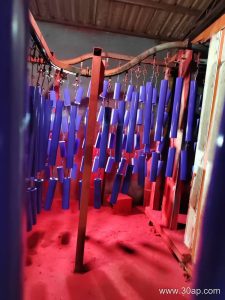
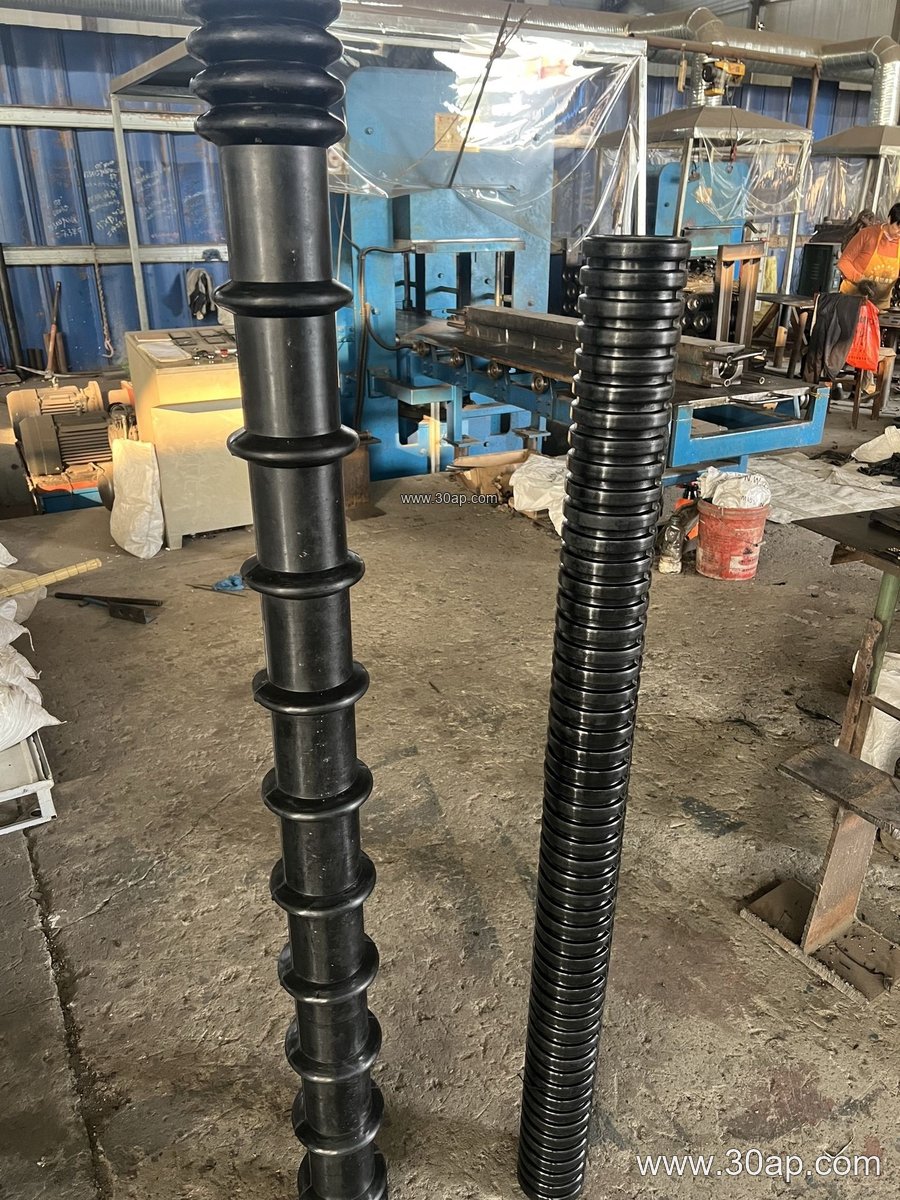
The typical hot-dip galvanized idler starts with a steel tube shell, often with a wall thickness suited to the load. Bearing housings are welded or pressed into the ends, and the shaft is fitted with bearings such as 6204, 6205, 6305, 6306, 6308, or 6310, depending on the roller diameter and duty. Seals are critical: a well-designed labyrinth seal keeps out fine dust and water, which is especially important in quarry, coal mining, and cement plant environments. After fabrication, the idler is cleaned and dipped in molten zinc, creating a coating that reaches both the exterior and, in many designs, internal surfaces for added protection.
The galvanized layer typically offers a matte gray appearance and can vary in thickness according to the standard applied. Buyers should note that coating thickness affects corrosion resistance, but it also influences dimensional tolerances at bearing seats and shaft ends. A reputable supplier will control the process to avoid excess zinc buildup that could interfere with fit or rotation.
Where It Fits on the Conveyor
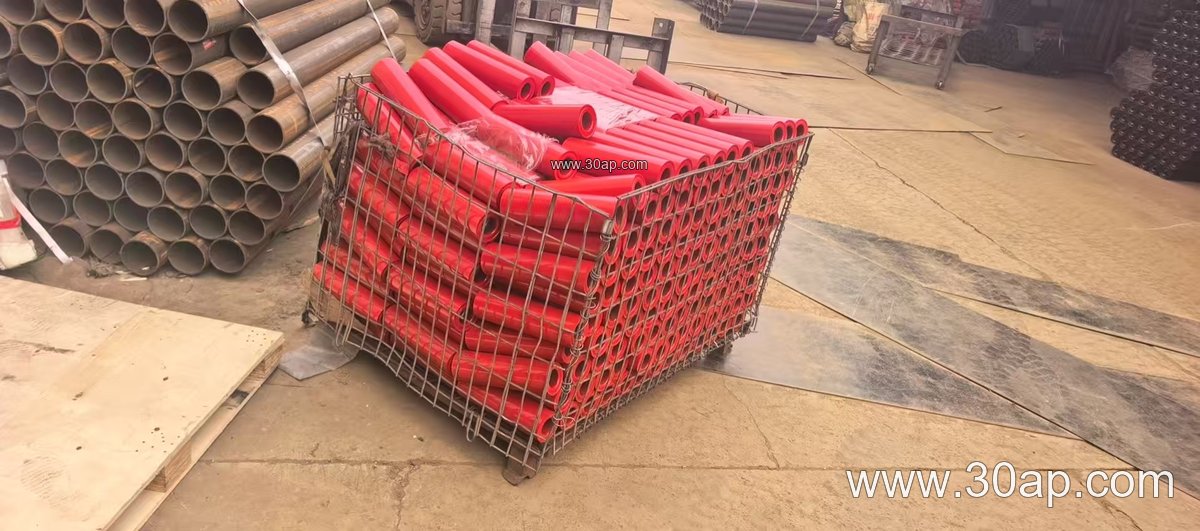
Hot-dip galvanized idlers are common in outdoor conveyors, stockyard systems, and processing plants where moisture and dust are present. In a sand and gravel line, troughing idlers support the loaded belt, while return idlers carry the empty belt back. In a coal handling system, flame retardant conveyor belt may be used alongside galvanized idlers to reduce fire risk, though the idler itself is selected for structural and corrosion performance. At a port or ship loading facility, the combination of salt air and heavy loads makes galvanized rollers a practical choice for the conveyor frame. Similarly, in a cement plant, the alkaline dust and occasional washdown favor a zinc-coated idler over an untreated steel one.
The idler works together with the conveyor belt, the conveyor pulley, and the conveyor bracket. The bracket holds the idler in place, and the pulley drives the belt. A mismatch in idler diameter or roll length can affect belt tracking and cause edge damage, so these dimensions should be confirmed against the conveyor design.
Common Sizes and Configuration Reference
The table below lists typical reference values for hot-dip galvanized idlers. These are examples, not fixed pairings, and actual selection depends on belt width, load, speed, and environmental conditions.
| Parameter | Common Reference Range |
|---|---|
| Roller diameter | Ø63, Ø76, Ø89, Ø102, Ø108, Ø127, Ø133, Ø159, Ø178, Ø194, Ø219 mm |
| Belt width | B400, B500, B650, B800, B1000, B1200, B1400, B1600, B1800, B2000, B2200, B2400 |
| Troughing angle | 20°, 30°, 35°, 45° |
| Roller surface | Steel tube, nylon, ceramic, rubber ring |
| Bearing | 6204, 6205, 6305, 6306, 6308, 6310 |
| Idler set | Single roll, two-roll, three-roll troughing |
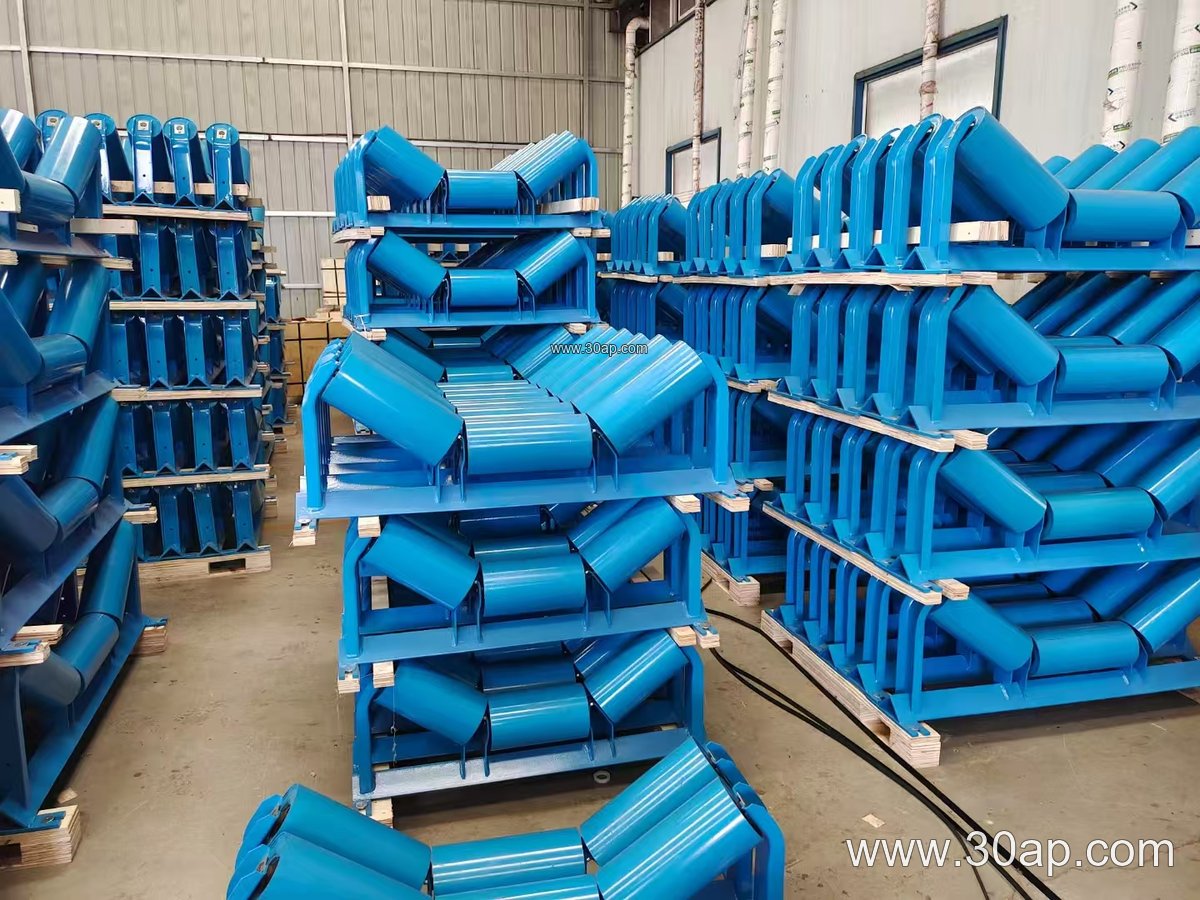
For a three-roll troughing set, common roll lengths are approximately 200 mm for B500, 250 mm for B650, 315 mm for B800, 380 mm for B1000, 465 mm for B1200, 530 mm for B1400, 600 mm for B1600, 670 mm for B1800, and 750 mm for B2000. Side rolls and center rolls can differ, so these figures should not be treated as universal matches. A 1200mm wide conveyor belt might use a 465 mm roll in a three-roll set, but the final choice depends on the trough angle and frame design. No single belt width limits the pulley diameter, and shaft diameter is determined by load and bearing selection, not by belt width alone.
Buyer Checklist for Galvanized Idlers
- Confirm the idler type needed for each position: troughing, return, impact, or self-aligning. Do not substitute a drive pulley or tail pulley for an idler.
- Check the zinc coating specification and appearance. Uniform coverage and adequate thickness are signs of a proper hot-dip process.
- Verify bearing size and seal type against the duty. In dusty quarries or coal mining, enhanced sealing is worth specifying.
- Match roller diameter and roll length to the conveyor frame and belt width. Use the conveyor manufacturer’s drawing where available.
- Consider the belt type in service. An abrasion resistant conveyor belt or a heat resistant conveyor belt may require different idler spacing or surface options.
- For outdoor and wet conditions, hot-dip galvanized idlers offer corrosion protection that painted idlers may not match over time.
Whether the application is an iron ore stockyard, a power plant coal yard, or a limestone crushing line, the hot-dip galvanized idler should be selected as part of the complete conveyor system. The right roller diameter, bearing, and coating will support belt life and reduce maintenance stops.