What an Assembled Pulley Is
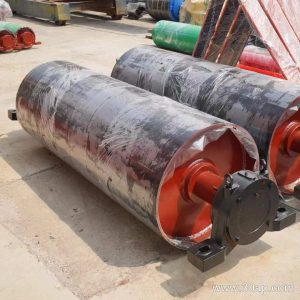
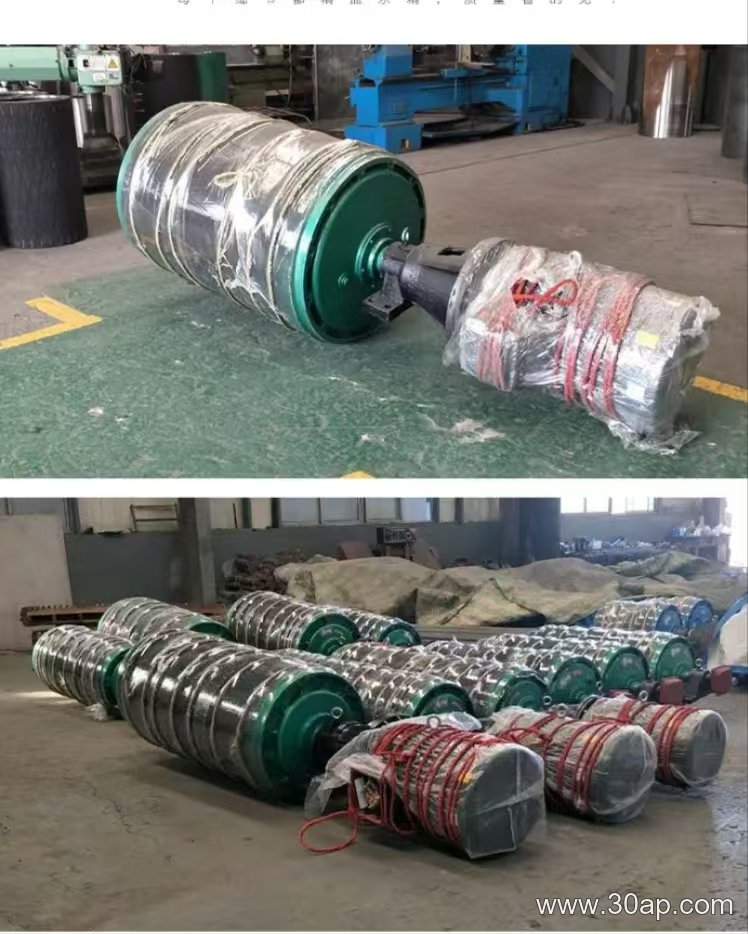
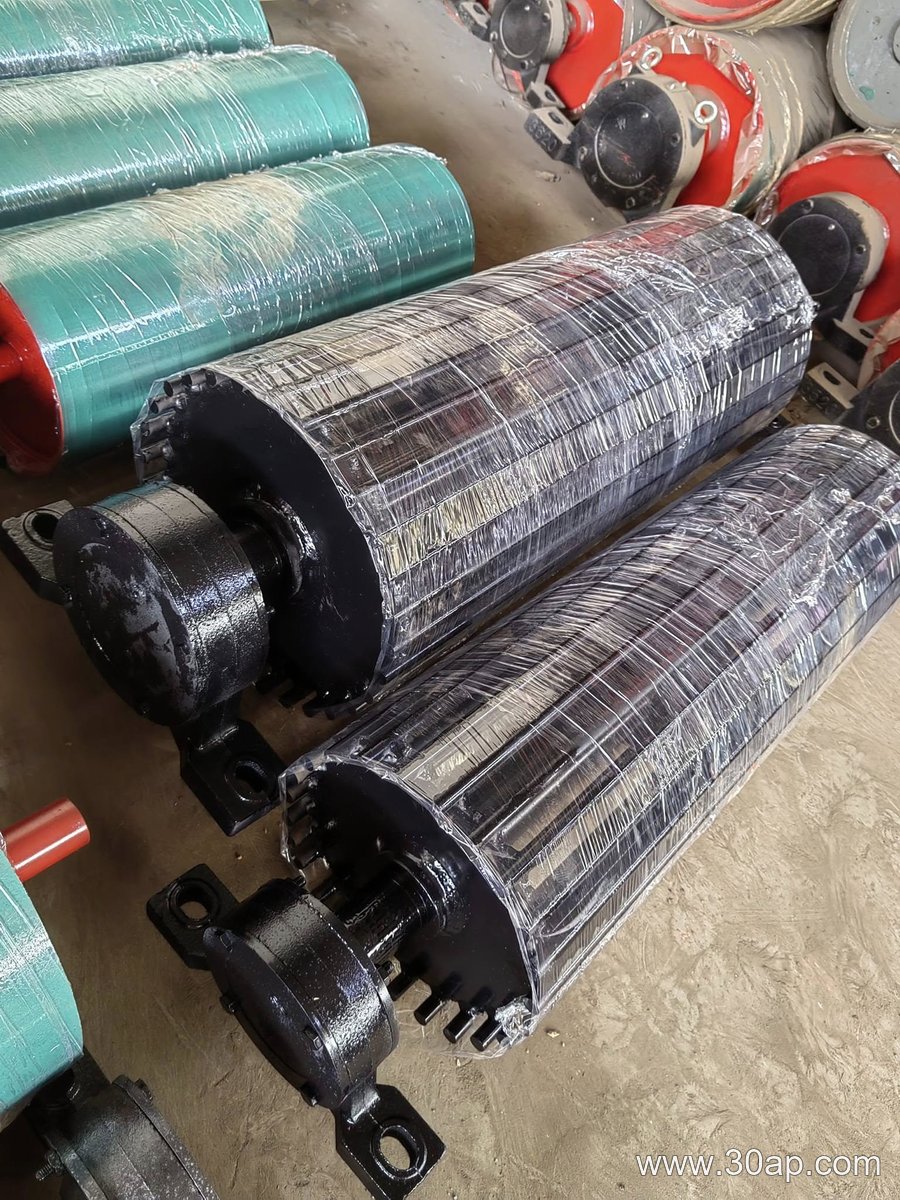
An assembled pulley is a conveyor pulley that arrives as a finished, ready-to-mount unit rather than as loose parts. The shell, shaft, end discs, bearing housings, and locking elements are already put together, so the maintenance team can lift it into position and bolt it down. In many plants this same item is simply called a conveyor pulley, and the two terms describe the same finished assembly.
The word “assembled” matters because it tells the buyer how the unit is supplied. A shell welded to a hub, a shaft pressed and keyed into place, bearings seated in their housings, and a lagging surface bonded to the drum all come as one piece. That reduces site work and removes the risk of mismatched components.
How the Unit Is Built
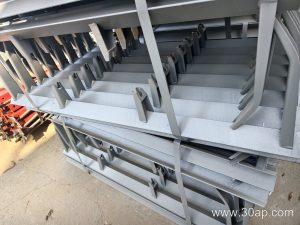
Construction usually starts with a steel drum, machined at both ends to accept the end discs. The shaft passes through the centre and is secured by keys, shrink fits, or locking rings. Bearings sit in housings that can be bolted to a conveyor bracket on the main frame. The outer surface may stay plain or receive lagging.
- Plain finish for light duty or where the belt itself provides enough grip
- Rubber lagging applied by hot vulcanisation, cold bonding, or casting
- Diamond or herringbone patterns for wet, dusty, or inclined duty
- Ceramic tiles for severe abrasion and slip control
Common lagging thicknesses are 8, 10, 12, 15, and 20 mm, chosen by the duty rather than by habit. Shaft diameter is set by torque and load, so it should never be guessed from belt width alone.
Where It Fits on a Conveyor
An assembled pulley is used at the head, tail, tension, or bend position. At the head it drives or discharges; at the tail it turns the returning belt; at a bend it changes direction; at a take-up it maintains tension. Each position asks for a different balance of grip, diameter, and bearing capacity, which is why drive, tail, and bend pulleys are not interchangeable even when they look similar.
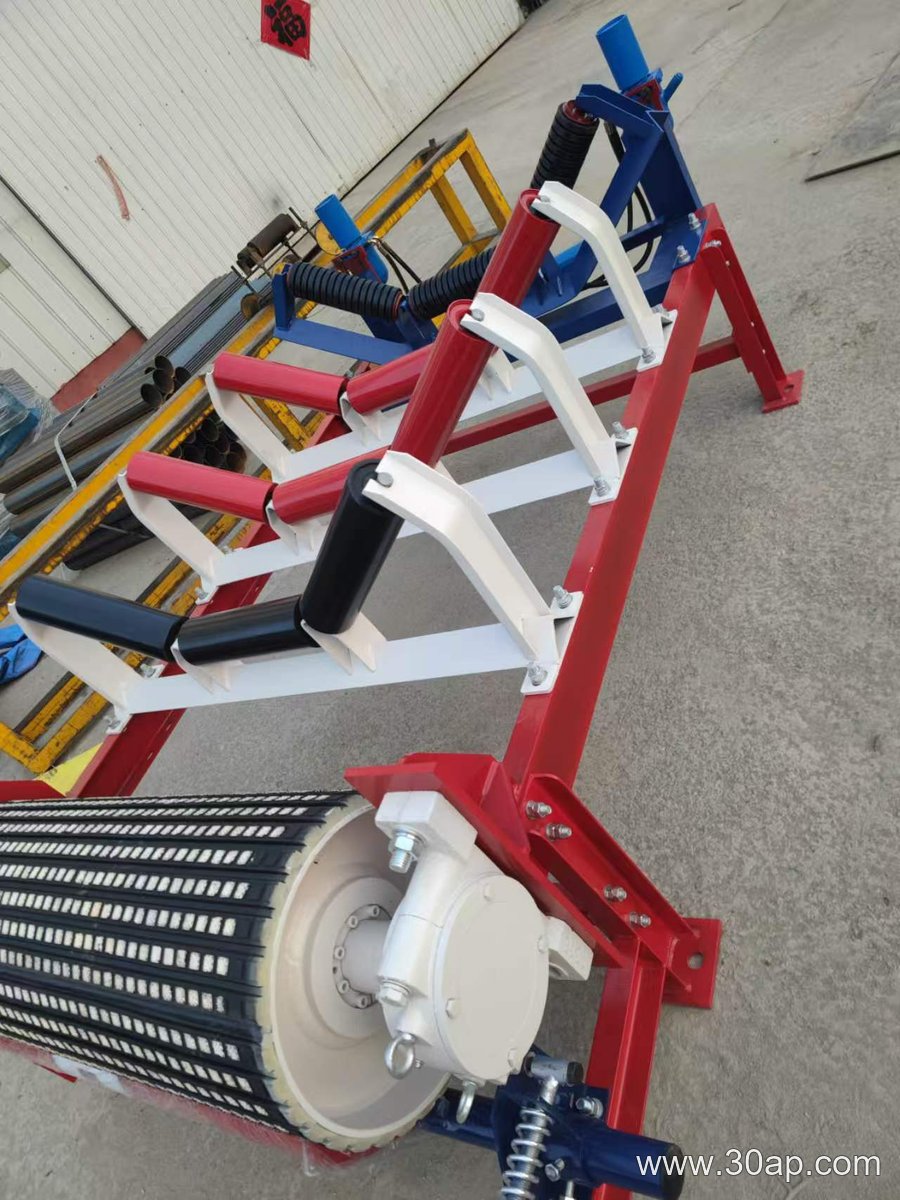
A drive pulley needs enough friction to move a loaded conveyor belt, so lagging and a larger diameter are often selected. A bend pulley mainly redirects the belt and may run with a plain face. Comparing the two helps a buyer see why one unit is specified with rubber and the other without.
Applications Across Industries
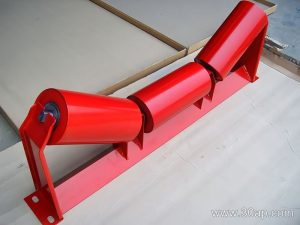
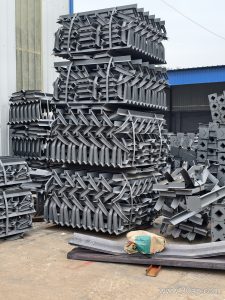
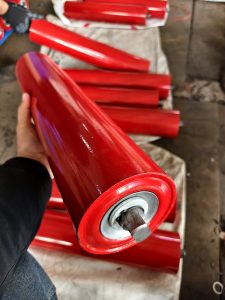
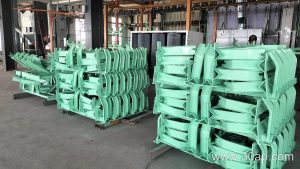
These units appear in a limestone quarry feeding a primary crusher, and in a coal handling system moving fuel to a boiler bunker. They also serve aggregate lines, cement plants, port bulk terminals, and tunnel spoil removal. In each case the pulley works with a conveyor belt, conveyor idler rollers, and the frame brackets that hold everything in line.
What a Buyer Should Check
Before ordering, confirm the belt width and the drum face. Face width is normally a little wider than the belt, for example about 500 mm for a B400 belt or about 1400 mm for a B1200 belt. Diameter is selected from belt speed, wrap angle, and torque, so a B1200 unit might run with Ø1000 in one duty and a different diameter elsewhere. Do not assume one belt width locks the pulley to one diameter.
Shaft size is another independent decision. A Ø100 shaft may suit one drive and a Ø160 shaft another, even at the same belt width, because torque and load govern the choice. Ask for the bearing type, lagging pattern, and balance class, and confirm that the mounting holes match the existing conveyor bracket. For a spare, record the position, duty, and surrounding equipment so the replacement matches the original assembly rather than an assumed standard.