What a 600mm Conveyor Belt Is
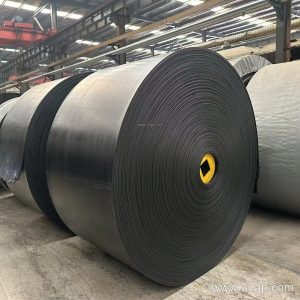
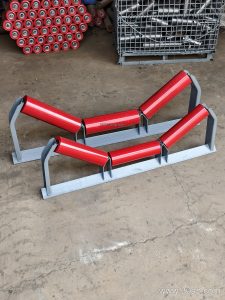
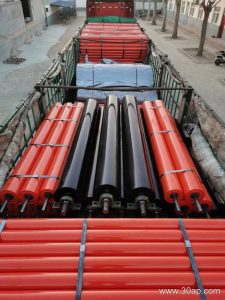
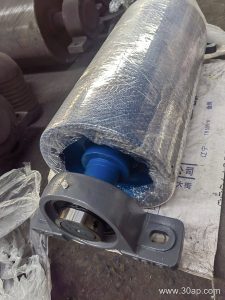
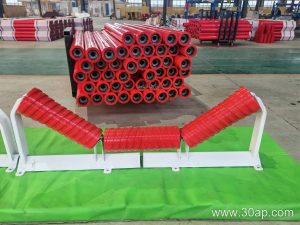
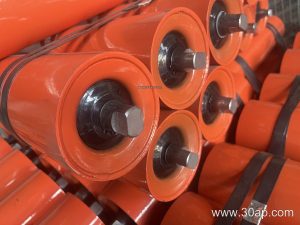
A 600mm conveyor belt is a standard-width rubber or fabric belt designed for belt conveyors with a 600mm wide carrying surface. This width sits among common metric belt sizes and is often chosen for medium-capacity transport lines where space is limited but steady material flow is required. In industries such as mining, coal preparation, cement plants, power stations, and sand and gravel yards, the 600mm belt width offers a practical balance between load capacity and equipment footprint. The belt itself is only one part of the system; it works together with conveyor pulleys, idler rollers, and conveyor brackets to form a complete conveying circuit.
Construction and Material Options
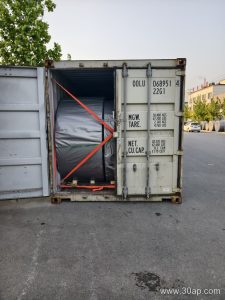
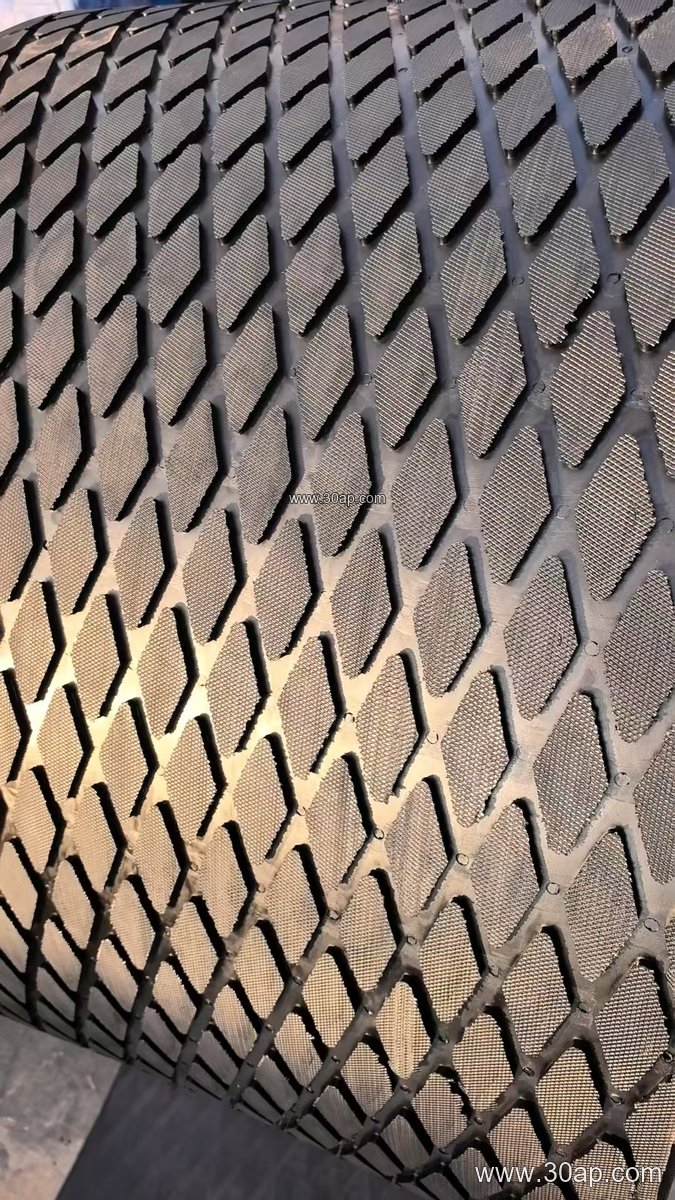
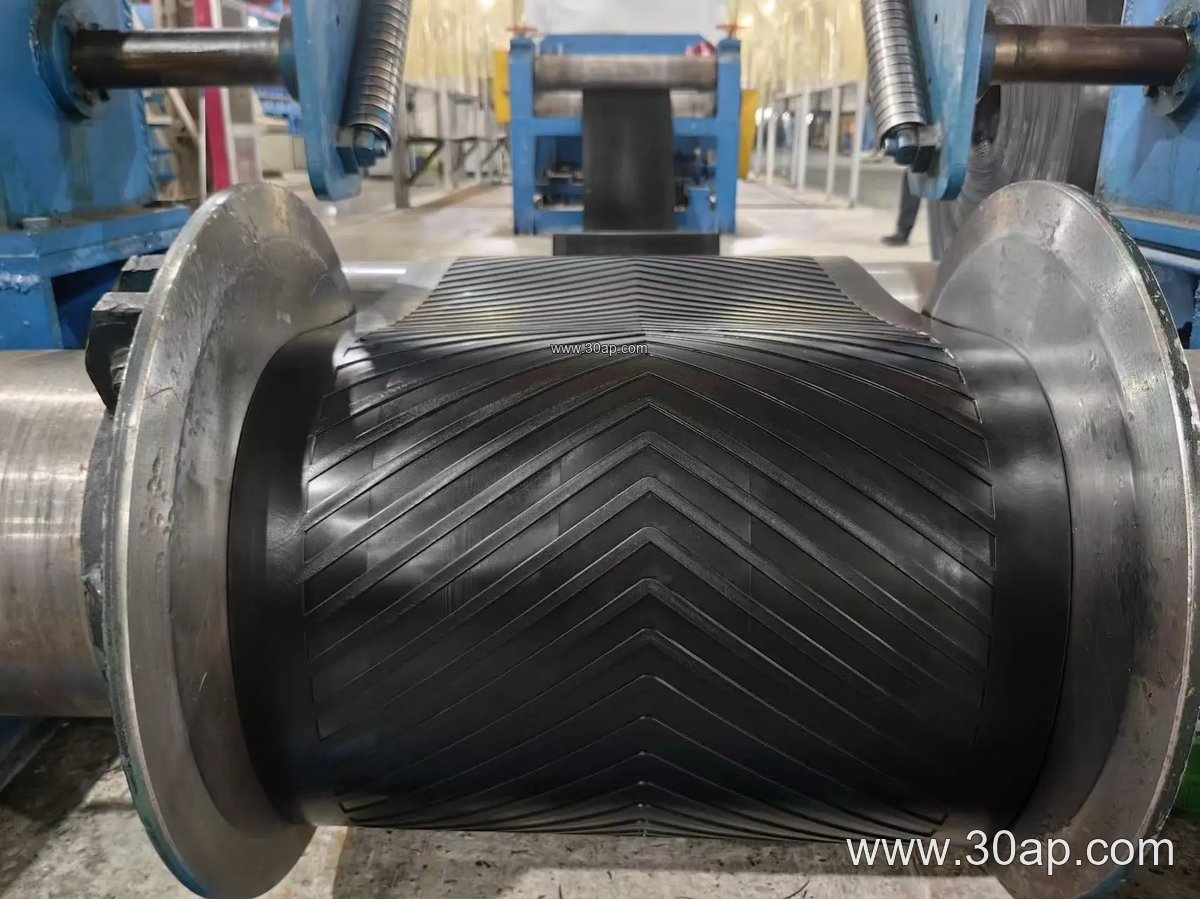
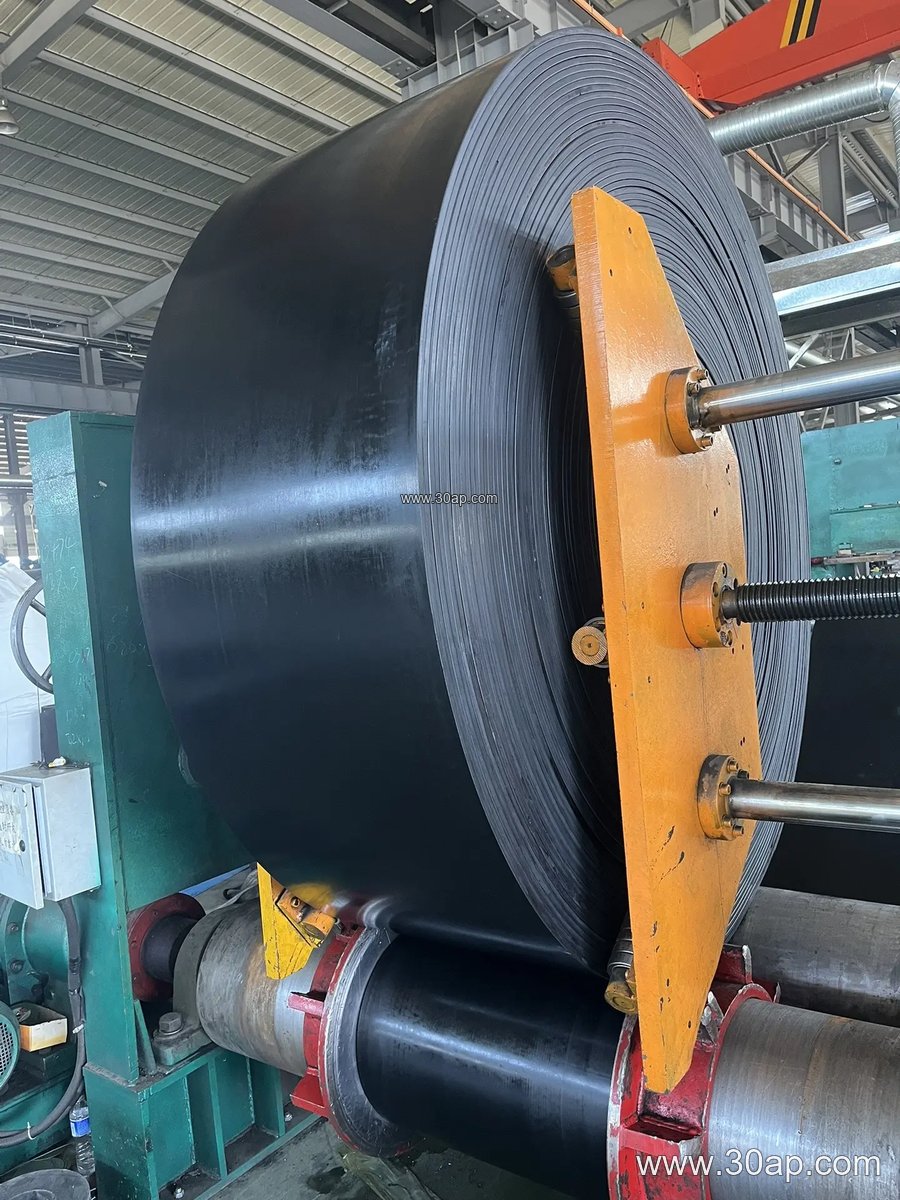
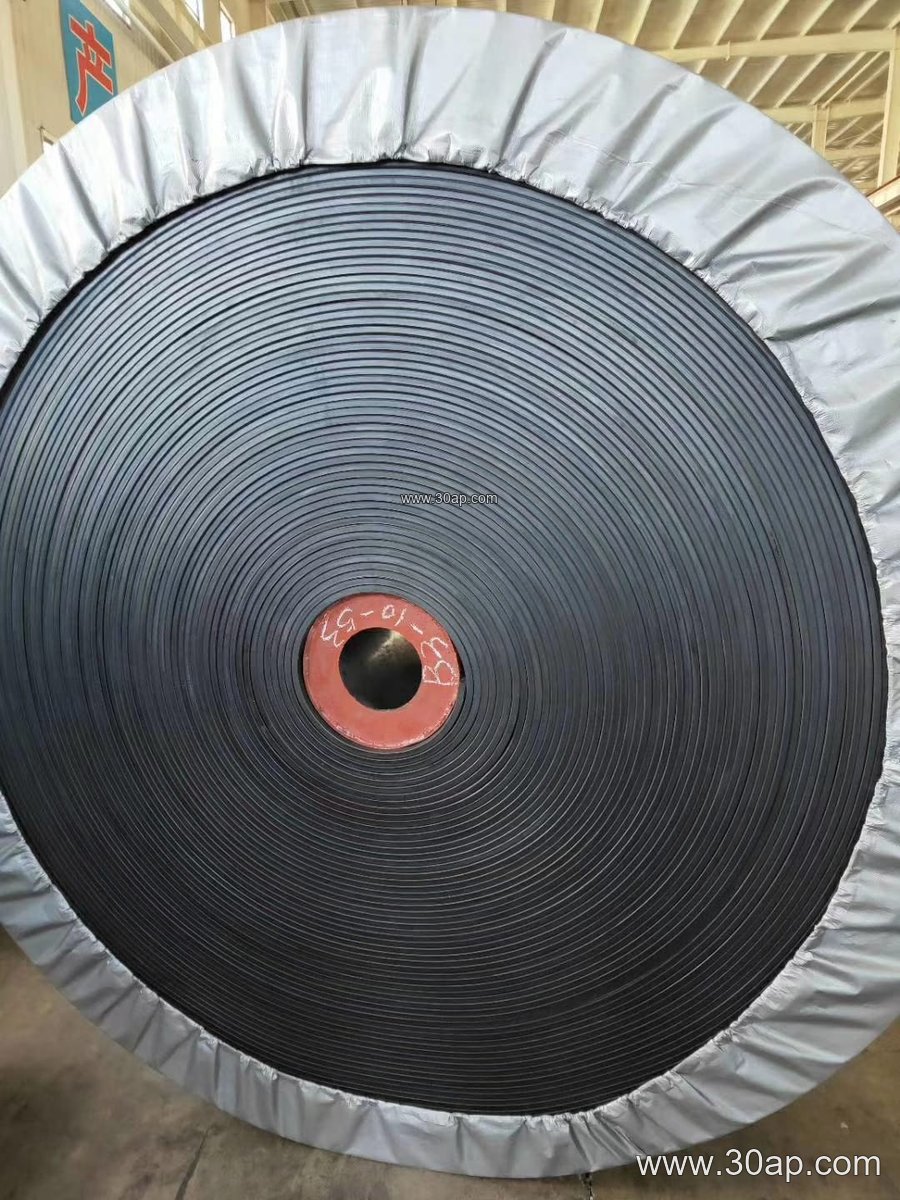
The construction of a 600mm conveyor belt depends on the duty it must perform. A typical belt has a fabric core — often EP (polyester-cotton) or NN (nylon-nylon) — covered with rubber layers on both sides. The cover protects the carcass from abrasion, impact, and environmental attack. For heavier loads or longer runs, a steel cord core may be used, though this is less common at narrower widths. Buyers can select from a range of cover grades: abrasion resistant, heat resistant, oil resistant, flame retardant, anti-static, cold resistant, and acid or alkali resistant. Special surface forms such as chevron or corrugated sidewall belts are also available when the conveyor path is inclined or material spillage must be controlled. A 600mm wide belt is frequently supplied as an endless conveyor belt for fixed installations, reducing splicing time on site.
Common Specifications and Dimensions
While exact values vary by manufacturer and application, the table below lists typical reference data for 600mm conveyor belts. These figures are for guidance only and should be confirmed with the supplier based on the actual conveyor design.
| Parameter | Typical Range / Example |
|---|---|
| Belt width | 600 mm |
| Fabric core types | EP, NN |
| Strength grades (EP) | EP200, EP315, EP400, EP500, EP630 |
| Number of plies | 2 to 6 |
| Top cover thickness | 3 mm to 8 mm |
| Bottom cover thickness | 1.5 mm to 3 mm |
| Cover grades | Abrasion resistant, heat resistant, flame retardant, oil resistant, anti-static |
For a 600mm belt, common cover combinations include 4+2 mm or 5+2 mm for general bulk handling, while 6+2 mm or 8+3 mm may be specified for abrasive or high-impact materials. The carcass strength is selected according to the maximum tension in the conveyor, not simply by belt width. A 600mm belt can be paired with various pulley diameters and idler roller sizes; there is no fixed rule that ties one belt width to one pulley diameter.
Where 600mm Belts Are Used
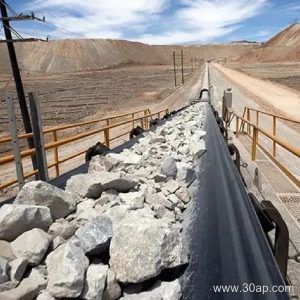
This belt width appears in many bulk material handling scenarios. In underground coal mining, flame retardant and anti-static 600mm belts are common for secondary haulage and transfer points. Cement plants use them for clinker and raw meal transport where heat resistance may be needed. Power plants employ 600mm belts in coal feeding systems, often with fire resistant properties. Quarries and aggregate plants use abrasion resistant 600mm belts on crusher discharge and screening lines. Smaller port facilities and ship loading conveyors may also adopt this width for moderate throughput. In recycling and construction waste sorting, the 600mm belt fits compact conveyor frames and allows easy integration with conveyor brackets and idler rollers. Food processing and light industry may use food grade or oil resistant versions where cleanliness and chemical exposure are concerns.
Selection and Maintenance Notes
Choosing a 600mm conveyor belt starts with the material to be conveyed: its lump size, temperature, moisture, oil content, and abrasiveness. The conveyor’s incline angle determines whether a standard smooth belt or a chevron pattern is needed. For underground coal mining, flame retardant and anti-static properties are usually mandatory. The belt’s tensile strength should be calculated from the conveyor’s power and load, and the cover thickness should match the wear conditions. During operation, regular inspection of the belt surface, edges, and splices helps prevent unexpected downtime. Checking the alignment of idler rollers and the condition of conveyor pulleys is equally important, as misalignment accelerates belt edge wear. Keeping the belt clean and avoiding overload also extend service life. Always refer to the conveyor manufacturer’s specifications for pulley and idler matching, and consult the belt supplier for verified technical data before ordering.
For more information on conveyor belts, idler rollers, and pulleys, visit our website at www.example.com/conveyor-belt and www.example.com/idler-roller.