What a Conveyor Leg Does on a Belt System
A conveyor leg is the vertical support element that carries the weight of the idler frame, the belt, and the material being transported down to the ground or to a structural floor. In most installations, the leg is part of a complete support assembly that includes a cross beam, mounting brackets, and base plates. The leg transfers loads from the carrying side and the return side into the foundation, and it also sets the height and level of the whole conveyor line. Without a properly sized and anchored leg, even a well-built frame will sag, twist, or drift out of alignment.
Buyers often use the term support stand or frame leg for the same component. The key point is that the leg is a structural support, not a pulley or a roller, and it should be selected together with the frame it carries. On long overland lines, quarry belts, and plant transfer points, the leg spacing and foundation design directly affect belt tracking and the service life of the conveyor belt.
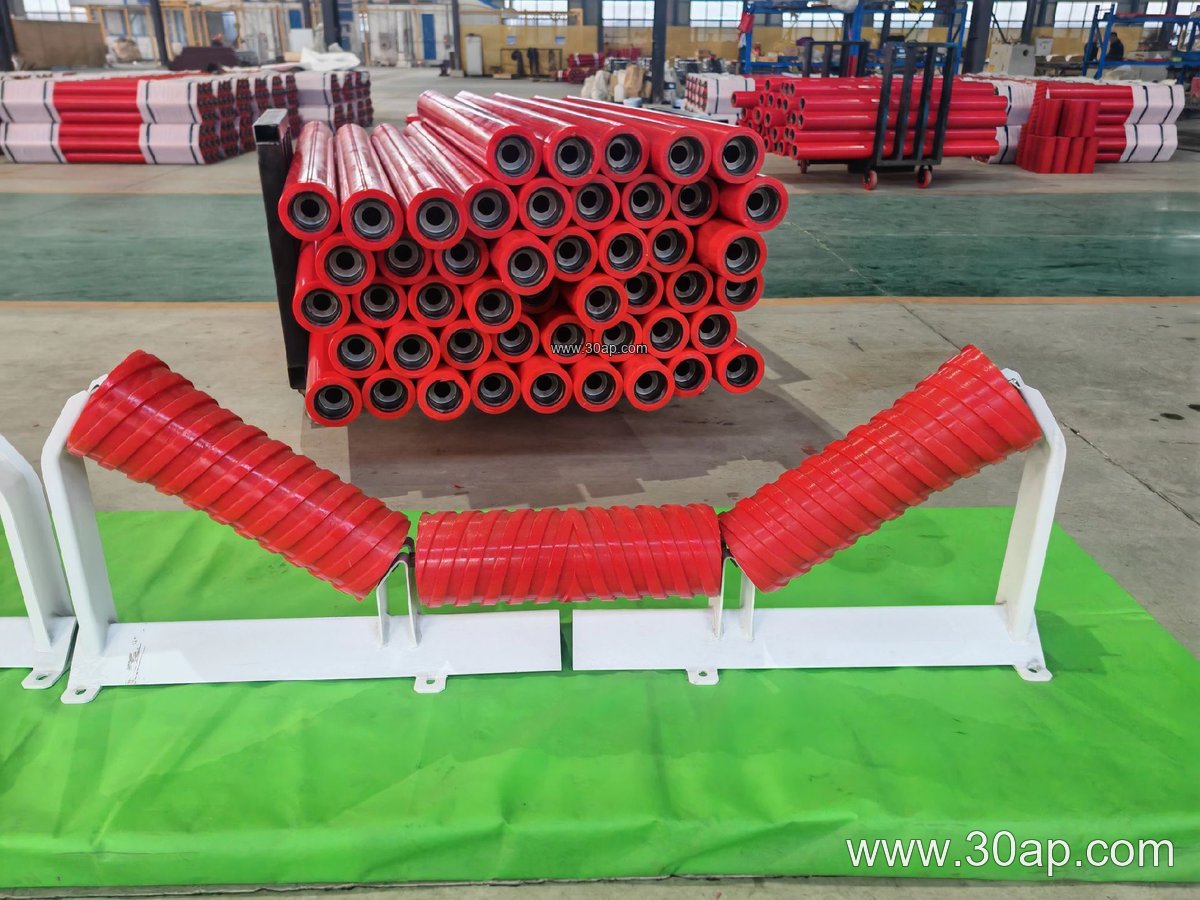
Construction and Common Materials
Most legs are fabricated from angle steel, channel steel, or folded steel plate. Angle and channel sections are common for light and medium frames, while folded plate legs are often used where a stiffer section is needed for heavy loads. The leg usually ends in a base plate with bolt holes, and the top connects to the cross beam through a bolted bracket or a welded gusset. Adjustable versions include slotted holes or a telescopic section so the frame height can be leveled during installation.
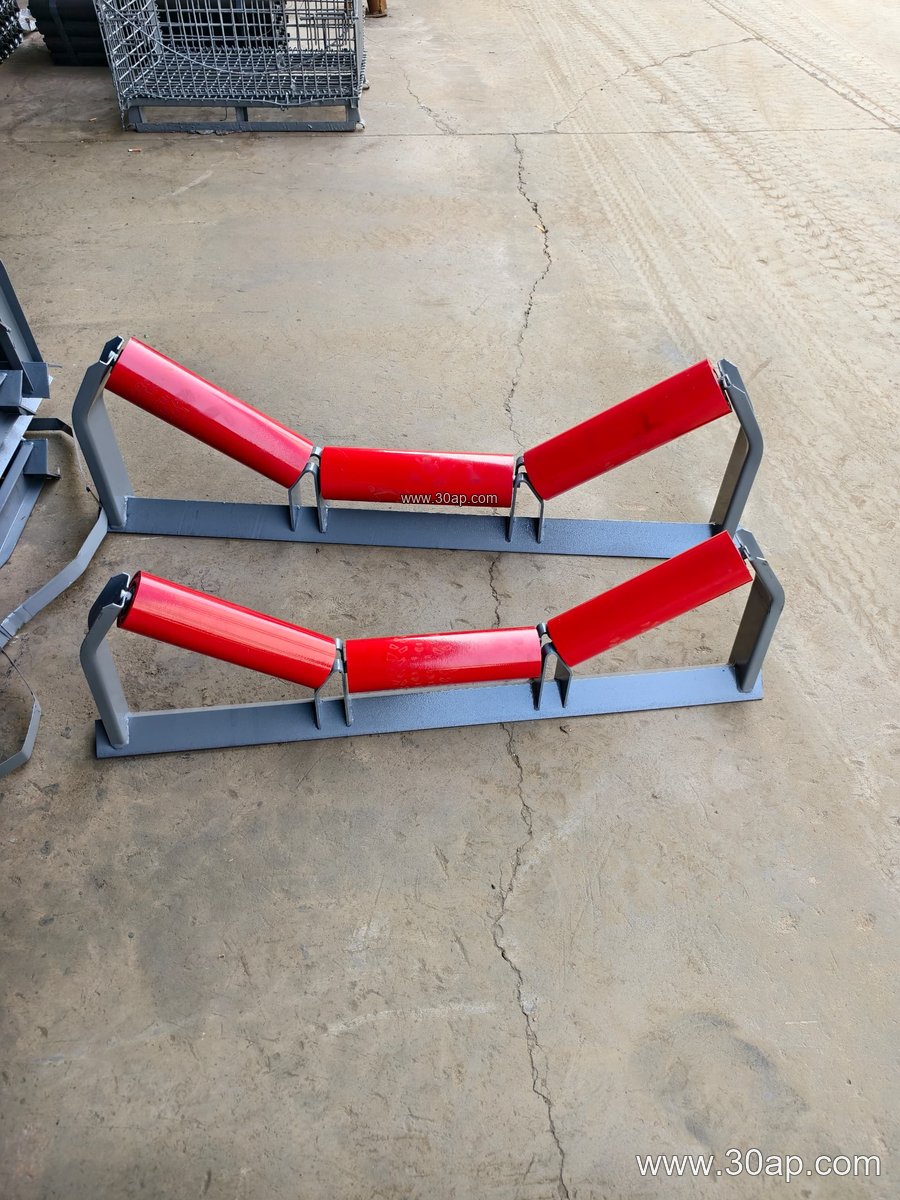
- Angle steel legs: simple fabrication, common on B500 to B1000 frames
- Channel steel legs: higher bending stiffness for wider frames
- Folded plate legs: used on heavy-duty and impact sections
- Adjustable legs: slotted or telescopic for site leveling
Surface treatment is usually painted or hot-dip galvanized, depending on the environment. In wet washing plants or coastal ports, galvanized or coated legs are preferred to limit corrosion at the base plate.
Matching the Leg to Belt Width and Idler Diameter
The leg height and the cross beam length must follow the belt width and the trough angle of the frame. A wider belt needs a longer beam and, usually, a heavier leg section. The idler diameter also affects the frame height, because the leg must place the idler at the correct elevation relative to the pulley and the transition zone. Typical reference combinations include B800 with a 35 degree trough and Ø108 idlers, B1200 with a 45 degree trough and Ø133 idlers, or B650 with a 30 degree trough and Ø89 idlers. These are examples only; the final match is set by the conveyor design, not by a single rule.
Common trough angles are 20, 30, 35, and 45 degrees, and adjustable frames can be set between these values on site. Forward-tilted frames usually run at about 1.5 to 2 degrees. Installation hole spacing and beam length change with belt width and trough angle, so they should be confirmed from the frame drawing rather than assumed.
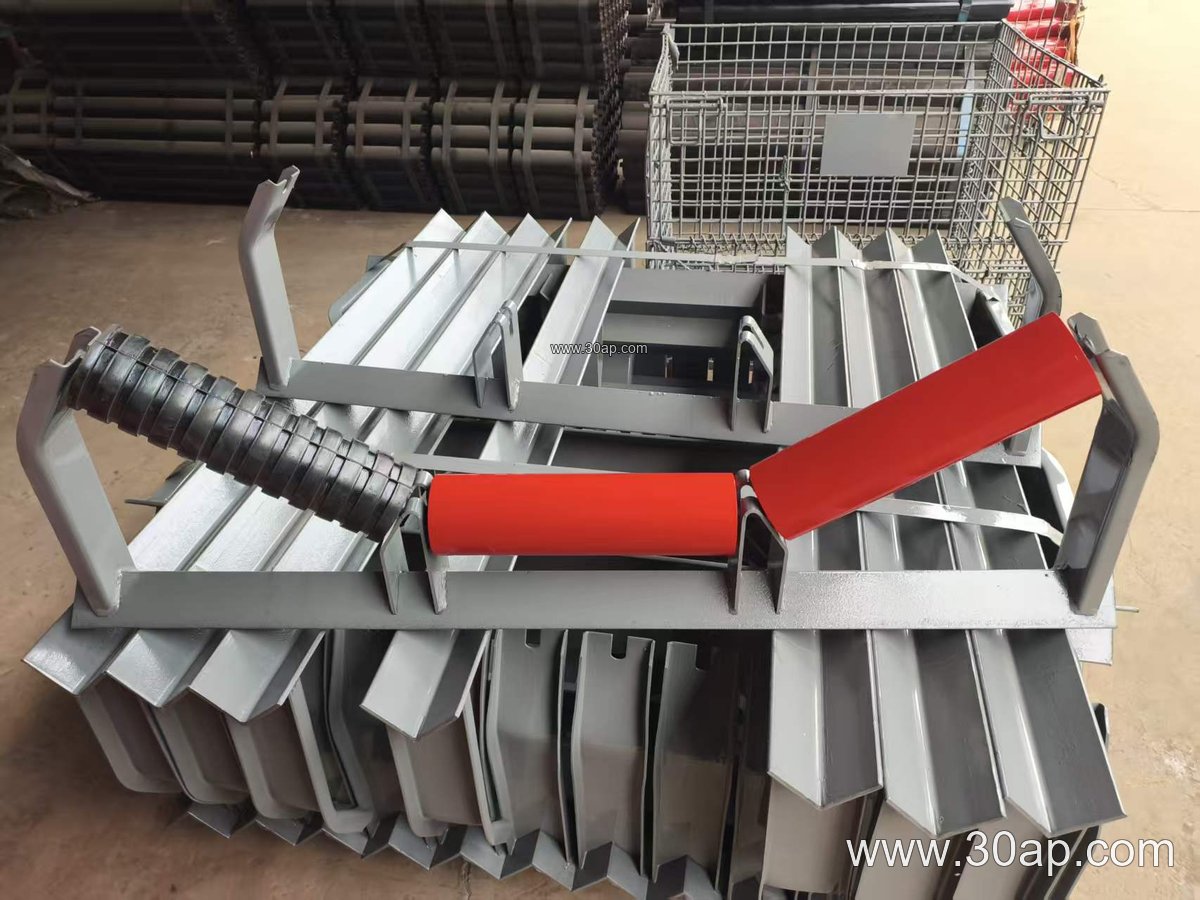
Where Conveyor Legs Are Used
These supports appear wherever a belt line runs above the floor. In a limestone quarry or a sand and gravel line, legs carry the crusher discharge and the screening feed belts. In a coal washing plant or a power plant coal yard, they support the transfer conveyors and the tripper area. Cement plants use them under clinker and raw meal belts, and steel plants use them on sinter and coke lines. Port loading conveyors and tunnel spoil belts also rely on stable leg frames, especially where the belt must stay aligned over long spans.
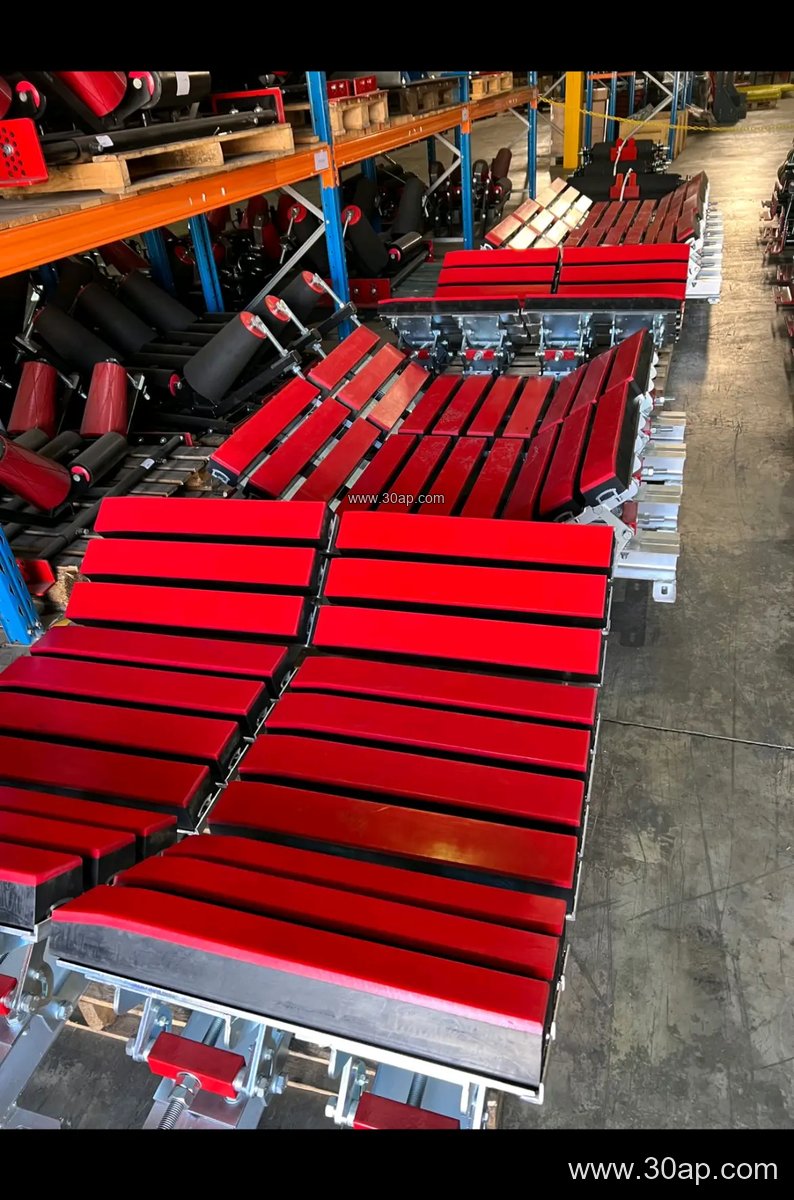
The support works together with the idler roller, the conveyor pulley, and the conveyor bracket. A weak leg shows up quickly as belt misalignment, edge wear, and uneven loading, which is why the leg and the frame should be treated as one unit during selection.
Selection and Maintenance Notes for Buyers
Start with the belt width, the trough angle, the idler diameter, and the load per meter. Then confirm the leg section, the base plate size, and the anchor pattern. Check that the leg height matches the pulley elevation at the head and tail, so the belt does not climb or drop sharply at the transition. For dusty or abrasive service, such as an iron ore or copper ore line, specify a heavier section and a protected base plate.
During service, inspect the base bolts, the welds at the beam connection, and the level of the frame. Re-level adjustable legs after ground settlement, and replace bent legs before they affect belt tracking. Keeping the legs plumb and the frames square protects the conveyor belt and reduces downtime on any bulk material line.