What the Ø89 Conveyor Idler Is
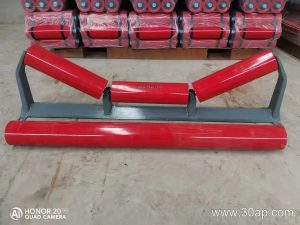
The Ø89 conveyor idler is a carrying or return roller with an outside diameter of 89 mm, widely used in bulk material handling systems. It supports the conveyor belt and the load it carries, reducing friction and keeping the belt tracking smoothly. In a typical conveyor frame, several idlers form a idler set—often three-roll troughing for the carrying side or a single flat roll for the return side. The Ø89 size sits in the mid-range of common idler diameters, making it a practical choice for medium-duty belts in industries such as aggregate processing, cement plants, and coal preparation.
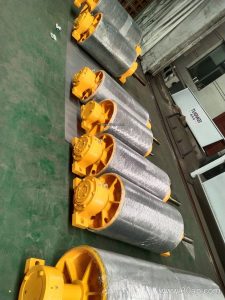
This idler roller is not a pulley; it rotates freely on bearings while the belt moves over it. Drive, tail, and bend pulleys serve different functions and are not interchangeable with idlers. When specifying a conveyor, engineers match idler diameter to belt width, load, and speed, but no single diameter is mandatory for every belt width.
Construction Details
A Ø89 conveyor idler usually consists of a steel tube shell, bearing housings, a shaft, and seals. The shell is often made from seamless or welded steel pipe, machined at the ends to accept the bearing housing. Common bearing sizes for this diameter include 6204 and 6205, though the exact bearing depends on load rating and design. Seals are critical in dusty environments—such as a quarry or a cement plant—where fine particles can penetrate and shorten bearing life. Many designs use labyrinth seals or triple-lip seals to keep contaminants out and grease in.
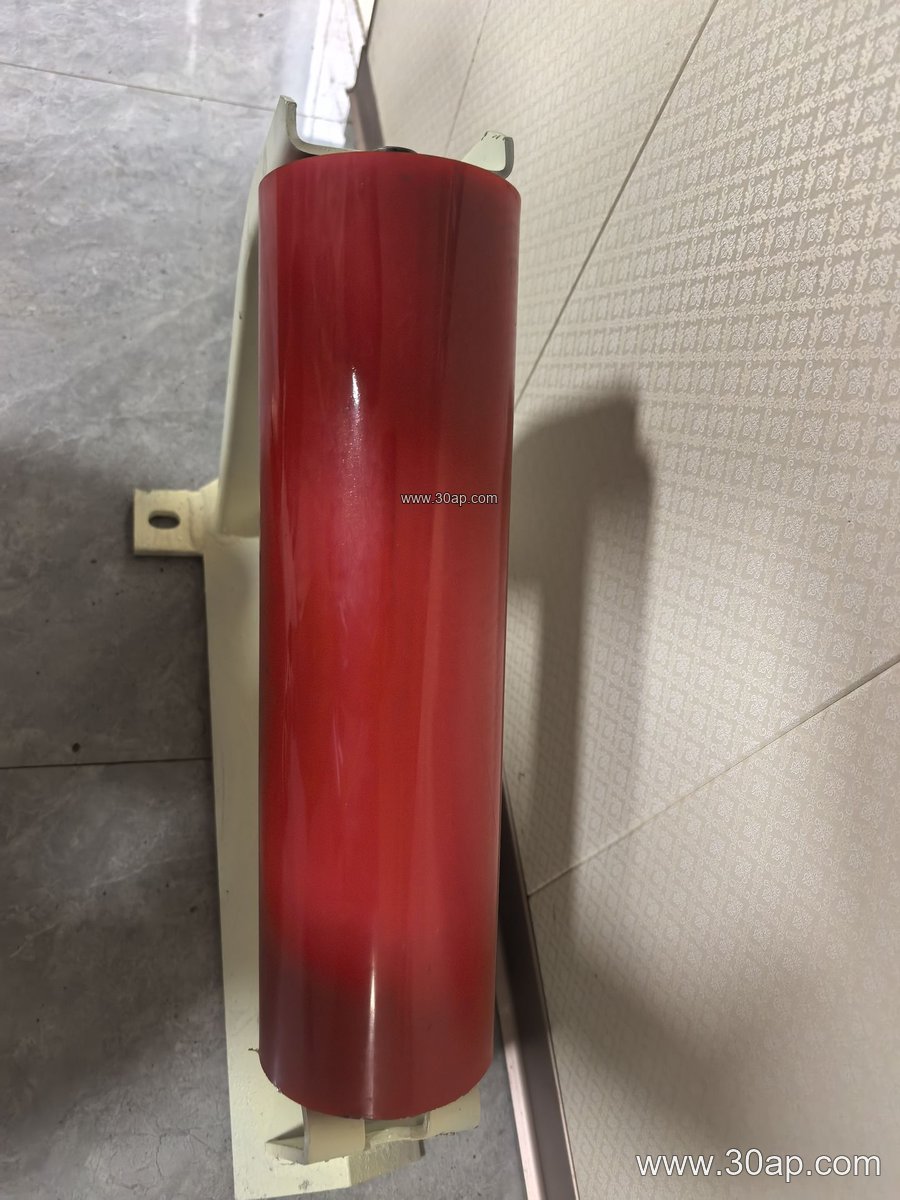
The roller surface may be plain steel, nylon, rubber-covered, or ceramic-coated. Rubber rings are often used on impact idlers at transfer points to cushion falling material, while plain steel is standard for carrying and return positions. The shaft ends are typically flattened or tapped to fit into conveyor brackets, which are mounted on the conveyor frame.
Where It Fits in a Conveyor System
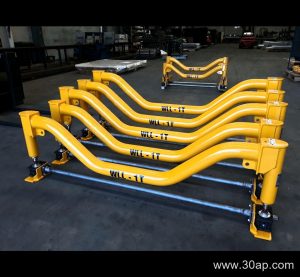
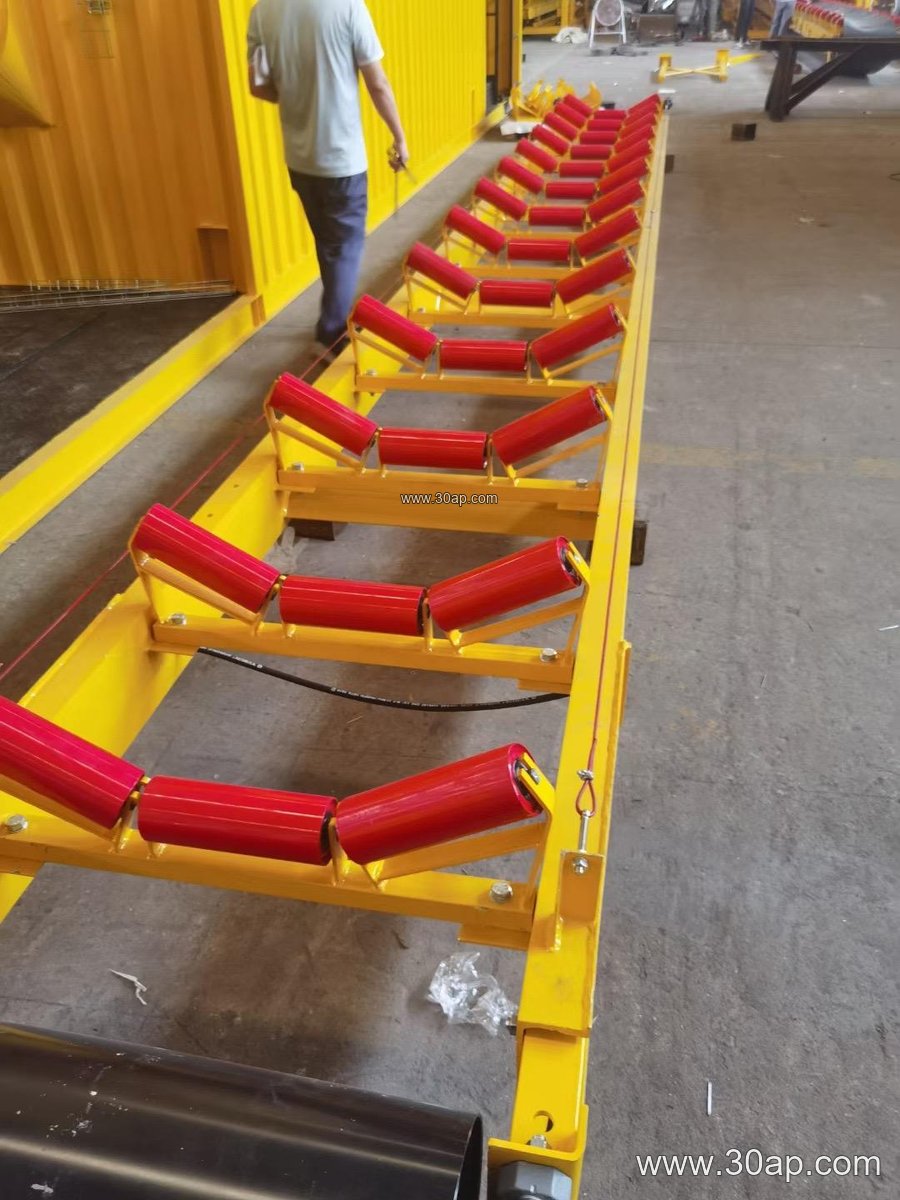
Ø89 idlers appear in carrying idler sets (troughing or flat), return idler sets (single flat or V-return), and transition idlers near pulleys. They are also used in training idlers that help keep the belt centered. In a sand and gravel line or a limestone mine, you might find these idlers under a 800 mm or 1000 mm wide conveyor belt handling crushed rock. In a coal mining application, flame retardant and anti-static properties may be required for the belt, but the idler itself is selected for load and environmental conditions.
Typical industries include:
- Quarries and aggregate plants
- Cement and lime production
- Coal washing and power plant coal handling
- Iron ore and copper ore concentrators
- Fertilizer and grain bulk handling
In each case, the Ø89 idler must match the belt width and the idler set configuration. For example, a three-roll troughing set on a B800 belt often uses roll lengths around 315 mm, while a B1000 belt may use 380 mm rolls. These are common references, not fixed rules; side rolls and center rolls can differ.
Specifications and Selection Points
When choosing a Ø89 conveyor idler, buyers should consider the following parameters. The table below lists common reference values; actual supply should be confirmed with the manufacturer.
| Parameter | Common Range / Example |
|---|---|
| Outside diameter | 89 mm |
| Belt width (B) | B500 to B1200 (other widths possible) |
| Troughing angle | 20°, 30°, 35°, 45° |
| Roll length (three-roll set) | 200 mm (B500), 250 mm (B650), 315 mm (B800), 380 mm (B1000), 465 mm (B1200) |
| Bearing | 6204, 6205, 6305 (depends on load) |
| Roller surface | Steel, nylon, rubber rings, ceramic |
| Seal type | Labyrinth, contact seal |
Selection also depends on belt speed, material density, and operating environment. In a dusty cement plant, sealed-for-life idlers reduce maintenance. In a coal mine, fire-resistant and anti-static properties of the conveyor belt are important, but the idler should be chosen for load and durability. For high-impact areas, rubber-disc impact idlers are preferred over standard steel rolls.
Buyers should avoid assuming that a given belt width automatically dictates a specific shaft diameter. Shaft size is determined by load and idler design, not by belt width alone. Also, a Ø89 idler is not a substitute for a conveyor pulley; pulleys transmit drive power and are selected separately.
Maintenance and Longevity
Regular inspection of idlers helps prevent belt damage and downtime. Check for seized rollers, worn shells, and damaged seals. In a quarry or a power plant, idlers may need cleaning to remove accumulated material. Lubrication depends on the bearing type; sealed bearings require no greasing, while open bearings need periodic service. Replacing a worn idler promptly avoids belt misalignment and edge damage.
Matching the idler to the application—whether it is a heavy-duty mining conveyor or a light aggregate line—ensures reliable support for the conveyor belt. For more information on related components such as conveyor brackets and pulleys, consult your supplier.