What an Anti-Misalignment Idler Does
An anti-misalignment idler, also known as a self-aligning idler or training idler, is a specialized roller assembly that actively corrects belt tracking deviations on a conveyor system. Unlike standard carrying or return idlers that simply support the belt, this component uses angled rollers or a pivoting frame to steer the belt back toward the centerline when it begins to drift. In demanding environments such as coal mines, cement plants, and quarry conveyor lines, belt misalignment is a leading cause of edge damage, material spillage, and premature wear on the conveyor belt and pulleys. The anti-misalignment idler addresses this by reacting to lateral forces and applying a corrective steering effect without external power.
Construction and Working Principle
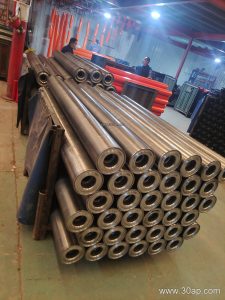
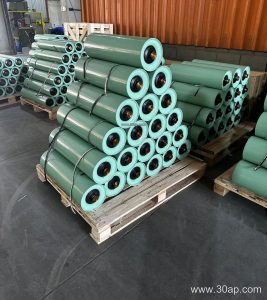
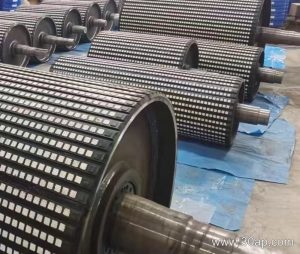
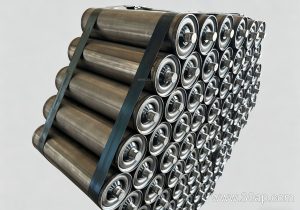
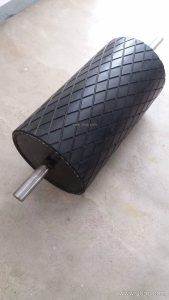
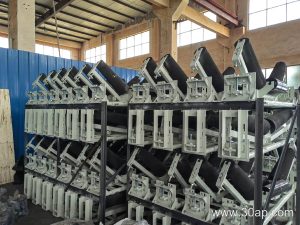
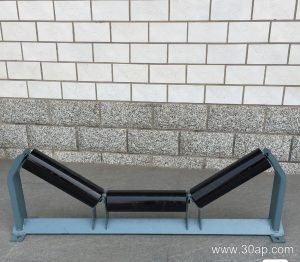
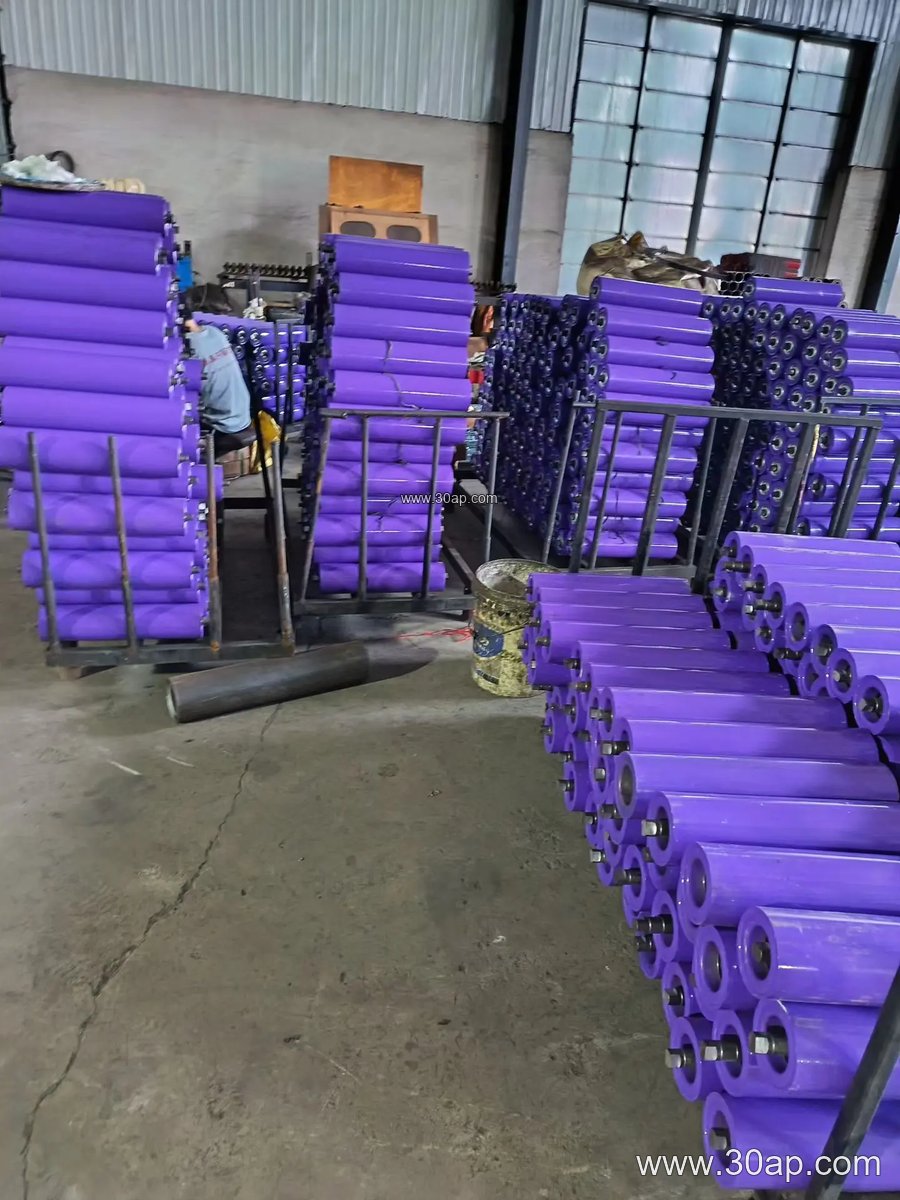
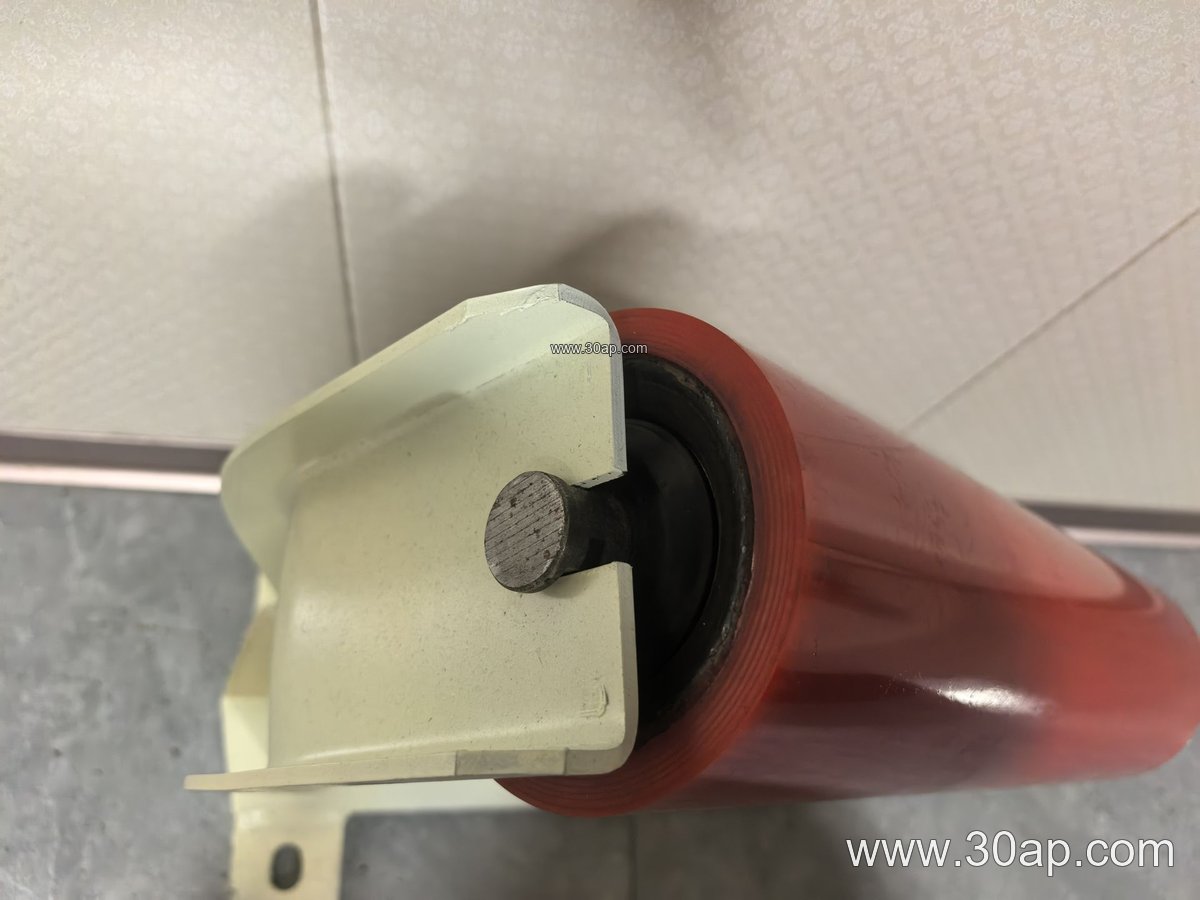
Most anti-misalignment idlers feature a robust steel frame that pivots around a central vertical axis. The roller set typically consists of two or three rollers arranged in a V or trough configuration, often with a slight forward tilt of about 1.5 to 2 degrees. When the belt shifts to one side, it contacts the angled rollers, generating a friction force that rotates the frame slightly. This rotation causes the rollers to push the belt back toward the center. Common roller diameters for this type include Ø89, Ø108, Ø127, and Ø133 mm, with bearing sizes such as 6204, 6205, or 6305 depending on load requirements. Roller surfaces may be plain steel, rubber lagged, or ceramic coated for extra grip in wet or dusty conditions. The frame is usually mounted on the conveyor bracket or stringer using bolts, allowing for easy installation and adjustment. For wider belts, such as 1200mm or 1400mm, the idler length and roller spacing are scaled accordingly, but the exact dimensions are always determined by the conveyor design and belt width.
Where It Fits in the Conveyor System
Anti-misalignment idlers are strategically placed at points where belt tracking is most vulnerable. On a typical bulk material conveyor, they are installed on the carrying side after the feed point, before the head pulley, and occasionally on the return side ahead of the tail pulley. In a coal mining conveyor belt system, for example, a self-aligning idler just downstream of the crusher discharge helps contain the belt after impact and uneven loading. In a cement plant, these idlers are often found on long overland conveyors where wind and thermal expansion can cause the belt to wander. They are also used in power plant coal handling, steel plant sinter lines, and port ship loading conveyors. While drive pulleys, tail pulleys, and bend pulleys each have fixed roles in power transmission and direction change, the anti-misalignment idler is purely a tracking aid and should not be confused with them. Similarly, a friction self-aligning idler and a conical self-aligning idler are subtypes of the same family, offering different roller profiles for specific belt conditions.
Key Selection and Maintenance Points
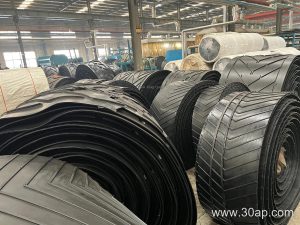
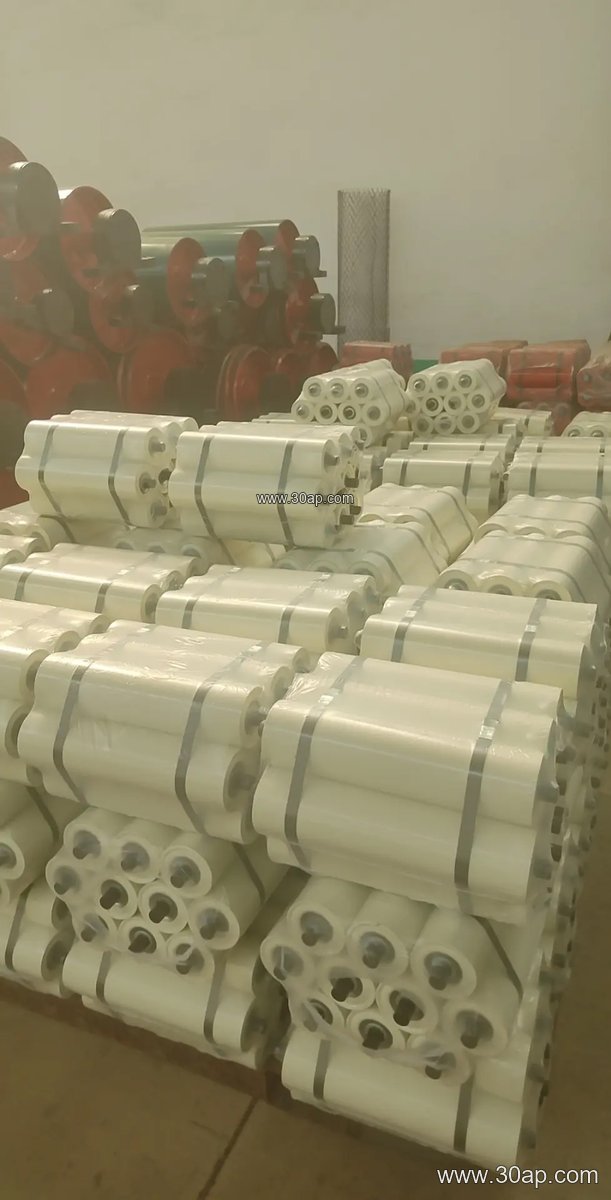
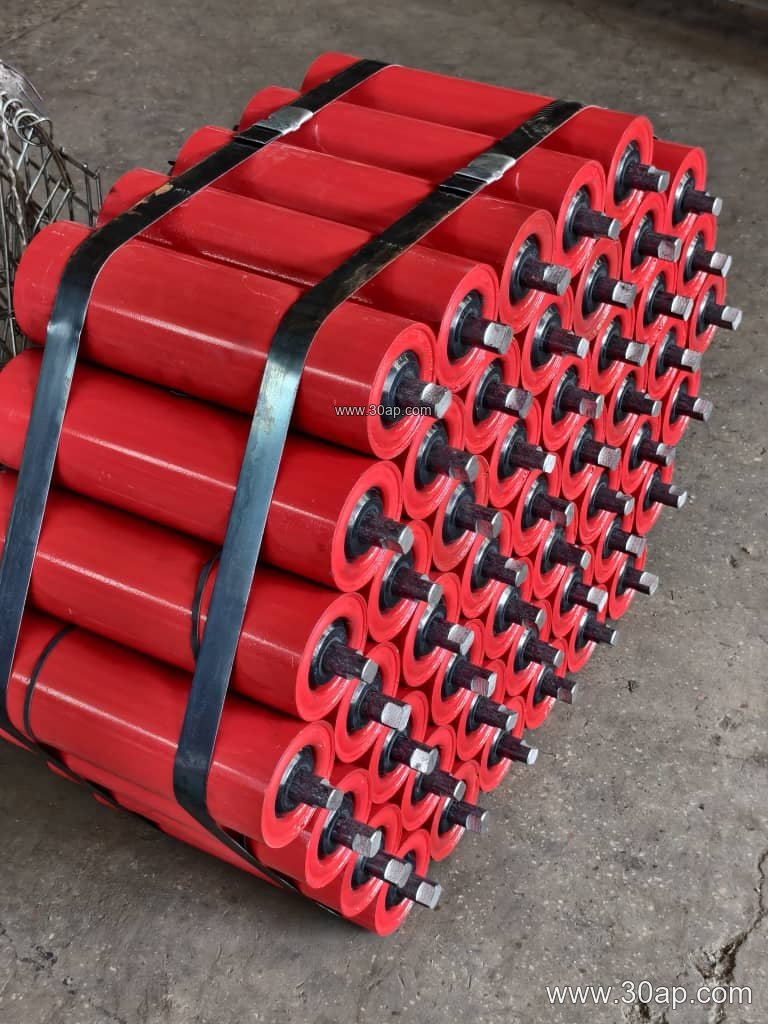
Buyers should match the idler to the belt width and the expected load. For a 800mm wide EP conveyor belt or a 1000mm wide steel cord conveyor belt, the idler frame and roller length must be sized to suit the trough angle and belt sag. Common belt widths in mining and aggregate applications range from B650 to B1800, and the idler roller length for a three-roll trough set might be around 250 mm for B650 and 530 mm for B1400, but these are typical examples only and should be confirmed with the conveyor designer. The idler should be selected with sealed bearings to resist dust and moisture, especially in washdown areas or underground mining conveyor belts. Regular inspection of the pivot mechanism and roller rotation is important; a seized bearing or a bent frame will reduce the self-aligning effect and may itself cause misalignment. Lubrication requirements vary by bearing type, and many modern units use lifetime-sealed bearings that need no greasing. When replacing an idler, always verify the mounting dimensions and the belt direction to ensure the corrective action works as intended.
Industry Applications and Practical Notes
From aggregate conveyor belts in quarries to heat resistant conveyor belts in foundries, the anti-misalignment idler supports reliable operation by protecting the belt edges and reducing downtime. In a sand and gravel plant, a self-aligning return idler before the tail pulley can prevent the belt from rubbing against the structure. In a fertilizer or grain handling facility, a rubber-disc return idler may be paired with a training idler to handle sticky materials. The key is to use the right subtype for the location: a friction self-aligning idler for general tracking, a conical self-aligning idler where belt wander is severe, and a standard trough idler elsewhere. Remember that no single idler size or type is mandatory for every conveyor; the correct choice depends on belt width, speed, material, and the specific misalignment pattern observed. For more information on compatible conveyor components, visit our site at www.example.com/conveyor-idler or www.example.com/anti-misalignment-idler.