What a Heat Resistant Conveyor Belt Is
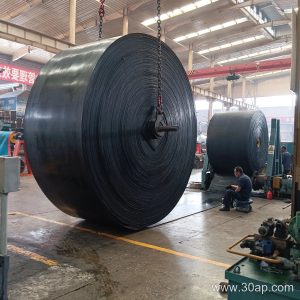
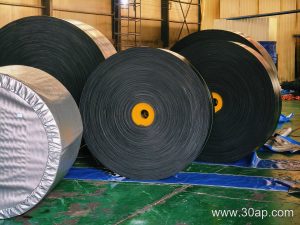
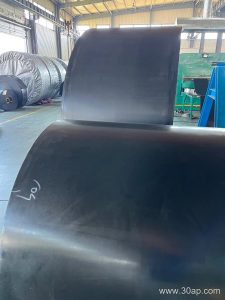
A Heat Resistant Conveyor Belt is a rubber conveyor belt built to carry hot bulk materials without the cover compound breaking down too quickly. Standard rubber belts soften, crack, or harden when they meet clinker, sinter, cement, ash, or hot castings. A heat resistant belt uses a cover compound and a carcass construction chosen to tolerate those temperatures while keeping the belt tracking on the conveyor frame.
In industrial writing this product is also called a high temperature conveyor belt. Both names describe the same item. The belt remains a fabric or steel cord conveyor belt at heart; the difference is in the rubber and the heat treatment of the carcass.
How the Belt Is Built
The construction follows the familiar layered pattern used across the conveyor belt family. A top cover faces the hot material, a bottom cover runs over the idler roller and conveyor pulley, and the carcass sits between them.
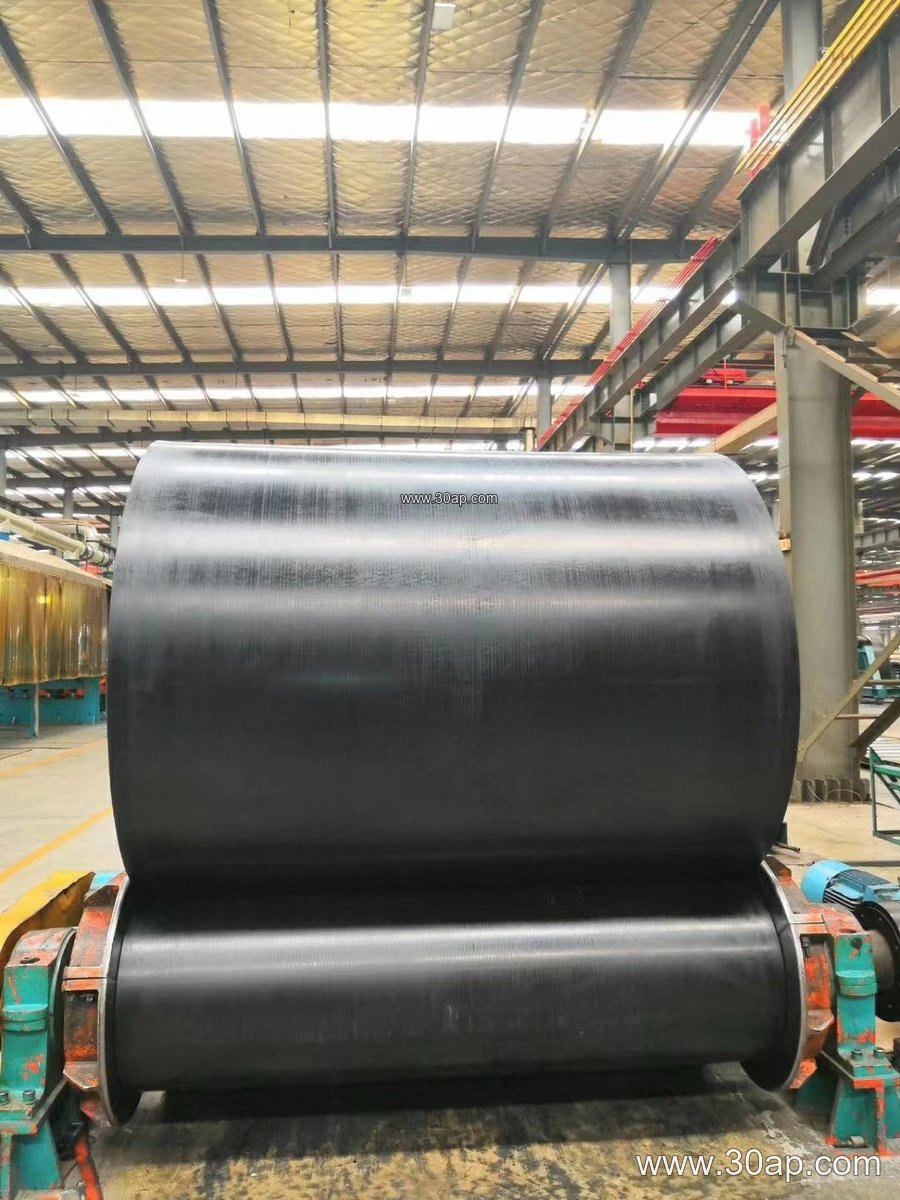
- Cover compound: usually a heat resistant rubber blend, often with EPDM or a specially formulated SBR, rated in the common 100 °C to 200 °C range depending on grade.
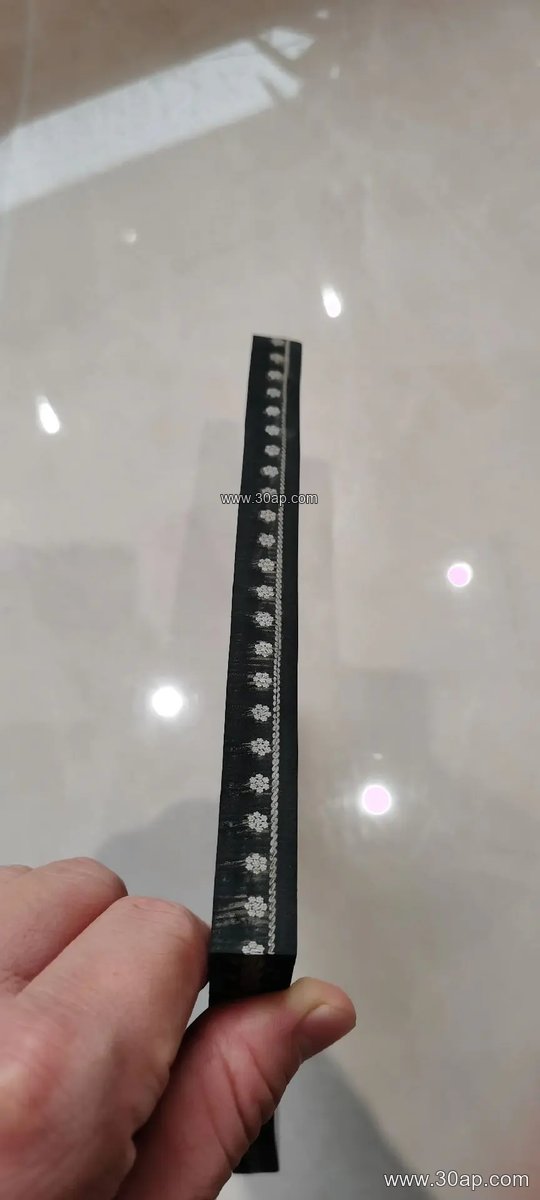
- Carcass: multi-ply fabric core, such as an EP conveyor belt or NN conveyor belt, or steel cord for long, heavy runs.
- Edges: cut or moulded, sometimes with a breaker fabric to resist heat cracking at the sides.
Heat passes through the cover into the carcass, so the cover thickness and the ply adhesion matter as much as the compound itself. A thin cover heats the fabric faster; a heavier cover buys time but adds weight.
Typical Specifications
Values below are common reference data. Actual figures are set by the design and by each manufacturer.
| Parameter | Common Range |
|---|---|
| Belt width | B500, B650, B800, B1000, B1200, B1400, B1600, B1800 |
| Fabric strength (EP) | EP200, EP315, EP400, EP630, EP800, EP1000, EP1250 |
| Fabric strength (NN) | NN100, NN200, NN300, NN400 |
| Steel cord class | ST1000, ST1250, ST1600, ST2000 |
| Cover thickness | 4+2 mm, 5+2 mm, 6+2 mm, 8+3 mm |
| Ply count | 2 to 6 layers |
These values are not a fixed match table. A 1200 mm belt may run on different pulley diameters depending on the conveyor design, and shaft size is never derived from width alone.
Where It Works
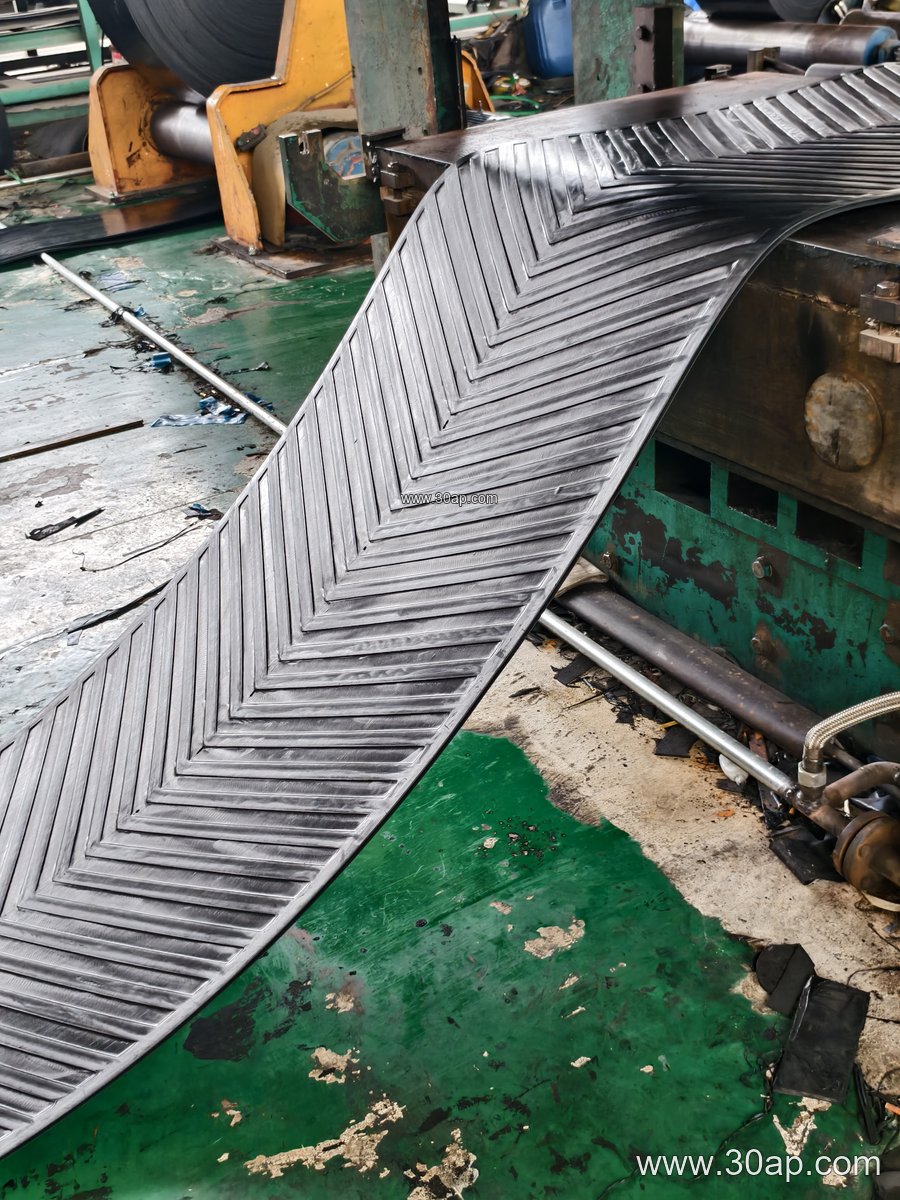
The belt appears wherever hot material leaves a kiln, furnace, or cooler. Common settings include:
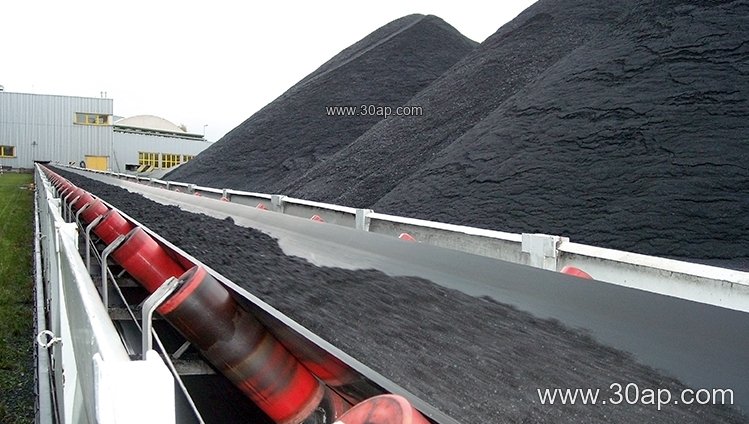
- Cement plants moving clinker from the cooler to storage.
- Power plants handling hot ash and bottom ash.
- Steel plants carrying sinter, coke, or hot briquettes.
- Foundries and mineral processing lines with hot ore or slag.
- Some quarry and sand making plant lines where dry, sun-heated aggregate runs hot.
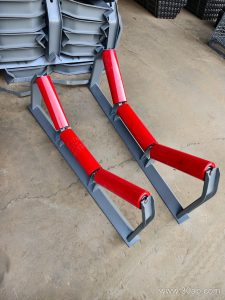
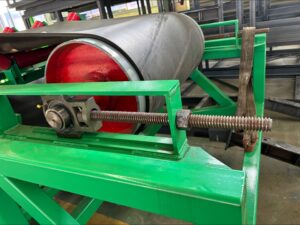
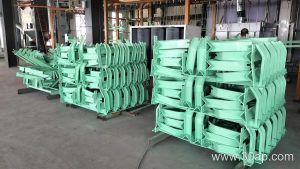
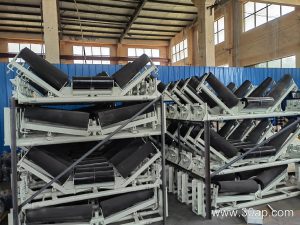
In these lines the belt works alongside conveyor pulley, idler roller, and conveyor bracket assemblies. The pulley and idlers are not the heat source, but they influence how the belt sits and wears.
Buyer Checklist
Before ordering, confirm the following:
- Material temperature: continuous and peak. A belt rated for 120 °C may handle short excursions higher, but not sustained peaks.
- Material type: clinker is abrasive as well as hot, so an abrasion resistant conveyor belt cover may be needed in combination with heat resistance.
- Carcass choice: short transfers often suit an EP conveyor belt or NN conveyor belt; long, high-tension lines may call for a steel cord conveyor belt.
- Environment: in coal mining or underground coal mining, flame retardant and anti-static properties may also be required on top of heat resistance.
- Belt width and speed: match the belt to the existing frame, trough angle, and pulley dimensions rather than assuming a standard size.
Ask for the cover compound grade and the recommended maximum continuous temperature in writing. Compare that figure with the measured temperature at the loading point, not the furnace temperature.
Care and Installation Notes
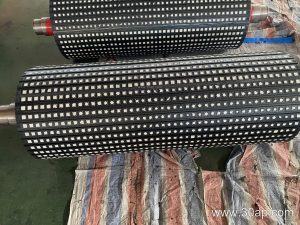
Heat damage often starts at the load point. Use a feed chute that spreads material rather than dropping it in one spot, and keep the belt moving at a steady speed. Check the conveyor pulley lagging and idler roller alignment so the belt does not rub and generate extra heat. Inspect the cover for hardening, small cracks, and edge separation, since these are early signs that the compound is aging.
Store spare belts away from direct sunlight and heat sources, and avoid sharp bends during installation. A correctly selected heat resistant belt, matched to the material temperature and the conveyor layout, gives longer service than a general purpose belt pressed into hot duty.