What a Rock Conveyor Belt Is
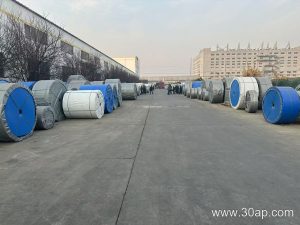
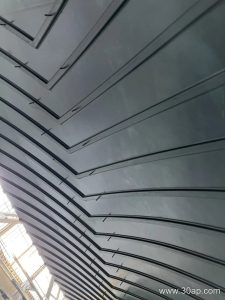
A rock conveyor belt is a heavy-duty rubber belt designed to move crushed stone, ore, aggregate, and other abrasive bulk materials along a conveyor system. It serves as the carrying surface in quarries, mines, cement plants, and power stations, where sharp-edged rock and continuous impact demand a robust construction. This belt is often referred to as a mining conveyor belt or crusher conveyor belt when used in primary crushing circuits. Its core function is to transport rock efficiently while resisting cutting, gouging, and wear.
Construction and Key Components
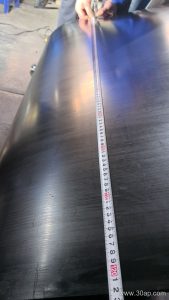
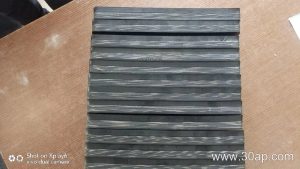
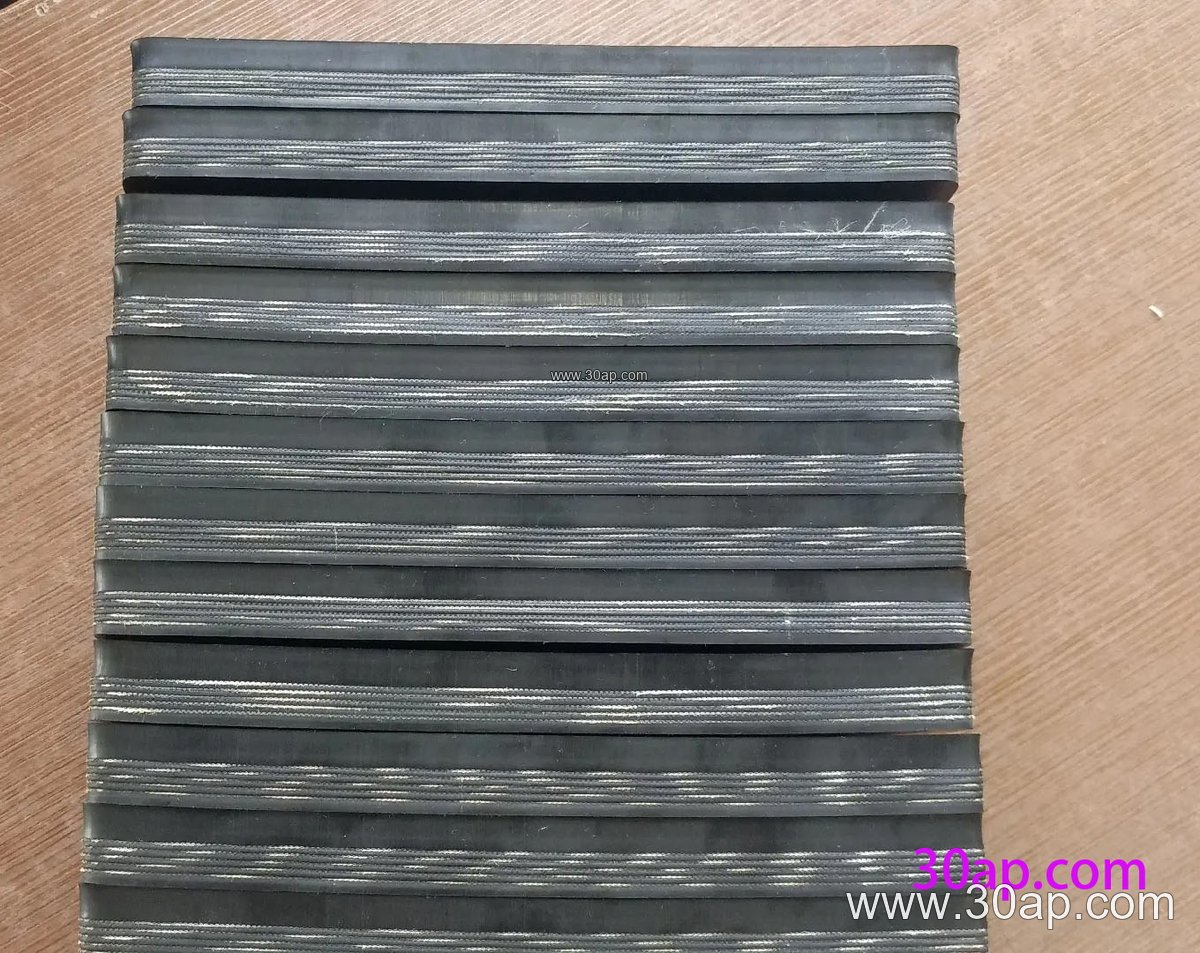
The belt typically consists of a rubber cover, a fabric or steel cord carcass, and optional features such as chevron ribs or sidewalls. The carcass provides tensile strength and load support. Common carcass types include EP (polyester-cotton) and NN (nylon-nylon) fabric cores, as well as steel cord cores for high tension applications. The cover rubber is formulated for abrasion resistance, and may also be heat resistant, oil resistant, or flame retardant depending on the environment. A rock conveyor belt often uses a multi-ply fabric core or steel cord core to handle heavy loads and long distances.
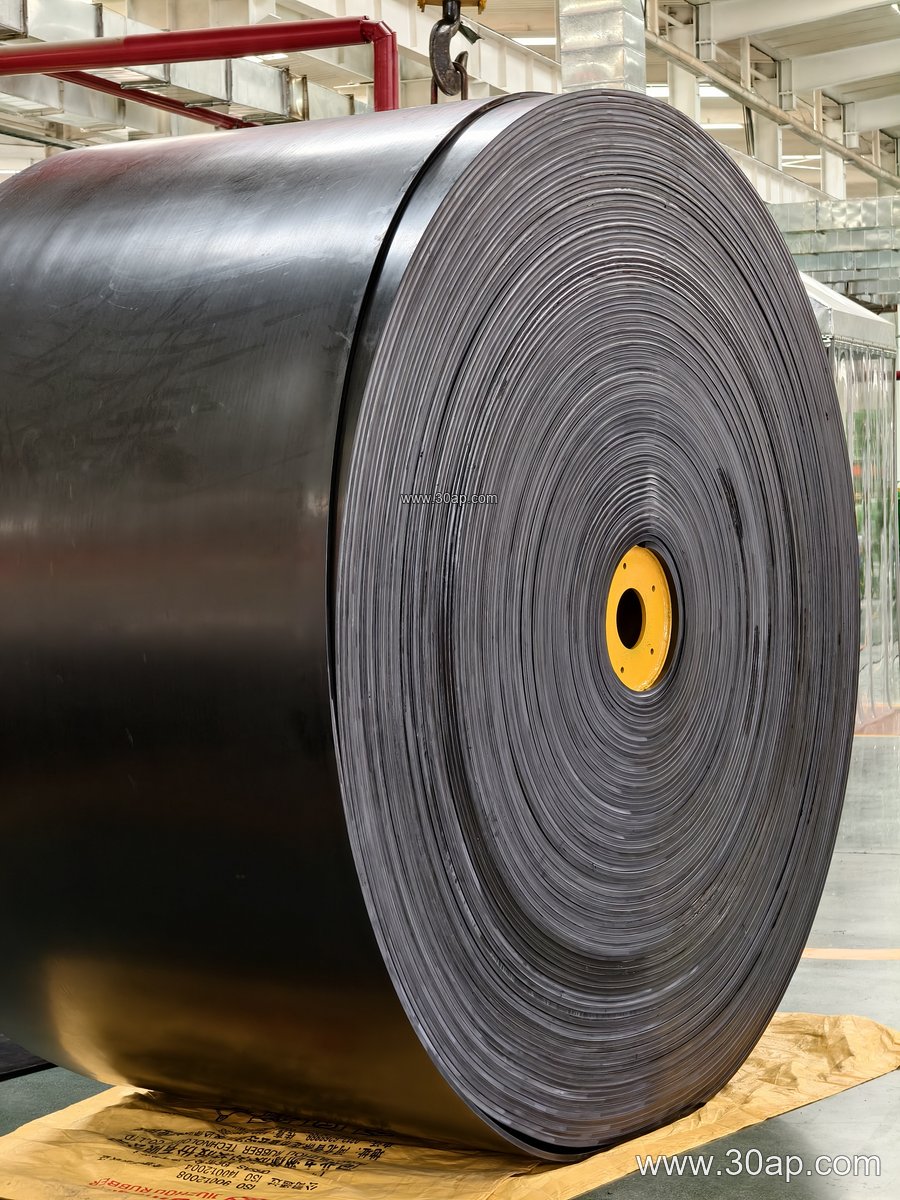
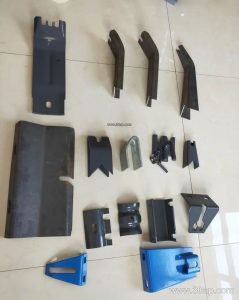
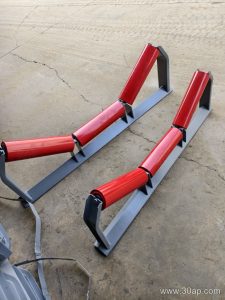
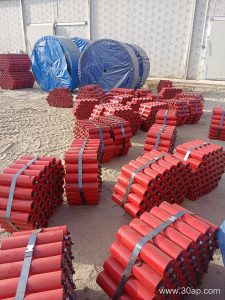
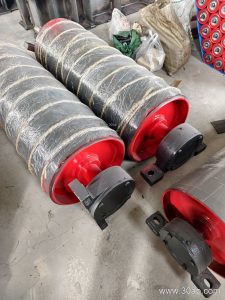
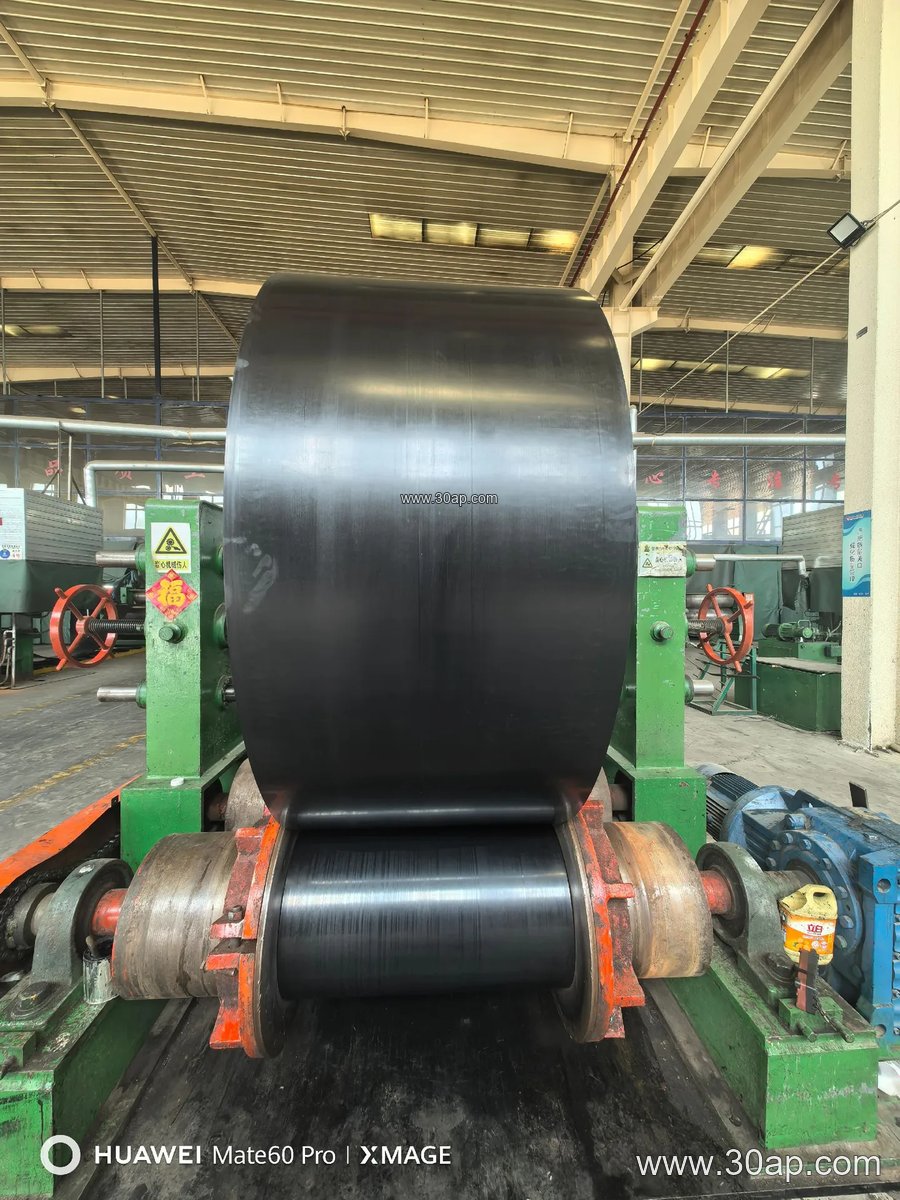
In a typical conveyor system, the belt runs over idler rollers, driven by a head pulley and returning via a tail pulley. Bend pulleys and take-up pulleys maintain tension. Conveyor brackets support the idlers and pulleys. While these components are essential, the belt itself must be matched to the pulley diameters and idler spacing to avoid excessive stress.
Common Specifications
Rock conveyor belts are available in various strength classes and widths. The table below lists typical reference values; actual selection depends on the system design and material characteristics.
| Parameter | Typical Range |
|---|---|
| Belt width | B500, B650, B800, B1000, B1200, B1400, B1600, B1800, B2000 |
| Strength class (EP) | EP200, EP315, EP400, EP500, EP630, EP800, EP1000, EP1250, EP1600, EP2000 |
| Cover thickness | 3+1.5 mm, 4+2 mm, 5+2 mm, 6+2 mm, 8+3 mm |
| Carcass layers | 2 to 6 plies (fabric core) |
These values are indicative and should be confirmed with the belt manufacturer for each project. Steel cord belts are specified by ST ratings such as ST1000, ST1250, ST1600, ST2000, ST2500, and ST3150. For underground coal mining, PVG conveyor belts (e.g., PVG800, PVG800S) are often used where flame retardancy and anti-static properties are required.
Where Rock Conveyor Belts Are Used
These belts are found in abrasive and high-impact applications across many industries:
- Quarries and aggregate plants: transporting crushed stone, gravel, and sand.
- Mining operations: hauling ore, coal, and waste rock in surface and underground mines.
- Cement plants: moving limestone, clinker, and additives.
- Power stations: handling coal and ash.
- Steel plants: conveying iron ore, coke, and slag.
- Ports and ship loading facilities: bulk material transfer.
In these settings, a rock conveyor belt may be paired with impact idlers at loading points and transition idlers to support the belt smoothly. The belt’s cover grade is selected to resist abrasion, heat, oil, or flames as needed. For example, a high abrasion resistant conveyor belt is common in quarry and crusher circuits, while a heat resistant conveyor belt suits cement or clinker handling.
Selection and Maintenance Tips
Choosing the right rock conveyor belt involves evaluating the material size, throughput, incline, and environmental conditions. Key factors include:
- Maximum lump size and impact energy at transfer points.
- Belt width and speed to match capacity without spillage.
- Tension rating based on conveyor length and incline.
- Cover compound for abrasion, heat, oil, or fire resistance.
- Compatibility with pulley diameters and idler roller spacing to avoid excessive bending stress.
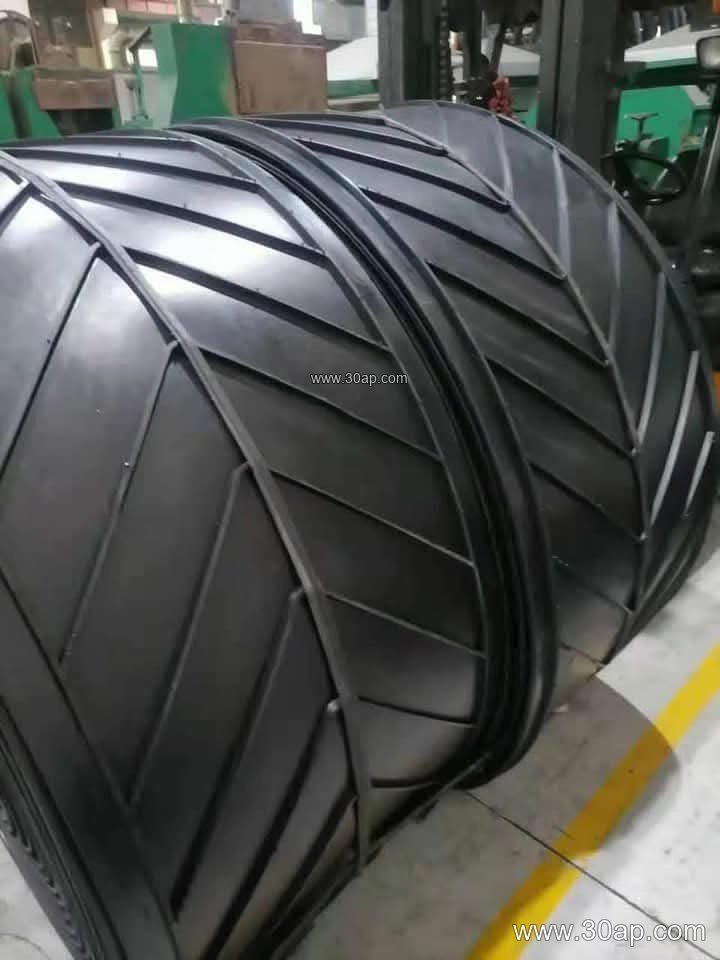
Proper maintenance extends belt life. Regularly inspect for cover wear, edge damage, and splice integrity. Keep idler rollers turning freely and align pulleys to prevent mistracking. Avoid overloading and ensure the belt is not misaligned with the conveyor bracket structure. For extreme conditions, consider chevron conveyor belt or corrugated sidewall conveyor belt designs to prevent material rollback on inclines.
When specifying a rock conveyor belt, consult the conveyor designer and belt supplier to match the belt to the system. A belt that is too stiff for the pulley diameters may crack, while an underspecified belt may fail prematurely. With the right selection and care, a rock conveyor belt delivers reliable service in the toughest bulk handling environments.