What a Rubber Ring Impact Idler Does
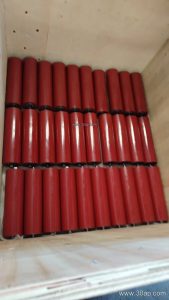
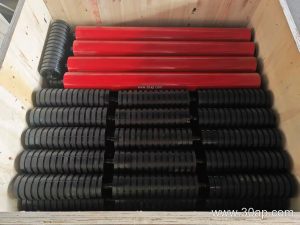
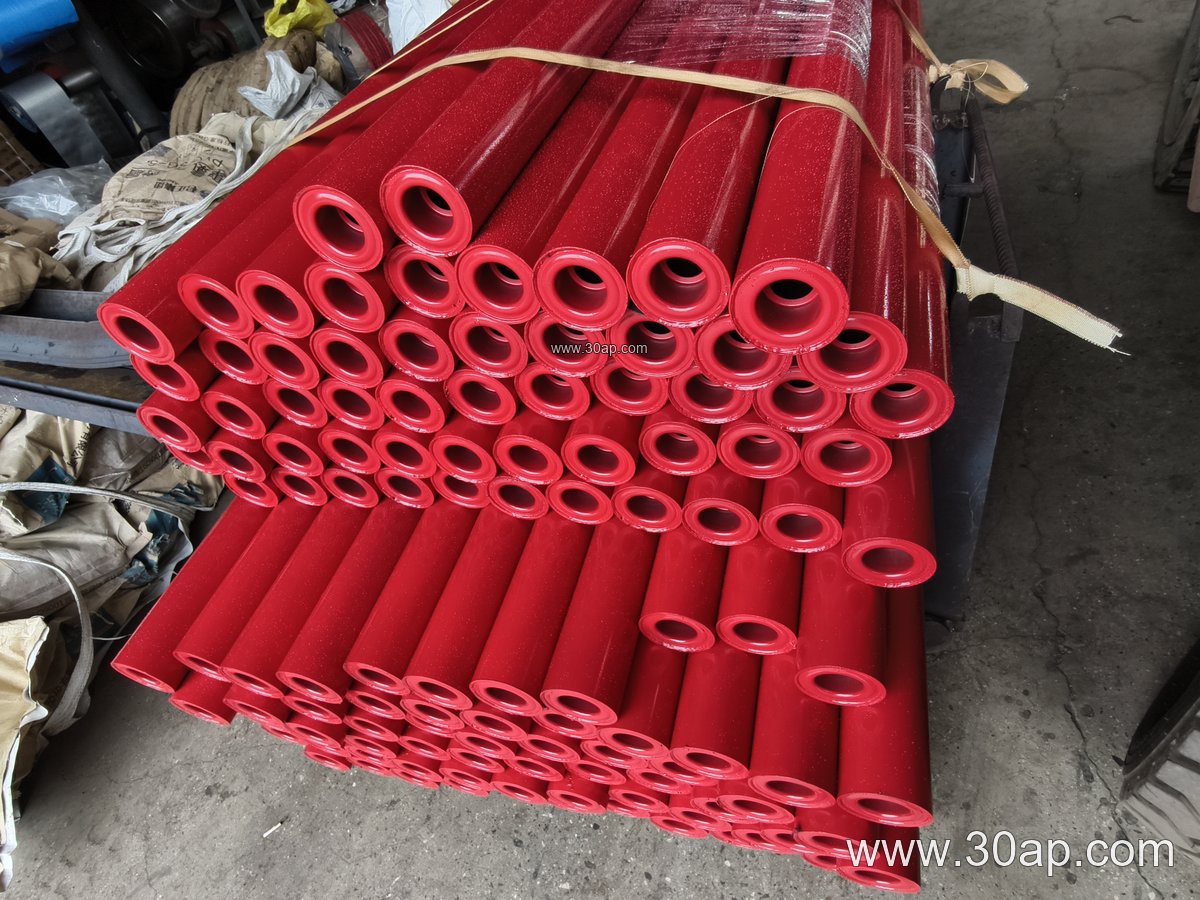
A Rubber Ring Impact Idler is a load-zone support roller built to absorb the energy of falling material. Instead of a plain steel shell, the roller carries a series of flexible rubber rings or discs along its shaft. When mined rock, crushed stone, or clinker drops onto the belt, the rubber rings compress and spread the force, so the belt surface is not hammered against a rigid steel tube. This is the same product often shortened to rubber ring buffer idler, and both names describe the same component.
The job is narrow but important. Impact idlers sit under the loading point of a conveyor belt, where the material stream first touches the belt. In a quarry, that may be below a primary crusher discharge; in a coal handling system, it may be under a transfer chute. A few impact stations placed correctly can extend belt life far more than adding ordinary carrying idlers.
How the Rubber Ring Idler Is Built
The basic frame is similar to a three-roll troughing set, but the rolls are fitted with rubber rings rather than a bare steel surface. A typical assembly includes:
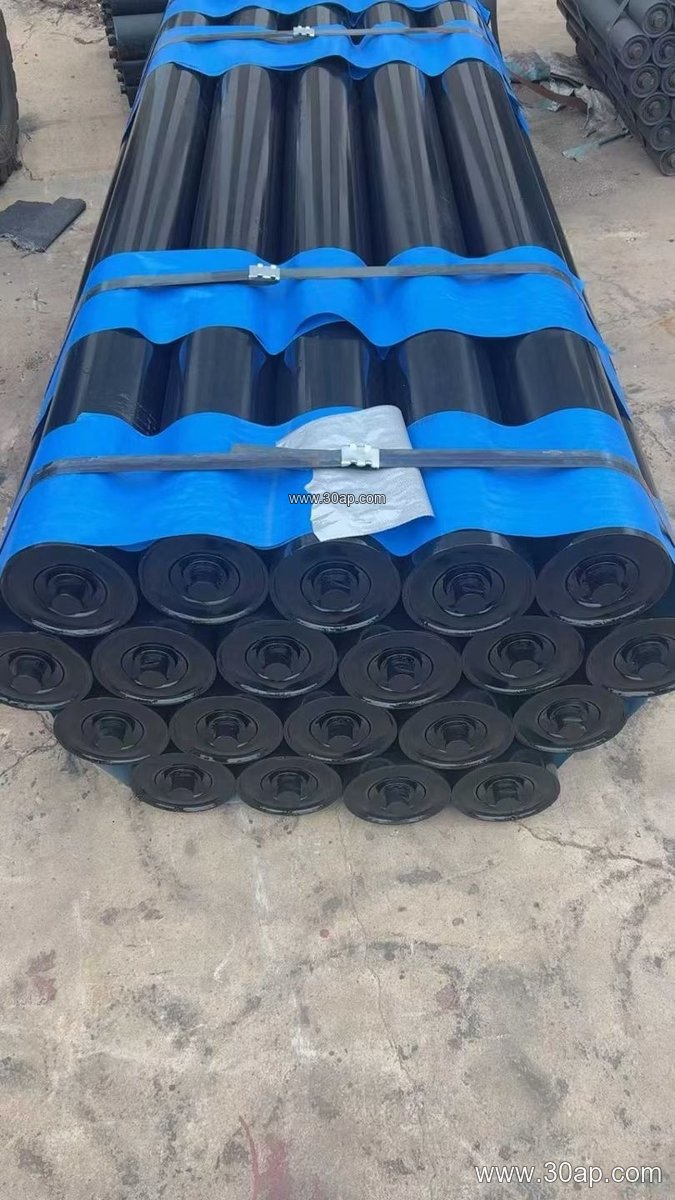
- A steel shaft with sealed bearing housings at each end
- Rubber rings pressed or bonded onto a steel core
- End caps and a labyrinth or lip seal to keep out dust and water
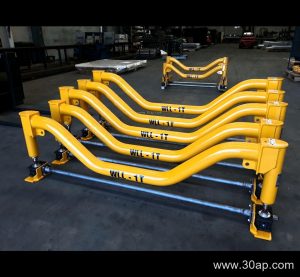
- A bracket or frame that matches the conveyor’s trough angle
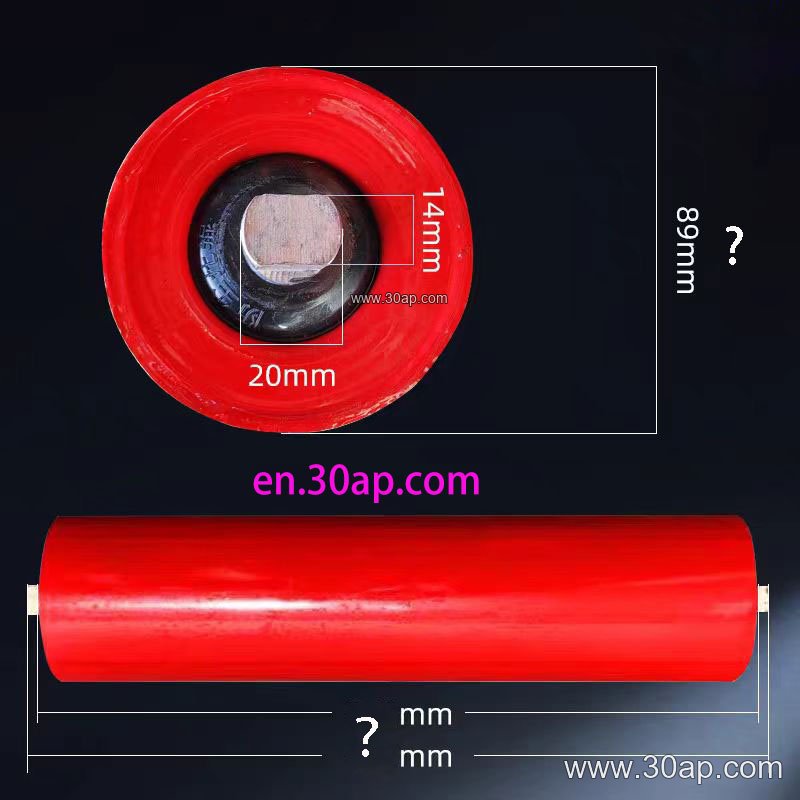
Common roll diameters for this type are Ø89, Ø108, Ø127, Ø133, Ø159 and Ø178 mm, with larger sizes used on heavy-duty mining conveyors. Bearing sizes such as 6205, 6305, 6308 and 6310 appear across the range, but the bearing is chosen by load and shaft design, not by roll diameter alone. Ring hardness and spacing also vary; softer rings cushion more, while harder rings resist wear in abrasive service.
Where It Fits on the Conveyor
Impact idlers are usually installed in a group of two to five stations immediately after the loading chute. The first station takes the heaviest blow, so it often uses the thickest rings. Further downstream, standard troughing idlers take over. In a sand and gravel line, a rubber ring impact idler may be followed by a three-roll troughing set with 35-degree trough angle; in a cement plant, the same arrangement may sit under a clinker transfer point.
Because the rings flex, they also help center the belt at the load point and reduce spillage. They are not a substitute for training idlers, and they are not used on the return strand, where a flat or V-return idler does the work. A conveyor pulley at the drive or tail end has a completely different function and cannot replace an impact station.
Choosing the Right Size and Arrangement
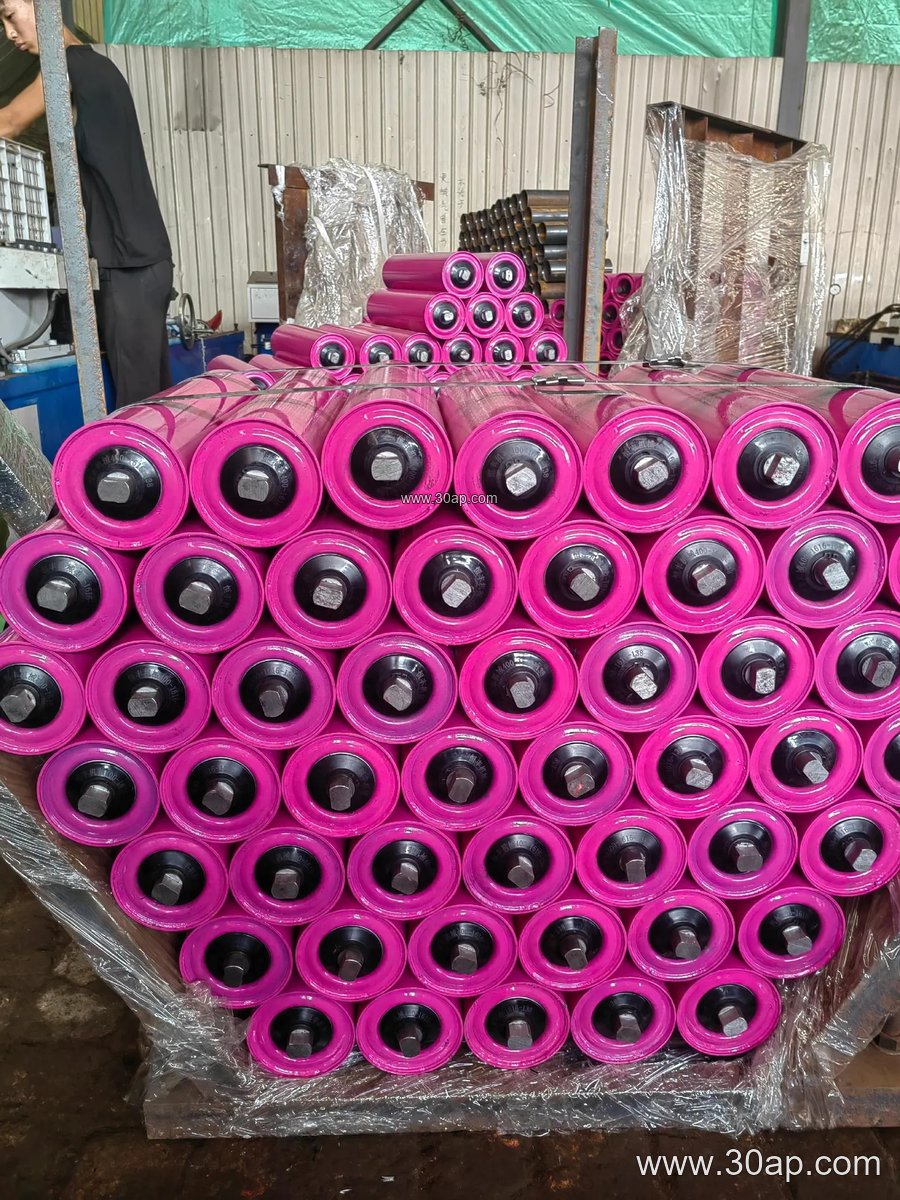
Selection starts with belt width and the size of the largest lump. A wider belt with a high drop height needs more impact capacity, so more stations or thicker rings may be specified. Roll length depends on belt width, trough angle and the number of rolls in the set. Typical reference values for three-roll troughing sets are shown below; side rolls and center rolls can differ, so these are examples rather than fixed rules.
| Belt width | Typical roll length (three-roll set) | Common trough angle |
|---|---|---|
| B500 | about 200 mm | 20–35 degrees |
| B650 | about 250 mm | 20–35 degrees |
| B800 | about 315 mm | 30–35 degrees |
| B1000 | about 380 mm | 30–35 degrees |
| B1200 | about 465 mm | 35–45 degrees |
| B1400 | about 530 mm | 35–45 degrees |
| B1600 | about 600 mm | 35–45 degrees |
| B1800 | about 670 mm | 35–45 degrees |
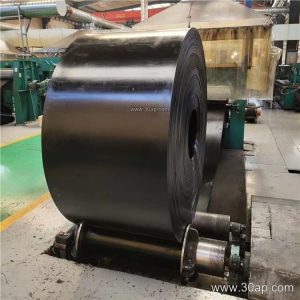
For a coal mining conveyor belt carrying large lumps, a 35-degree trough with Ø159 mm rubber ring rolls is common. On a smaller aggregate conveyor belt, Ø108 mm or Ø133 mm rolls with 30-degree troughing may be enough. The belt itself matters too: a heavy-duty mining conveyor belt with a thick cover tolerates impact better than a thin two-ply fabric core belt, but the idler still has to absorb the first shock.
Buyer Checklist
- Confirm belt width, trough angle and the number of rolls per set.
- State the maximum lump size and drop height at the loading point.
- Ask for ring hardness and ring thickness, since these control cushioning and wear life.
- Check seal type and bearing size for dusty or wet conditions.
- Match the bracket or frame to the existing conveyor bracket spacing.
Rubber ring impact idlers are a small part of a conveyor system, but they protect the most expensive item on it. For more on matching idlers with conveyor belt, conveyor pulley and conveyor bracket choices, the conveyor belt and idler roller pages at conveyoridler.com cover related components. A well-chosen impact station pays back through fewer belt repairs and less downtime at the transfer point.