What a Skirted Conveyor Belt Is
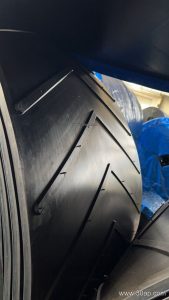
A skirted conveyor belt is a rubber conveyor belt fitted with raised flexible side walls, often called skirts, that run along both edges of the belt. These skirts contain material on the belt surface, so loose bulk cargo does not spill over the edges during loading, incline travel, or transfer points. The product is also known as a raised-edge belt or a belt with side skirts, and it is frequently chosen where a standard flat belt would shed material on a slope or at a fast feed point.
The skirts are usually bonded or vulcanized to the belt edges and are supported by the base belt, which carries the tensile load. Many designs combine the skirts with cross cleats to form pockets, but the skirt itself is the defining feature. A skirted conveyor belt should not be confused with a corrugated sidewall conveyor belt, which uses taller corrugated walls and cleats for steep inclines; the skirted version is generally lower in profile and suits gentler containment duties.
Construction and Materials
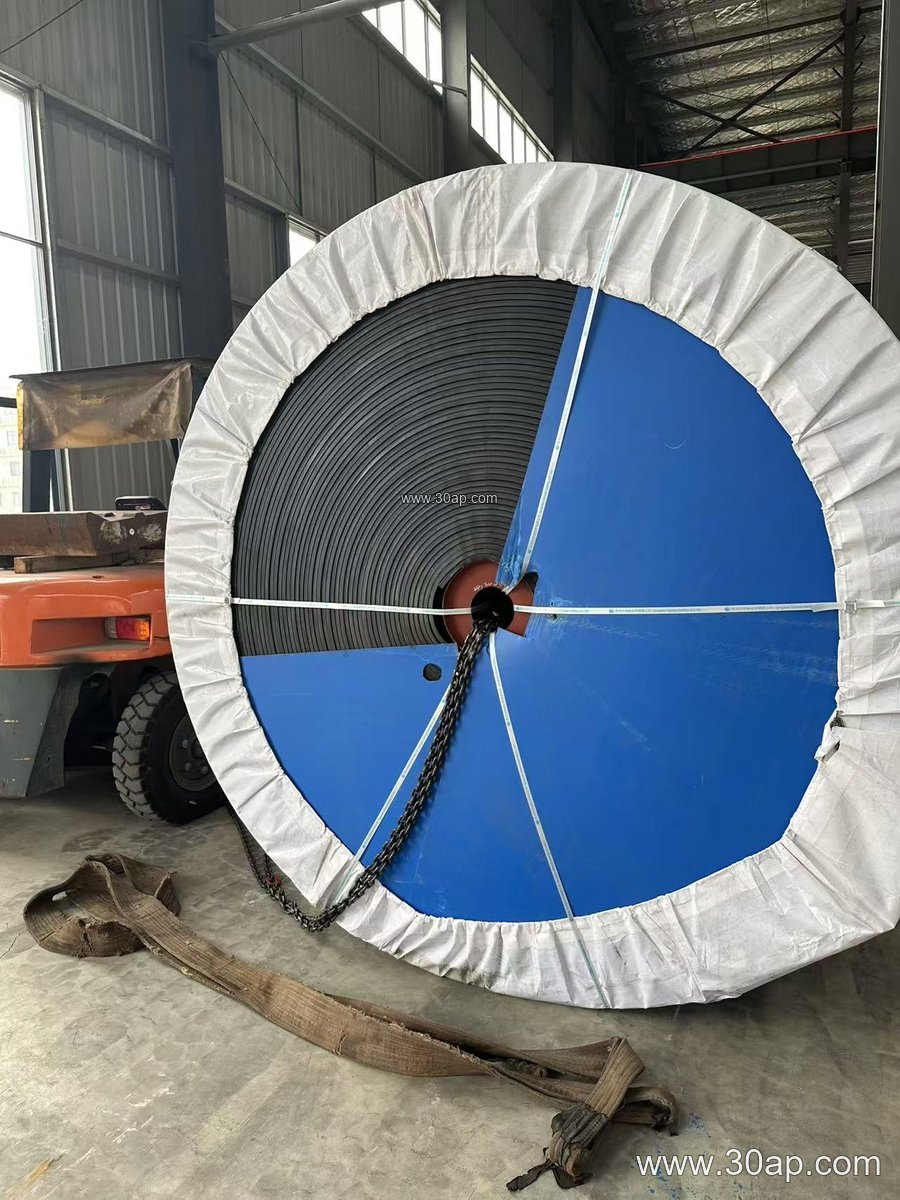
The base belt is commonly a multi-ply fabric core construction, with EP conveyor belt or NN conveyor belt carcass options. Heavier duties may call for a steel cord conveyor belt, while lighter or special environments may use PVC or PVG belting. The skirt is normally made of rubber or rubber-fabric composite and is attached at the edges; the joint quality matters because a poorly bonded skirt can peel under repeated flexing.
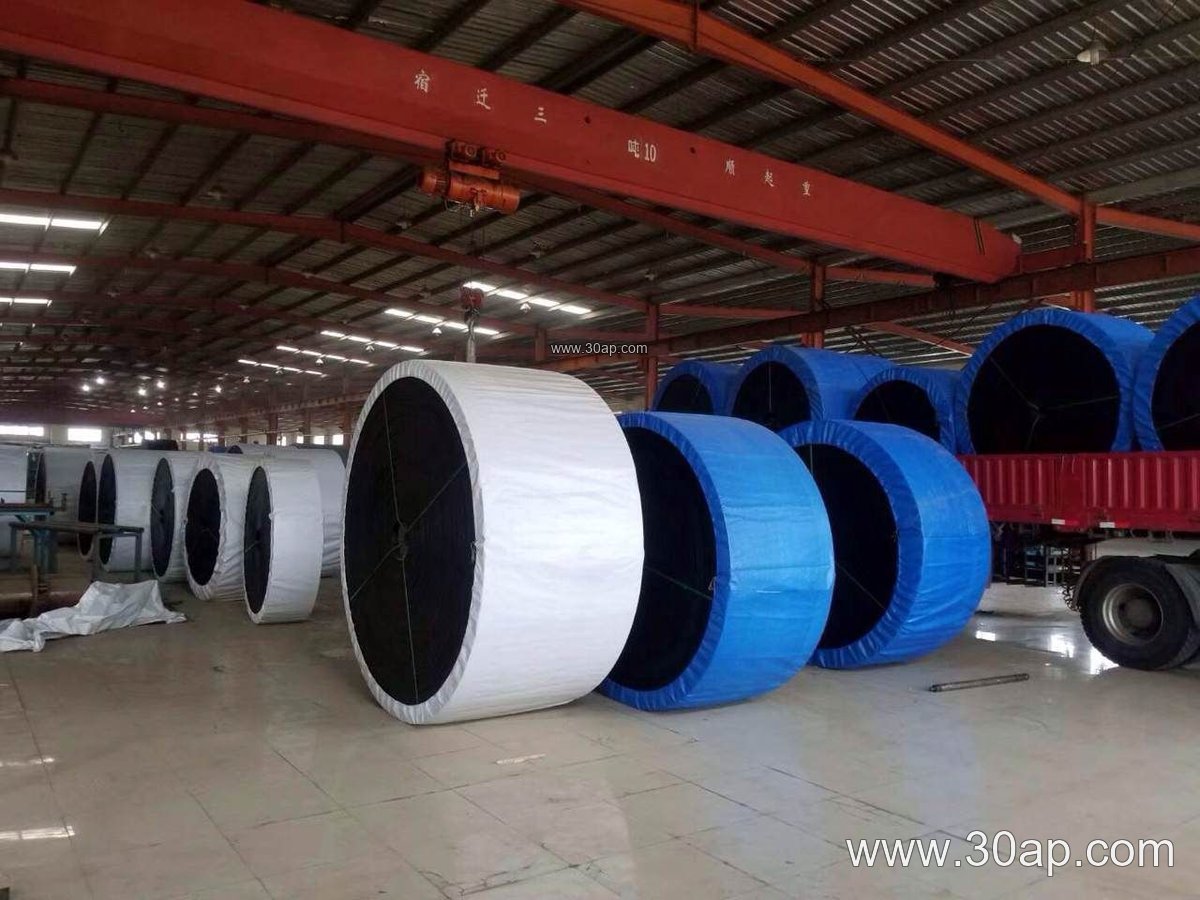
Cover compound selection depends on the cargo. Abrasion resistant conveyor belt grades suit sand, gravel, and crushed rock. Heat resistant conveyor belt compounds are used for clinker or hot ash, oil resistant conveyor belt grades for oily scrap or certain mineral feeds, and flame retardant conveyor belt or fire resistant conveyor belt grades where fire safety is a concern. Anti-static conveyor belt construction may be specified in dusty or hazardous atmospheres.
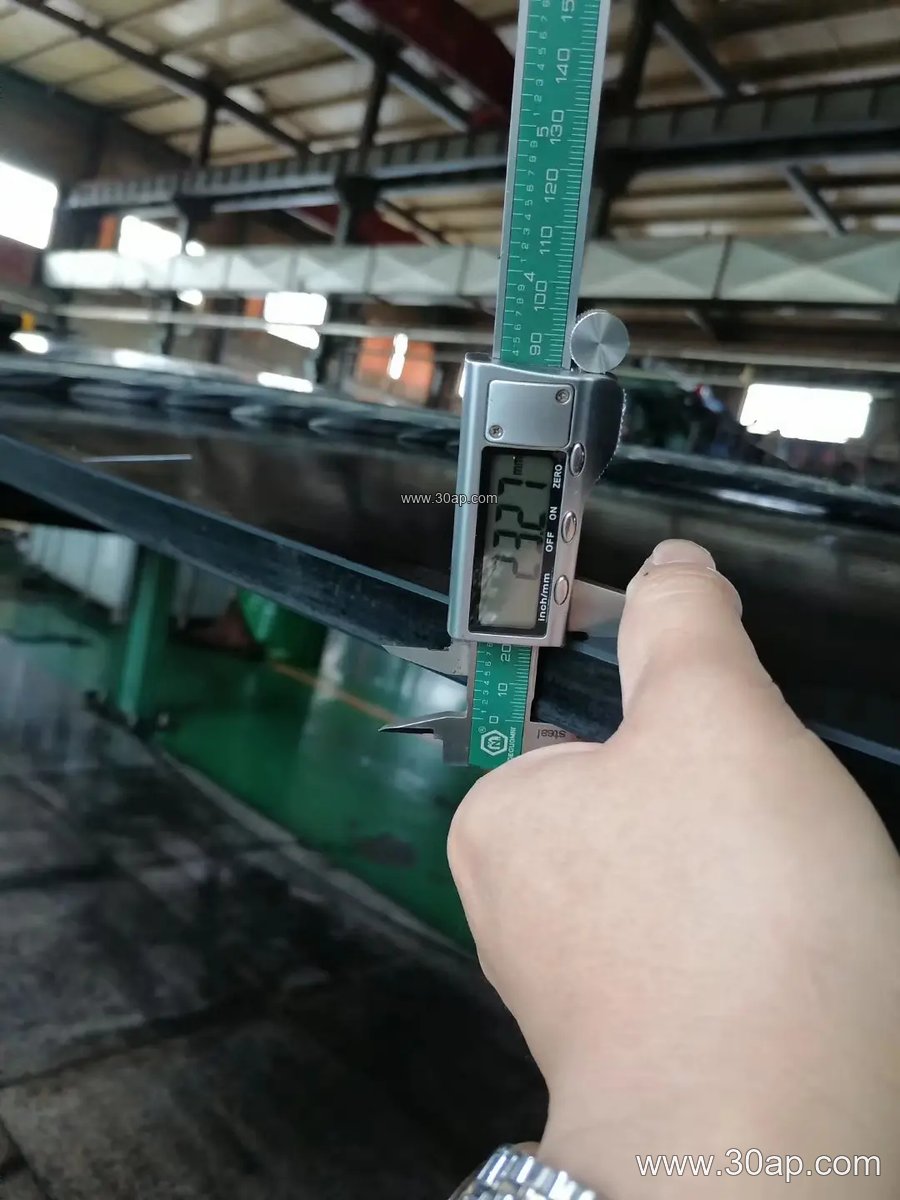
Typical Service Conditions
These belts appear in mining conveyor belt systems, quarry conveyor belt lines, aggregate conveyor belt plants, cement plant conveyor belt circuits, power plant conveyor belt fuel handling, and port conveyor belt loading arms. In a coal mining conveyor belt or underground mining conveyor belt, skirted belts help control dust and spillage at transfer chutes. In a crusher conveyor belt or stone crushing conveyor belt, they keep graded rock centered as it moves to screening.
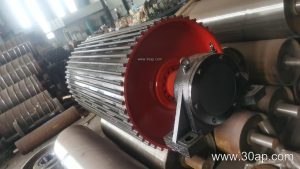
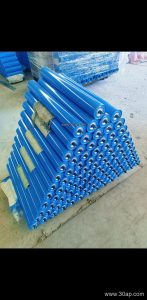
Containment is the main benefit. Spillage reduction lowers cleanup labor and can reduce wear on idler roller and conveyor pulley components below the belt. The skirt does add stiffness at the edges, so pulley diameters and transition distances should be reviewed with the belt supplier to avoid cracking or skirt separation.
Common Reference Dimensions
Widths and strengths vary by project. The values below are reference examples, not fixed pairings, and final selection depends on the conveyor design, cargo, and duty.
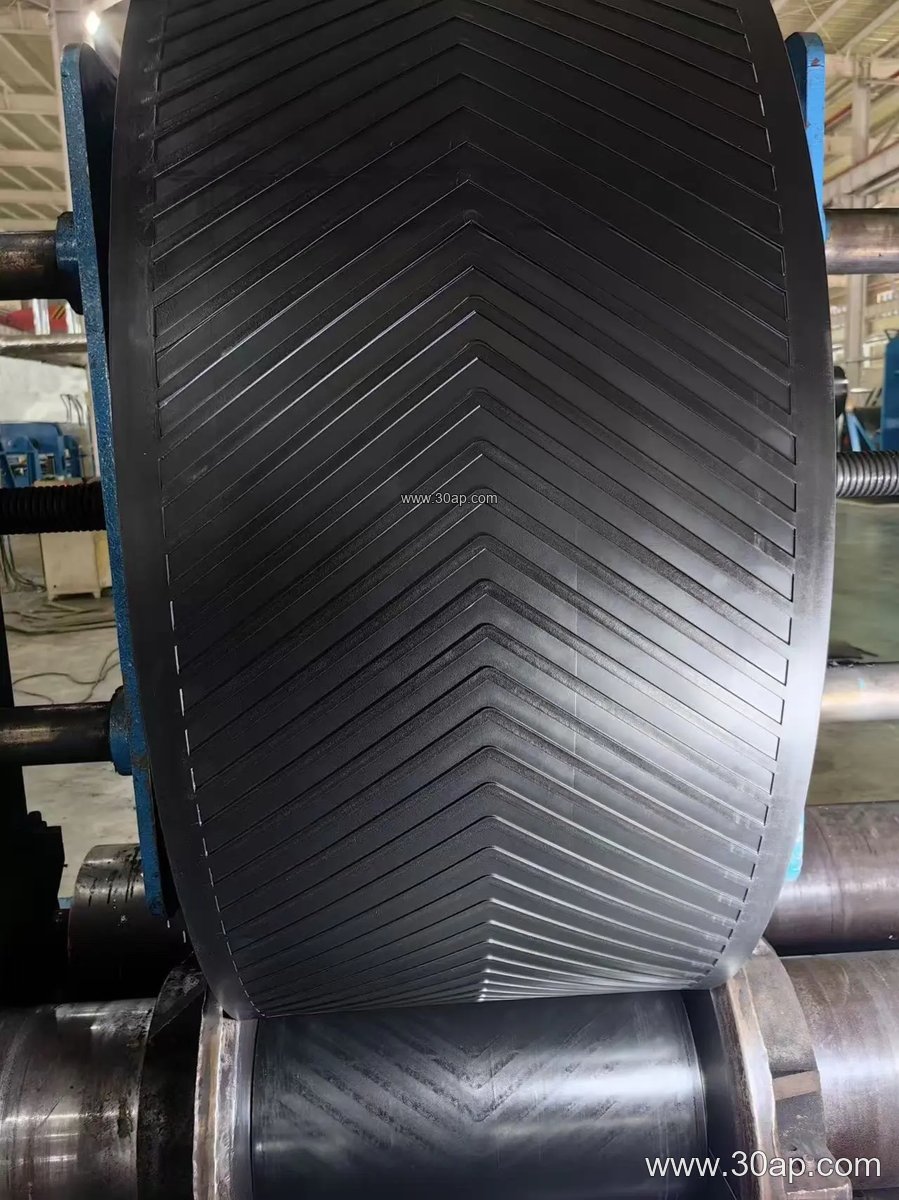
| Parameter | Common reference values |
|---|---|
| Belt width | B500, B650, B800, B1000, B1200, B1400, B1600, B1800, B2000 |
| Fabric core strength | EP200, EP315, EP400, EP500, EP630, EP800, EP1000, EP1250 |
| Cover thickness | 3+1.5 mm, 4+2 mm, 5+2 mm, 6+2 mm, 8+3 mm |
| Carcass plies | Usually 2 to 6 layers |
| Skirt height | Commonly 50 mm to 150 mm, per design |
A 1000mm or 1200mm belt with a moderate skirt is a frequent choice for aggregate and cement service, while wider 1400mm or 1600mm belts may be used in high-capacity mining and port systems. Skirt height, hardness, and profile should be matched to the material and the loading method.
Selection and Maintenance Notes
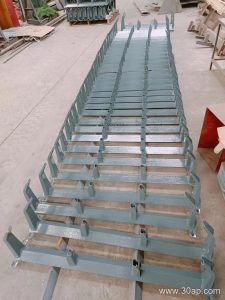
- Check that the skirt clears the conveyor bracket and frame at every point, especially at the tail and discharge.
- Confirm the belt can flex over the selected conveyor pulley without edge stress; skirted belts often need larger pulleys than flat belts.
- Review the loading chute so cargo lands inside the skirts, not on top of them.
- Inspect skirt bonding regularly and remove trapped material that can pry the skirt loose.
- Keep idler roller alignment and pulley condition in good order, since edge damage often starts with mistracking.
For any inquiry, state belt width, carcass type and strength, cover thickness, skirt height and profile, cargo type, and operating temperature. Buyers comparing a flat belt with a raised-edge design should also ask whether a corrugated sidewall conveyor belt is more suitable for their incline angle; if not, the skirted belt remains the practical containment solution. Explore product options at gdconveyorbelt.com and confirm dimensions with the manufacturer before ordering.