What a Conveyor Side Guide Roller Does
A conveyor side guide roller is a small-diameter idler mounted vertically along the edges of a conveyor belt, usually just ahead of a pulley or at a transfer point. Its job is to keep the belt centered and prevent edge damage when material loading or structure misalignment pushes the belt sideways. Unlike a standard carrying idler roller that supports the belt from below, this roller contacts the belt edge directly, so its mounting bracket and bearing seals must tolerate lateral force and fine dust. In a quarry or aggregate line, a pair of these rollers often sits just after the crusher discharge, where off-center lumps can shift the belt before it reaches the next pulley.
Construction and Common Configurations
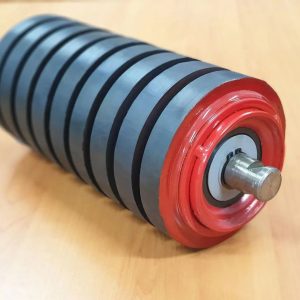
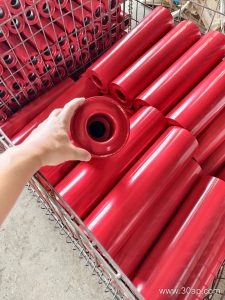
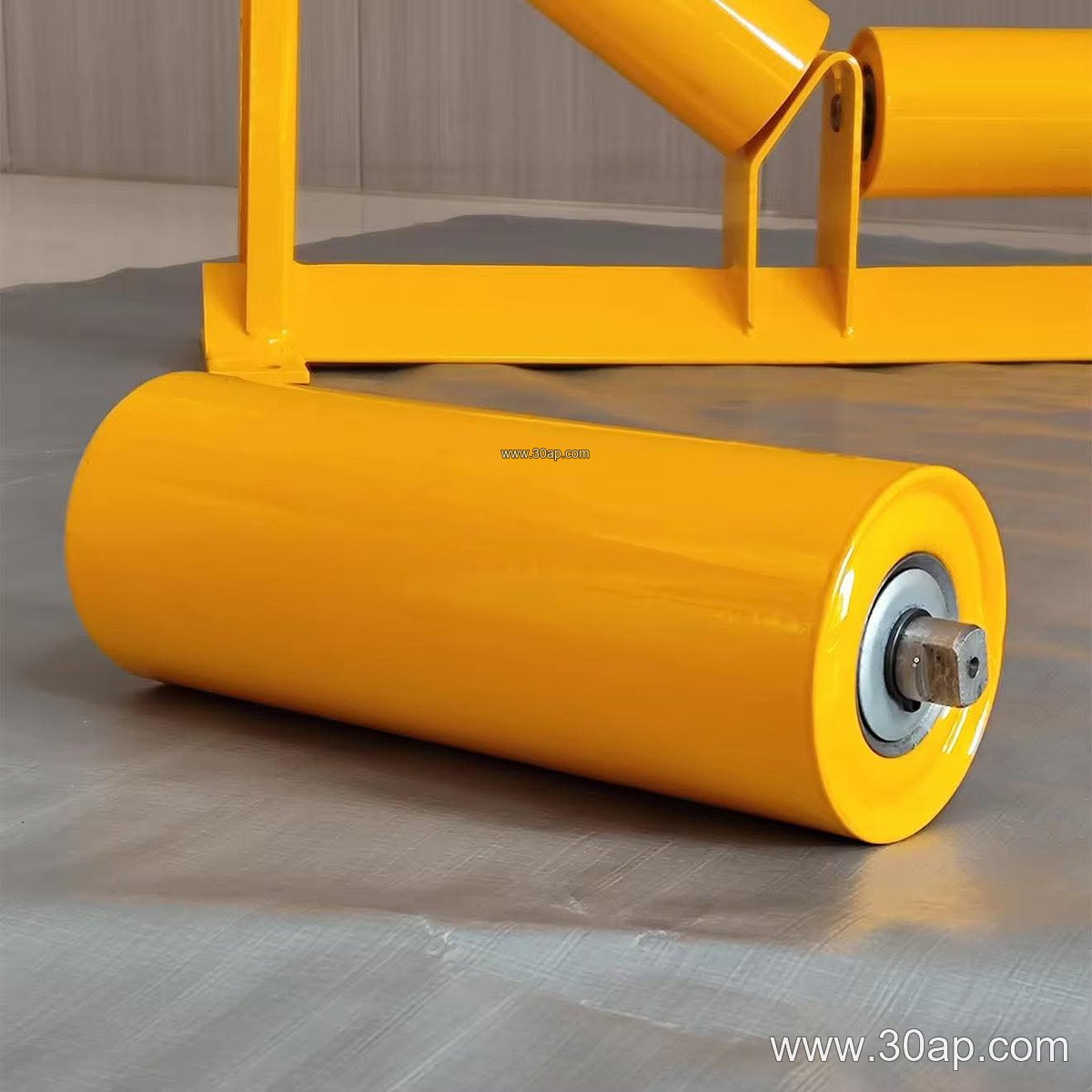
Most side guide rollers use a steel tube body with a pressed bearing housing and a sealed ball bearing. Common roller diameters for this role are Ø63, Ø76, and Ø89 mm, though larger sizes may appear on wide belts. The roller length is short, typically 100 to 200 mm, because it only needs to cover the belt edge zone. Surface options include plain steel, nylon, and rubber rings; a rubber-covered side roller can reduce belt edge wear in abrasive service such as a copper ore or iron ore transfer house.
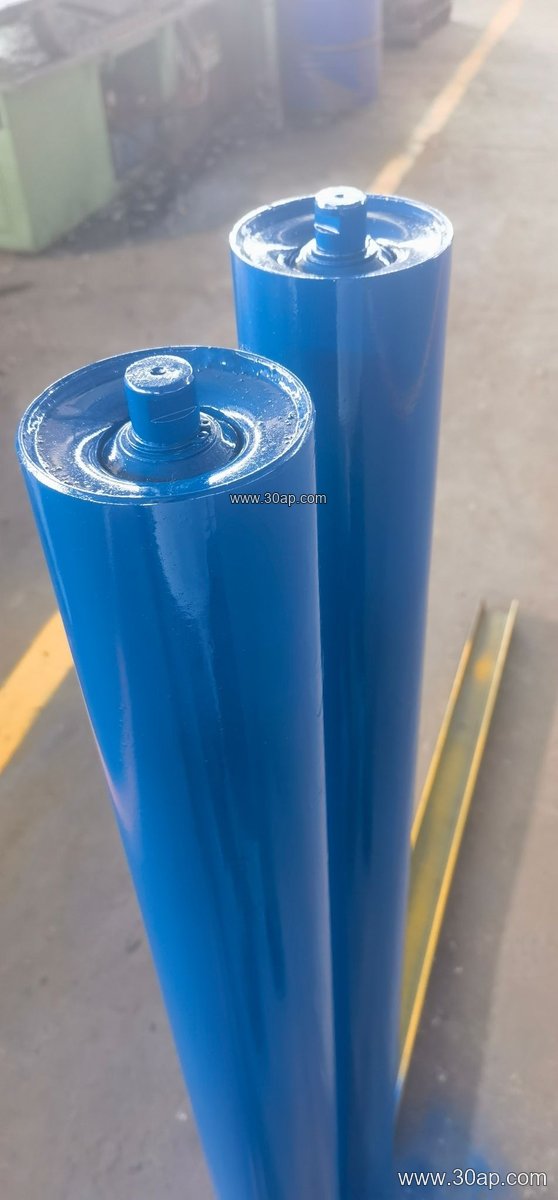
Bearings are usually 6204 or 6205 for these small rollers, with 6305 used when the roller is longer or the belt is heavy. The bracket is often an adjustable angle or square tube welded to the conveyor frame, allowing the roller to be set at the correct height and angle relative to the belt edge. A conveyor bracket for this duty should be rigid enough to resist vibration from a heavy-duty mining conveyor belt without loosening.
Where It Fits in a Belt Conveyor
Side guide rollers are common in bulk material handling where belts are wide and loads are uneven. You will see them in coal mining conveyor systems, cement plant clinker lines, power plant coal yards, and port ship loading conveyors. On a steel cord conveyor belt running at high tension, a side guide roller helps control edge wander that can otherwise lead to belt edge fraying. In a pipe conveyor belt or a corrugated sidewall conveyor belt, the guiding function is usually handled differently, so side rollers are less common there; they are most relevant to flat belts with free edges.
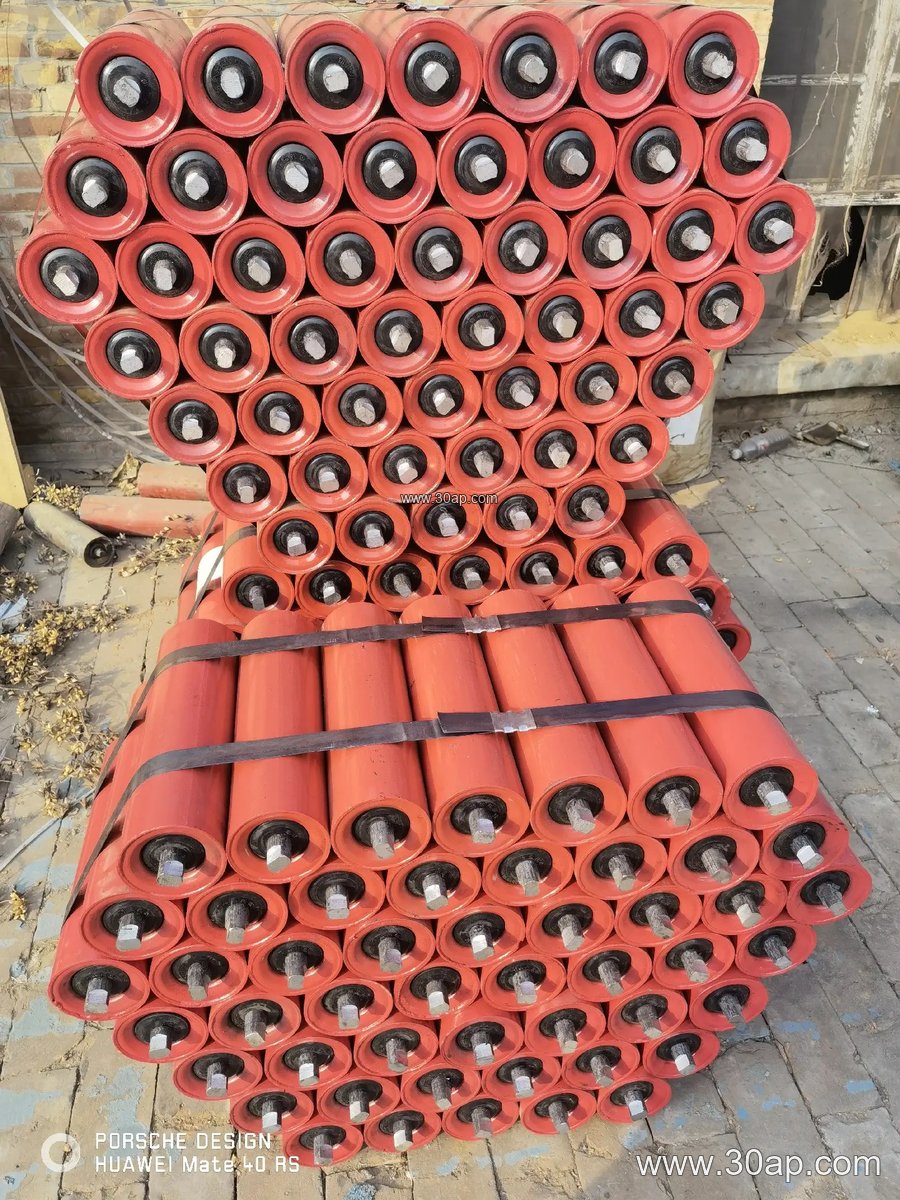
They also appear on the return side in some designs, but the more typical return support is a V-shaped return idler or a flat return roller. A side guide roller should not be confused with a training idler that steers the whole belt; it only guards the edge. For a belt with a chevron conveyor belt profile or a skirted conveyor belt, the side roller position must be checked so it does not rub the cleat or skirt rubber.
Selection Points for Buyers
When specifying a conveyor side guide roller, match the roller diameter and length to the belt width and the space available at the frame. The table below gives common reference values; actual dimensions are determined by the conveyor design, not by a fixed rule.
| Reference item | Common range or example | Note |
|---|---|---|
| Roller diameter | Ø63, Ø76, Ø89 mm | Larger sizes for heavy belts |
| Roller length | 100–200 mm | Depends on edge zone |
| Bearing | 6204, 6205, 6305 | Sealed for dusty service |
| Belt width example | B650, B800, B1000, B1200 | Roller position set by frame |
| Surface | Steel, nylon, rubber ring | Rubber for abrasive edge |
Check the shaft fixing method and the bracket adjustment range. A roller that cannot be adjusted will be difficult to align with the belt edge as the belt stretches or the frame settles. Also confirm the sealing arrangement: in a coal mining conveyor or a cement plant, fine dust and moisture can shorten bearing life if the seal is poor. The roller should turn freely by hand and show no axial play.
Maintenance and Field Notes
Inspect side guide rollers during routine idler checks. A seized roller will flat-spot the belt edge quickly, especially on an abrasion resistant conveyor belt running at speed. Replace any roller with a worn tire, a rough bearing, or a bent shaft. Keep the bracket bolts tight and recheck alignment after belt splicing or after a pulley change. On a long overland conveyor, a small misalignment at one side roller can show up as edge wear hundreds of meters downstream, so take the time to set the roller parallel to the belt travel direction.
For more information on matching rollers, belts, and frame components, see conveyor idler roller and conveyor bracket resources, and review EP conveyor belt and flame retardant conveyor belt options when the side guide roller is part of a new conveyor build.