What a Fixed Conveyor Bracket Does on a Belt Conveyor
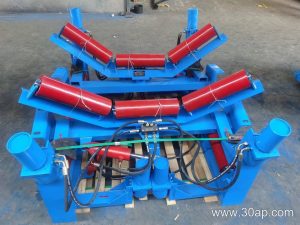
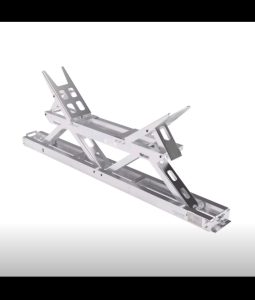
A fixed conveyor bracket is the stationary support that holds a group of idler rollers at a set position and profile along the carrying or return side of a conveyor. Unlike an adjustable bracket, it is not designed to be re-angled on the fly; its trough angle, mounting height and frame span are set at the factory or at installation. This makes it a simple, rigid and low-maintenance part of the idler frame system. In a quarry conveyor line or a power plant coal handling section, dozens of these brackets keep the conveyor belt sitting in the correct trough so material stays centered.
How the Bracket Is Built
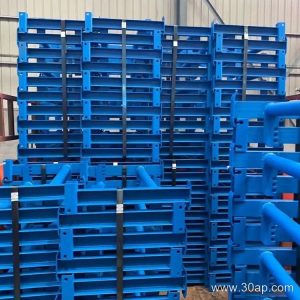
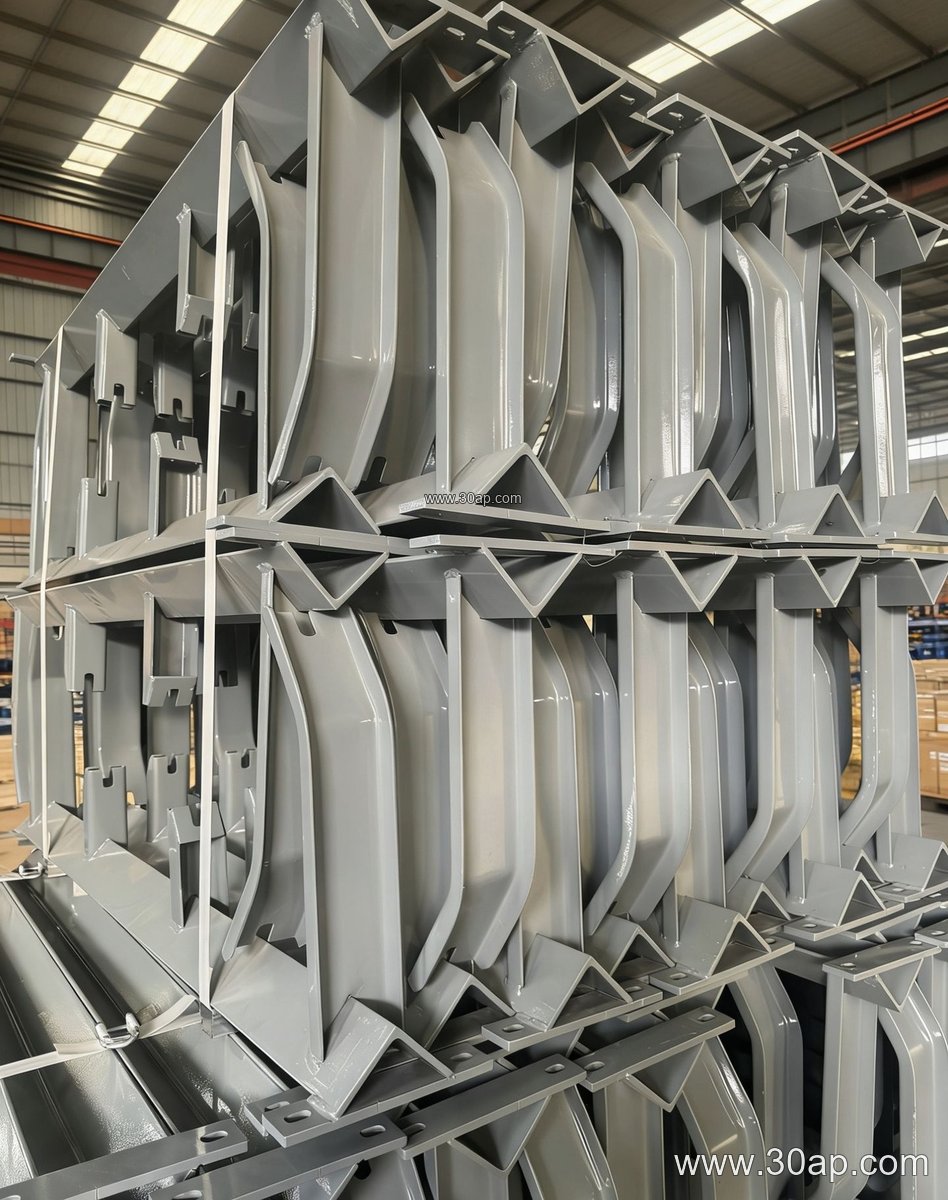
Most fixed brackets are fabricated from angle steel, channel steel or folded steel plate. The frame is drilled with mounting holes that match the idler shaft and the conveyor stringer. Because hole spacing and crossbeam length change with belt width and trough angle, a B800 frame and a B1400 frame are not interchangeable.
Common build details include:
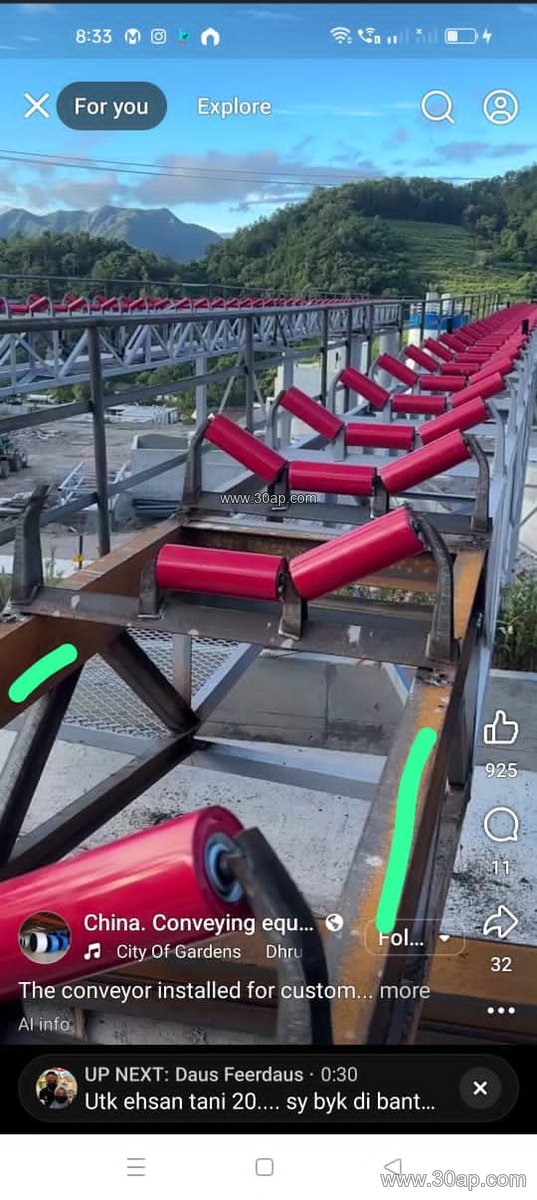
- Welded or bolted crossbeam with two or three idler seats
- Trough angles typically 20, 30, 35 or 45 degrees, fixed at fabrication
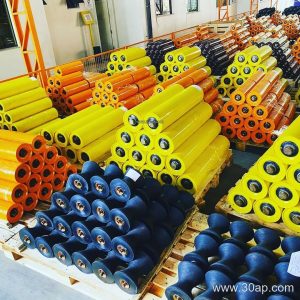
- Roller diameters that may be Ø89, Ø108, Ø133, Ø159 or Ø194
- Surface treatment such as painting or galvanizing for dust and moisture exposure
The bracket itself does not carry material; it transfers the load from the conveyor belt and idler roller through the frame to the conveyor structure. That is why frame stiffness and hole accuracy matter more than finish on heavy-duty lines.
Where Fixed Frames Fit in a Conveyor System
Fixed brackets appear in several positions. Upper trough brackets support the carrying run; return brackets and V-return brackets support the belt on its way back. Transition brackets near the head or tail pulley guide the belt from flat to troughed form. Impact brackets sit under loading points, while self-aligning brackets correct minor belt drift.
Applications vary by industry. In a limestone mine, fixed trough brackets are common on the main haulage conveyor. In a cement plant, they hold idlers under clinker and raw meal belts. A coal mining conveyor, a port ship loading line and a steel plant sinter line all use similar frames, though the belt grade may differ — a flame retardant conveyor belt underground, an abrasion resistant conveyor belt in a crusher circuit, or a heat resistant conveyor belt near a kiln.
Belt Width, Trough Angle and Roller Diameter
Buyers often ask how belt width relates to bracket size. There is no single rule that one belt width matches one trough angle or one roller diameter; the correct combination depends on capacity, material lump size and belt stiffness. Reference values below show typical ranges, not fixed pairings.
| Belt width | Typical trough angle | Typical roller diameter |
|---|---|---|
| B500 / B650 | 20–30 degrees | Ø89 / Ø108 |
| B800 / B1000 | 30–35 degrees | Ø108 / Ø133 |
| B1200 / B1400 | 35–45 degrees | Ø133 / Ø159 |
| B1600 / B1800 | 35–45 degrees | Ø159 / Ø194 |
| B2000 / B2200 | 35–45 degrees | Ø194 |
These figures should be read as common design references. A B1200 belt may run at 35 degrees with Ø133 rollers, but the same width could use a different angle in another plant. Installation hole spacing is determined by the frame design, not by belt width alone.
Fixed or Adjustable Bracket
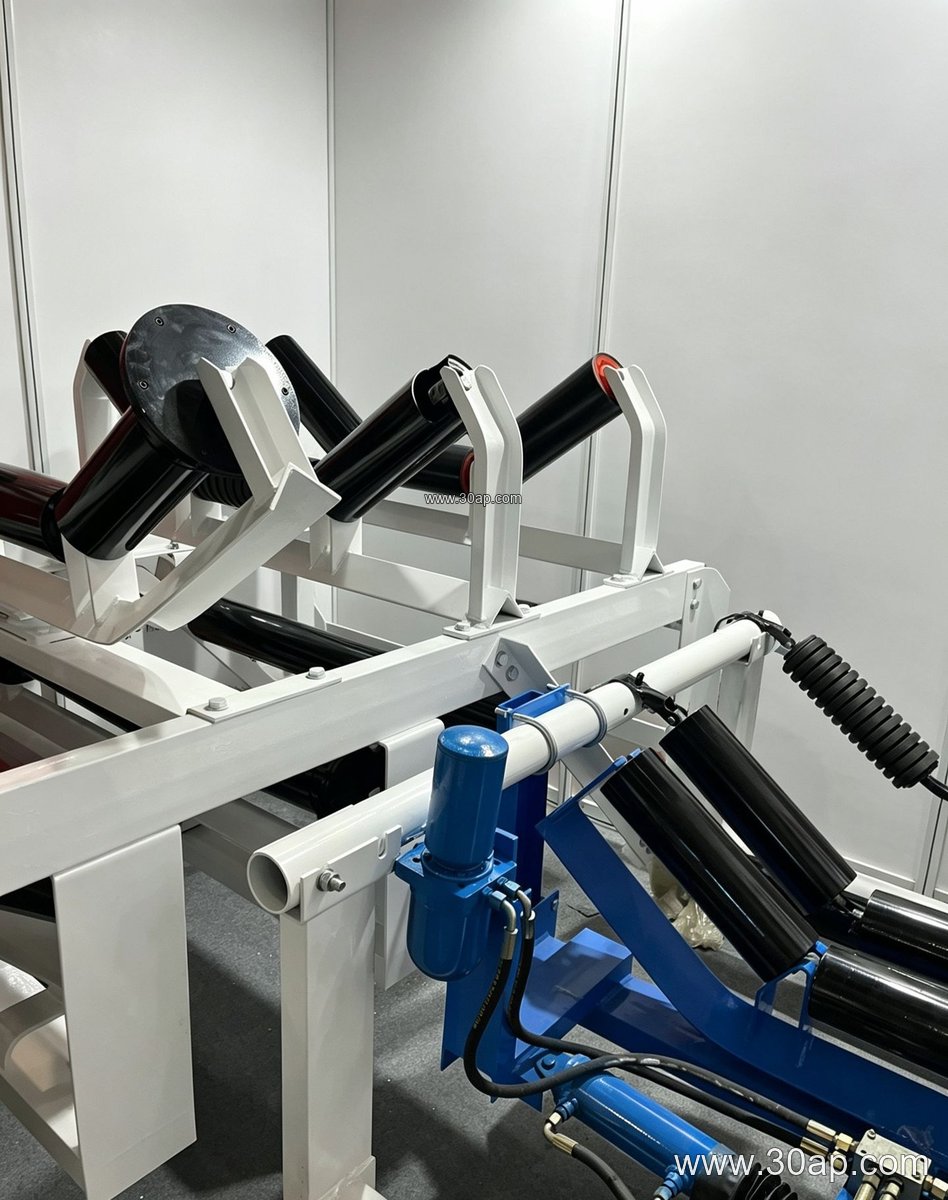
An adjustable bracket allows the trough angle to be changed within a range, which helps during commissioning or when material characteristics shift. A fixed bracket gives up that flexibility but offers a more rigid frame, fewer moving parts and simpler inspection. In dusty conditions such as a coal preparation plant or an aggregate crushing line, the fixed version is often preferred because there is less to seize or misadjust.
Buyer Checklist
- Confirm belt width and the required trough angle before ordering.
- Match the bracket seat to the actual idler roller shaft and diameter.
- Check the mounting hole pattern against the conveyor stringer.
- Specify material and finish for the site: galvanized for washdown, painted for dry service.
- Order brackets together with the idler roller set so seats and shafts align.
- Keep spare frames for high-wear loading zones and transition points.
When the belt, idlers and brackets are selected as one system, tracking improves and belt edge wear drops. For related conveyor components, see the conveyor belt and conveyor pulley ranges at conveyor bracket.