What a Conveyor Bracket Actually Does
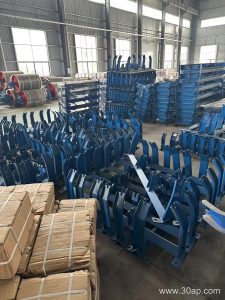
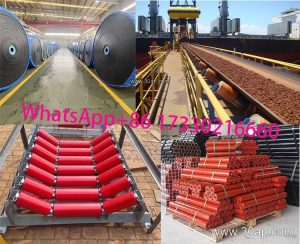
A conveyor bracket is the steel support that holds the idlers in position along a conveyor frame. It carries the weight of the belt and the material, keeps the trough shape, and sets the angle at which the rollers meet the belt. When buyers ask about conveyor bracket price, they are usually pricing one of several support types: trough brackets for the carrying side, return brackets for the empty side, impact brackets under a loading point, or self-aligning brackets on a long run. Each has its own cost profile, and the same order can mix several kinds.
In a quarry, a cement plant, or a power plant coal yard, a bracket failure stops the belt. That is why price should be read together with steel thickness, hole spacing, and the roller diameter it is designed to hold.
How the Bracket Is Built
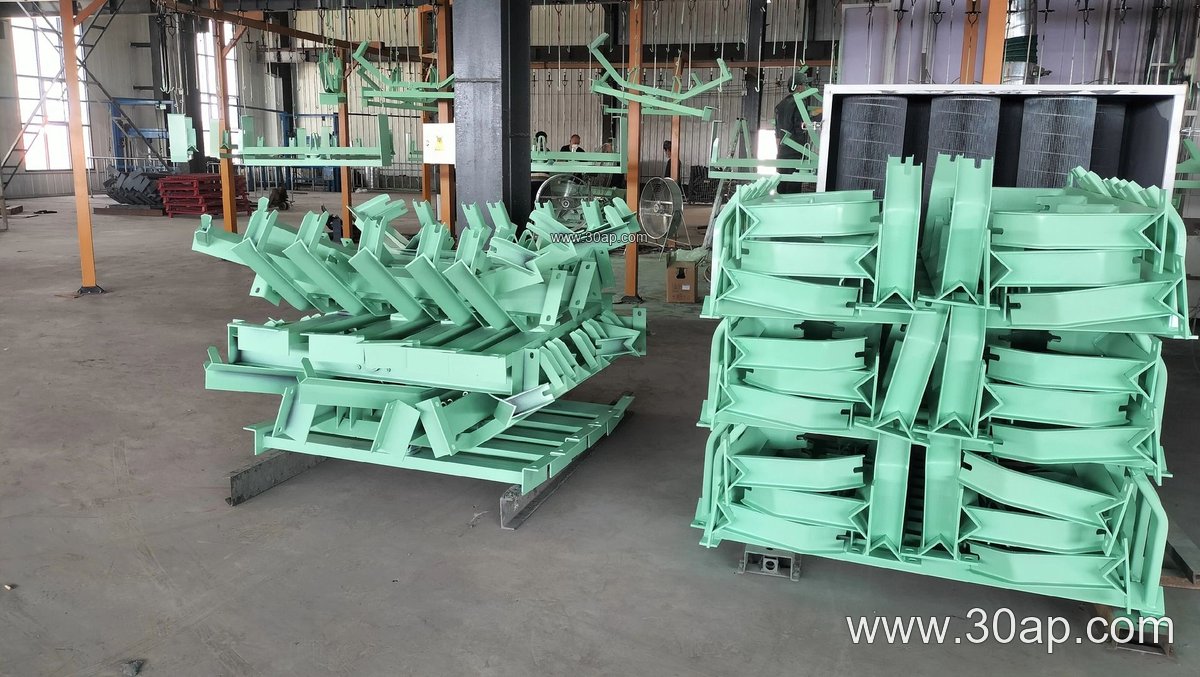
Most conveyor brackets are fabricated from angle steel, channel steel, or folded steel plate. The frame is cut, punched, and welded, then usually painted or galvanized. The hole pattern matters because it must line up with the idler roller shaft ends and with the conveyor frame stringers. A bracket that is cheap but drilled to the wrong pitch will cost more in site labor than it saved at purchase.
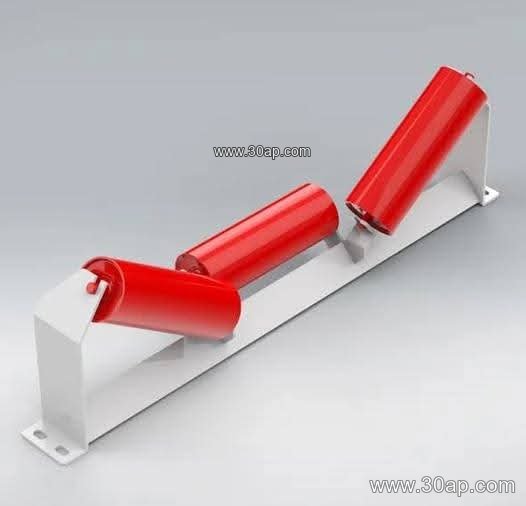
Typical reference values for trough brackets look like this. They are common ranges, not a fixed catalog:
- Belt width B500 to B2200
- Trough angle 20, 30, 35, or 45 degrees
- Roller diameter Ø89, Ø108, Ø133, Ø159, or Ø194
- Material angle steel, channel steel, or folded plate
- Adjustable versions allow the trough angle to be changed on site
A B800 bracket with a 35 degree trough and Ø108 rollers is a common mid-size combination, while a B1200 line may run 45 degree troughing with Ø133 rollers. Larger widths such as B1800 or B2200 need heavier cross beams, and the mounting hole distance grows with belt width and trough angle. Do not assume one belt width locks you into one roller size or one trough angle.
Where the Money Goes
Several factors move conveyor bracket price up or down. Steel gauge is the first. A heavy-duty mining conveyor bracket made from thicker channel will cost more than a light bracket for a small aggregate line, but it lasts longer under shock loading. Welding quality and hole accuracy are the second factor. Galvanizing adds cost but pays back in wet or coastal service.
Type also matters. A simple return bracket is usually the cheapest item in the set. An adjustable bracket or a self-aligning bracket with extra linkage costs more. Impact brackets under a crusher discharge need reinforced construction, so they sit at the top of the range. Order quantity and the number of different hole patterns in one shipment also affect the final figure.
Buyers should compare brackets on the same basis: steel thickness, finish, hole pitch, and the roller diameter they accept. A quote for a conveyor bracket without those details is hard to compare fairly.
Matching Brackets to Belt and Rollers
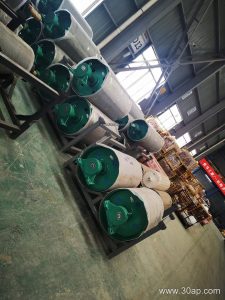
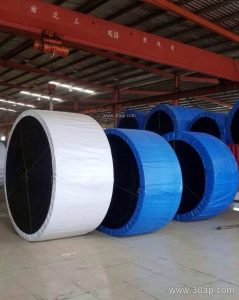
The bracket is only one part of the line. It works with the conveyor belt, the conveyor pulley at the drive and tail, and the idler roller set. A rubber conveyor belt or an EP conveyor belt running on well-aligned brackets wears more evenly. In a coal mining conveyor or an underground mining conveyor, flame retardant conveyor belt and anti-static conveyor belt are often specified, and the brackets should be positioned to keep the belt centered so edge damage is reduced.
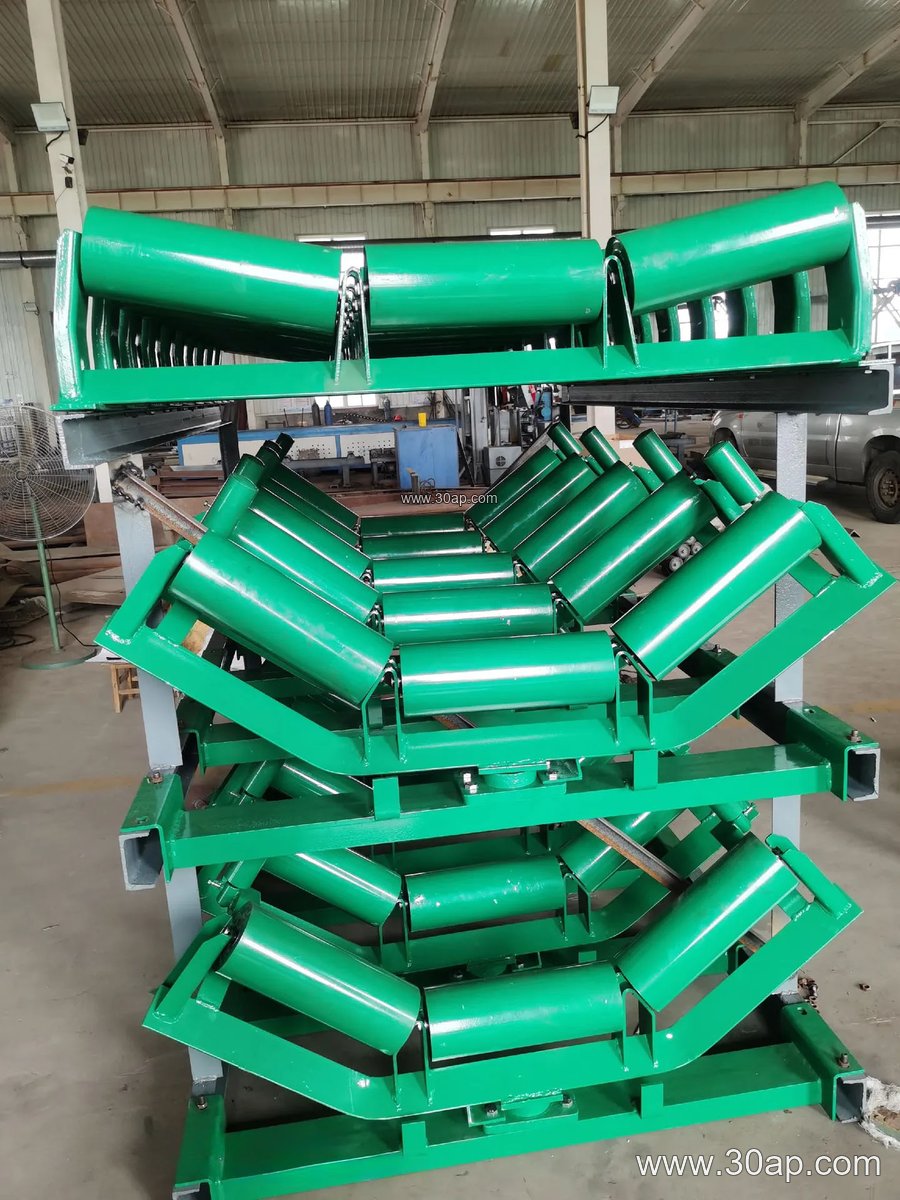
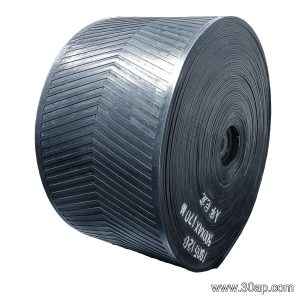
On a long overland run carrying iron ore or copper ore, self-aligning brackets help correct minor tracking drift. On a chevron conveyor belt or a corrugated sidewall conveyor belt, the bracket height and roller position must clear the cleats, so the layout deserves a check before ordering. The same care applies to a pipe conveyor belt, where support geometry is different from a flat trough.
Practical Buying Notes
Ask for a drawing with hole spacing and overall length, and confirm the roller diameter. State the belt width, trough angle, and whether the bracket is fixed or adjustable. For a port conveyor or a ship loading conveyor, mention the environment so the supplier can propose a suitable finish. For a crusher conveyor or a stone crushing line, say that impact brackets are needed at the feed point.
Keep a few spare brackets on site. They are small items, but a missing support can idle a whole transfer line. Price is only one number; fit, steel grade, and delivery time decide the real cost.