What the EP1250 1800mm Conveyor Belt Is
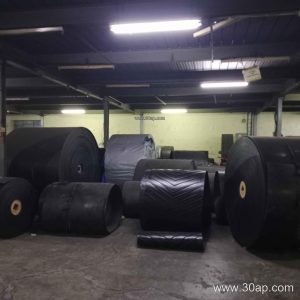
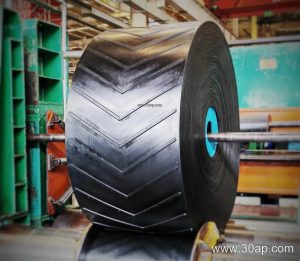
An EP1250 1800mm conveyor belt is a heavy-duty fabric-core belt built on polyester-polyamide (EP) carcass plies and supplied at 1800 mm width. The number 1250 refers to the nominal tensile strength of the carcass, normally expressed in N/mm, while 1800mm defines the cut width. This combination places the belt in the high-capacity class, where both strength and width matter: a wider belt carries more material per hour, and a stronger carcass resists the pull of a long or steep conveyor. In practice the product is often ordered as an EP1250 rubber conveyor belt with a specified top and bottom cover thickness, and buyers may see it described simply as a 1800mm wide EP conveyor belt.
How the Belt Is Built
The carcass is the load-bearing element. EP fabric plies are layered and bonded under heat and pressure, then wrapped in rubber covers. For an EP1250 belt, common constructions use several plies, and the cover grade is selected for the duty. A typical arrangement might be a 6+2 mm cover, but 5+2 mm or 8+3 mm are also used depending on impact and abrasion severity. The covers protect the plies from cutting, moisture and wear, while the skim rubber between plies keeps the carcass unified.
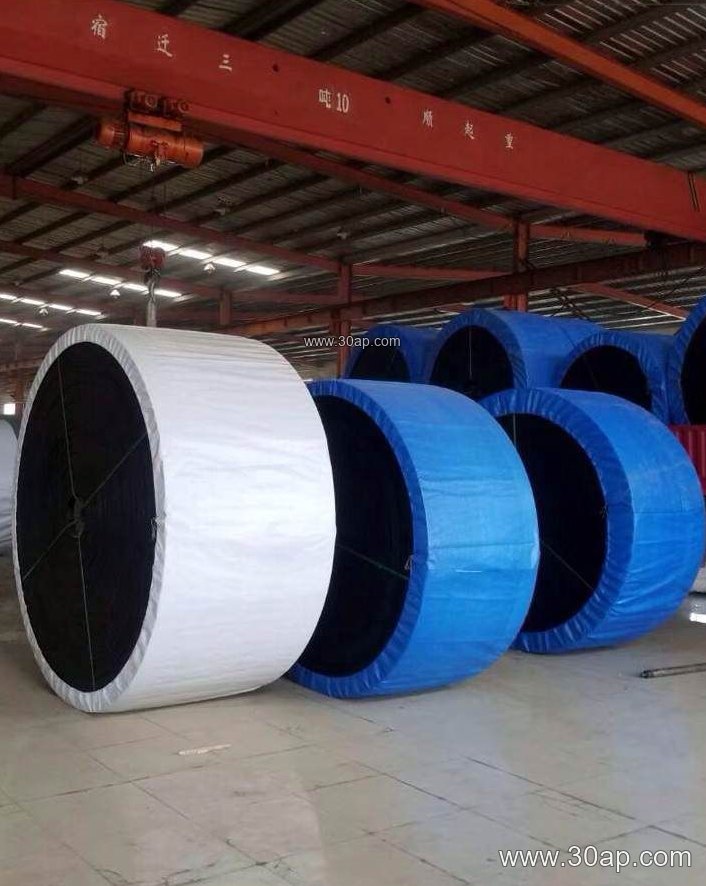
Edge construction deserves attention at this width. An 1800 mm belt is a wide conveyor belt, and edge damage is a common cause of premature failure. Some plants specify cut edges for general service and moulded edges where the belt must resist fraying in wet or abrasive conditions.
Where It Fits in a Plant
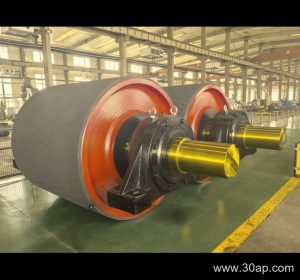
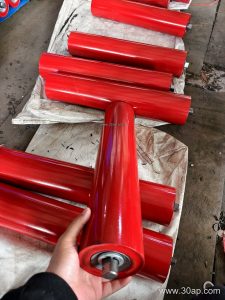
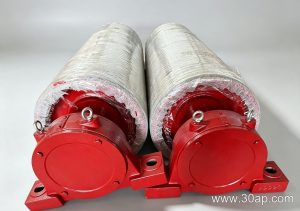
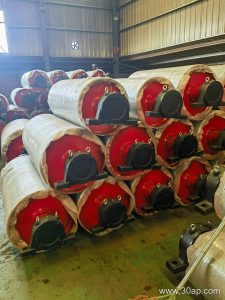
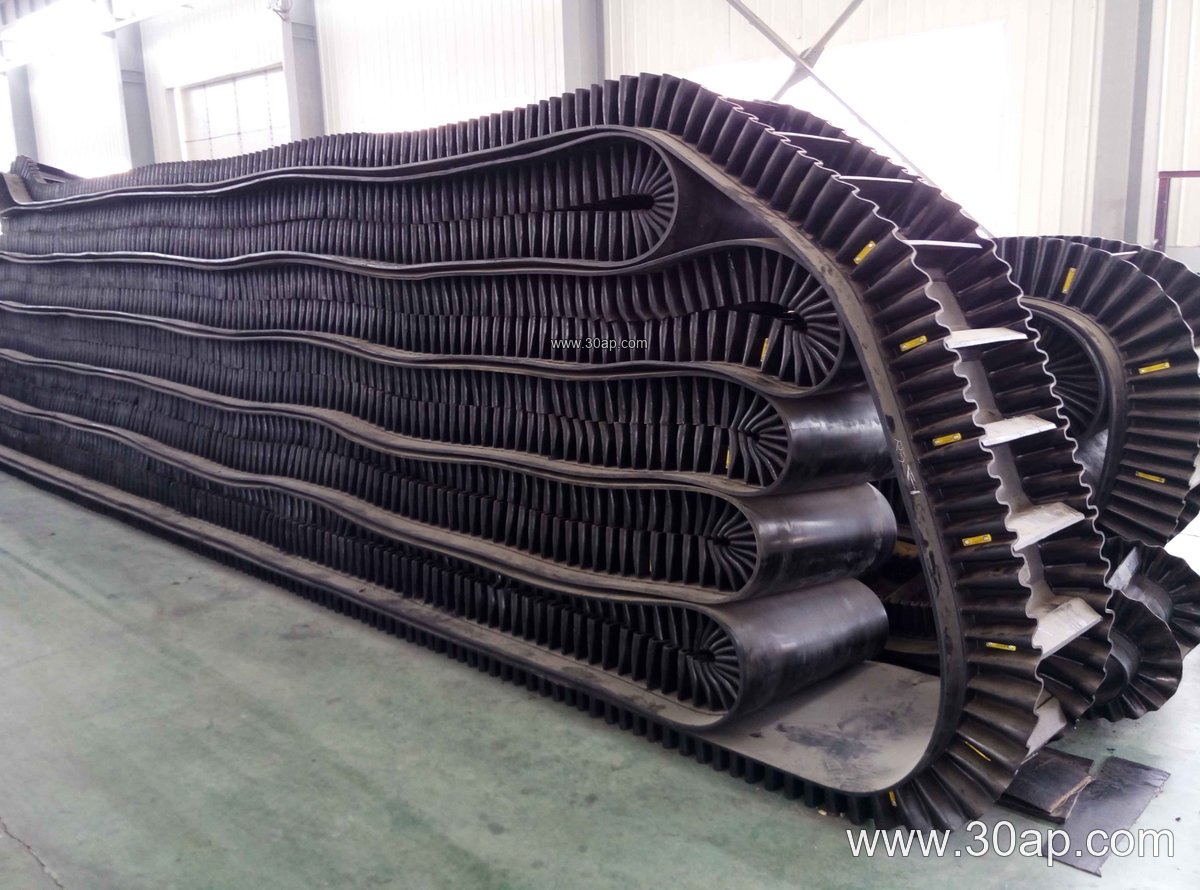
The width and strength make this belt suitable for main haulage lines rather than small transfer points. It appears in mines, coal preparation plants, cement works, power stations, quarries and sand and gravel operations where large tonnages move continuously. A high abrasion resistant conveyor belt grade is often chosen for ore and rock, while a flame retardant conveyor belt grade is used where fire safety rules apply, such as underground coal mining conveyors. In a cement plant the same belt may run on a long incline carrying limestone or clinker, supported by idler rollers and trained by conveyor pulleys at the head and tail.
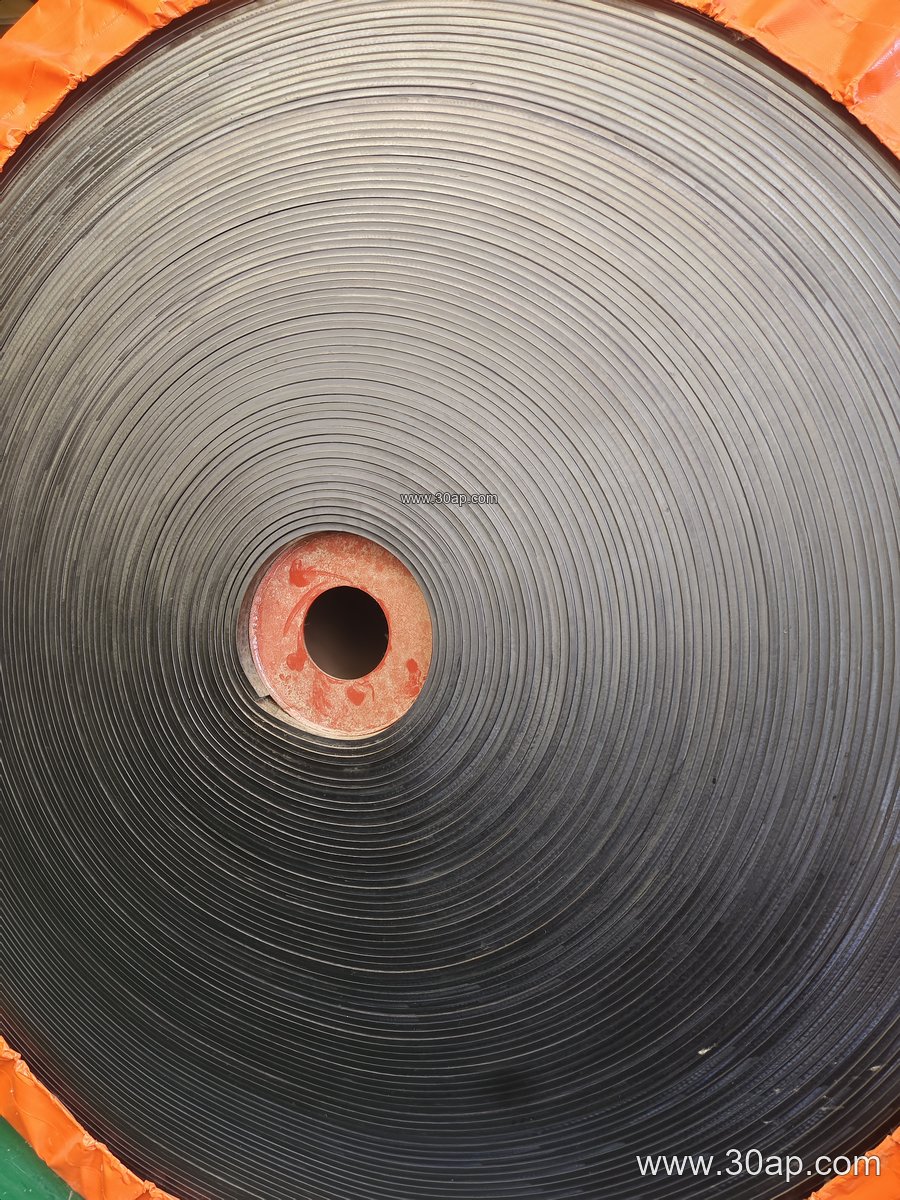
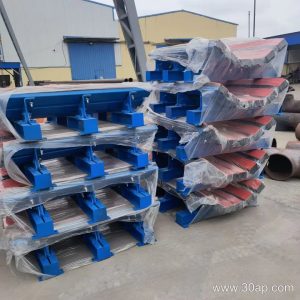
Because the belt is wide, the supporting structure must be square and well aligned. Misaligned conveyor brackets or worn idler rollers can cause edge tracking problems that are harder to correct on a 1800 mm belt than on a narrow one.
Common Specifications at a Glance
| Parameter | Typical Range or Note |
|---|---|
| Belt type | EP fabric core conveyor belt |
| Carcass strength | EP1250 nominal |
| Belt width | 1800 mm |
| Cover thickness | 4+2, 5+2, 6+2 or 8+3 mm, common options |
| Number of plies | Usually 3 to 6, by design |
| Cover grades | Abrasion resistant, heat resistant, oil resistant, flame retardant, anti-static, cold resistant |
| Edge type | Cut edge or moulded edge |
These values are reference data and vary between manufacturers. Final construction should follow the conveyor design and the supplier’s data sheet.
Selection Points for Buyers
Start with the duty, not the width. The required tensile strength comes from the calculated belt tension, and EP1250 is only appropriate when the tension falls within its range. Confirm the cover grade against the material: wet gravel calls for good abrasion resistance, hot clinker needs a heat resistant conveyor belt, and coal service may require flame retardant and anti-static properties together. Check the pulley diameters against the carcass flexibility recommended by the maker, and remember that belt width alone does not fix shaft size or pulley diameter.
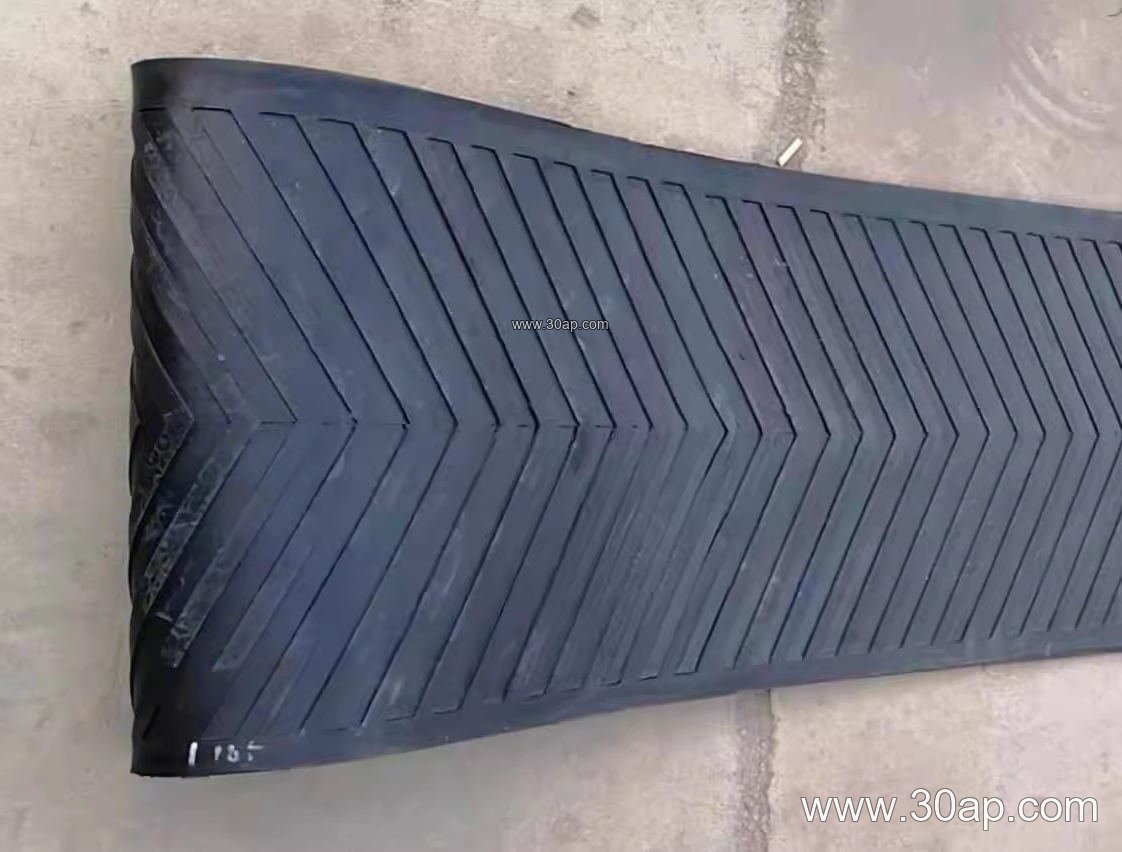
For comparison, an NN conveyor belt uses nylon plies and may suit different elongation behaviour, while a steel cord conveyor belt is chosen when tension exceeds fabric belt ranges. Neither replaces the EP1250 1800mm belt in its own working window; they are alternatives at different duty levels. Buyers should also decide whether an endless conveyor belt splice is made on site or whether the belt arrives pre-spliced.
Installation and Maintenance Notes
- Align idler rollers and conveyor pulleys before tensioning the belt.
- Inspect edges weekly on wide belts, since edge damage spreads quickly.
- Keep the skirt rubber and load zone checked to avoid cover gouging.
- Store spare belt on a dry surface, away from ozone sources and direct sunlight.
- Record cover wear and splice condition to plan replacement before failure.
With correct tracking and a suitable cover grade, an EP1250 1800mm conveyor belt can serve as the backbone of a high-tonnage haulage line.