What a Spiral Return Idler Does
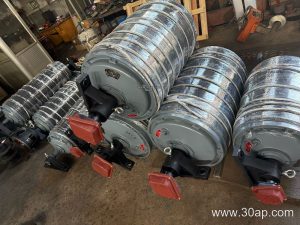
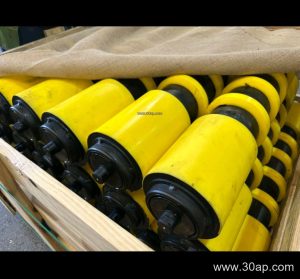
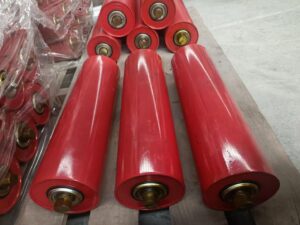
A spiral return idler is a return-side roller wrapped with a continuous helical flight, often called a spiral roller or helix return roller. It sits under the carrying run and supports the empty conveyor belt on its way back to the tail. The spiral profile does more than carry weight: as the belt passes over it, the helix gently scrapes and guides stray material toward the edges, which helps keep the return strand cleaner and reduces build-up on the roller surface. In dusty circuits such as a quarry, a limestone crushing line, or a coal handling system, that self-cleaning action is the main reason buyers specify this roller instead of a plain flat return idler.
How the Roller Is Built
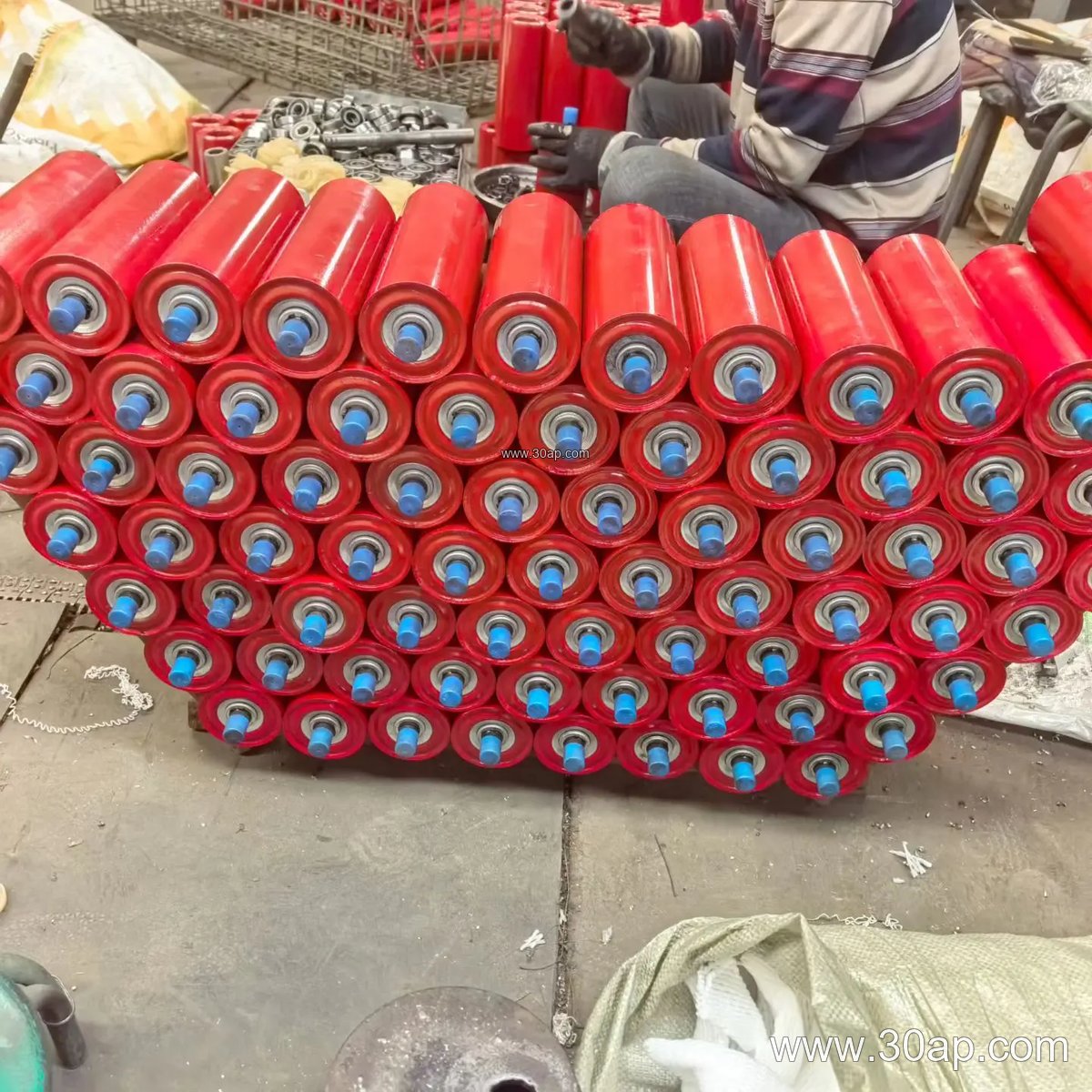
The core is usually a steel tube with welded end discs and a through shaft, fitted with sealed bearings. The spiral flight is formed from steel strip and welded around the shell in a continuous helix. Bearing housings are typically protected by labyrinth or contact seals, because return rollers live close to spilled material and fine dust. Roll face options are limited for this design, since the helix is the functional surface; the shell is normally painted steel, sometimes with wear-resistant treatment on abrasive duty. Common bearing sizes include 6204, 6205, 6305, 6306, 6308 and 6310, matched to shaft and load by the manufacturer rather than fixed to one roller diameter.
Where It Fits on the Conveyor
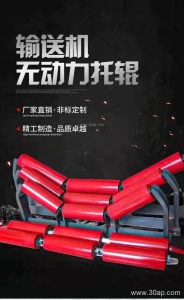
The spiral return idler is installed on the return strand, usually in the same frame positions as a flat return roller or a V-return set. It is not a substitute for a bend pulley or a tail pulley; those are separate components that change belt direction and carry tension. Typical installations include:
- Aggregate and sand plants where spillage clings to the belt underside
- Coal preparation and power plant coal handling with fine, damp dust
- Cement plants and clinker lines where powdery material accumulates
- Iron ore and copper ore circuits with abrasive fines
- Port and ship loading conveyors handling bulk material
On a system running an EP conveyor belt or a multi-ply fabric core belt, the spiral roller helps limit material carryback that would otherwise press into the return roll and cause tracking drift. On heavier duty lines using a steel cord conveyor belt, the same roller is chosen mainly for cleaning rather than load support, so spacing and diameter should follow the conveyor design.
Sizes and Matching to Belt Width
Spiral return rollers are made in the usual return roller diameters, commonly Ø89, Ø102, Ø108, Ø127, Ø133 and Ø159 mm, with larger sizes for wide, heavy belts. Roller length follows belt width, frame type and the space needed for the helix. The table below shows reference combinations only; final dimensions are set by the conveyor designer.
| Belt width (reference) | Typical return roller diameter | Typical roller length |
|---|---|---|
| B500 | Ø89 to Ø108 mm | about 600 mm |
| B650 | Ø89 to Ø108 mm | about 750 mm |
| B800 | Ø102 to Ø127 mm | about 950 mm |
| B1000 | Ø108 to Ø133 mm | about 1150 mm |
| B1200 | Ø127 to Ø159 mm | about 1400 mm |
| B1400 | Ø133 to Ø159 mm | about 1600 mm |
| B1600 | Ø133 to Ø178 mm | about 1800 mm |
| B1800 to B2000 | Ø159 to Ø194 mm | 2000 mm and above |
These figures are common examples, not universal pairings. A 1200mm wide conveyor belt may use a different roller length depending on frame and mounting height, and shaft diameter is calculated from load, not from belt width alone.
Buying and Maintenance Notes
When ordering, confirm the shaft end shape, mounting flat or notch, bearing type, seal class and helix direction if the frame requires a specific orientation. Check that the spiral does not foul the belt edge or the frame cross member, and that the return gap matches the roller. On abrasive duty, such as a high abrasion resistant conveyor belt carrying ore, inspect the helix for wear and the seals for dust ingress at each shutdown. Replace rollers that no longer rotate freely, since a seized spiral return idler can rub the belt and damage the cover. For coal or cement lines, keep return strand cleaners and training idlers in good order alongside the spiral rollers for balanced belt tracking. Buyers comparing quotes should ask for the actual roller drawing, bearing brand and seal type, because two visually similar spiral rollers can differ greatly in service life. Related parts such as the conveyor bracket and conveyor pulley should be checked at the same time so the return run stays aligned. Sourcing a spiral return idler together with the right conveyor belt specification, whether flame retardant conveyor belt for underground work or heat resistant conveyor belt near a kiln, helps avoid mismatch between roller spacing and belt stiffness.