What a Tail Pulley Does on a Conveyor
The tail pulley sits at the rear of a conveyor, where the belt returns after discharging its load. Its main job is to guide the belt back into the carrying run while maintaining proper tension. In many bulk material handling operations, from a quarry conveyor line to a coal mining conveyor system, the tail pulley works alongside the drive pulley, bend pulleys, and idler rollers to keep the belt tracking smoothly. Unlike a drive pulley that transmits power, the tail pulley is primarily a direction-changing and tensioning component. It is not a substitute for a drive pulley, and the two should never be confused when specifying replacements.
Construction and Surface Options
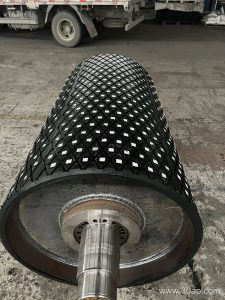
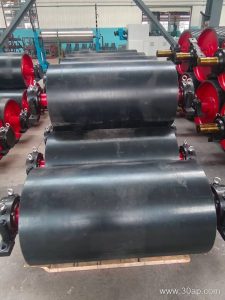
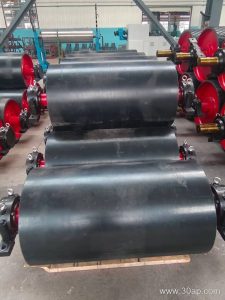
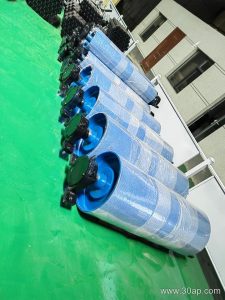
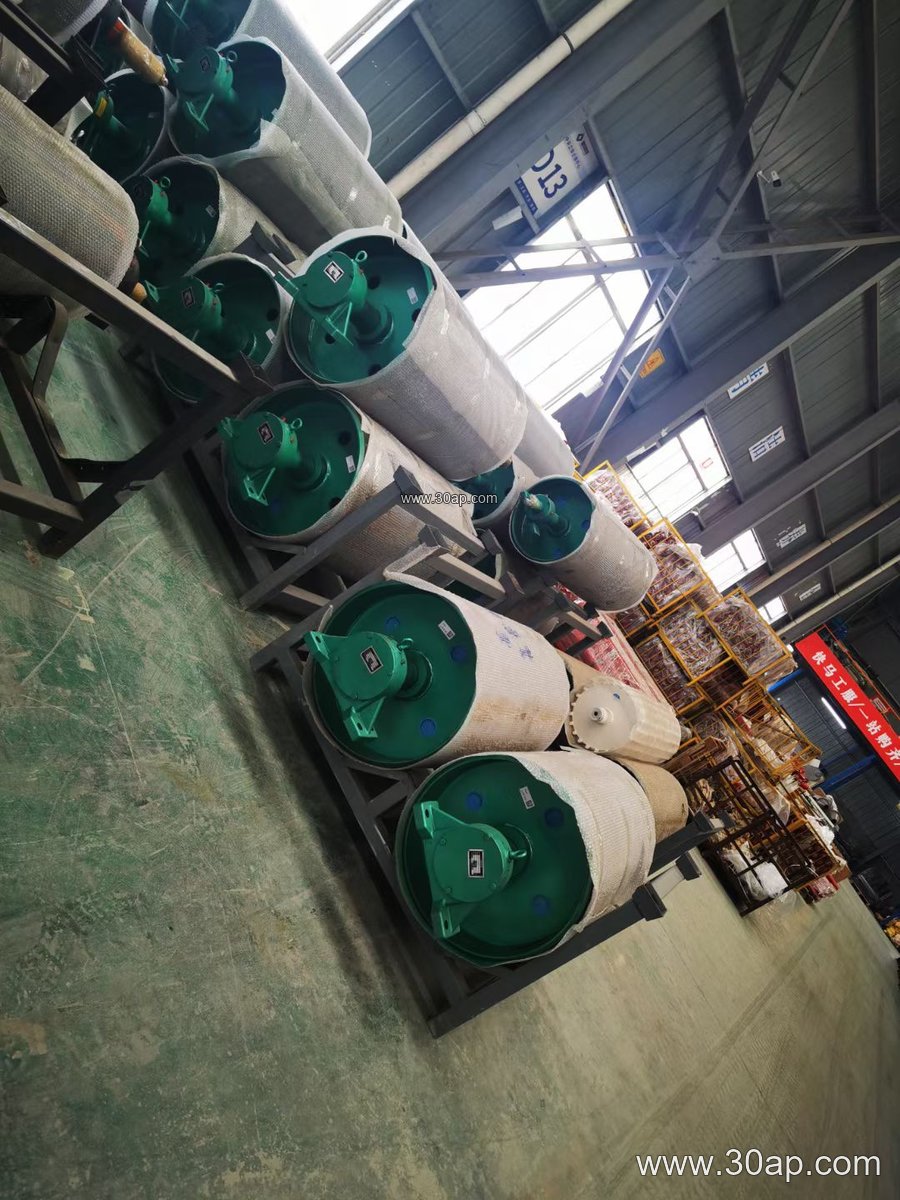
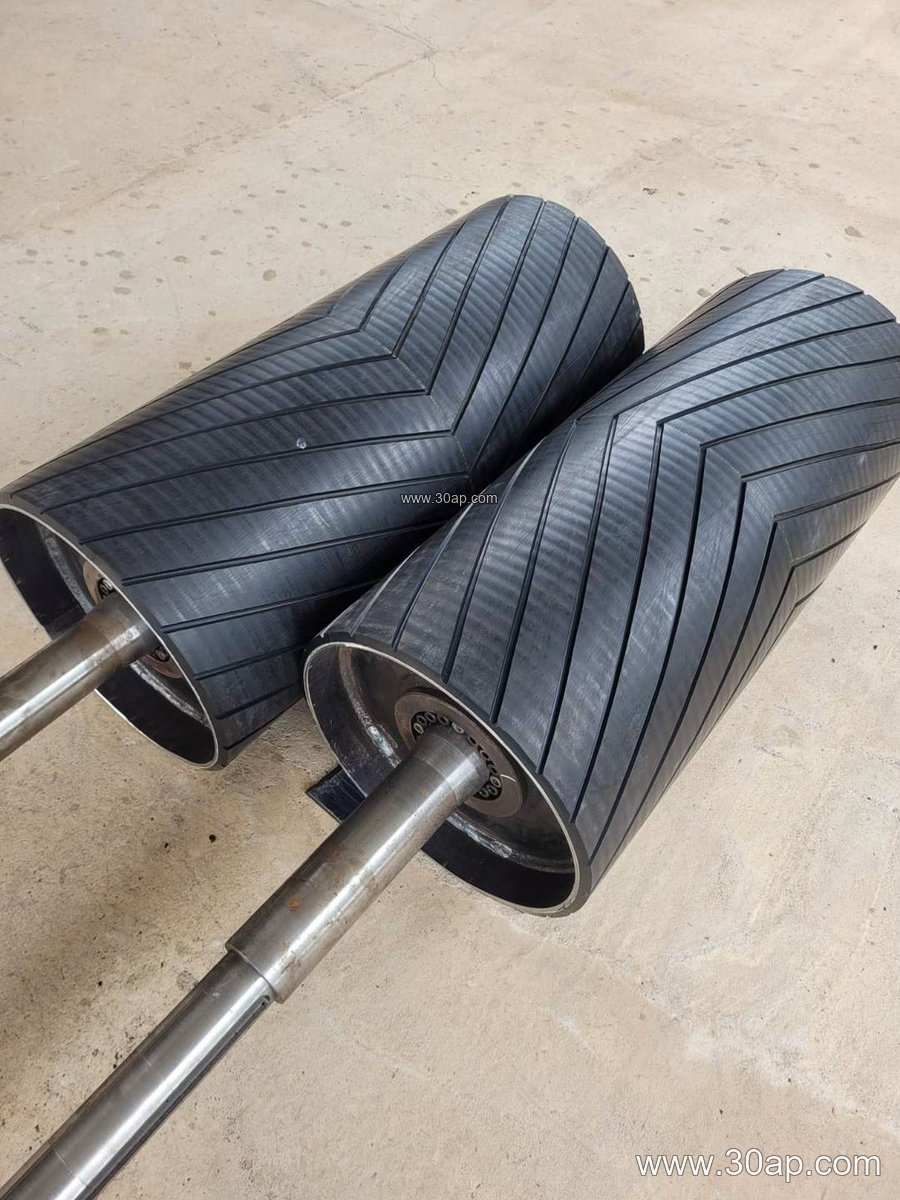
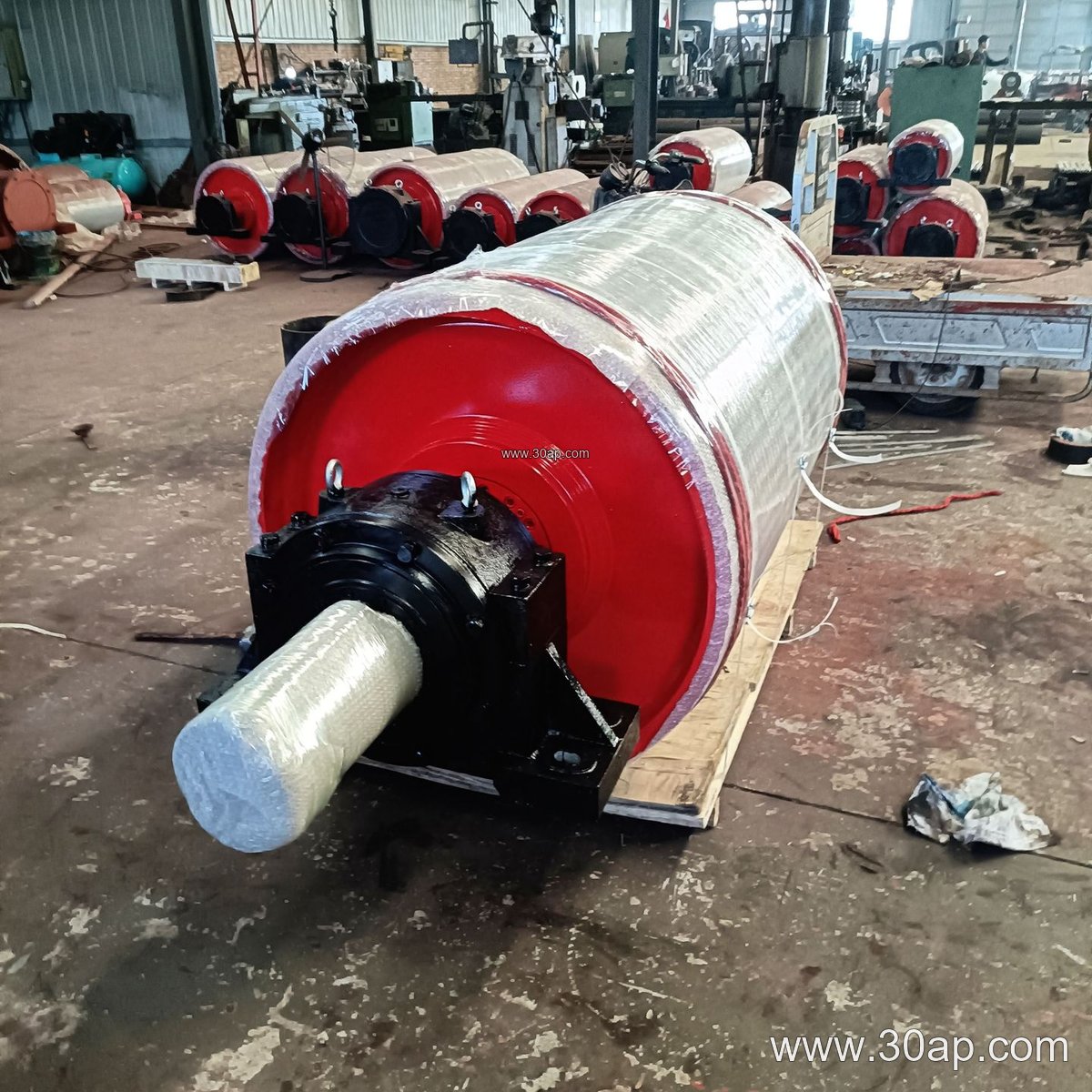
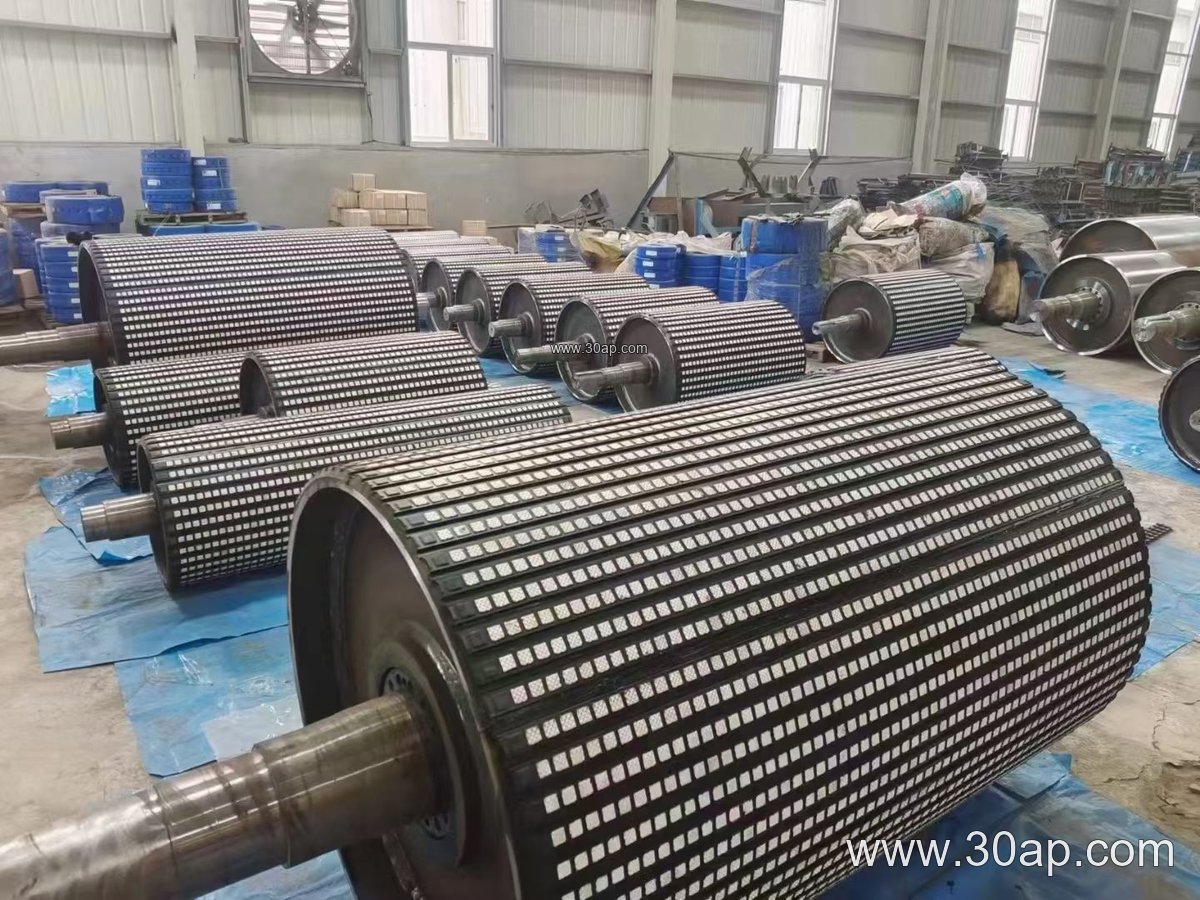
A typical tail pulley consists of a cylindrical shell, shaft, bearing housings, and end discs. The shell can be smooth or covered with rubber, ceramic, or other materials to improve grip and wear resistance. Common surface forms include plain, cold-bonded rubber, hot-vulcanized rubber, diamond grooved, and ceramic lagging. Lagging thickness often falls in the range of 8 mm to 20 mm, depending on the duty. The shaft diameter is determined by torque and load requirements, not simply by belt width. Common shaft sizes include Ø50, Ø80, Ø120, and Ø160, but final selection should always follow the conveyor design. The pulley face width is usually slightly wider than the belt; for example, a B800 belt may use a pulley face around 950 mm, and a B1200 belt may use about 1400 mm. These are reference values, not fixed rules.
Where Tail Pulleys Are Used
Tail pulleys appear in many industries. In a limestone quarry or aggregate conveyor line, they help return the belt after crushing and screening. In a coal washing plant or underground mining conveyor, they work with flame retardant conveyor belts and heavy-duty idler rollers to handle abrasive materials. Cement plants use them on clinker and raw meal conveyors, while power plants rely on them in coal handling systems. The tail pulley is also found in port bulk terminals, steel plants, and sand making plants. In each case, the operating environment influences the choice of lagging and bearing protection.
Matching the Tail Pulley to the Belt
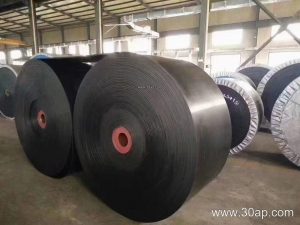
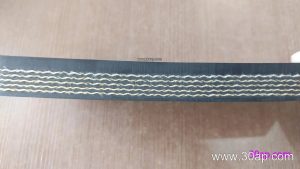
Selecting a tail pulley involves more than picking a diameter. The belt type matters. A steel cord conveyor belt may require a larger pulley diameter to avoid excessive bending stress, while an EP conveyor belt or NN conveyor belt can often work with a smaller diameter for the same belt thickness. Fabric core conveyor belts, including multi-ply fabric core belts, have their own minimum pulley diameter recommendations. The tail pulley should also be compatible with the belt’s edge condition and the conveyor’s troughing idlers. When the belt is an endless conveyor belt or a chevron conveyor belt, the pulley surface and diameter should be checked to ensure smooth running. In dusty or wet conditions, a lagged tail pulley can reduce slip and improve tracking.
Common Dimensions and Configurations
The table below lists typical reference combinations. Actual dimensions depend on the conveyor design, belt tension, and shaft load.
| Belt Width | Pulley Face Width (approx.) | Common Diameter Range | Typical Application |
|---|---|---|---|
| B500 | 600 mm | Ø200 – Ø400 | Light aggregate, sand |
| B650 | 750 mm | Ø250 – Ø500 | Quarry, cement |
| B800 | 950 mm | Ø315 – Ø630 | Coal, power plant |
| B1000 | 1150 mm | Ø400 – Ø800 | Mining, port |
| B1200 | 1400 mm | Ø500 – Ø1000 | Heavy mining, steel |
| B1400 | 1600 mm | Ø630 – Ø1250 | Iron ore, copper ore |
| B1600 | 1800 mm | Ø800 – Ø1400 | Large bulk terminals |
These combinations are examples only. A B1200 belt can be paired with different pulley diameters depending on the belt construction and load. Never assume a fixed shaft size from belt width alone.
Buyer Checklist
- Confirm the belt type and minimum pulley diameter recommended by the belt supplier.
- Check the required lagging type and thickness for the material handled.
- Verify shaft diameter based on torque and radial load, not just belt width.
- Ensure the pulley face width suits the belt and the conveyor frame.
- Consider environmental factors such as dust, moisture, and temperature.
- Review compatibility with conveyor brackets and bearing housings.
For reliable performance, the tail pulley should be inspected for lagging wear, bearing condition, and alignment during routine maintenance. When replacing a tail pulley, always compare the new unit with the original specifications and the conveyor’s current operating conditions.