What a Five-Roll Idler Bracket Is
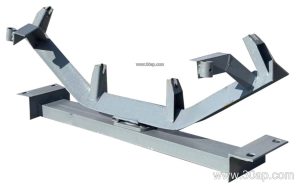
A five-roll idler bracket is a support frame that carries five idler rollers under a conveyor belt. Unlike the common three-roll arrangement, this bracket uses two side rolls on each side plus a center roll, creating a deeper, more gradual trough. That extra roll on each wing helps spread the load across more contact points, which matters when the belt is wide, the material is abrasive, or the conveyor runs at high tonnage. In quarry and cement plant circuits, this five-roll configuration is often chosen for main haulage belts that carry crushed rock or clinker. The same five-roll idler bracket can also appear in power plant coal handling and in iron ore transfer lines where belt tracking and load distribution are critical.
How the Bracket Is Built
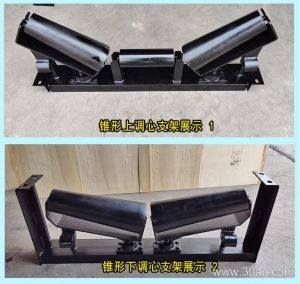
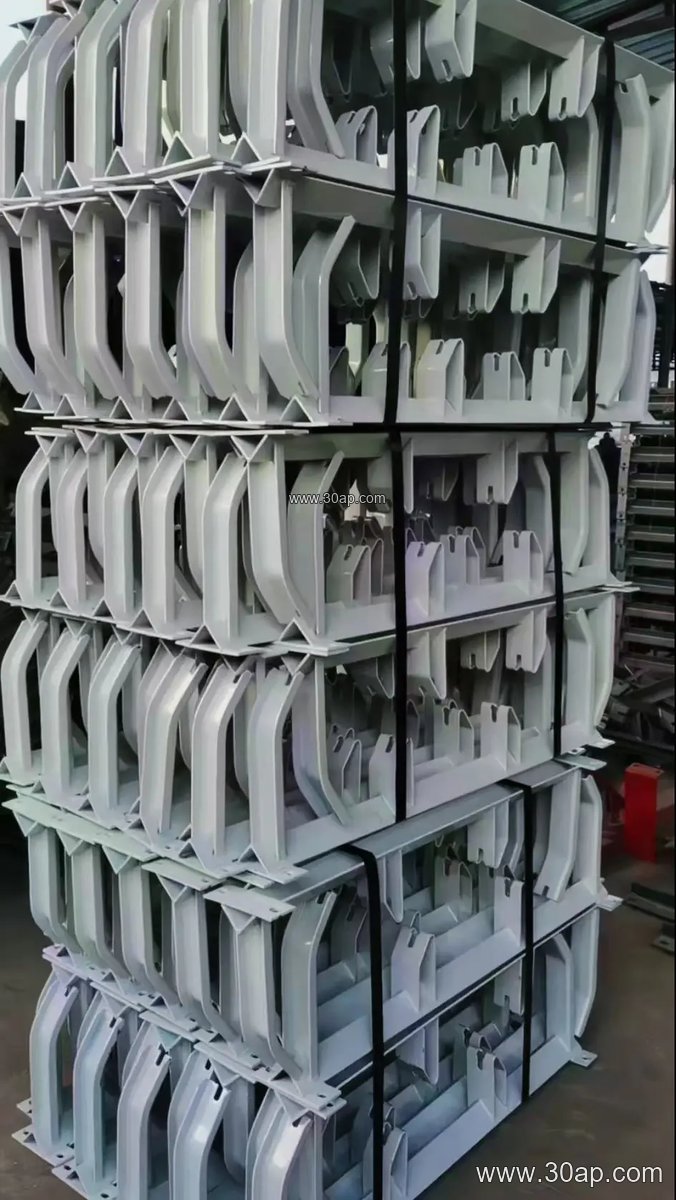
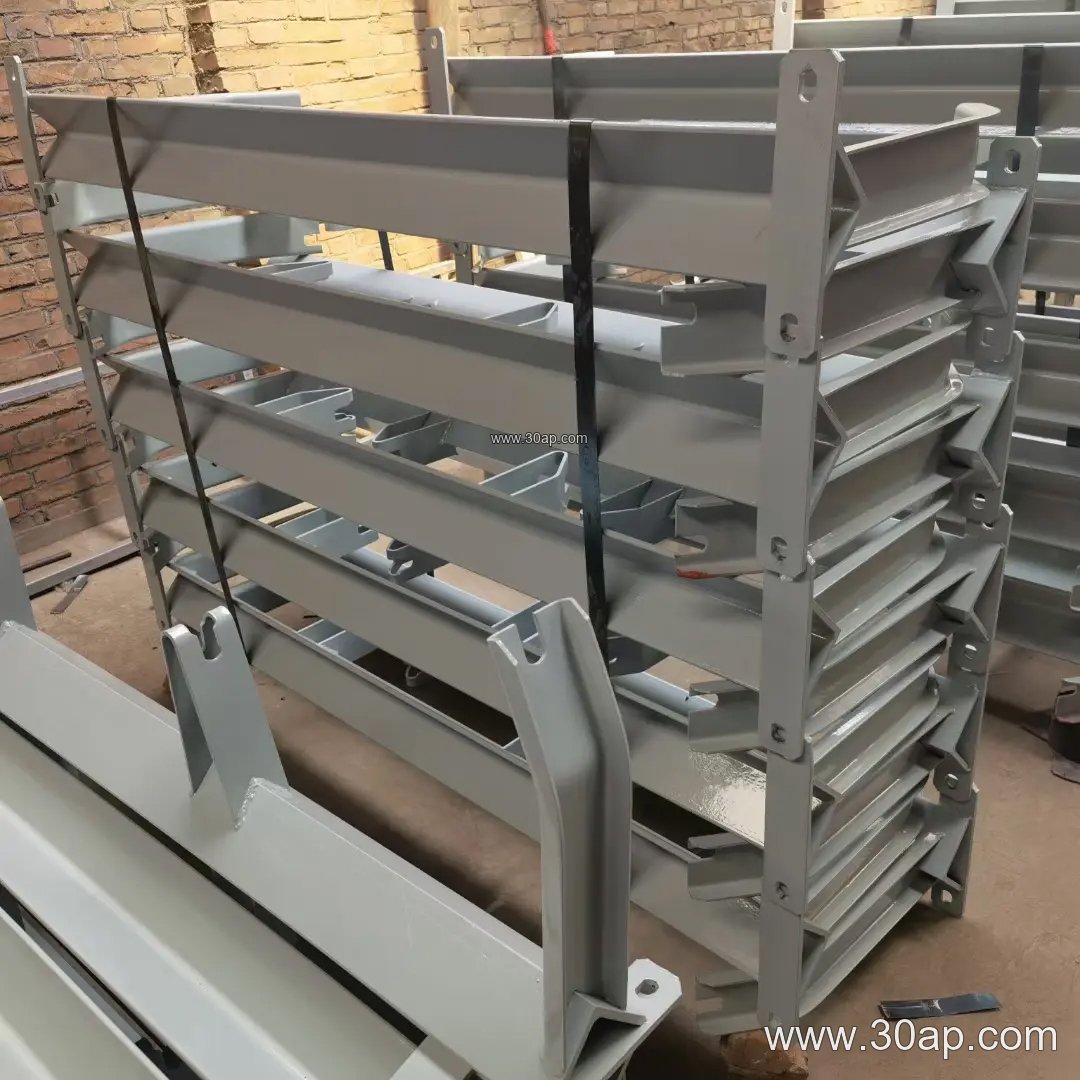
Most five-roll idler brackets are fabricated from angle steel, channel steel, or folded steel plate. The bracket has a base beam that bolts to the conveyor stringer, plus angled mounting faces that position each idler roller at the required trough angle. The two outer rolls sit at a steeper angle, while the inner rolls and the center roll form a shallower transition. Common trough angles for five-roll brackets include 20, 30, 35, and 45 degrees, and adjustable versions allow the angle to be changed on site. The bracket usually includes slotted holes or shim points so the roller positions can be fine-tuned. For a B1200 belt running at 35 degrees with Ø133 rollers, the bracket geometry is different from a B1800 belt at 45 degrees with Ø159 rollers, so the横梁 length and hole spacing are determined by design rather than fixed by belt width alone.
Where It Fits on the Conveyor
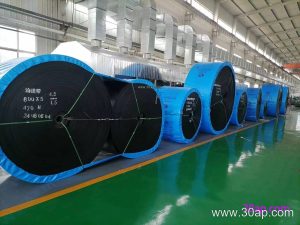
The five-roll idler bracket is typically used on the carrying side of a troughing conveyor. It is not a drive pulley, tail pulley, or bend pulley, and it does not replace those components. Its job is to support the conveyor belt and keep the material centered. In a coal mining conveyor belt system, the bracket works together with impact idlers at the load point and return rollers on the return strand. In a limestone quarry, a five-roll bracket may be paired with a abrasion resistant conveyor belt to handle sharp stone. The same bracket style can be found in sand and gravel lines, where a fabric core conveyor belt or EP conveyor belt runs over the trough. When the conveyor uses a steel cord conveyor belt for long distance, the five-roll bracket helps maintain a stable trough profile and reduces belt sag between idlers.
Selection Points for Buyers
Buyers should match the five-roll idler bracket to the belt width, the idler roller diameter, and the required trough angle. Common belt widths in the reference range include B500, B650, B800, B1000, B1200, B1400, B1600, B1800, B2000, B2200, but not every width requires a five-roll bracket. Roller diameters such as Ø89, Ø108, Ø133, Ø159, and Ø194 are available, and the bracket mounting faces must suit the chosen roller shaft. The table below gives example combinations for reference only; actual selection depends on load, belt speed, and material characteristics.
| Belt Width | Trough Angle | Idler Roller Diameter | Typical Use |
|---|---|---|---|
| B800 | 35 degrees | Ø108 | Aggregate conveyor, small quarry line |
| B1200 | 45 degrees | Ø133 | Cement plant clinker belt |
| B1600 | 35 degrees | Ø159 | Power plant coal handling |
| B1800 | 45 degrees | Ø159 | Iron ore transfer conveyor |
| B2000 | 30 degrees | Ø194 | Port bulk material loading |
Other selection factors include the bracket material and surface treatment. A five-roll idler bracket made from channel steel may be preferred in heavy-duty mining conveyor belt applications, while a folded plate design can save weight on a long overland conveyor. Adjustable brackets are useful where the trough angle may need correction after installation. Fixed brackets are simpler and often chosen for stable operating conditions. Buyers should also confirm that the bracket matches the conveyor stringer hole pattern and that the roller spacing allows proper belt support without pinching.
Installation and Maintenance Notes
Install the five-roll idler bracket so that all five rollers sit in a common plane and the center roll is level. Misalignment can cause the conveyor belt to run off-center or wear the roller edges. Check bolt torque after the first week of operation, especially on crusher conveyor belts that see vibration. Inspect the bracket for bent wings or cracked welds if the belt has been overloaded. Keep the idler rollers turning freely; a seized roller will wear a flat spot on the belt and may damage the bracket. In dusty environments such as a coal mining conveyor belt system, clean the bracket mounting faces before replacing rollers so the new rollers seat correctly. Spare brackets should be stored indoors to prevent rust on the mounting holes.