What a Fire Resistant Conveyor Belt Is
A fire resistant conveyor belt is a conveyor belt engineered to resist ignition, slow flame spread, and self-extinguish after the ignition source is removed. In mining, coal handling, power generation, cement production, and port bulk terminals, this belt is often specified where combustible dust, sparks, or hot material create a persistent fire risk. The product is also called a flame retardant conveyor belt in many procurement documents, and both names describe the same fire safety function.
Fire resistance is not a single additive but a system property. Rubber compounds, fabric or steel reinforcement, and cover grades must work together so the belt meets the required flame spread behavior while still carrying the load and tracking properly on the conveyor structure.
Construction and Materials
Most fire resistant belts use a fabric core or steel cord carcass covered with rubber. Common carcass types include EP conveyor belt (polyester-nylon), NN conveyor belt (nylon-nylon), and steel cord conveyor belt for high tension and long distance routes. The rubber cover is formulated with flame retardant fillers and antistatic agents, which also support anti-static conveyor belt performance in dusty environments.
Typical construction details include:
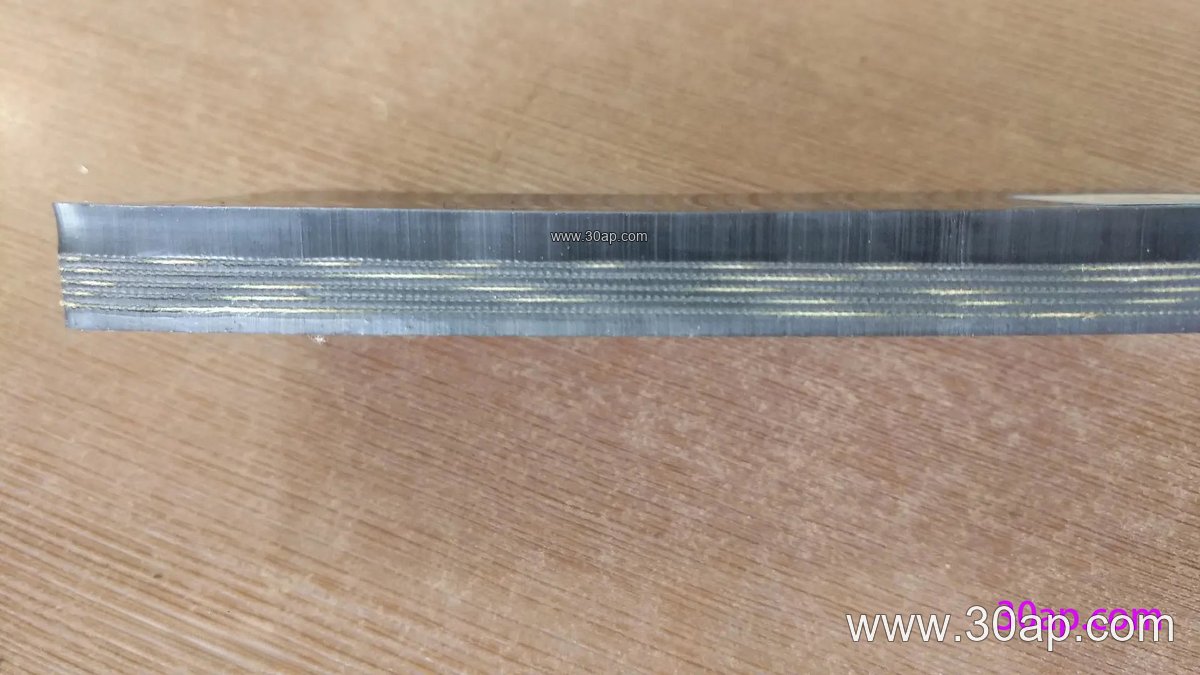
- Fabric core with 2 to 6 plies for medium-duty and heavy-duty service.
- Cover rubber grades such as 3+1.5 mm, 4+2 mm, 5+2 mm, 6+2 mm, and 8+3 mm for different wear and impact conditions.
- Edge protection, breaker fabric, and antistatic properties integrated into the compound.
Where oil, heat, or abrasion are also present, a fire resistant belt may be combined with oil resistant, heat resistant, or high abrasion resistant cover compounds. For example, a coal mining conveyor belt often needs both flame retardant and anti-static behavior, while a cement plant conveyor belt may face hot clinker and abrasive dust at the same time.
Where Fire Resistant Belts Are Used
These belts are common in underground coal mining, coal preparation plants, power plant coal yards, cement plants, and bulk material handling systems that move coal, coke, biomass, or other combustible bulk solids. They are also found in steel plants, foundries, and recycling facilities where sparks or hot particles may contact the belt surface.
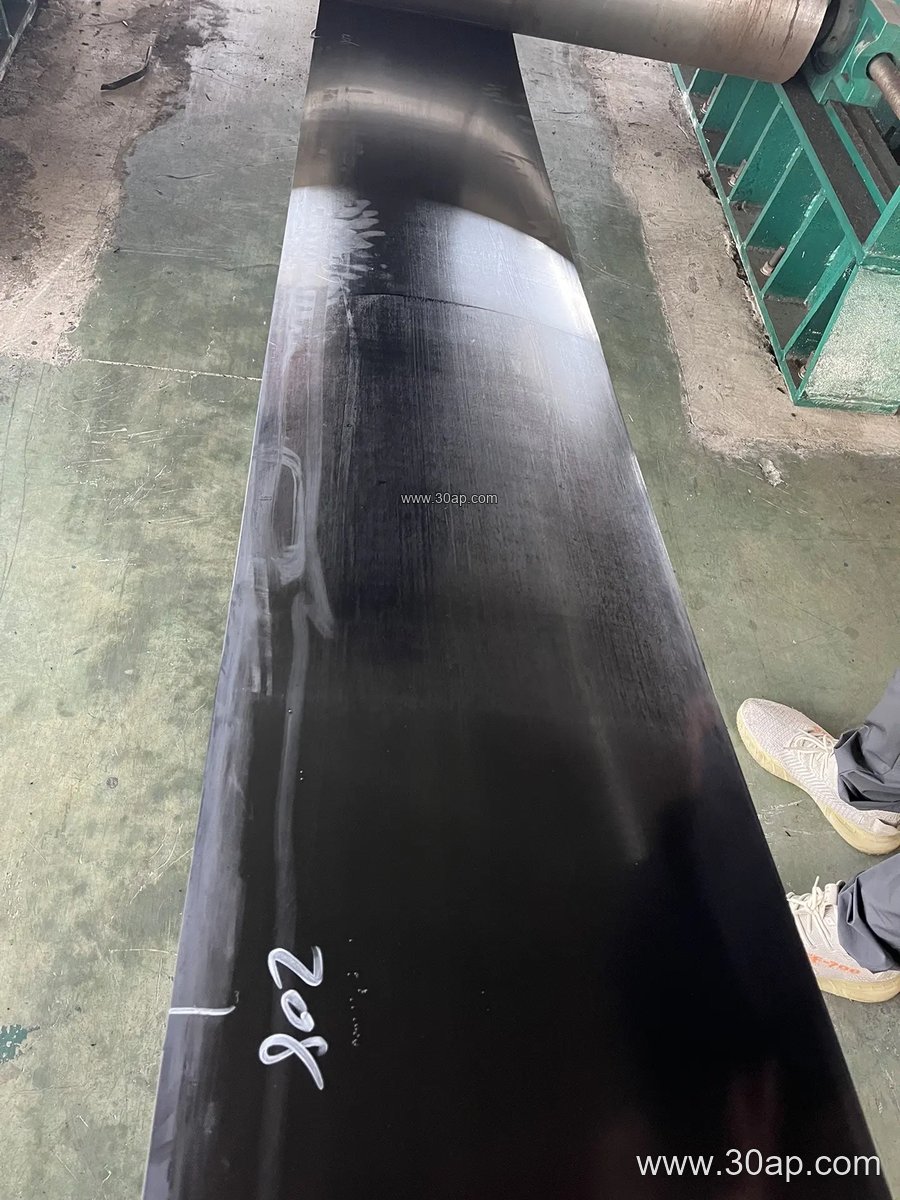
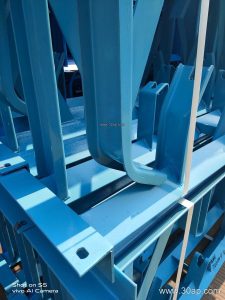
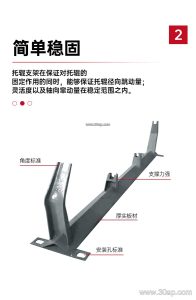
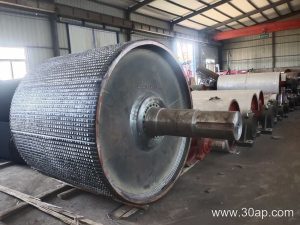
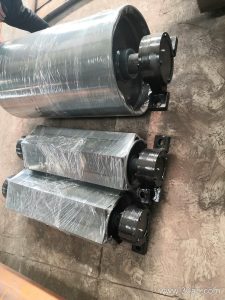
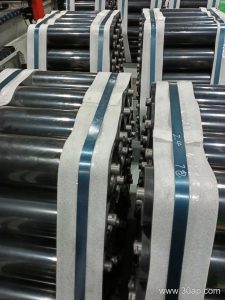
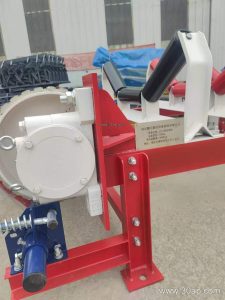
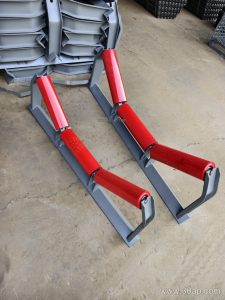
On a typical conveyor, the belt runs over idler rollers and is driven by a head pulley; tail and bend pulleys guide the return path. The belt, pulley, and frame must be compatible, but a fire resistant belt does not replace proper belt tracking, cleaning, and dust control. In fact, fire safety depends on the whole system, including conveyor brackets, guards, and electrical grounding.
Key Specifications and Reference Data
The table below lists common reference values for fire resistant conveyor belts. Actual supply depends on the manufacturer, application, and design requirements.
| Parameter | Common Reference Range |
|---|---|
| Belt width | B500, B650, B800, B1000, B1200, B1400, B1600, B1800, B2000 |
| Fabric strength grades | EP200, EP315, EP400, EP500, EP630, EP800, EP1000, EP1250, EP1600, EP2000 |
| Steel cord grades | ST1000, ST1250, ST1600, ST2000, ST2500, ST3150 (for high tension routes) |
| Cover thickness examples | 3+1.5 mm, 4+2 mm, 5+2 mm, 6+2 mm, 8+3 mm |
| Carcass plies | 2 to 6 plies typical for fabric core |
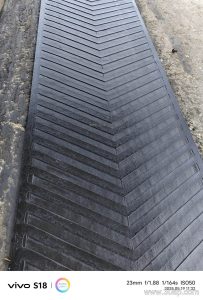
| Special constructions | Chevron conveyor belt, corrugated sidewall conveyor belt, skirted conveyor belt, pipe conveyor belt |
When selecting a belt, consider the material being carried, lump size, drop height, ambient temperature, and the presence of oils or chemicals. A fire resistant conveyor belt may also need to meet antistatic requirements, especially in underground coal mining conveyor belt applications. Buyers should ask for the compound grade, carcass type, cover thickness, and test reports relevant to their site conditions.
Buyer Checklist
- Confirm the fire resistance standard or site requirement, but do not assume a single certificate covers all countries.
- Match belt strength and width to the conveyor design, not to a fixed pulley size.
- Check cover thickness and rubber grade against abrasion, heat, and oil exposure.
- Review splice type and edge condition for the proposed belt construction.
- Plan inspection of idler rollers, pulleys, and conveyor brackets so the belt runs true and does not rub.
For more information on fire resistant conveyor belt options and related components, visit fire resistant conveyor belt resources and compare specifications carefully before ordering.