What a Steel Plant Conveyor Pulley Does
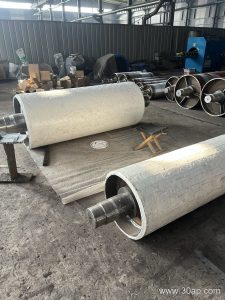
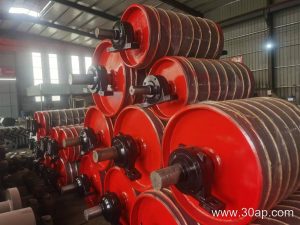
A steel plant conveyor pulley is the rotating drum that turns a conveyor belt and keeps it tracking along the carrying run. In sinter plants, coke handling lines and bulk material transfer houses, this component works under heat, dust and heavy loads, so the drum body, shaft and bearing arrangement must match the duty. The pulley is not a simple roller; it transmits torque, supports belt tension and sometimes helps to change the belt direction.
Drive pulleys, tail pulleys and bend pulleys each have a different job, and they are not interchangeable. A drive or head pulley receives torque from the gearbox and pulls the belt, a tail pulley at the return end helps to keep tension and alignment, and a bend pulley changes the belt path without driving the belt. A snub pulley may be added to increase wrap angle on a drive pulley.
How the Drum Is Built
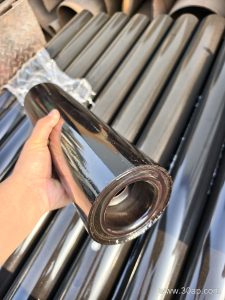
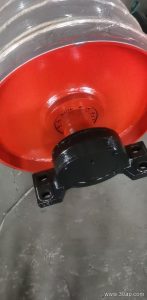
The main parts are the cylindrical shell, the end discs, the shaft and the hub connection. The shell is usually machined or rolled steel, with the face width made slightly wider than the conveyor belt. Common face widths include B400 about 500 mm, B650 about 750 mm, B800 about 950 mm and B1200 about 1400 mm, but these are reference values rather than fixed rules.
Diameters range from about Ø200 mm for small return positions up to Ø1250 mm or more for heavy drive applications. A combination such as B1200 × Ø1000 mm or B1400 × Ø800 mm can appear in steel plant projects, yet one belt width does not automatically decide one pulley diameter. Shaft diameter is calculated from torque, belt tension and bearing load; typical shaft sizes may be Ø80, Ø100, Ø120, Ø160 or Ø200 mm, but the final value follows the design calculation, not the belt width alone.
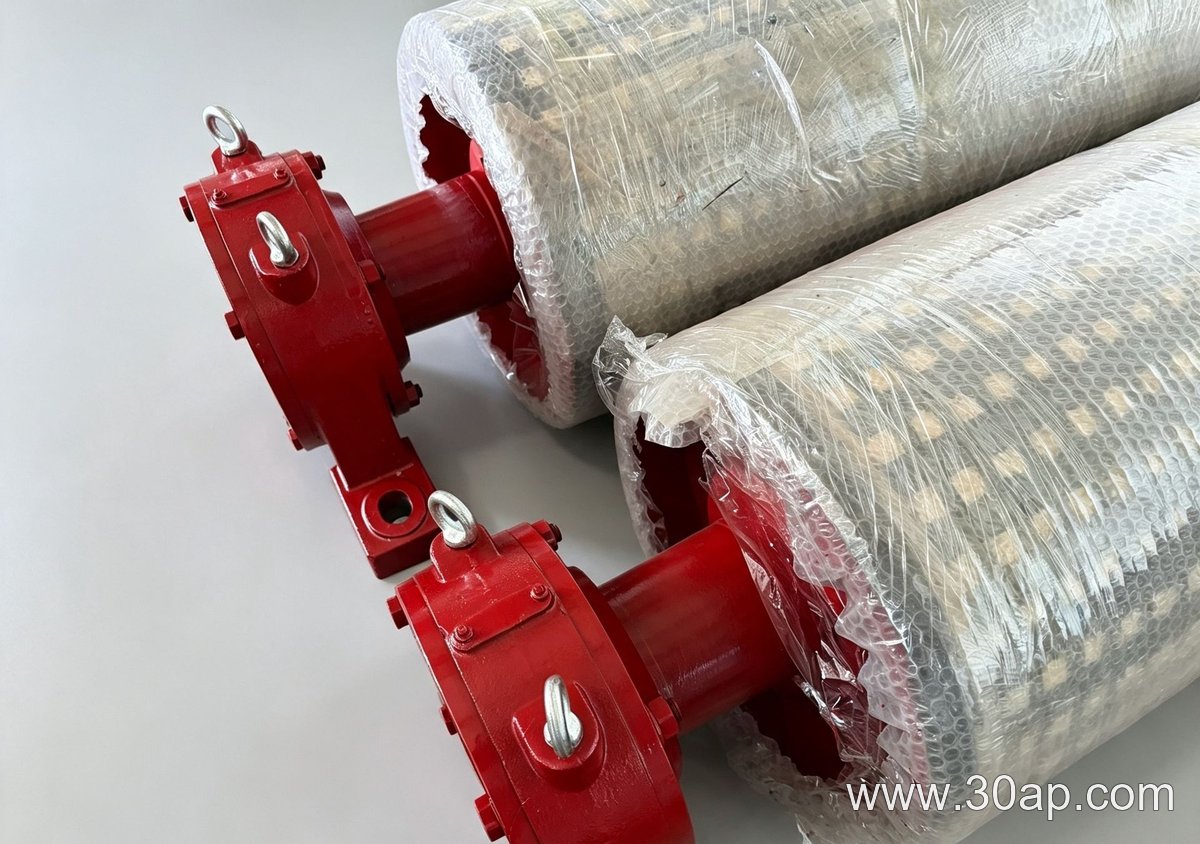
Surface Forms and Grip
The contact surface affects traction and belt wear. Plain finish is common on bend and tail pulleys where grip is not critical. Rubber lagging, applied by hot vulcanizing, cold bonding or casting, improves friction on drive pulleys. Diamond groove lagging and herringbone lagging help to shed water and fines, while ceramic lagging is chosen where slip resistance is a priority. Lagging thickness is often 8, 10, 12, 15 or 20 mm, depending on the duty.
Surface choice should follow the material being carried. In a steel plant, sinter fines, coke breeze and iron ore concentrate can be abrasive or oily, so the lagging pattern and rubber compound need to suit the actual conditions. A conveyor belt with a smooth cover may need a different pulley face than a rough-top belt.
Where It Fits in the Line
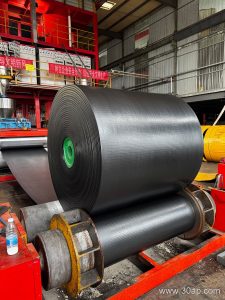
Steel plant conveyor pulleys are found at the head station, the tail station, the take-up section and the transfer points. At the head, a drive pulley pulls the loaded belt after it leaves the last carrying idler roller. At the tail, a tail pulley turns the belt back toward the load zone. A bend pulley may be placed before the drive to guide the belt and increase the contact angle. A take-up pulley works with the tensioning device to keep the belt from slipping.
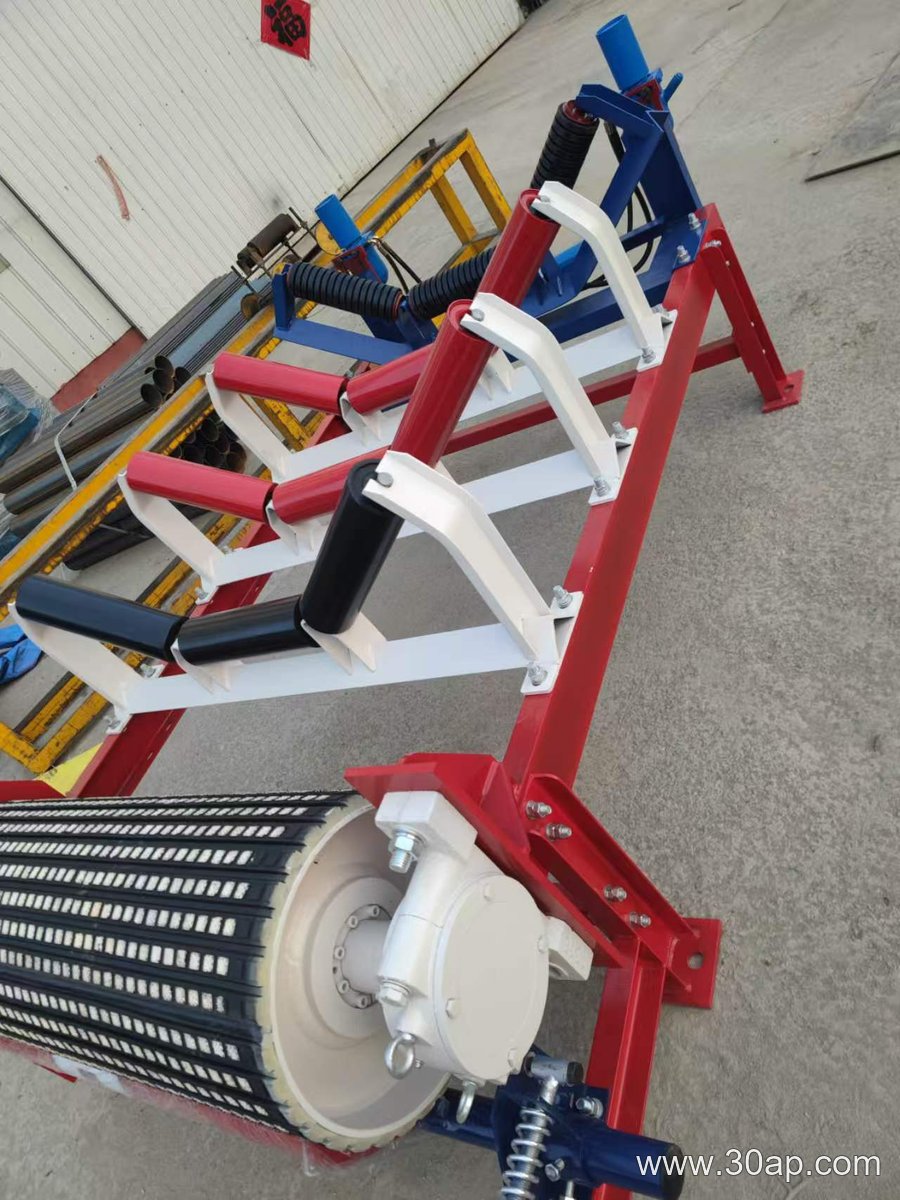
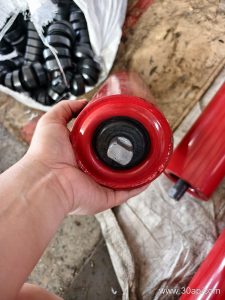
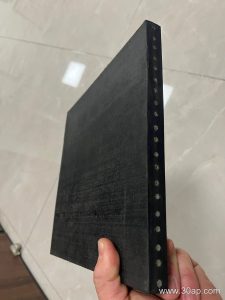
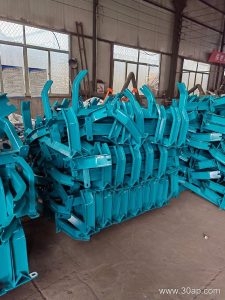
The pulley sits inside a conveyor frame and is supported by bearings on a conveyor bracket. Nearby equipment includes the conveyor belt, carrying and return idler rollers, and the structural brackets that hold the assembly. Each of these parts must be aligned so the belt does not run off the drum.
What Buyers Should Check
Before ordering, confirm the belt width, the required drum diameter and face width, the shaft size and the bearing type. Ask about the lagging material and thickness, the balancing grade and the welding quality of the end discs. A steel plant often needs a pulley that can handle continuous operation, so the bearing selection and lubrication method matter as much as the shell thickness.
It also helps to state the position in the conveyor: head, tail, bend or take-up. A pulley ordered for a drive duty may need a larger shaft and stronger lagging than one used only as a bend pulley. Maintenance crews should check lagging wear, bearing temperature and belt tracking at regular intervals, because a worn lagging surface can cause slip and belt damage.
For a quotation, send the belt width, the desired pulley diameter, the face width, the shaft diameter if known, the lagging type and the mounting position. With those details, a supplier can propose a steel plant conveyor pulley that fits the line rather than a generic drum.