What a Carbon Steel Conveyor Bracket Does on a Belt Line
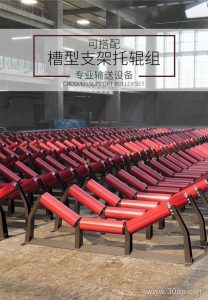
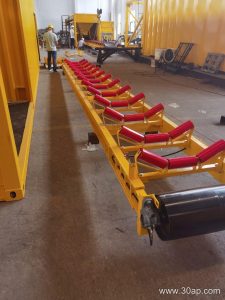
A Carbon Steel Conveyor Bracket is the structural support that holds idlers in position and keeps a conveyor belt running in the intended profile. In a quarry, a cement plant, or a power plant coal yard, the bracket carries the weight of the belt, the material, and the idler roller itself, then transfers that load into the conveyor frame. Because it is fabricated from carbon steel, it offers a practical balance of stiffness, weldability, and cost, and it is available in configurations for carrying, transition, and return positions.
The same item is often called a steel conveyor idler bracket or a conveyor support bracket. These names describe the same product; the choice of words usually depends on the plant’s maintenance vocabulary rather than on a design difference. What matters is matching the bracket style to the station it serves.
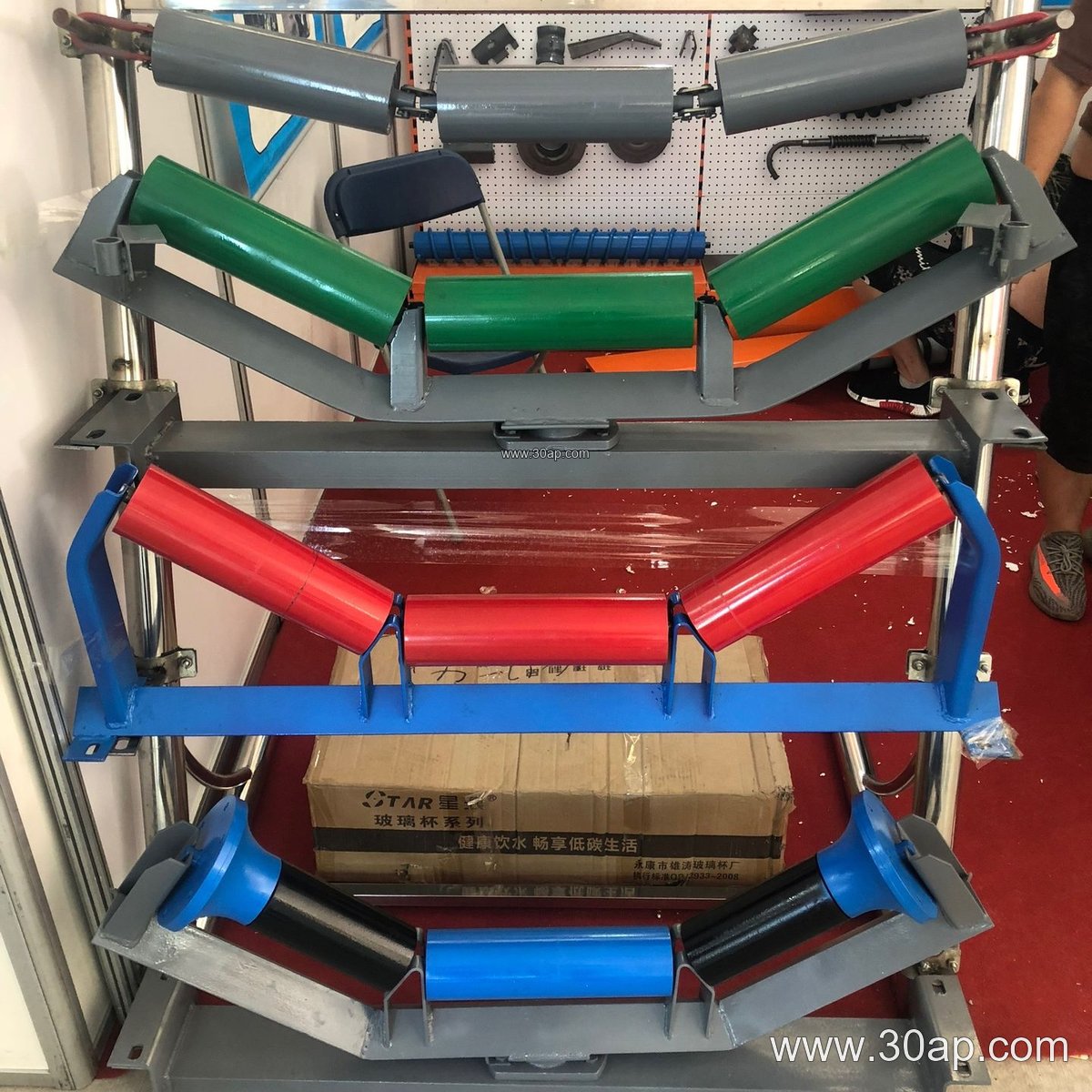
How the Bracket Is Built
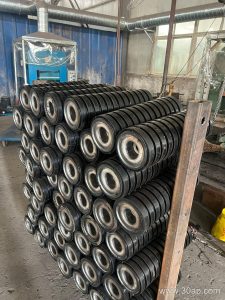
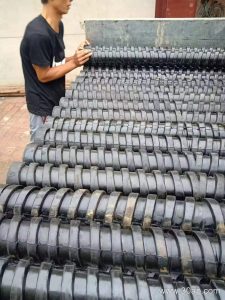
Most units are formed from angle steel, channel steel, or folded steel plate. A typical troughing bracket uses a crossbeam and angled mounting faces that set the side idlers at a defined trough angle. Return brackets are flatter in form and position the return idler beneath the belt. Fabrication usually involves cutting, punching or drilling mounting holes, bending, and welding, followed by a protective coating such as paint or galvanizing where the site conditions call for it.
Key details a buyer can check include the hole spacing, the crossbeam length, the weld quality, and the uniformity of the trough angle from bracket to bracket. Installation hole spacing and beam length change with belt width and trough angle, so they are confirmed against the drawing rather than assumed from a single figure.
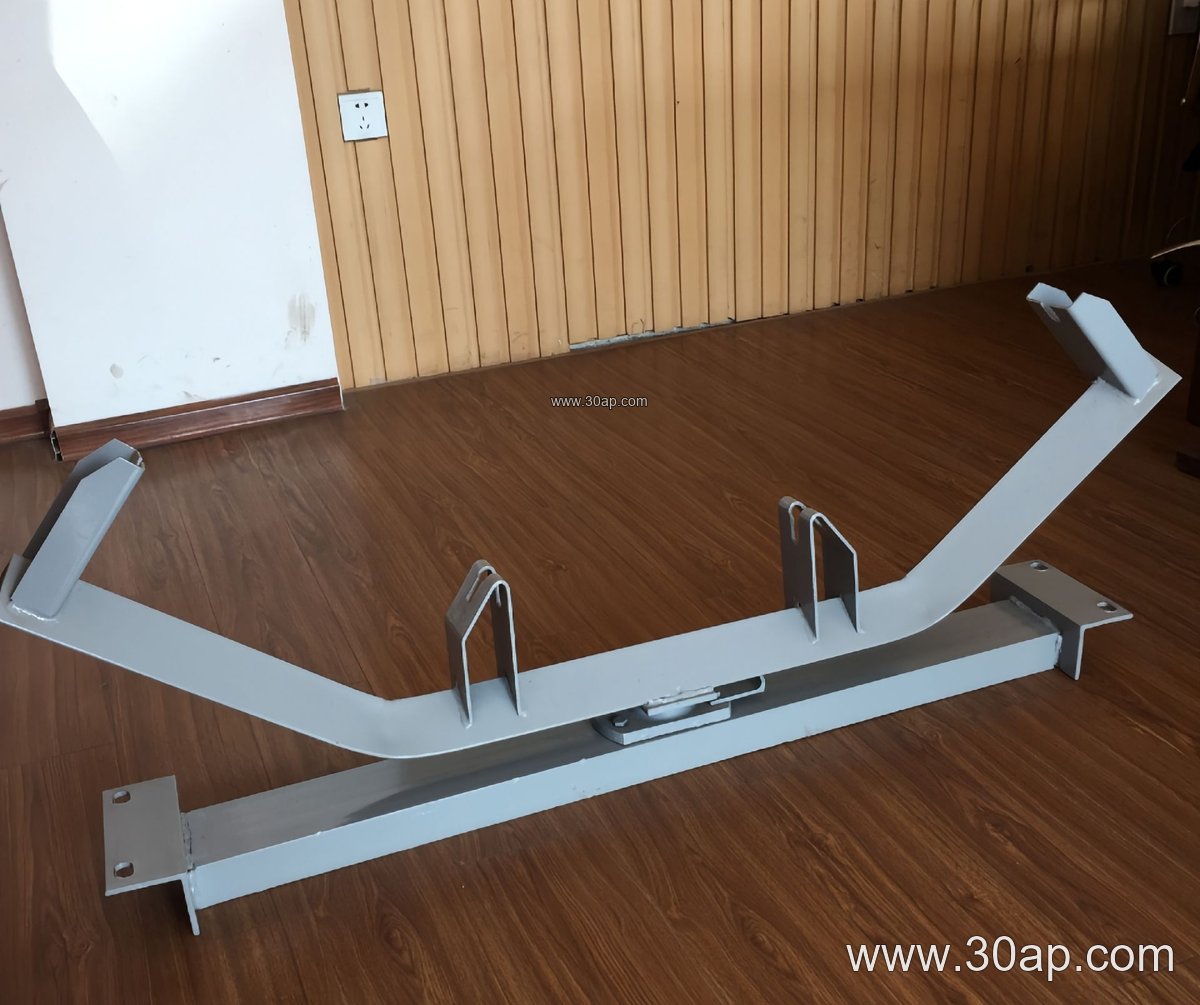
Common Forms and Where They Sit
- Troughing brackets at carrying stations, often with 20, 30, 35, or 45 degree trough angles.
- Transition brackets near pulleys, where the belt changes shape gradually.
- Return brackets and V-return brackets under the carrying run.
- Impact brackets at load points, paired with cushion idlers.
- Self-aligning brackets that help correct belt drift.
- Adjustable brackets that allow the trough angle to be set on site.
- Suspended brackets for certain frame layouts.
Typical reference combinations include B800 with a 35 degree angle and Ø108 idlers, or B1200 with 45 degrees and Ø133 idlers. These are examples of how width, angle, and roller diameter are written together, not fixed pairings. A B650 line with 30 degrees and Ø89 rollers is also common in lighter duty work.
Reference Data for Planning
| Item | Typical reference values |
|---|---|
| Belt width | B500, B650, B800, B1000, B1200, B1400, B1600, B1800, B2000, B2200 |
| Trough angle | 20°, 30°, 35°, 45°; adjustable types can be set within this range |
| Idler diameter | Ø89, Ø108, Ø133, Ø159, Ø194 |
| Material | Angle steel, channel steel, folded steel plate |
Forward-leaning brackets are sometimes set at about 1.5 to 2 degrees to assist belt tracking. Values in the table are general references and should be confirmed against the conveyor design.
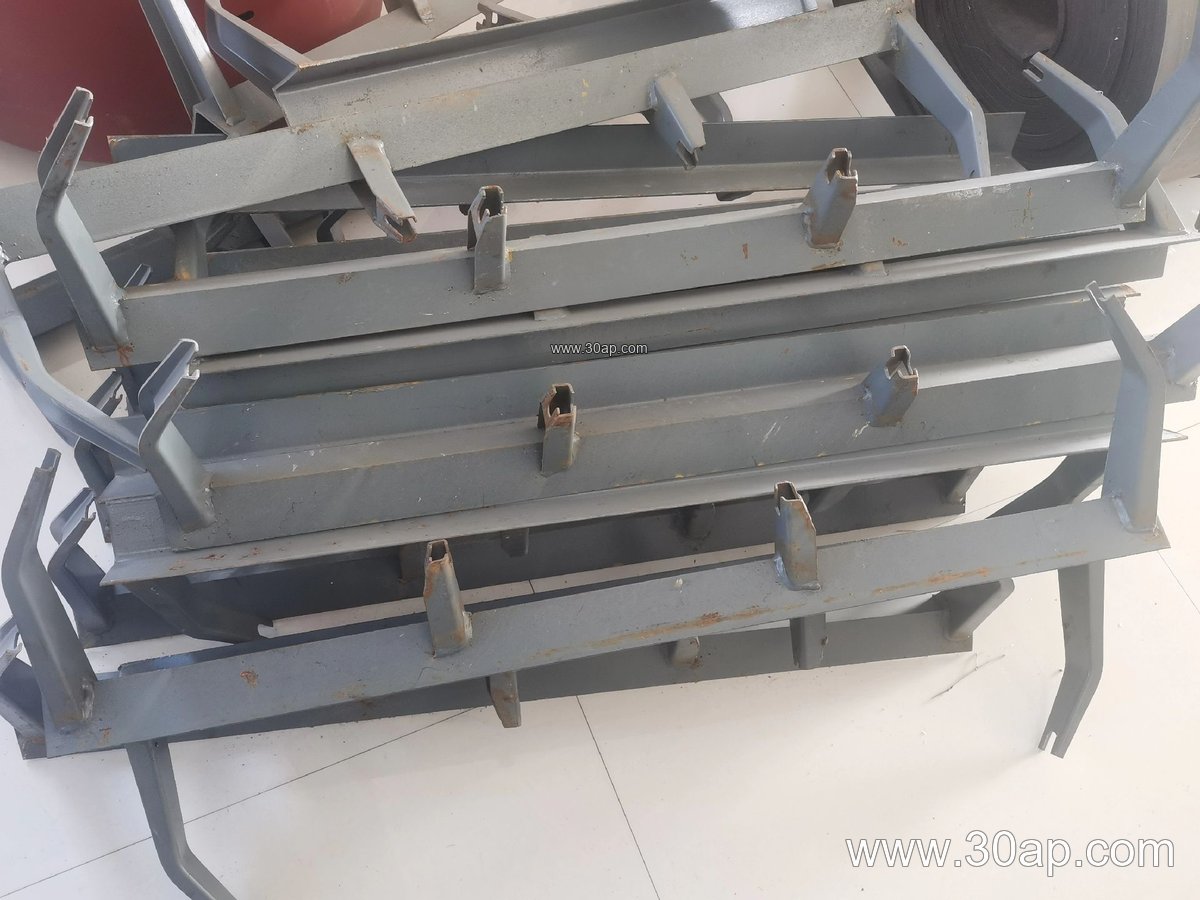
Where These Brackets Are Used
In a limestone quarry or a crushing and screening line, troughing brackets support the belt through loading and transfer points, while return brackets keep the lower run steady. In a cement plant, dust and fine material make clean mounting faces and secure bolts important. In a power plant coal handling system, flame retardant and fire resistant belt grades are often specified, and the bracket must suit the same frame and idler layout.
The bracket works alongside the conveyor belt, the idler roller, and the conveyor pulley, so alignment across all three matters. A worn bracket can tilt an idler slightly and cause edge wear on an abrasion resistant belt or a heavy-duty mining belt. Matching bracket condition to belt type is part of routine inspection.
Buyer Checklist
- Confirm belt width, trough angle, idler diameter, and mounting hole spacing.
- State whether the position is carrying, transition, return, or impact.
- Choose fixed or adjustable brackets based on how much field tuning is expected.
- Check material thickness and coating for the site environment.
- Keep spare brackets for high-wear load zones.
For plant engineers comparing suppliers, a clear drawing of the Carbon Steel Conveyor Bracket with dimensions is more useful than a general catalog photo. Whether the line runs an EP conveyor belt or a steel cord conveyor belt, the bracket’s job stays the same: hold the idler true, keep the belt supported, and make maintenance straightforward.