What a Galvanized Conveyor Bracket Does on the Line
A galvanized conveyor bracket is the steel support that holds idler rollers in the correct position under a moving belt. It carries the weight of the belt, the material load and the roller itself, and it fixes the trough angle that shapes the belt into a carrying profile. In a quarry, a cement plant or a power plant coal yard, these brackets are usually the most numerous fabricated parts on the conveyor, so their coating and stiffness matter as much as the roller inside them.
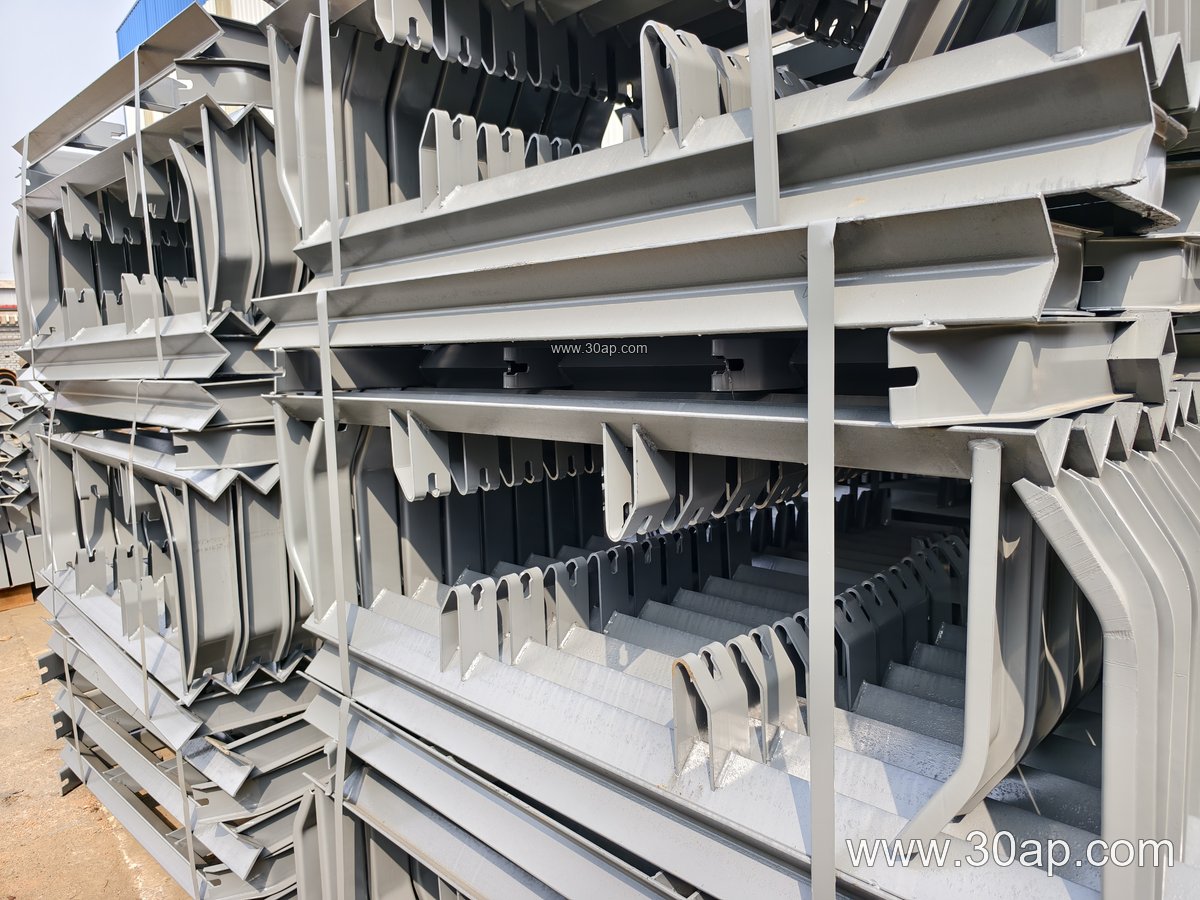
The galvanized finish is hot-dip or pre-galvanized zinc coating applied to angle steel, channel steel or folded plate. It resists rain, washdown water and the slightly acidic dust found in coal and ore handling, which is why many outdoor and semi-outdoor conveyors specify it instead of plain painted steel.
How the Bracket Is Built
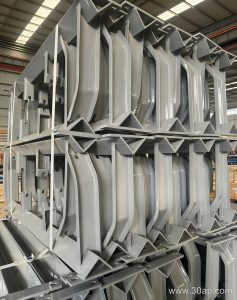
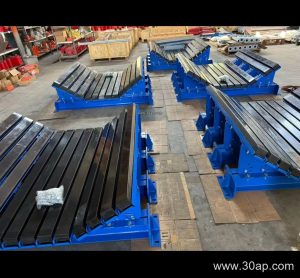
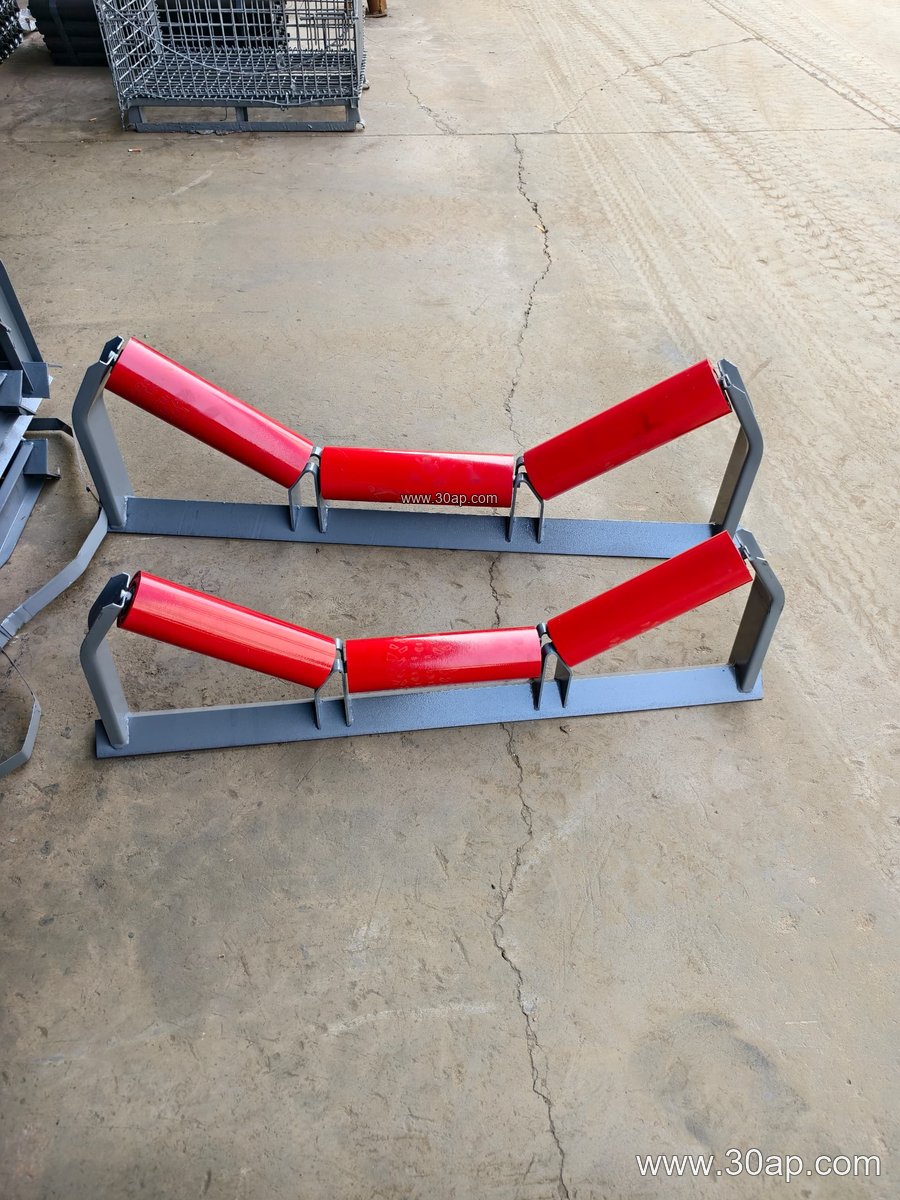
A typical troughing bracket consists of a base beam, two or three roller seats and mounting holes that match the conveyor frame. The seats are set at the trough angle, and the whole assembly is bolted or welded to the stringer. Return brackets are simpler: a flat or V-shaped seat that supports the return roller.
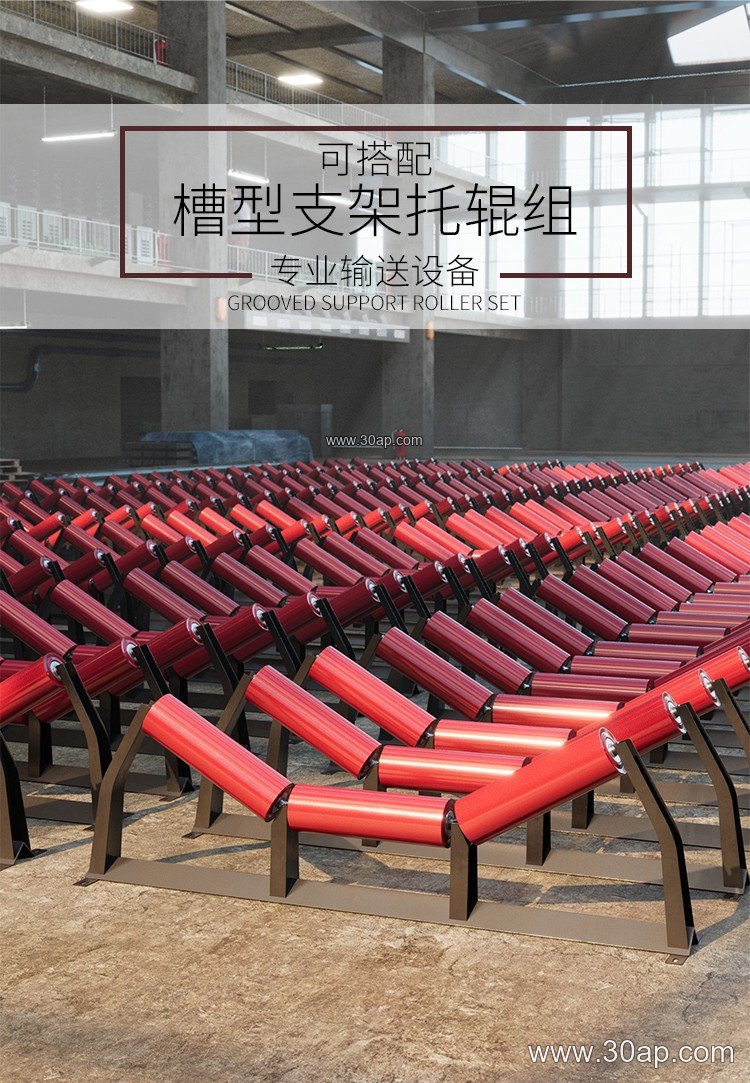
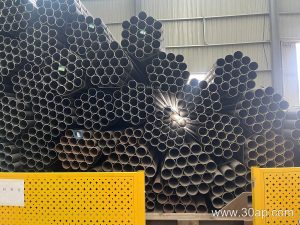
Common materials are angle steel, channel steel and folded steel plate. The bracket must be stiff enough that the roller does not sag between supports, but it should not be so heavy that installation becomes difficult. Hole spacing and beam length are determined by belt width and trough angle, so they change from project to project rather than following one fixed number.
Common Types and Where They Sit
- Troughing bracket – carries the loaded side of the belt, usually with 2 or 3 rollers.
- Transition bracket – steps the belt from flat at the pulley to full trough, reducing edge stress.
- Return bracket – supports the empty side, flat or V-shaped.
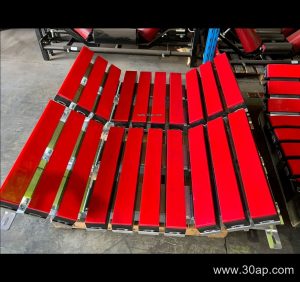
- Impact bracket – fitted under the loading point, often with cushion rollers.
- Self-aligning bracket – corrects belt drift on long runs.
- Adjustable bracket – allows the trough angle to be changed on site.
These are not interchangeable with drive, tail or bend pulleys, which are separate components with their own shafts and bearings. A bracket only positions the roller; it does not transmit drive torque.
Trough Angle, Belt Width and Roller Diameter
Trough angle is chosen from the material and the belt. Twenty degrees suits wide, easily disturbed belts; thirty and thirty-five degrees are common in aggregate and cement service; forty-five degrees gives a deeper trough for high tonnage. An adjustable bracket can be set between these angles during commissioning.
Belt width and roller diameter are matched by design, not by a single rule. A few representative combinations are shown below for reference only.
| Belt width | Trough angle | Roller diameter | Typical duty |
|---|---|---|---|
| B650 | 30 degrees | Ø89 | Light aggregate, sand |
| B800 | 35 degrees | Ø108 | General quarry duty |
| B1000 | 35 degrees | Ø108 / Ø133 | Cement clinker, coal |
| B1200 | 45 degrees | Ø133 | Iron ore, heavy bulk |
| B1400 | 35 degrees | Ø159 | Port and stockyard |
| B1600–B2000 | 35–45 degrees | Ø159 / Ø194 | High tonnage main lines |
These pairs are common practice, not a fixed rule: a B1000 conveyor may use Ø108 or Ø133 rollers depending on load and speed, and the same belt width can run at 30 or 35 degrees. The bracket must match whatever the roller diameter and angle the design calls for.
Where Galvanized Brackets Are Used
In a limestone quarry and a crushing-screening line, galvanized troughing brackets keep dust-covered rollers aligned through wet and dry seasons. In a coal-fired power plant, they support the belt that feeds the bunkers, where washdown and coal dust attack bare steel quickly. Similar brackets appear in iron ore stockyards and port ship loaders, often paired with an abrasion resistant conveyor belt or a steel cord conveyor belt on the main line. In cement plants, heat resistant conveyor belt sections near the kiln still rely on the same bracket frame, though the roller specification changes.
Downstream equipment matters too. A crusher conveyor belt, an ore conveyor belt or a bulk material conveyor belt all sit on the same basic support structure, so bracket spacing and stiffness should follow the belt tension and load, not the product name. Where a fabric core conveyor belt such as an EP conveyor belt or NN conveyor belt is used on a medium-duty line, standard galvanized brackets are usually sufficient; heavy-duty mining conveyor belt installations may call for thicker channel sections.
Buyer Checklist
- Confirm belt width, trough angle and roller diameter before ordering.
- State the mounting hole pattern and frame spacing, since these vary with design.
- Ask for the zinc coating weight and whether the bracket is hot-dip or pre-galvanized.
- Check that the bracket is rated for the roller load, especially at impact points.
- For corrosive or washdown areas, consider a heavier coating rather than a painted finish.
For matching rollers, belts and pulleys, buyers can review conveyor idler roller and conveyor pulley options at www.beltconveyorparts.com alongside the bracket selection. A correctly specified galvanized conveyor bracket is a low-cost part that protects a much more expensive belt, so it deserves the same attention as the roller it carries.