What a High Abrasion Resistant Conveyor Belt Is
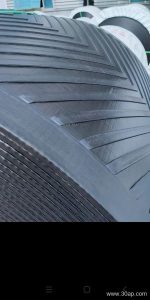
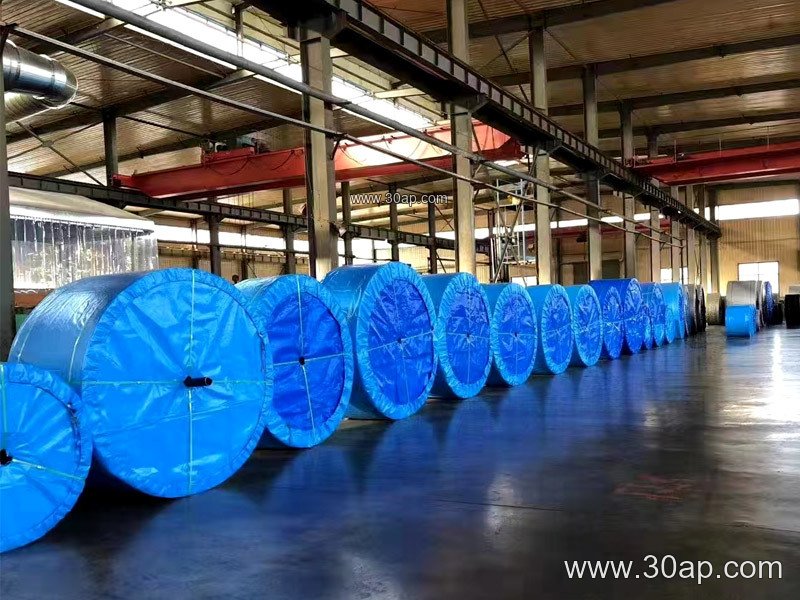
A high abrasion resistant conveyor belt is a rubber conveyor belt built to survive the constant scuffing, cutting and gouging that comes with moving hard, sharp bulk materials. In a quarry, a cement plant, a coal preparation facility or an iron ore terminal, the belt surface meets stone, clinker, sinter and ore day after day. The cover compound on this belt is formulated to resist wear, so the belt keeps its thickness and grip for longer instead of polishing away in a few months.
This is not a separate family of belting so much as a performance class within fabric and steel cord construction. It can be supplied as an EP conveyor belt, an NN conveyor belt or a steel cord conveyor belt, with the abrasion resistant cover as the defining feature.
How the Belt Is Built
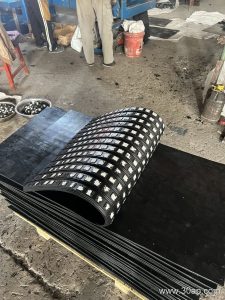
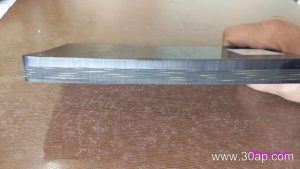
The strength of the belt sits in its carcass. A multi-ply fabric core uses several layers of EP or NN fabric, while a steel cord belt uses parallel brass-plated cords for very long runs and high tension. Around that carcass sit the skim rubber, the edge protection and the top and bottom covers. The abrasion resistant cover is usually a high-grade natural or SBR rubber blend with good tear strength, because a hard surface alone is not enough: it must also resist cutting by sharp edges.
Cover thickness is given as top plus bottom, for example 4+2 mm or 6+2 mm. A thicker top cover gives more wear allowance, which matters at transfer points and crusher discharge. Edge wear is another weak spot, so quality belts are built with a well-calibrated edge rather than a simple cut.
Common Specifications
The table below shows typical reference values. Actual supply depends on the conveyor design, the material and the manufacturer.
| Property | Typical reference range |
|---|---|
| Carcass type | EP fabric, NN fabric, steel cord |
| Strength grades (EP) | EP200, EP315, EP400, EP500, EP630, EP800, EP1000, EP1250, EP1600, EP2000 |
| Belt width | B500, B650, B800, B1000, B1200, B1400, B1600, B1800, B2000 |
| Cover thickness | 3+1.5, 4+2, 5+2, 6+2, 8+3 mm |
| Fabric plies | Usually 2 to 6 plies |
For heavy crusher feed, an EP1000 or EP1250 belt at 1200 mm or 1400 mm width is a common combination, but the final choice should follow the calculated tension, not habit. A steel cord belt such as ST1250 may suit a long overland run where fabric belts would need too many plies.
Where It Fits in the Plant
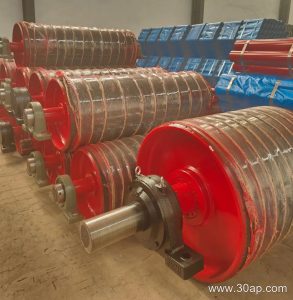
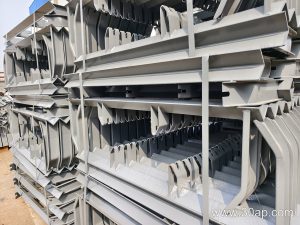
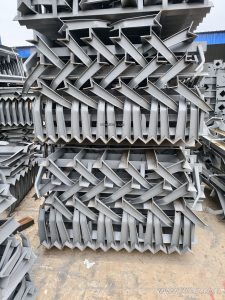
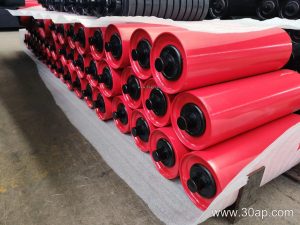
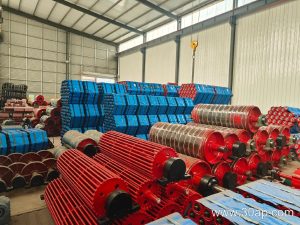
The belt works alongside conveyor pulleys, idler rollers and conveyor brackets. Drive pulleys transmit the motion, tail pulleys return the belt, and bend pulleys guide it through transitions. Each of these has its own job and none should be treated as a substitute for another. Idler rollers support the loaded belt and affect how evenly the cover wears.
Typical duty points include:
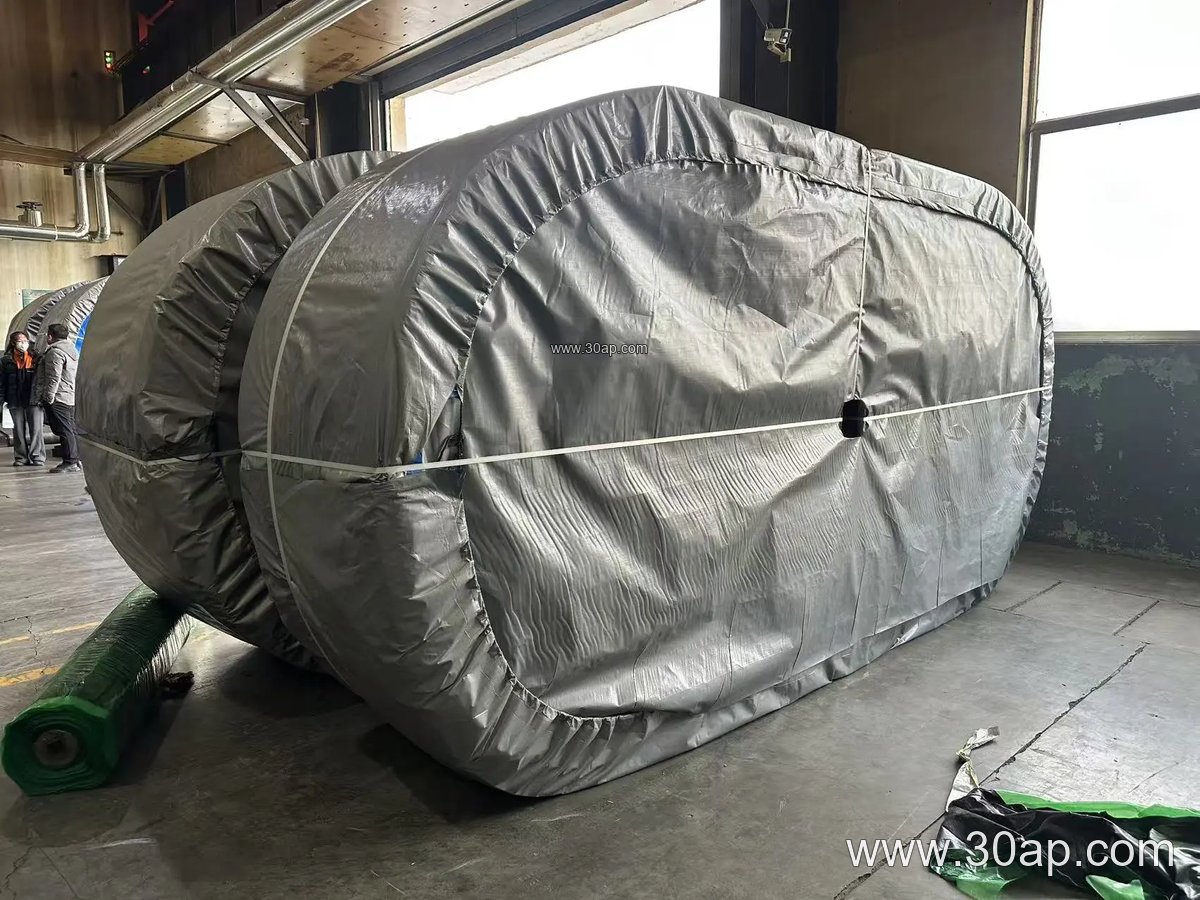
- Primary and secondary crusher discharge in stone crushing and sand making plants
- Clinker and limestone handling in cement plants
- Coal and run-of-mine ore transport in mining operations
- Ore and pellet handling at ports and ship loading facilities
- Aggregate and recycling lines with mixed, abrasive feed
For underground coal mining, a flame retardant conveyor belt or PVG conveyor belt may be required by site rules, and the abrasion resistant cover can be combined with that rating. Where material is hot, a heat resistant conveyor belt is the correct choice instead, because abrasion resistance alone does not address temperature.
Choosing and Maintaining the Belt
Buyers should start with the material: size, shape, moisture and temperature. Sharp, large lumps call for a thicker cover and often an impact resistant conveyor belt construction at the load point. Fine, dry abrasive dust wears the cover more evenly but steadily. Belt speed, trough angle and loading height all change the wear pattern.
Check that the pulley diameters and idler spacing suit the carcass flexibility; a stiff belt over a small pulley can crack. Keep the belt tracking straight, since edge contact with structure damages the cover quickly. Inspect the discharge point for build-up and worn skirts, and check that the belt cleaner is set with light, even pressure. A well-run line with correct tension and aligned idlers will get far more life from a high abrasion resistant conveyor belt than a neglected one.
Finally, store spare belts off the ground, away from sunlight and ozone sources, and splice with the correct method for the carcass. For more on abrasion resistant conveyor belt selection, fabric core and steel cord options, visit www.example.com/abrasion-resistant-conveyor-belt and compare conveyor belt, idler roller and conveyor pulley data before ordering.