What a Mining Conveyor Belt Is
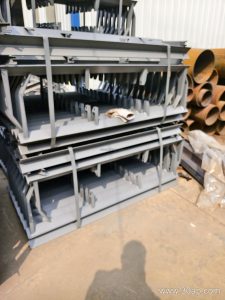
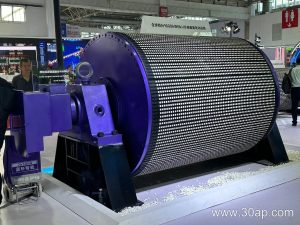
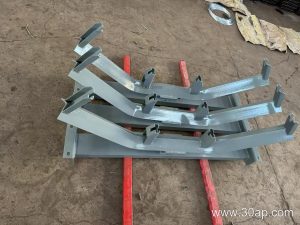
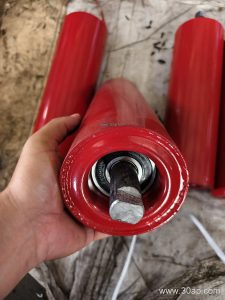
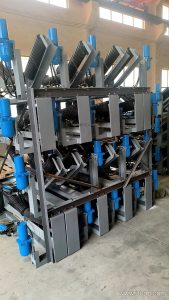
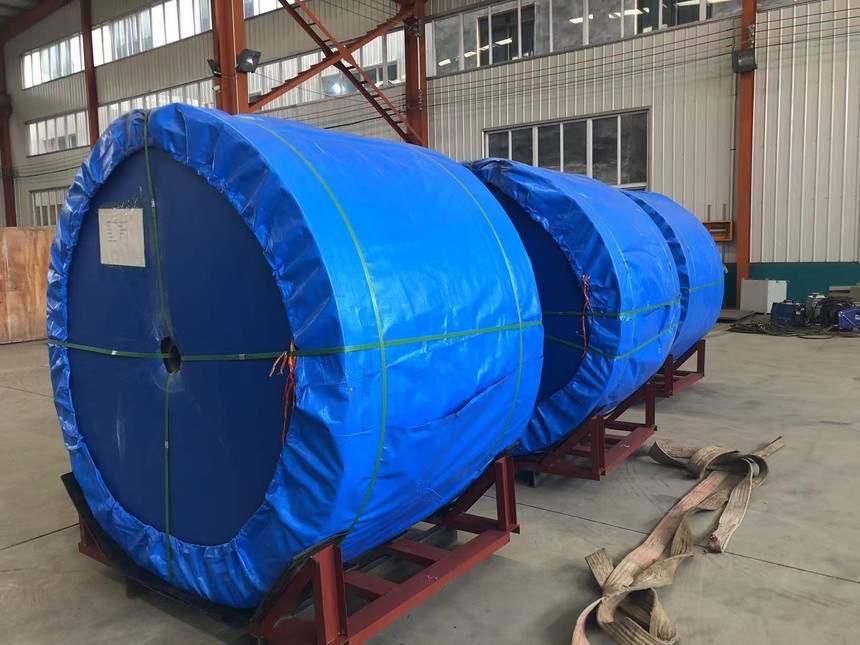
A mining conveyor belt is the load-carrying element of a continuous bulk handling system. In a mine, quarry, cement plant, power plant, or sand and gravel yard, it moves crushed rock, ore, coal, clinker, and aggregate between the crusher, stockpile, and load-out point. The belt is usually a rubber-covered, fabric-reinforced or steel-cord-reinforced slab that runs over a frame of idler rollers, driven by a conveyor pulley at the head and returned by a tail pulley, with conveyor brackets holding the structure together. Because the belt is the most expensive single component to replace, matching the cover compound and carcass to the duty is the core of selection.
How the Belt Is Built
Most heavy-duty mining belts combine three elements: a carcass, a top cover, and a bottom cover. The carcass carries tension and absorbs impact; the covers protect it from abrasion, moisture, and heat.
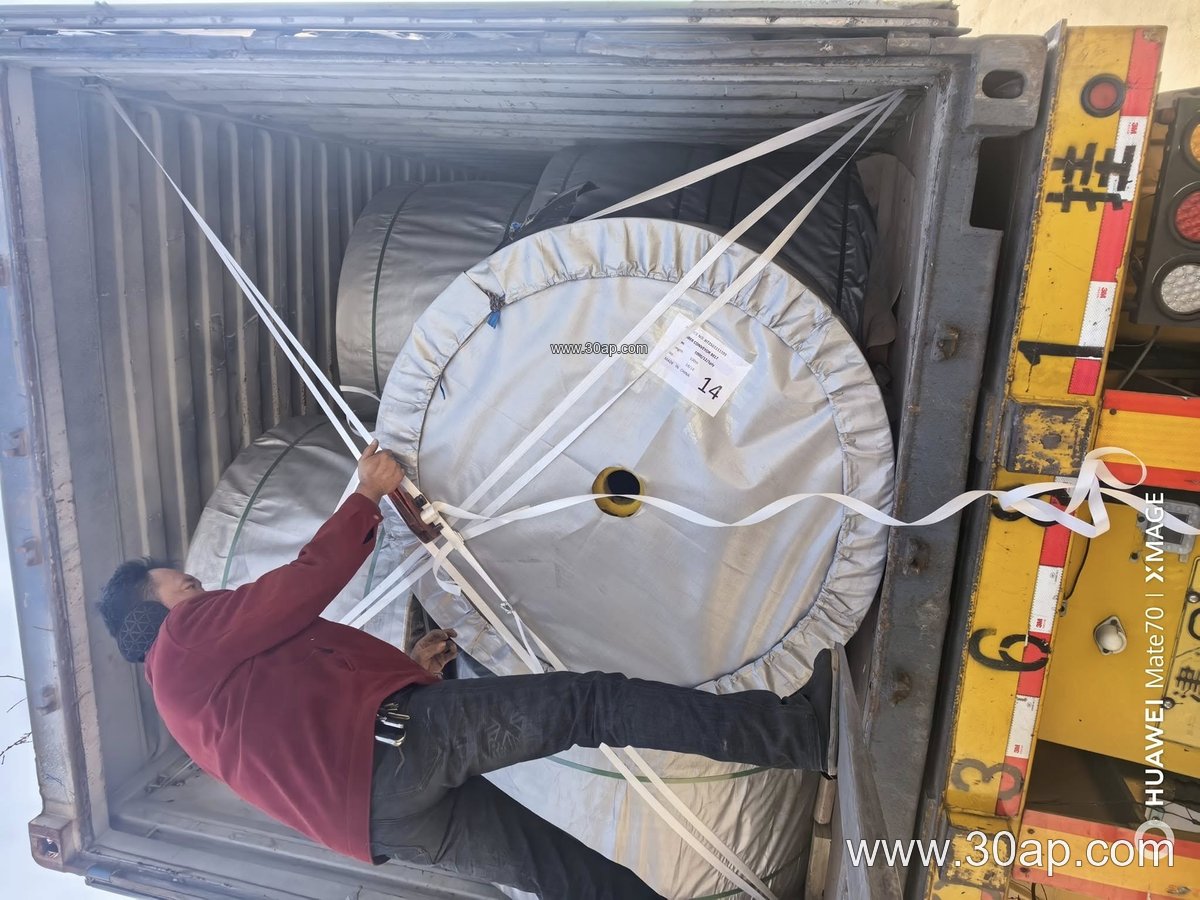
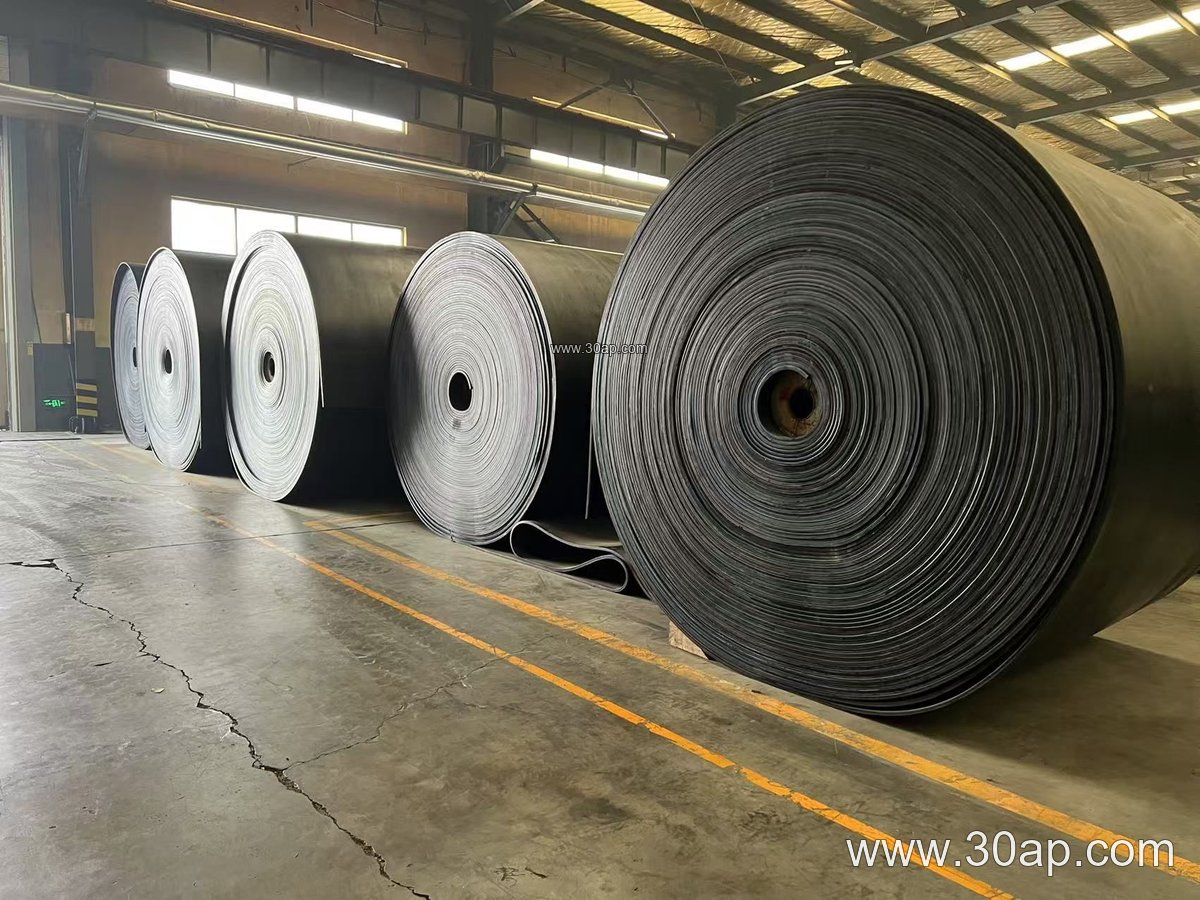
- Fabric core: EP (polyester-cotton) or NN (nylon-nylon) plies, typically 2 to 6 layers, bonded into a multi-ply fabric core. EP fabrics resist stretch and moisture; NN fabrics absorb shock and flex well.
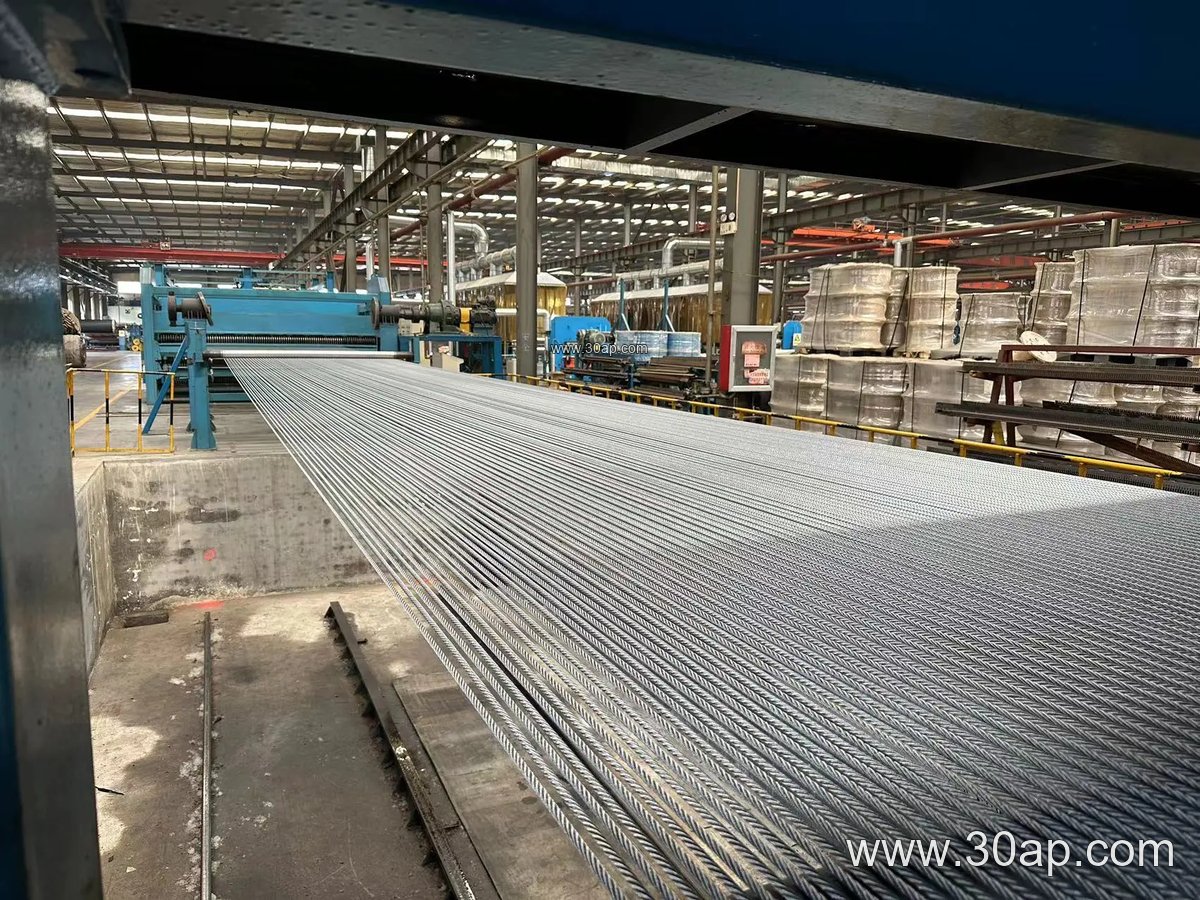
- Steel cord: parallel steel cables embedded in rubber, used for long runs and high tension where a single, very strong carcass is preferred.
- Solid woven PVC/PVG: a single woven carcass saturated with PVC or PVG, common in underground coal mining where flame resistance and anti-static behavior are required.
Cover thickness is usually quoted as top plus bottom, for example 4+2 mm or 6+2 mm, while 3+1.5 mm and 8+3 mm appear in lighter and heavier duties respectively. A thick cover extends wear life in abrasive rock service but adds weight and stiffness.
Common Types and Where They Fit
Mine operators rarely buy a generic belt. The compound and construction follow the material and the environment.
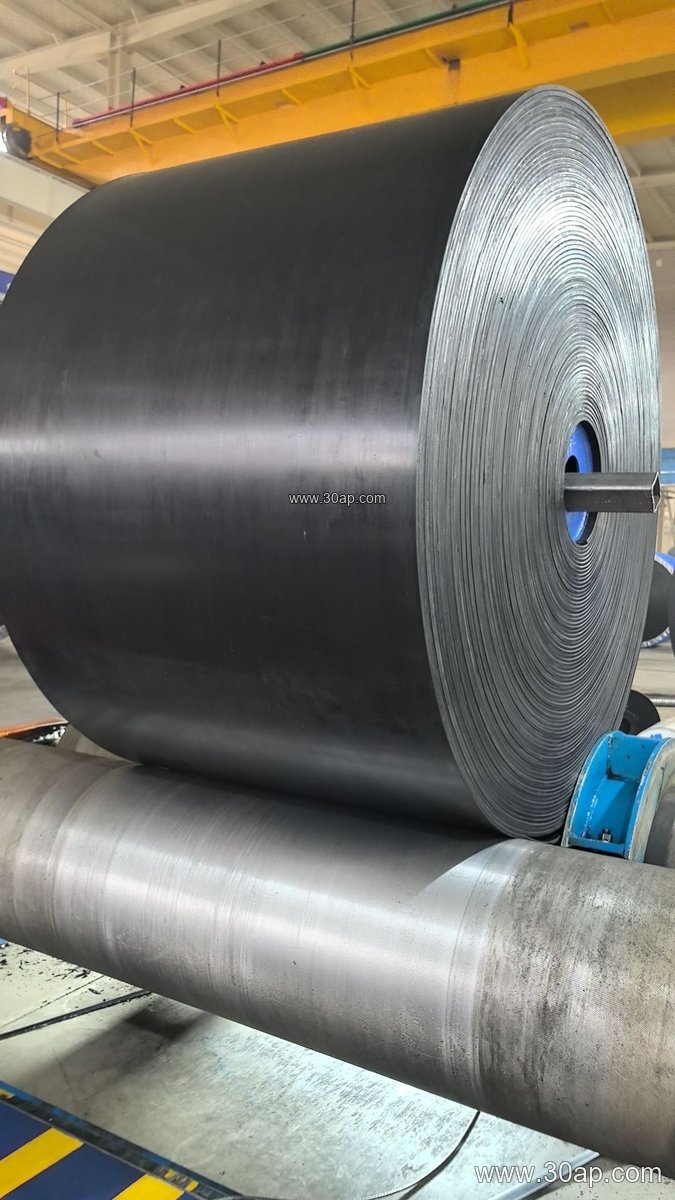
- Abrasion resistant conveyor belt: the default for crushed stone, iron ore, copper ore, and quarry rock.
- Flame retardant / fire resistant: required in coal mining and underground coal mining, often paired with anti-static properties.
- Heat resistant: for cement clinker, sinter, and power plant ash where surface temperature is elevated.
- Oil resistant and chemical resistant: for oily ore, recycled material, and acidic or alkaline slurries.
- Cold resistant: for sites with sub-zero startup conditions.
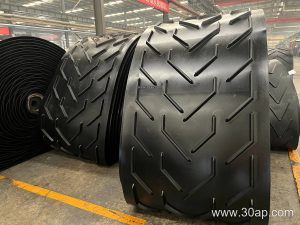
- Chevron, skirted, and corrugated sidewall belts: for steep inclines or to contain material on narrow frames.
- Pipe conveyor belt: where dust control and route flexibility matter around ports and plants.
Endless conveyor belt construction, where the belt is spliced at the factory, is sometimes chosen for short, fixed centers to reduce joint risk.
Typical Strength and Width Ranges
The tables below show commonly referenced grades; actual values are determined by the conveyor design, and different manufacturers publish different limits.
Fabric Core Grades (EP / NN)
| Grade | Typical Use |
|---|---|
| EP200 / NN200 | Short to medium runs, aggregate and sand plants |
| EP400 / NN400 | General quarry and cement duty |
| EP630 / NN300 | Medium-heavy ore and coal haulage |
| EP800 / EP1000 | Heavy-duty mining main lines |
| EP1250 / EP1600 | High-tension, long-distance fabric belts |
| EP2000 | Very high strength fabric applications |
Steel Cord Grades
| Grade | Typical Use |
|---|---|
| ST1000 / ST1250 | Medium-length main haulage |
| ST1600 / ST2000 | Long overland and plant transfer belts |
| ST2500 / ST3150 | High-capacity ore and coal trunk conveyors |
Belt Widths
Common widths include B500, B650, B800, B1000, B1200, B1400, B1600, B1800, and B2000, with wider extra-wide belts used on large port and plant systems. A 1200mm wide conveyor belt or 1500mm wide belt is typical of medium-capacity main lines, while 1800mm wide and 2000mm belts suit high-tonnage ore handling. Width and pulley diameter are matched by design, not by a fixed rule, so a given width can work with more than one head pulley size.
Buyer Checklist
- Confirm the material: lump size, moisture, temperature, oil content, and abrasiveness.
- State the duty: hours per day, tonnage per hour, incline, and whether the belt runs underground.
- Provide the conveyor geometry: centers, trough angle, pulley diameters, and take-up type.
- Check the splice method and whether an endless belt is feasible.
- Verify the flame retardant and anti-static requirement in writing for coal and underground service.
- Confirm cover thickness, ply count, and edge condition against the actual wear points.
For a reliable Mining Conveyor Belt supply, share the full duty profile rather than a single dimension. A belt that matches the abrasion, impact, and tension profile will outlast one chosen only by width or price.