What a 1600mm Conveyor Belt Is
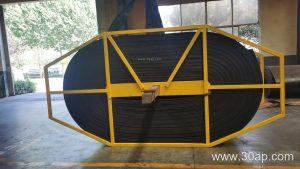
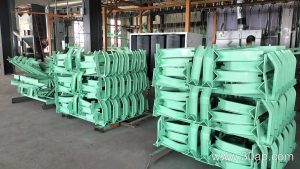
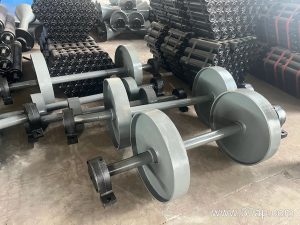
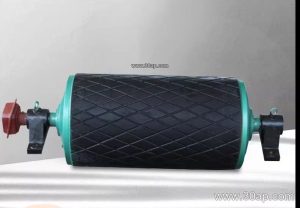
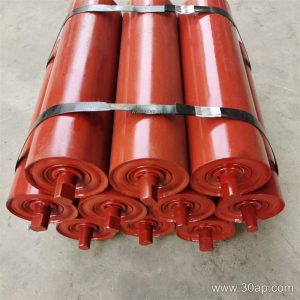
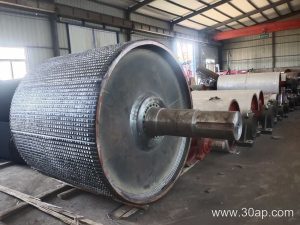
A 1600mm conveyor belt is a wide-format belt designed for high-capacity bulk material handling. The 1600mm figure refers to the belt width, which is a key dimensional parameter that influences the maximum lump size, the achievable throughput, and the compatibility with the conveyor structure. This width is common in heavy-duty applications where large volumes of material must be moved efficiently, such as in mining, cement plants, power stations, and large quarries. The belt itself is typically part of a complete conveyor system that includes idler rollers, conveyor pulleys, and conveyor brackets, all selected to match the belt width and the load requirements.
Construction and Common Types
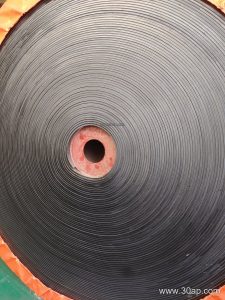
The construction of a 1600mm conveyor belt varies with the intended service. The carcass provides strength and resistance to impact and tearing, while the cover rubber protects against wear, heat, oil, or fire. Several carcass types are available, and the choice depends on the material being conveyed and the environmental conditions.
- Fabric core belts such as EP conveyor belt (polyester-nylon) and NN conveyor belt (nylon-nylon) are widely used. EP belts offer low elongation and good fatigue resistance. Common strength grades include EP200, EP315, EP400, EP500, EP630, EP800, EP1000, EP1250, and higher. Multi-ply fabric core multi-ply fabric core multi-ply fabric core belts with 2 to 6 plies are typical for this width.
- Steel cord conveyor belt is chosen for very high tension and long distances. Strength grades like ST1000, ST1250, ST1600, ST2000, ST2500, and ST3150 are referenced in heavy-duty mining and ore transport.
- Specialty covers include abrasion resistant conveyor belt, heat resistant conveyor belt, oil resistant conveyor belt, flame retardant conveyor belt, fire resistant conveyor belt, cold resistant conveyor belt, and anti-static conveyor belt. These are often required in coal mining, cement, and power plant environments.
- Surface modifications such as chevron conveyor belt (patterned), skirted conveyor belt, and corrugated sidewall conveyor belt help contain material on inclines or prevent spillage. Pipe conveyor belt is another variant for enclosed transport, though it is a different design concept.
Cover rubber thickness is usually specified as top cover plus bottom cover, for example 4+2 mm, 5+2 mm, 6+2 mm, or 8+3 mm. The belt width of 1600mm allows for substantial cover thickness without compromising flexibility excessively.
Where 1600mm Belts Are Used
This belt width is frequently found in high-capacity operations. In the mining industry, it may be used for ore conveyor belt, coal mining conveyor belt, or underground mining conveyor belt where large volumes of rock and minerals are moved. Cement plants use wide belts for clinker and raw material transport, often with heat resistant or abrasion resistant grades. Power plants rely on flame retardant conveyor belt for coal handling. Quarries and aggregate plants use 1600mm belts in primary and secondary crushing circuits, where impact resistant and heavy-duty conveyor belt properties are beneficial. Ports and ship loading facilities also employ wide belts for fast loading of bulk carriers.
The selection of a 1600mm belt should consider the conveyor pulley diameters, idler roller spacing, and support structure. While the belt width does not dictate a single pulley diameter, the pulley must be sized to handle the belt tension and thickness. Similarly, idler rollers and conveyor brackets must be rated for the belt width and load. A properly matched system ensures belt tracking and longevity.
Specifications and Buyer’s Checklist
When specifying a 1600mm conveyor belt, buyers should define the following parameters. Note that values are typical references and actual requirements depend on the conveyor design.
| Parameter | Common Options / Reference Range |
|---|---|
| Belt width | 1600 mm (B1600) |
| Carcass type | EP, NN, steel cord, PVC/PVG (for underground) |
| Strength grade | EP200 to EP2000; ST1000 to ST3150 (steel cord) |
| Number of plies | 2 to 6 (fabric core) |
| Cover thickness (top+bottom) | 4+2 mm, 5+2 mm, 6+2 mm, 8+3 mm |
| Cover properties | Abrasion resistant, heat resistant, oil resistant, flame retardant, anti-static, cold resistant |
| Surface form | Smooth, chevron (patterned), skirted, corrugated sidewall |
Additional considerations include the maximum lump size, which for a 1600mm belt can be quite large, and the required impact resistance at transfer points. The belt should be compatible with the conveyor pulleys and idler rollers in terms of diameter and load capacity. For underground coal mining, PVG conveyor belt (e.g., PVG800, PVG800S) or PVC mining conveyor belt may be required for fire safety. In dusty environments, anti-static properties are important.
Buyers should also request the belt’s longitudinal flexibility, which affects the minimum pulley diameter, and the recommended operating temperature range. For heat resistant conveyor belt, the actual temperature and duration of exposure matter. For oil resistant conveyor belt, the type of oil and concentration should be stated. Always confirm the belt’s splice method and whether an endless conveyor belt is preferred for the application.
Maintenance and Operational Notes
Proper maintenance extends the life of a 1600mm conveyor belt. Regular inspection of idler rollers for seizure and of conveyor pulleys for lagging wear helps prevent belt damage. Keeping the belt aligned reduces edge wear, which is more pronounced on wide belts. Cleaning and lubricating the conveyor brackets and checking for material buildup are also good practices. For high-abrasion applications, monitor cover wear and plan replacement before the carcass is exposed. In fire-sensitive areas, ensure that the flame retardant properties are maintained and that the belt is not contaminated with flammable substances.
For further information on compatible components such as conveyor idler rollers, pulleys, and brackets, consult with the conveyor system designer. The 1600mm belt is a robust solution for demanding bulk handling, but its performance depends on correct selection and integration with the entire conveyor system.