What a Heavy-Duty Lagged Pulley Does on the Line
A heavy-duty lagged pulley is the robust drive, tail or bend drum that transfers power and keeps a conveyor belt tracking under serious load. The lagging is a rubber or ceramic layer bonded to the drum shell, and it is what separates a standard pulley from a heavy-duty lagged pulley. In a quarry or a coal preparation plant, that layer protects the shell from abrasive dust, improves grip between drum and belt, and helps shed water and fines instead of letting them polish the surface.
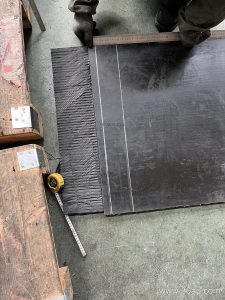
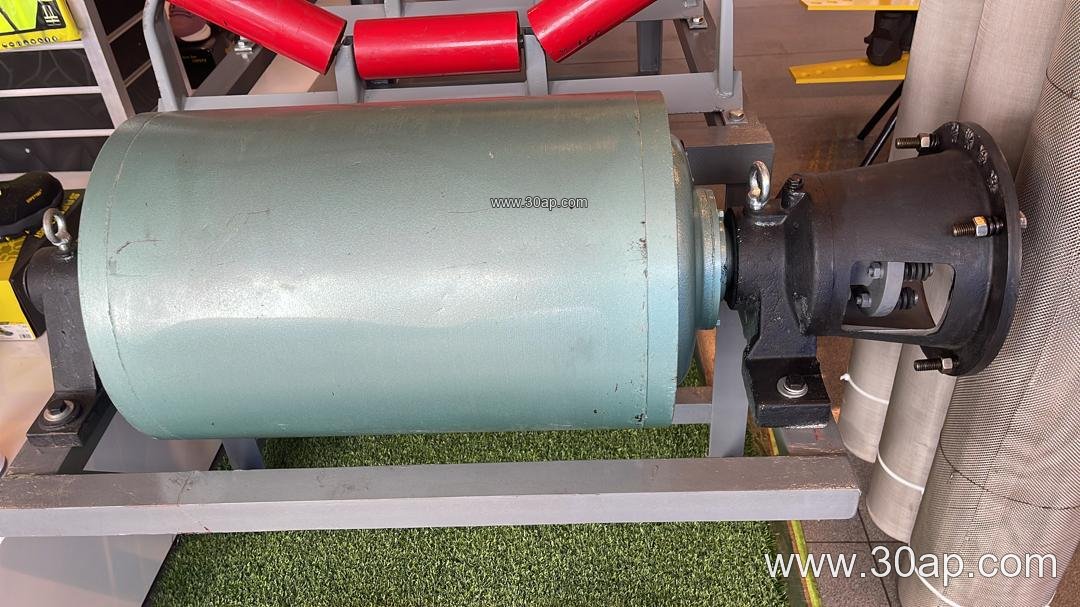
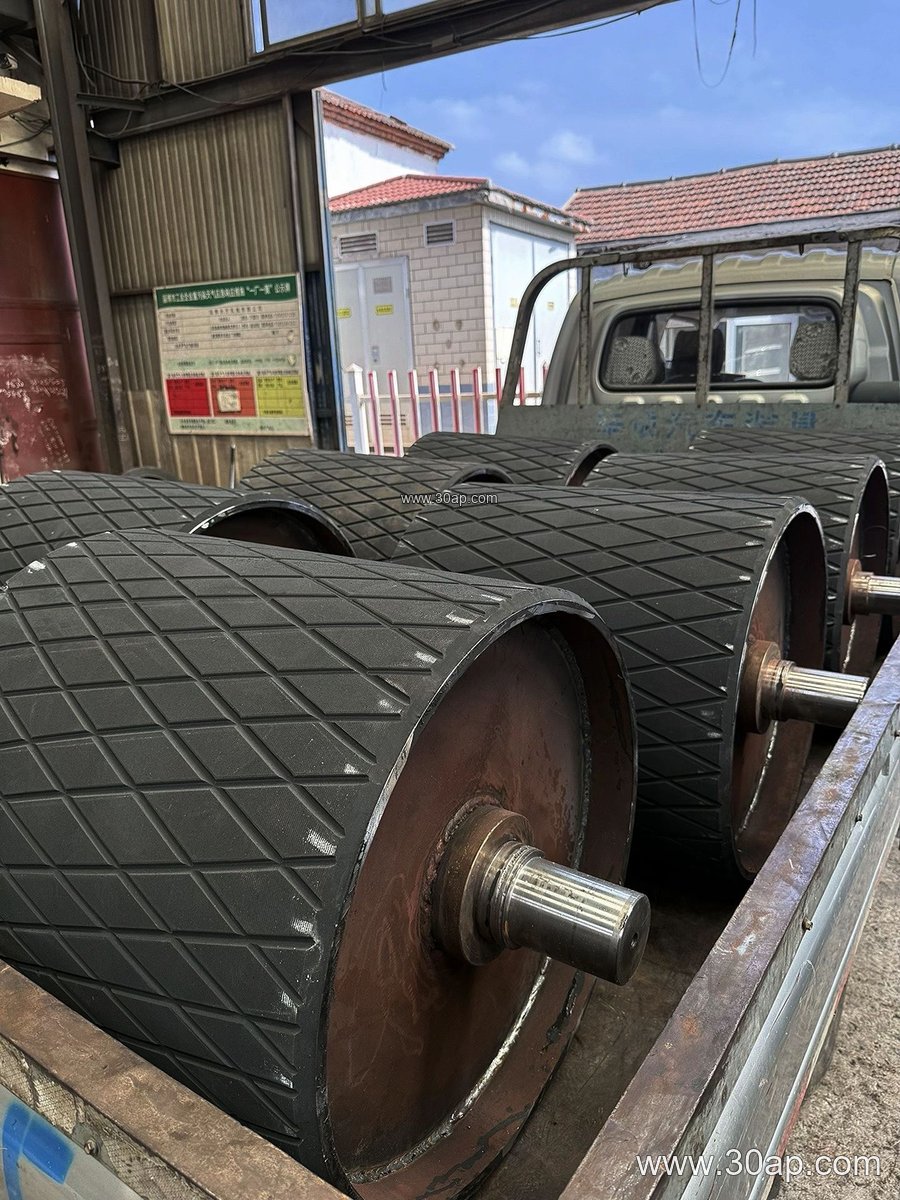
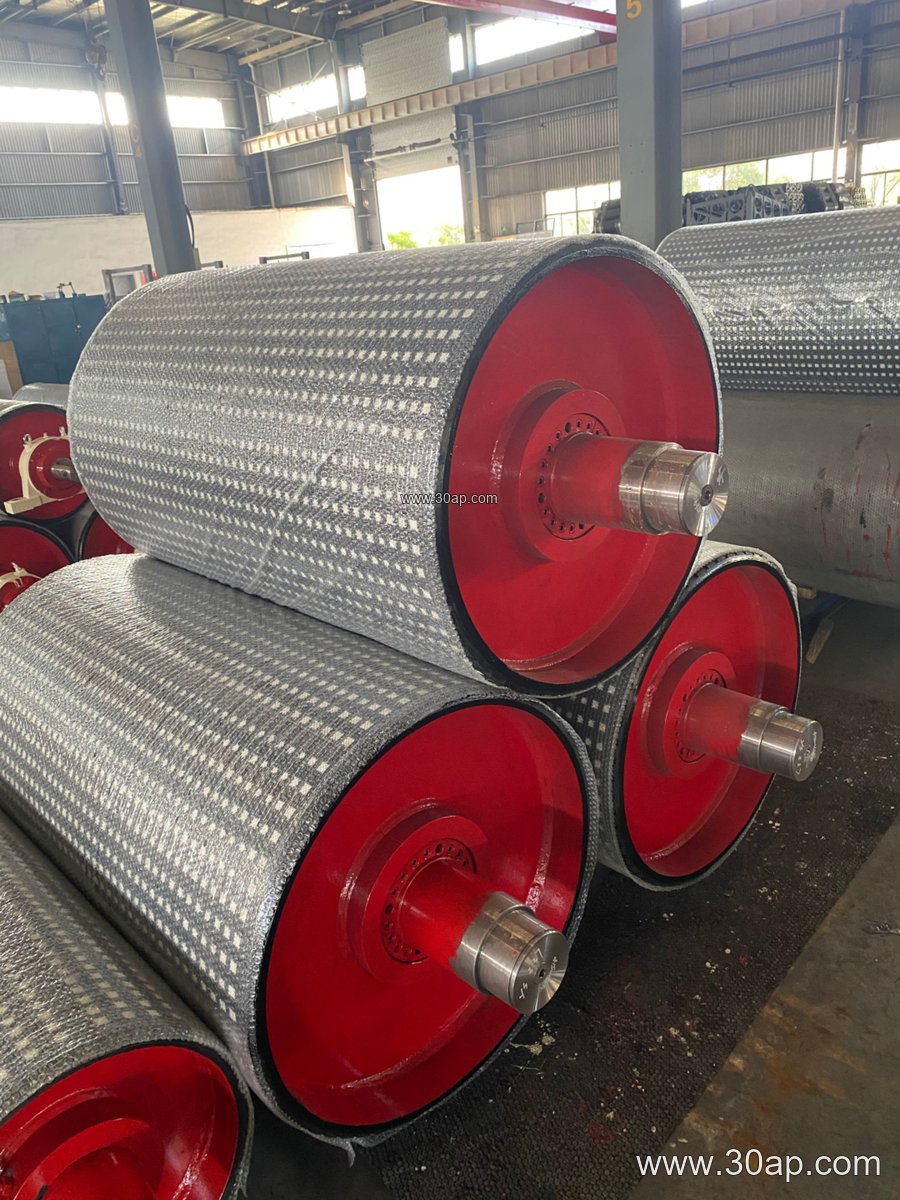
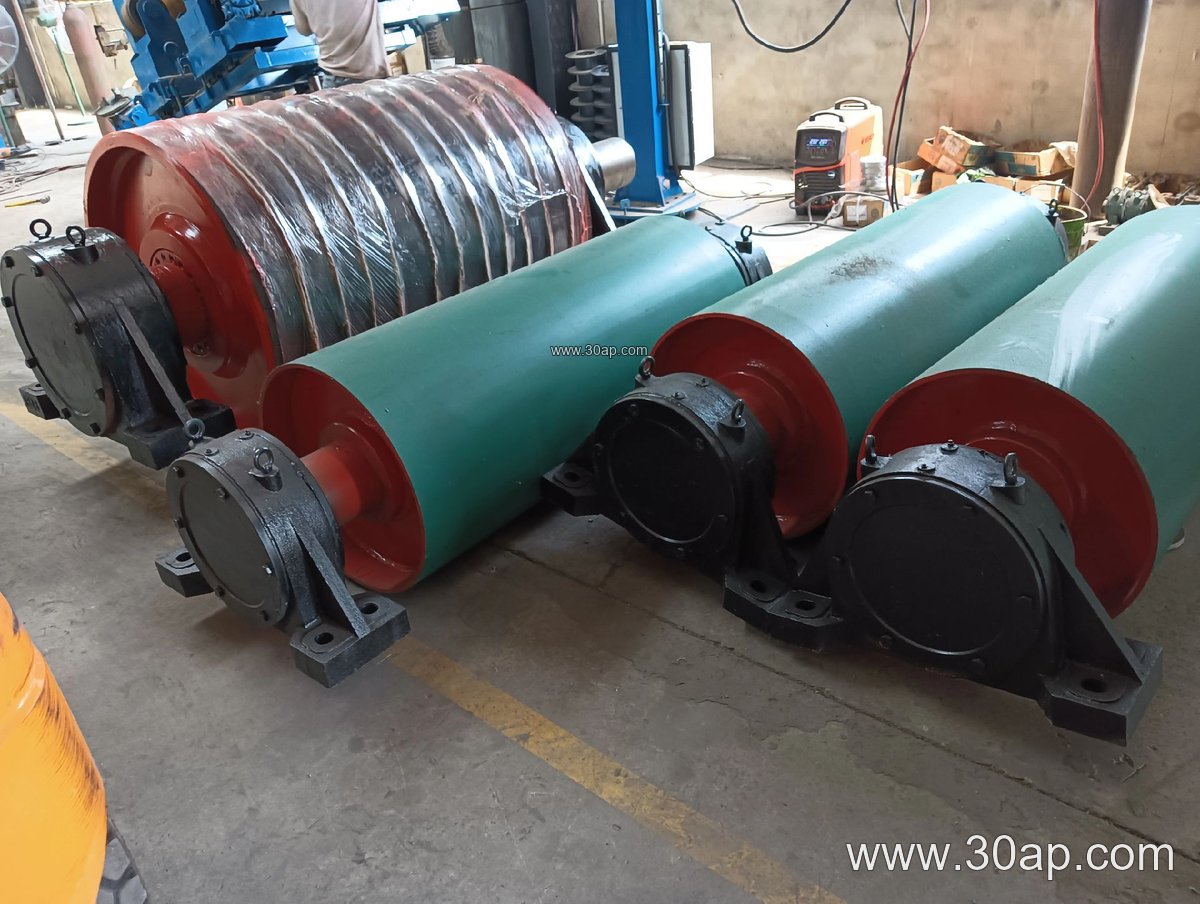
The drum itself is usually a welded steel cylinder with machined end discs and a shaft sized to the torque. Lagging is applied either as hot-vulcanized rubber, cold-bonded sheet, diamond-grooved rubber or ceramic tiles set in rubber. Thickness commonly ranges from 8 mm to 20 mm depending on duty. A heavy-duty lagged pulley should be matched to the conveyor belt it drives, not chosen from a catalogue alone.
Construction Details That Matter
Shell wall thickness, shaft diameter and bearing selection are the three points buyers should confirm first. Shaft diameter is often Ø80 to Ø200 on larger units, but it is calculated from torque and radial load rather than from belt width. The face width normally exceeds the belt width so the belt is fully supported; for example, a B800 belt usually runs on a drum face of roughly 950 mm, while a B1400 belt may sit on a face near 1600 mm.
| Belt width | Typical pulley face | Common diameter range |
|---|---|---|
| B500 | about 600 mm | Ø250 to Ø400 |
| B800 | about 950 mm | Ø400 to Ø630 |
| B1200 | about 1400 mm | Ø630 to Ø1000 |
| B1600 | about 1800 mm | Ø800 to Ø1250 |
| B2000 | about 2200 mm | Ø1000 to Ø1600 |
These are reference ranges; a B1200 x Ø1000 heavy-duty lagged pulley and a B800 x Ø500 unit are both possible, but no belt width locks a single diameter. Bearing housings, locking assemblies and the conveyor bracket interface should be checked against the frame drawing.
Where the Heavy-Duty Lagged Pulley Is Used
Coal handling plants and underground coal mining conveyors rely on lagged drive drums to keep a flame retardant conveyor belt moving through wet, dusty conditions. Aggregate and limestone operations use lagged tail and bend drums on crusher conveyor belts where rock dust and impact are constant. In cement plants the clinker line and raw material transport run on abrasion resistant conveyor belts, and a lagged pulley with diamond rubber helps maintain friction without over-tensioning.
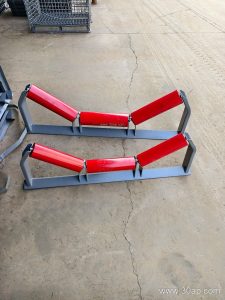
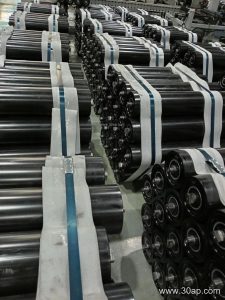
Port bulk terminals, power plant coal yards and iron ore handling circuits also specify heavy-duty lagging where loads are high and downtime is expensive. In these places the pulley works alongside idler rollers, conveyor brackets and the belt itself; a worn idler roller can cause misalignment that shows up as edge wear on the lagging.
Lagging Surface Selection
- Plain rubber lagging for general grip and moderate abrasion.
- Diamond or herringbone grooved rubber for wet, slippery belts.
- Ceramic lagging for high-torque drives with abrasive fines.
- Hot-vulcanized rubber where bond strength and service life matter most.
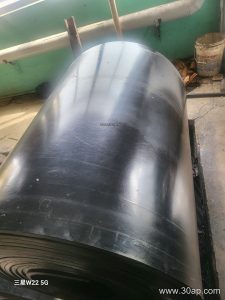
On a heavy-duty lagged pulley, the lagging grade should suit the belt cover. A high abrasion resistant conveyor belt works well with rubber lagging, while a steel cord conveyor belt on a long overland run may need a ceramic or grooved surface to prevent slip at start-up. For heat resistant conveyor belt applications, check that the lagging compound can tolerate the same temperature range.
Buyer Checklist
Before ordering, confirm the belt width, the drum diameter, the shaft size, the lagging type and thickness, and the mounting position. Drive, tail and bend pulleys are not interchangeable, so state the duty clearly. Ask for the balance grade, bearing type and keyway dimensions. A heavy-duty lagged pulley is an investment in reliability, and matching it correctly to the conveyor belt, idler roller set and bracket layout avoids premature wear and belt mistracking.