What a Construction Industry Conveyor Belt Does on Site
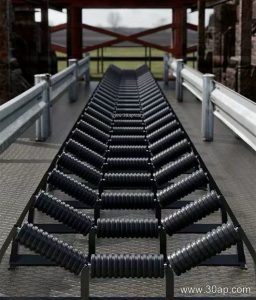
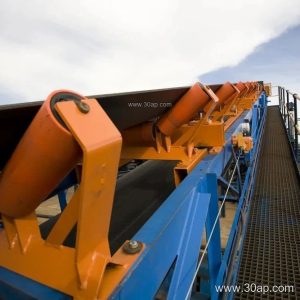
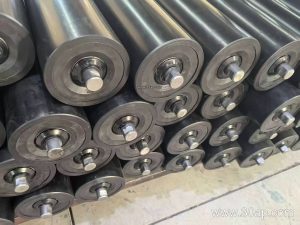
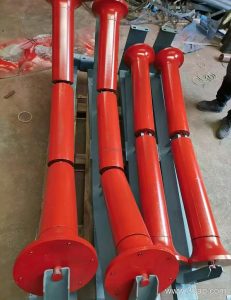
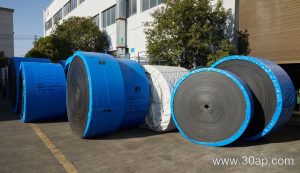
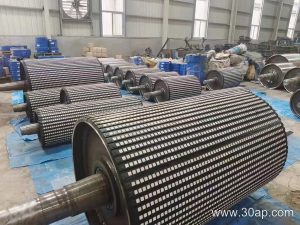
A construction industry conveyor belt is the moving surface that carries crushed stone, sand, gravel, cement, recycled concrete and similar bulk material between a hopper, a crusher, a screen and a stockpile. It is a fabric-core or steel-cord rubber belt, built to survive sharp aggregate, dust, weather and long shifts. In a quarry, a concrete batching plant or a sand making plant, this belt often works as part of a system with conveyor pulleys at the head and tail, idler rollers under the carrying run and conveyor brackets holding everything in line.
The same product is also called a construction conveyor belt or a building materials conveyor belt. Those are equivalent names for the same item; the drive pulley, tail pulley and bend pulley are separate components and are not interchangeable with the belt itself.
How the Belt Is Built
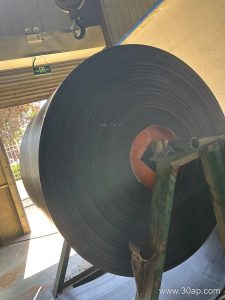
Most belts for construction duty use a fabric core, a steel cord core or a solid PVC/PVG carcass. The carcass carries tension, while the rubber covers protect it from abrasion, water and impact. Common constructions include:
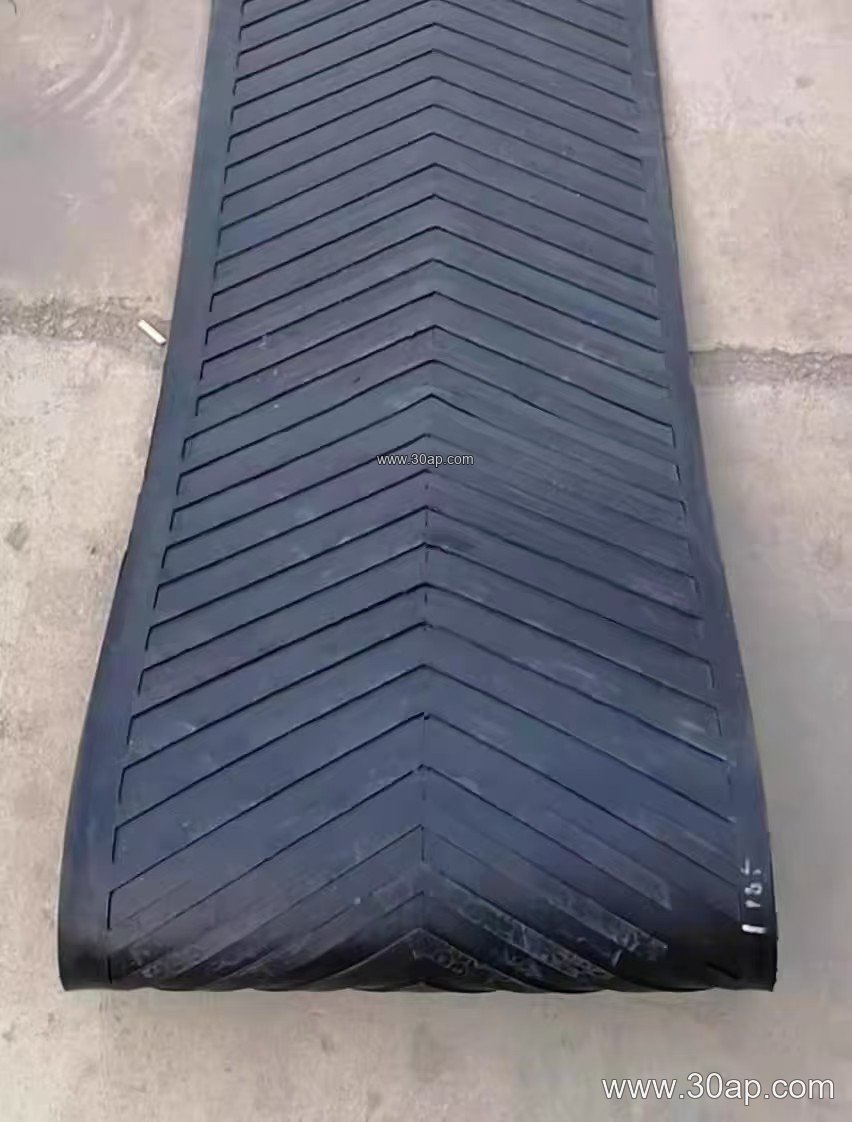
- EP conveyor belt — polyester-polyamide fabric core, a common choice for aggregate and cement lines.
- NN conveyor belt — nylon-nylon fabric core, known for flexibility and impact absorption.
- Steel cord conveyor belt — used on long, high-tension runs such as a quarry to plant haul.
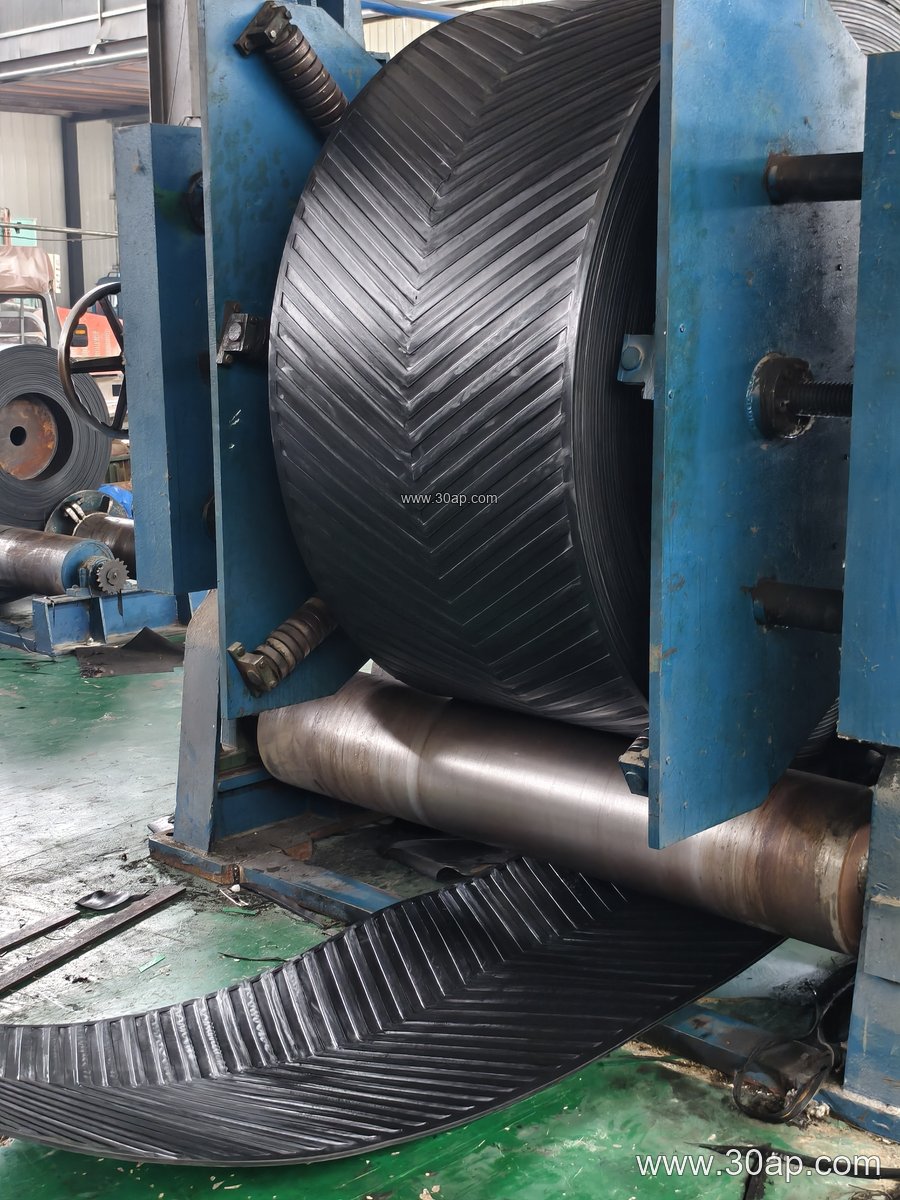
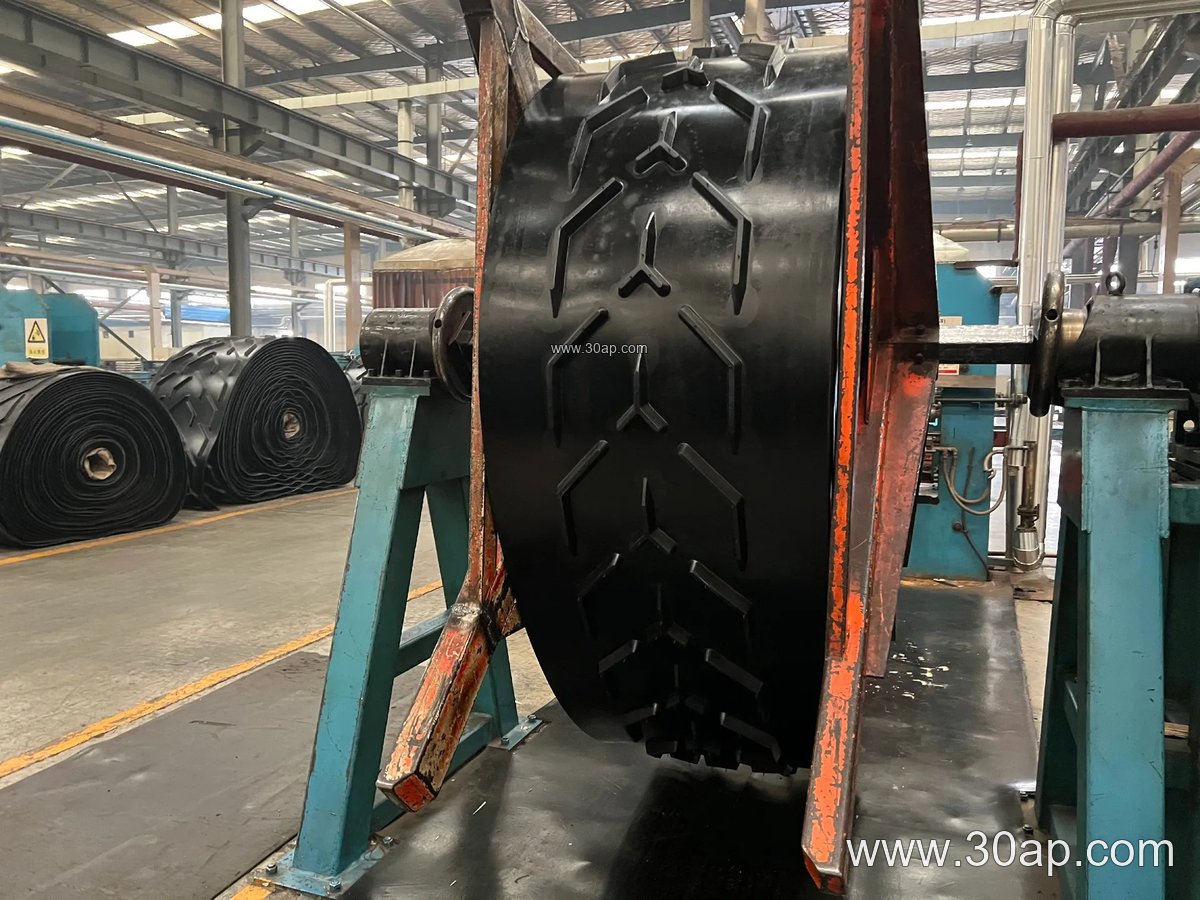
- Chevron conveyor belt — raised ribs that stop material sliding back on inclines.
- Corrugated sidewall conveyor belt — with cleats and sidewalls for steep, space-limited routes.
Cover compounds are selected for the job: abrasion resistant for crushed rock, heat resistant near asphalt or clinker, oil resistant near machinery, flame retardant underground, and anti-static where dust ignition is a concern. A multi-ply fabric core conveyor belt with 2 to 6 plies is typical for medium-duty plant conveyors.
Typical Specifications Buyers Compare
Values below are common reference ranges, not a fixed supply promise. Final figures are set by the conveyor design, the material and the manufacturer.
| Item | Common Reference |
|---|---|
| Belt width | B500, B650, B800, B1000, B1200, B1400, B1600, B1800, B2000 |
| EP strength grades | EP200, EP315, EP400, EP500, EP630, EP800, EP1000, EP1250, EP1600, EP2000 |
| Cover thickness | 3+1.5 mm, 4+2 mm, 5+2 mm, 6+2 mm, 8+3 mm |
| Carcass plies | Usually 2 to 6 layers for fabric core |
| Special forms | Chevron, corrugated sidewall, pipe conveyor belt, endless conveyor belt |
On a 1200mm wide conveyor belt or a 1500mm wide conveyor belt, the pulley diameter, shaft size and idler spacing are calculated from tension and load — never from belt width alone. A narrow belt can run on a large pulley, and a wide belt can run on a smaller one, as long as the design allows it.
Where It Is Used
Construction material handling covers many settings. A quarry conveyor belt moves blasted rock from the primary crusher; an aggregate conveyor belt feeds screens and stockpiles; a cement plant conveyor belt carries clinker, limestone and additives. In sand and gravel pits, a sand making plant conveyor belt links washing and grading equipment. Recycling yards use similar belts for demolition waste, and concrete batching plants rely on them for accurate, continuous feed. Port and ship loading terminals also handle bulk material with heavy-duty belts.
In mining and coal preparation, a flame retardant conveyor belt or fire resistant conveyor belt is often specified for underground mining conveyor belt duties, while a coal mining conveyor belt above ground may use abrasion resistant covers. A cement conveyor belt and a power plant conveyor belt usually need heat and abrasion resistance together.
Selection and Maintenance Notes
Match the belt to the load, the incline and the environment. For sharp, heavy rock, a thick abrasion resistant cover with an EP or steel cord carcass reduces cutting and wear. On steep inclines, a chevron conveyor belt or corrugated sidewall conveyor belt keeps material in place. In cold regions, a cold resistant belt avoids cracking; near oils and solvents, an oil resistant or chemical resistant grade is safer.
Check conveyor pulleys for alignment, keep idler rollers turning freely, and confirm conveyor brackets are tight. A misaligned belt wears its edges and loads the pulleys unevenly. Store spare belts flat and dry, and inspect splices regularly. For more on matching belts to pulleys, idlers and brackets, see the technical notes at conveyor belt and conveyor pulley resources.
Buyers should ask for the carcass type, strength grade, cover thickness, width and any special surface form, then confirm that the drive, tail and bend pulleys are sized for the actual tension. That approach keeps a construction industry conveyor belt reliable from the crusher to the stockpile.