What an Adjustable Conveyor Bracket Does
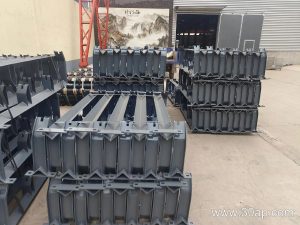
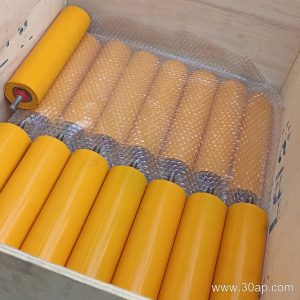
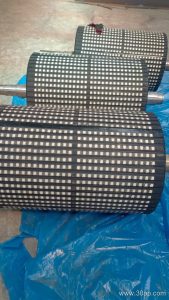
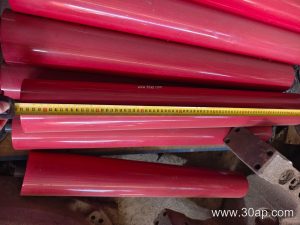
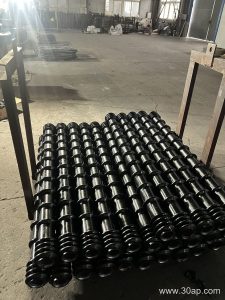
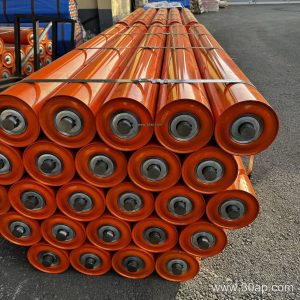
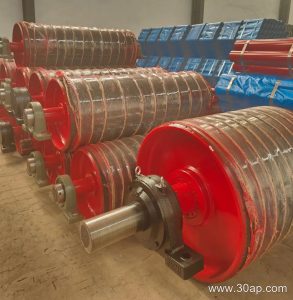
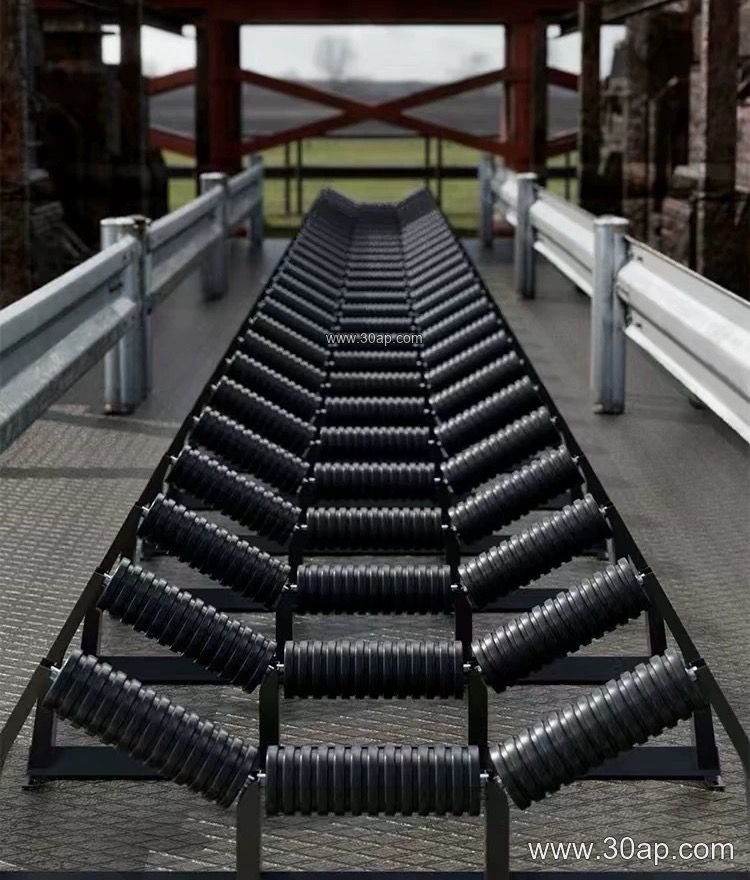
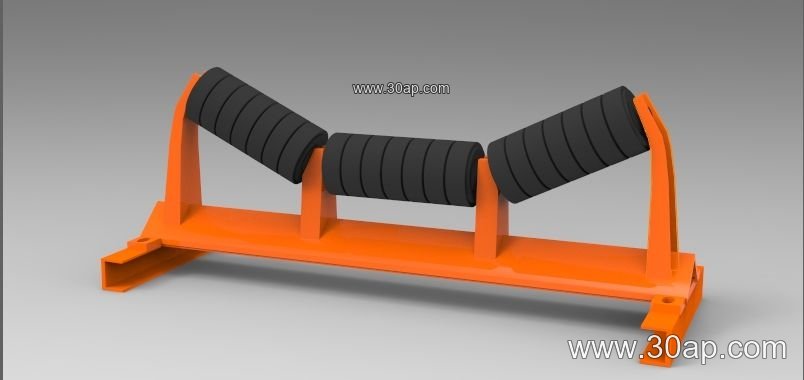
An adjustable conveyor bracket is the support component that lets a belt conveyor’s idler set sit at more than one trough angle. Instead of locking the rollers into a single fixed profile, this bracket uses slotted or pivoting mounting points so maintenance teams can change the trough angle, and often the idler spacing, without replacing the whole frame. On a quarry conveyor or a cement plant transfer line, that flexibility matters when the material changes from dry aggregate to wet, sticky feed. The bracket is part of the carrying-side structure, working together with the conveyor belt, idler roller and conveyor pulley to keep the load centered.
How the Bracket Is Built
Most units are fabricated from angle steel, channel steel or folded steel plate, then drilled or slotted at the wing positions. A typical adjustable bracket has a fixed center support for the middle roller and two adjustable wings that carry the side rollers. The wing angle can be set and locked, so the same frame can run a 20 degree, 30 degree, 35 degree or 45 degree trough profile. Some designs also allow a small forward tilt of about 1.5 to 2 degrees on the side rollers to help with belt training.
Because the mounting holes and crossbeam length follow belt width and trough angle, they are determined by design rather than fixed. A bracket for B800 duty will not share the same dimensions as one for B1800, even when both use the same roller diameter.
Where It Fits on the Conveyor
The adjustable bracket is most often used on the carrying side, in the same position as a conventional troughing bracket. It is common in stone crushing plants and sand and gravel lines where several belt widths share a spare-parts store, and in power plant coal handling where flow conditions shift through the year. It can also appear at transition zones, where the belt changes from flat at the pulley to troughed in the mid-section, because the angle can be tuned gradually. Return-side positions usually use a fixed return bracket or a V-return bracket, since the trough angle does not apply there.
Matching Bracket, Belt and Roller
Selection starts with belt width and the required trough angle, then moves to roller diameter. The table below shows common reference combinations; they are examples, not mandatory pairings, and one belt width can work with more than one angle or roller size.
| Belt width | Common trough angle | Typical roller diameter | Typical duty |
|---|---|---|---|
| B500 | 20 to 30 degrees | Ø89 | Light aggregate, sand |
| B650 | 30 degrees | Ø89 to Ø108 | Sand and gravel, small crusher feed |
| B800 | 35 degrees | Ø108 | Quarry and cement plant lines |
| B1000 | 35 to 45 degrees | Ø108 to Ø133 | Coal handling, ore transfer |
| B1200 | 45 degrees | Ø133 | Heavy bulk material, iron ore |
| B1400 to B1600 | 35 to 45 degrees | Ø133 to Ø159 | Port and steel plant duty |
| B1800 to B2000 | 35 to 45 degrees | Ø159 to Ø194 | Large tonnage primary crushing |
The belt itself also guides the choice. A heavy abrasion resistant conveyor belt on a crusher discharge may need a steeper trough to hold the load, while a chevron conveyor belt on an incline may need a flatter profile to avoid edge stress. Heat resistant conveyor belt and flame retardant conveyor belt installations in a coal mining conveyor line often keep a moderate angle so the belt edge is not over-flexed. Whatever the belt type, the bracket must match the roller shaft and frame hole pattern supplied for that conveyor.
Adjustable Versus Fixed Brackets
A fixed troughing bracket is cheaper and simpler, and it is the right choice where the material and belt width never change. An adjustable bracket costs more but pays back when a plant runs several products, when a belt is being re-profiled for capacity, or when a transition section needs fine tuning. It is not a replacement for a self-aligning bracket or an impact bracket; those solve different problems, and a conveyor may use all three at different points. The adjustable unit is a carrying-side angle control, not a substitute for a bend pulley or a tail pulley in the drive and return circuit.
What a Buyer Should Confirm
- Belt width and the range of trough angles required, not just one angle.
- Roller diameter and shaft ends, so the bracket fits the existing idler roller.
- Frame hole spacing and crossbeam length, which vary with width and angle.
- Material and finish: angle steel, channel steel or folded plate, with a coating suited to dust and moisture.
- Whether the position needs a fixed, adjustable, transition or impact design.
- Access for adjustment in service, since the locking points must be reachable.
For a coal mining conveyor belt or a heavy-duty mining conveyor belt running at high tonnage, confirm the bracket load rating with the conveyor designer rather than assuming a standard size will carry the duty. Used correctly, an adjustable conveyor bracket keeps the belt profile matched to the material and extends the working life of the belt and rollers alike.