What an Underground Conveyor Belt Has to Do
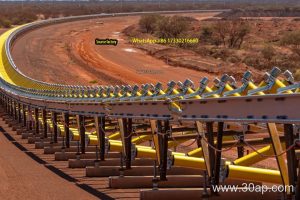
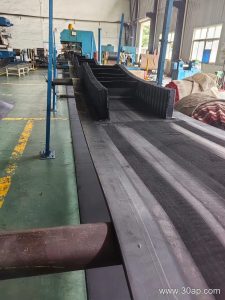
An underground conveyor belt is the load-carrying element of a belt conveyor installed in tunnels, mine roadways and underground transfer galleries. Unlike a surface installation, it works in a confined space with limited headroom, restricted ventilation and often wet or dusty conditions. The belt must move bulk material continuously while meeting fire safety expectations and keeping splices and edges stable over a long service life. In coal mines the same product is often described as an underground coal mining conveyor belt, and the design priorities shift toward flame resistance and anti-static behaviour.
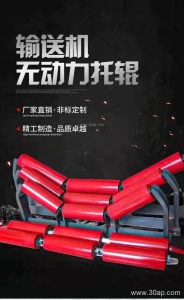
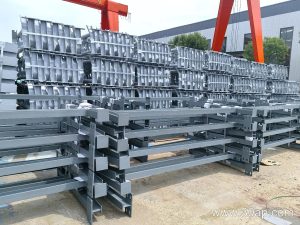
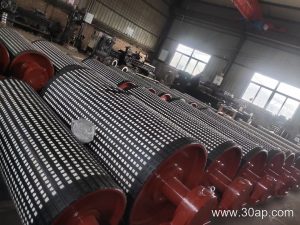
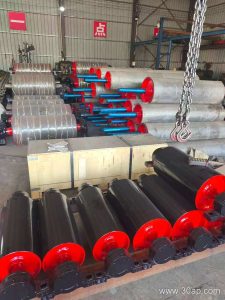
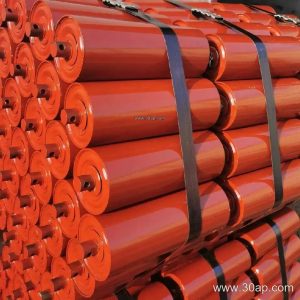
Related hardware matters as much as the belt itself. The belt runs on idler rollers carried by a conveyor bracket frame, and it is driven and redirected by a conveyor pulley at the drive, tail and bend positions. These three pulley roles are distinct and are not interchangeable, so the belt tension and tracking behaviour must be reviewed against each one.
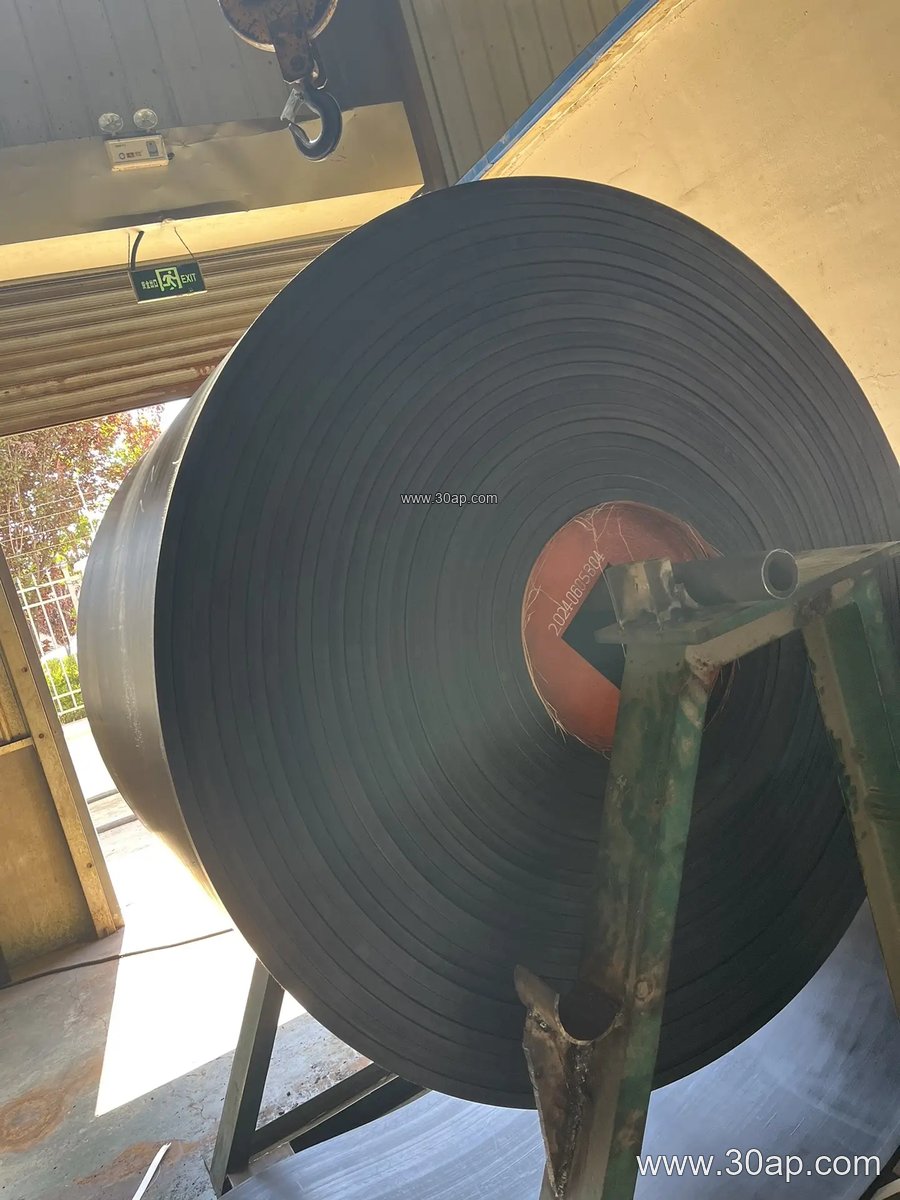
Construction and Common Constructions
The carcass carries the tension; the covers protect the carcass from abrasion, impact and moisture. Fabric-core belts use woven EP or NN fabric, while steel cord belts use brass-plated cords for long, high-tension runs. In coal roadways, a PVG solid-woven belt with flame retardant and anti-static properties is widely used where a rubber cover would be less suitable.
Typical reference data, to be confirmed with the manufacturer for each project:
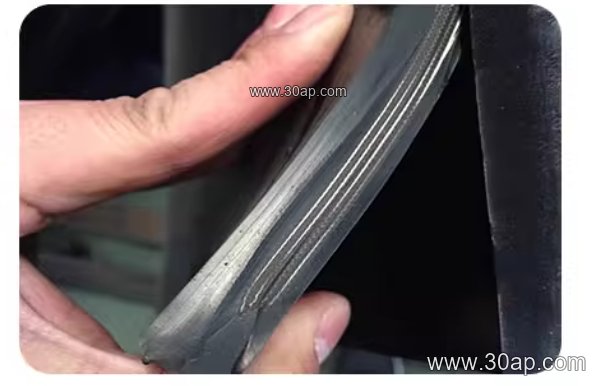
- Fabric core types: EP conveyor belt, NN conveyor belt, multi-ply fabric core construction with 2 to 6 plies
- Steel cord grades: ST1000 to ST3150 as reference ranges
- EP strength grades: EP200, EP400, EP630, EP1000, EP1250, EP1600
- Belt widths: B500, B650, B800, B1000, B1200, B1400, B1600, B1800
- Cover thickness: 3+1.5, 4+2, 5+2, 6+2, 8+3 mm
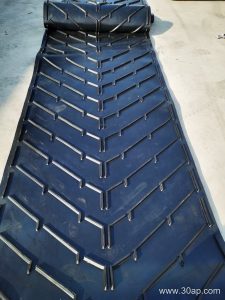
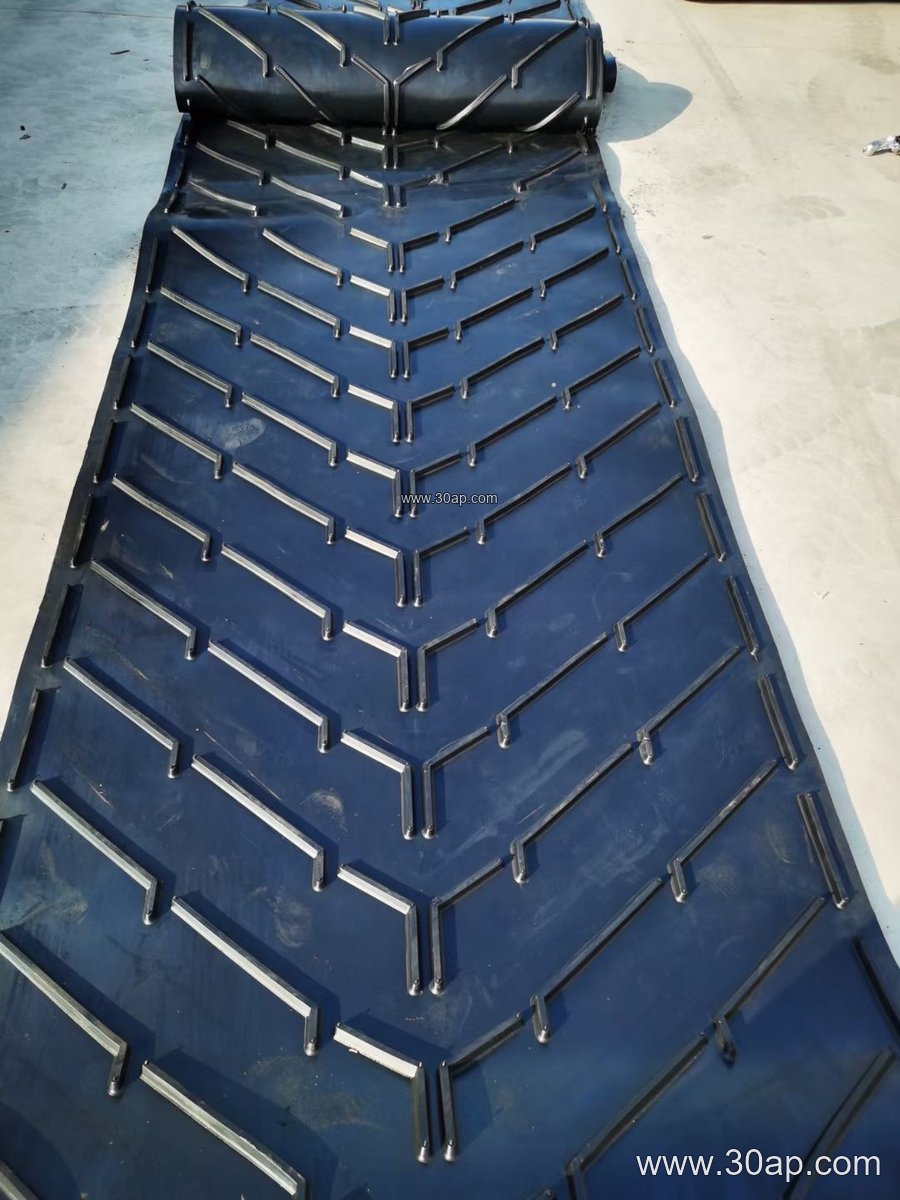
Cover compounds are chosen by duty: abrasion resistant for ore and rock, flame retardant for coal, heat resistant near drying or transfer points, oil resistant where lubricants or fuel are present, and cold resistant for unheated shafts. A chevron conveyor belt or corrugated sidewall belt may appear in steep inclined sections, but those are separate designs for specific gradients rather than a substitute for a standard flat belt on the main haulage run.
| Item | Common reference range |
|---|---|
| Carcass | EP, NN, steel cord, PVG solid woven |
| Strength grade | EP200 to EP1600; ST1000 to ST3150 |
| Belt width | B500 to B1800, wider by design |
| Cover thickness | 3+1.5 to 8+3 mm |
| Ply count | 2 to 6 plies for fabric core |
Where It Is Used
Underground installations appear in coal mines, metal mines, tunnelling spoil removal, cement and aggregate operations that connect a crushing station to a shaft, and power plant fuel handling where an underground gallery links stockyard and boiler house. Quarry and stone crushing plants also use inclined tunnels to reduce truck traffic. In each case the belt handles bulk material, so impact at the loading point and spillage control at the edges are key design points.
What a Buyer Should Check
Start with the actual duty: material type, lump size, moisture, temperature and the gradient of the roadway. Confirm the strength grade against the calculated tension rather than copying a neighbouring project, because belt width and pulley diameter are matched by conveyor design, not by a fixed table. Ask for the flame retardant and anti-static performance data where the tunnel is classified, and check whether the splice method suits the carcass.
Also review roller spacing, pulley lagging and bracket condition, since a worn idler roller or misaligned bend pulley damages the belt edge quickly. For long panels, a steel cord belt reduces splice count, while a fabric core belt offers easier handling in narrow roadways. Spare belt, edge repair material and a realistic replacement schedule should be agreed at the purchasing stage.
Finally, request the manufacturer’s data sheet for the exact grade and cover compound, and verify the delivered markings match the order. A well-specified underground conveyor belt, supported by sound rollers and pulleys, keeps the whole transport system predictable in conditions where access for maintenance is difficult.