What a Self-Aligning Idler Does on a Conveyor
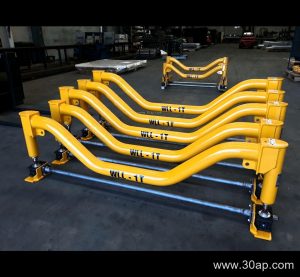
A belt conveyor self-aligning idler is a carrying or return roller assembly designed to correct belt drift as the belt runs. Instead of sitting square to the frame like a standard trougher, the self-aligning idler is mounted so that it can pivot slightly, and its rollers are often set with a small forward lead. When the belt edges toward one side, the offset load turns the idler frame, which steers the belt back toward the center line. This makes the self-aligning idler a tracking correction device rather than a load-bearing replacement for ordinary carrying idlers.
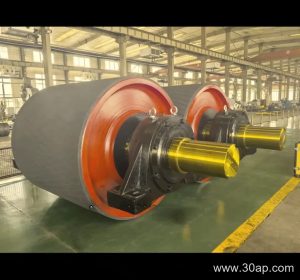
The same product also appears under the name self-tracking idler or belt training idler. These terms describe the same roller assembly, and they should not be confused with a drive pulley, tail pulley, or bend pulley, which transmit power or change belt direction and are not interchangeable with any idler type.
Construction and Common Forms
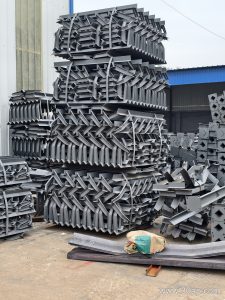
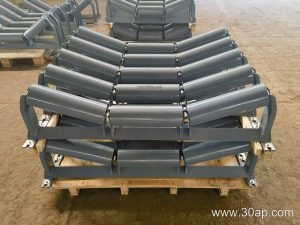
Most units combine a pivoting bracket, a cross shaft, and two or three rollers. The roller shell is usually steel tube, sometimes fitted with rubber rings or a nylon or ceramic surface where build-up or wear is a concern. Bearings such as 6204, 6205, 6305, 6306, 6308, or 6310 are common depending on roller diameter and load, and no single bearing is tied to one roller size.
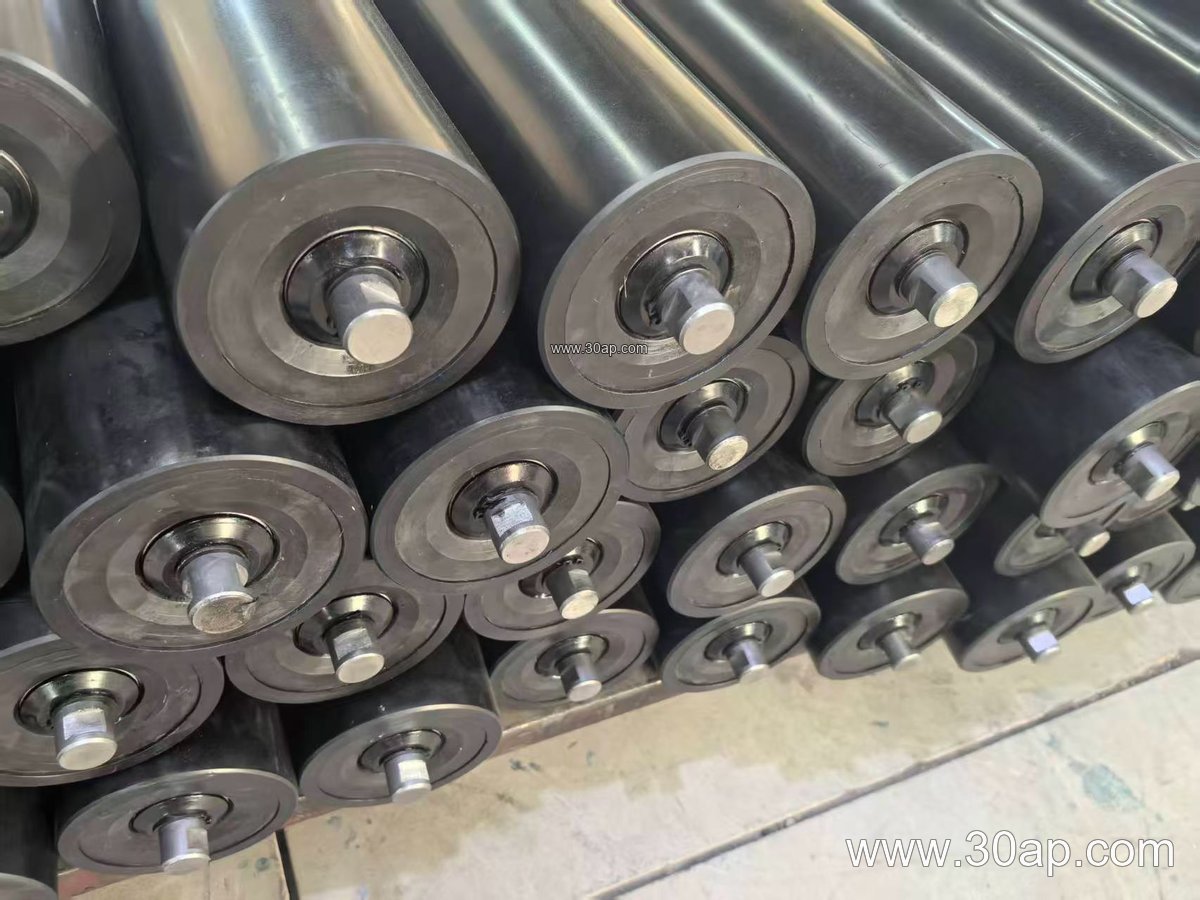
Several designs exist. A friction self-aligning idler uses contact with the belt to trigger correction, a conical self-aligning idler uses tapered rollers to generate a centering force, and a return-side version may use a V-shaped or flat arrangement. The table below shows typical reference dimensions, not fixed supply rules.
| Item | Common reference values |
|---|---|
| Roller diameter | Ø63, Ø76, Ø89, Ø102, Ø108, Ø127, Ø133, Ø159, Ø178, Ø194, Ø219 mm |
| Belt width | B400, B500, B650, B800, B1000, B1200, B1400, B1600, B1800, B2000, B2200, B2400 |
| Trough angle | 20°, 30°, 35°, 45° |
| Forward lead | Usually about 1.5° to 2° |
| Roller length, three-roll trough | About 200 mm at B500, 250 mm at B650, 315 mm at B800, 380 mm at B1000, 465 mm at B1200, 530 mm at B1400, 600 mm at B1600, 670 mm at B1800, 750 mm at B2000 |
Side rollers and center rollers can differ in length, and the figures above are only typical examples. Belt width does not dictate one pulley diameter, and shaft size should be confirmed from the actual load and frame design rather than guessed from belt width.
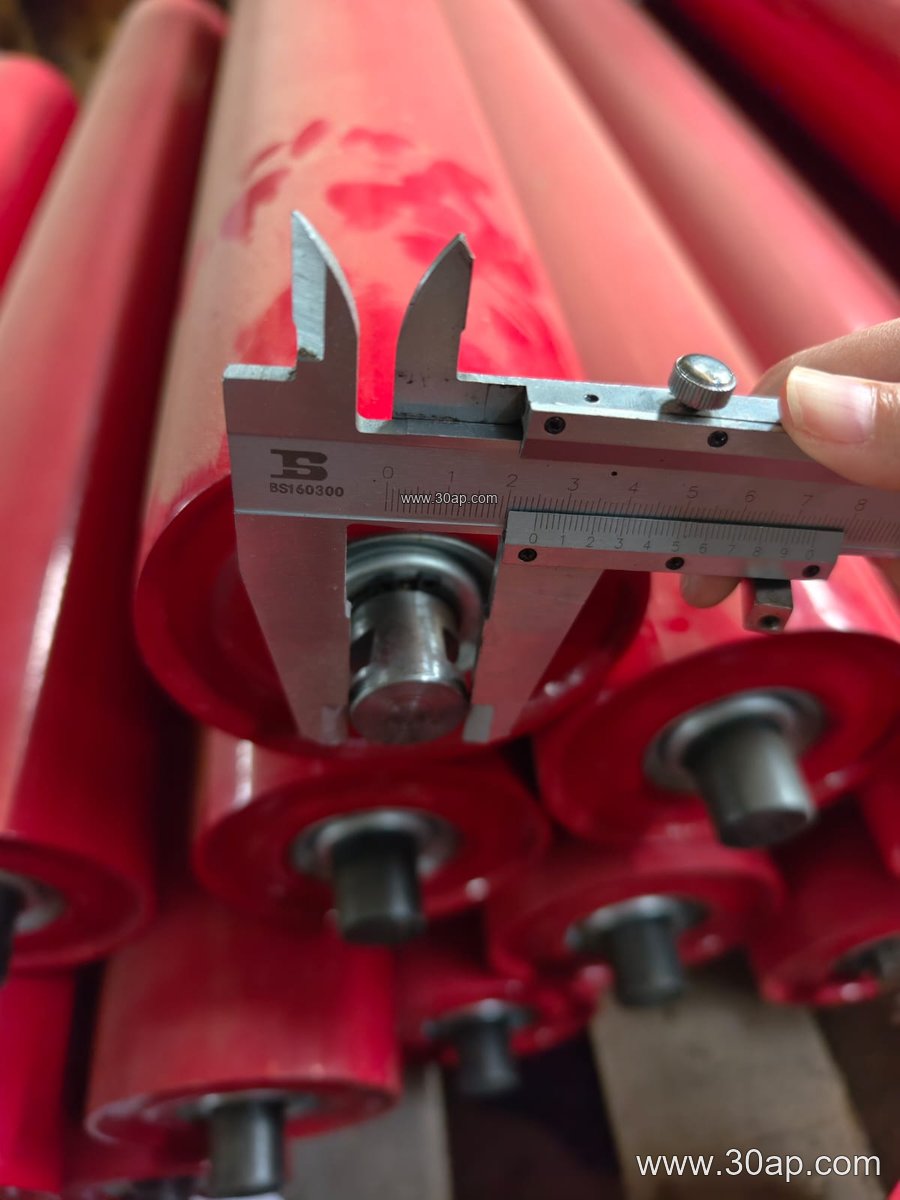
Where Self-Aligning Idlers Are Used
These idlers are common where long conveyors are prone to misalignment: a quarry transfer line feeding a crusher, a coal handling system in a power plant, or a cement plant clinker route. They are also used on overland runs in iron ore and copper ore operations, and on stockyard conveyors at ports. In these places the belt may be an EP conveyor belt, an NN conveyor belt, or a steel cord conveyor belt, and the idler must suit the belt stiffness and the tonnage carried.
On a heavy-duty mining conveyor carrying abrasive rock, a self-aligning idler with a wear-resistant shell helps hold the belt on track without adding much rolling resistance. Where the belt carries sticky material, a rubber-covered or ceramic-faced roller may reduce build-up. The idler is usually placed at intervals along the carrying side, and return-side training idlers are fitted where the empty belt tends to wander.
Buyer Checklist
- Confirm belt width, trough angle, and whether the idler is for the carrying or return side.
- State the roller diameter and shell material, and check that the bearing matches the expected load.
- Ask how the pivot is sealed, since dust and water ingress shorten bearing life in quarry and coal duty.
- Check mounting dimensions against the existing conveyor bracket and frame.
- Match the idler to the belt type, whether a fabric core conveyor belt, a heat resistant conveyor belt, or a flame retardant conveyor belt for underground duty.
- Plan inspection intervals so worn rollers or a stiff pivot do not defeat the tracking function.
For a reliable result, treat the self-aligning idler as part of the whole conveyor layout, alongside the conveyor belt, conveyor pulley, and conveyor bracket. A correctly sized training idler reduces edge damage and spillage, but it cannot compensate for poor loading or a badly aligned frame.