What Is an NN Conveyor Belt
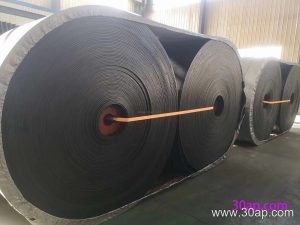
An NN Conveyor Belt is a fabric core conveyor belt built with nylon (polyamide) warp and nylon weft threads in its carcass. This all-nylon fabric construction gives the belt high tensile strength, excellent flexibility, and strong resistance to fatigue and impact. The designation “NN” refers to the nylon-nylon fabric layers that form the load-bearing skeleton, distinguishing it from EP belts (polyester warp, nylon weft) and steel cord belts. In many industrial plants, this product is also called a nylon conveyor belt or a fabric core conveyor belt, and it is a common choice for bulk material handling when moderate to high strength and good troughability are required.
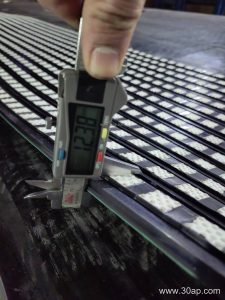
NN belts are available in several strength grades, typically expressed as NN100, NN200, NN300, NN400, and higher. These grades indicate the breaking strength of the carcass per unit width. The belt is usually protected by rubber covers on both sides, with common cover thickness combinations such as 3+1.5 mm, 4+2 mm, 5+2 mm, 6+2 mm, and 8+3 mm. Carcass layers commonly range from 2 to 6 plies, depending on the required strength and the conveyor design. Buyers should note that these values are reference data; actual specifications vary by manufacturer and should be confirmed against the conveyor design requirements.
Construction and Key Components
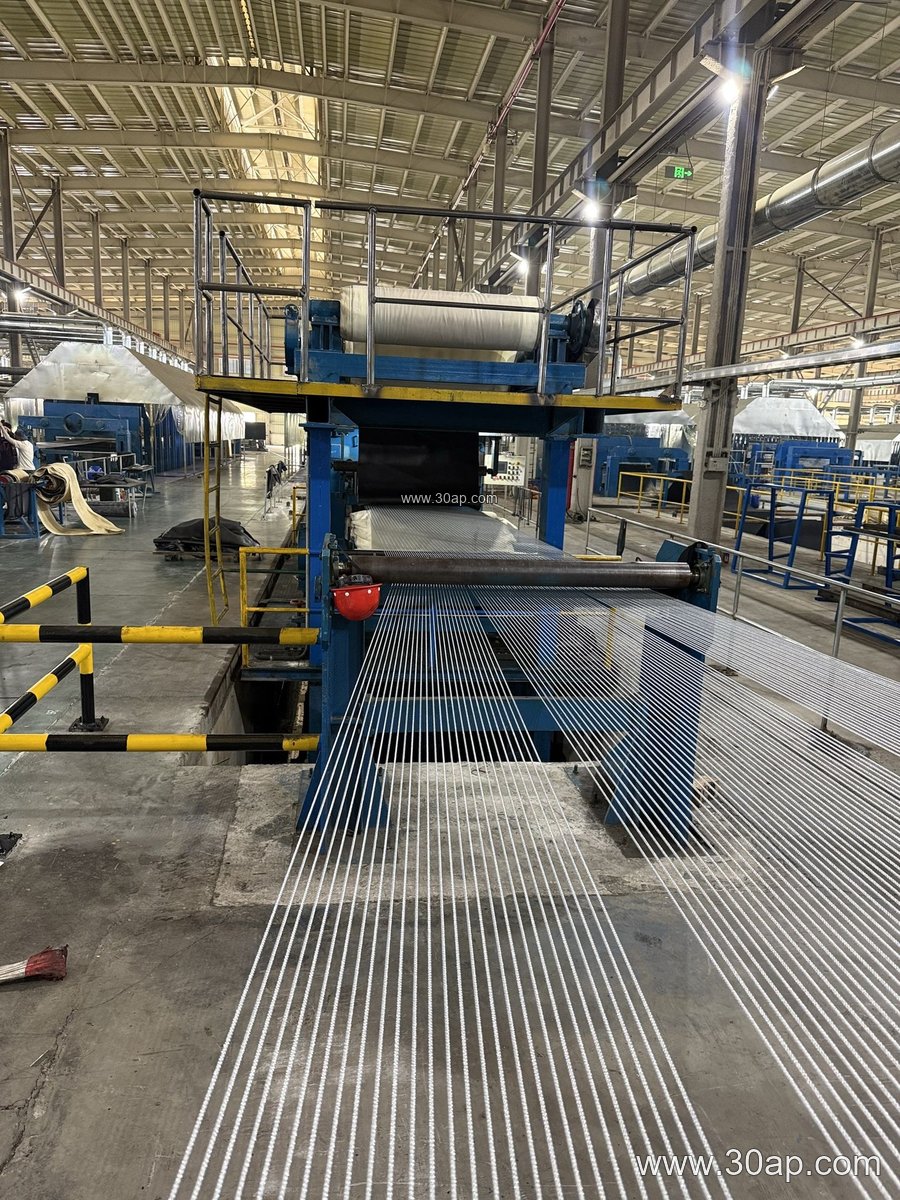
The NN Conveyor Belt is built around multiple layers of nylon fabric, bonded together with rubber skim compounds and covered with top and bottom rubber covers. The nylon fabric provides strength and elasticity, while the rubber covers protect the carcass from abrasion, impact, moisture, and other environmental factors. The cover compound can be selected for specific duties: abrasion resistant, heat resistant, oil resistant, flame retardant, anti-static, cold resistant, or acid and alkali resistant. This flexibility makes the NN belt adaptable to many industries.
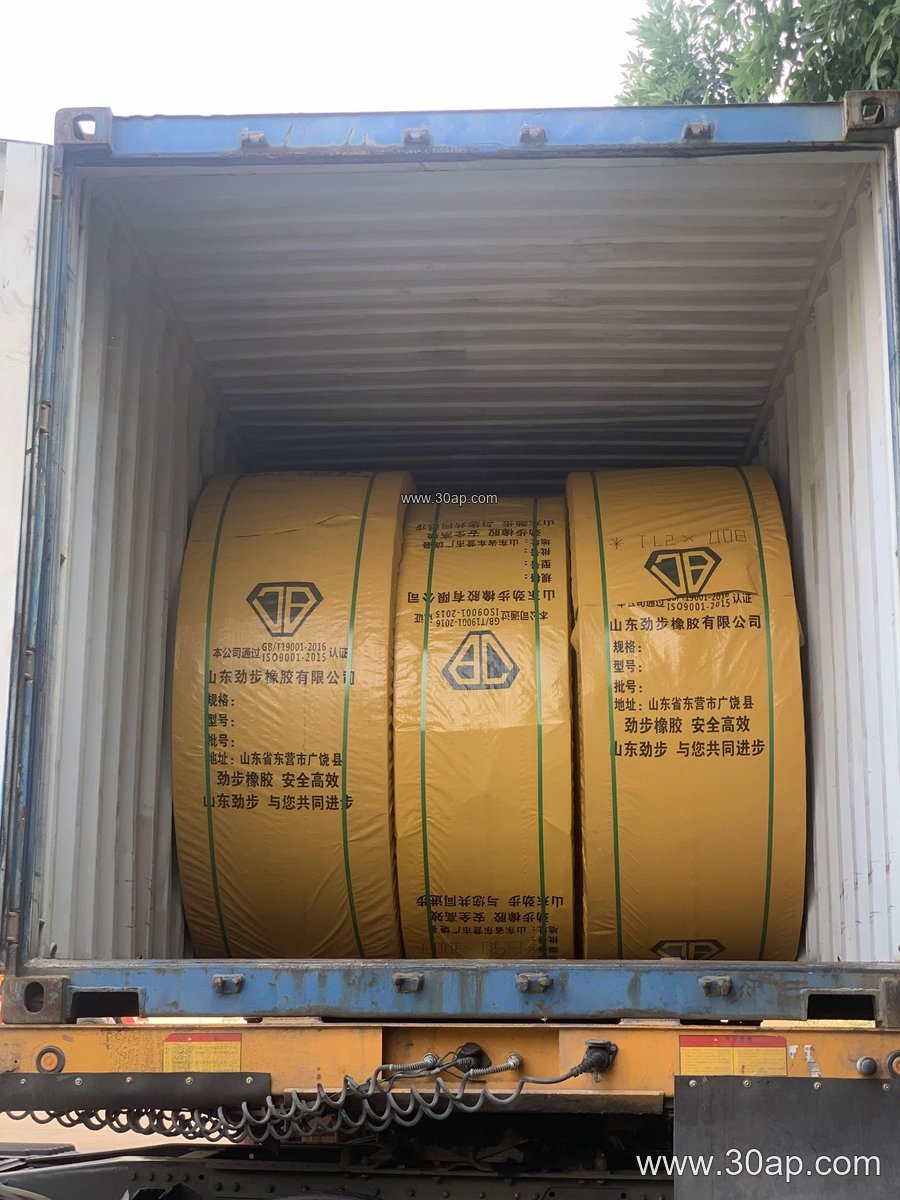
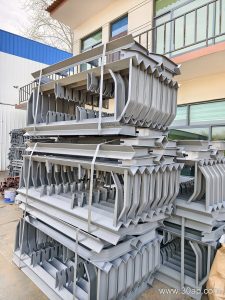
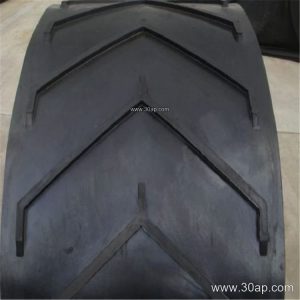
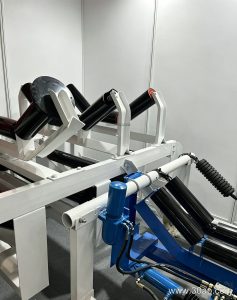
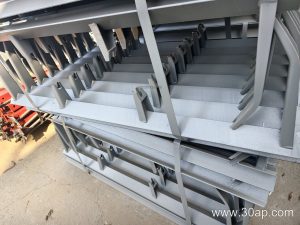
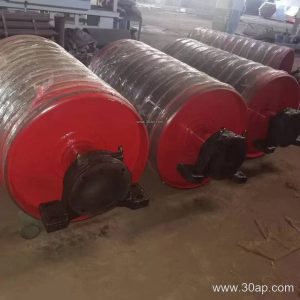
In a typical conveyor system, the belt runs over idler rollers and is driven by a conveyor pulley, with conveyor brackets supporting the structure. The belt’s flexibility helps it trough smoothly on idler rollers, which is important for maintaining material containment and reducing spillage. For systems that require steep inclines, a chevron conveyor belt or a corrugated sidewall conveyor belt may be considered, but these are separate product types and should not be confused with the standard NN belt.
Typical Applications
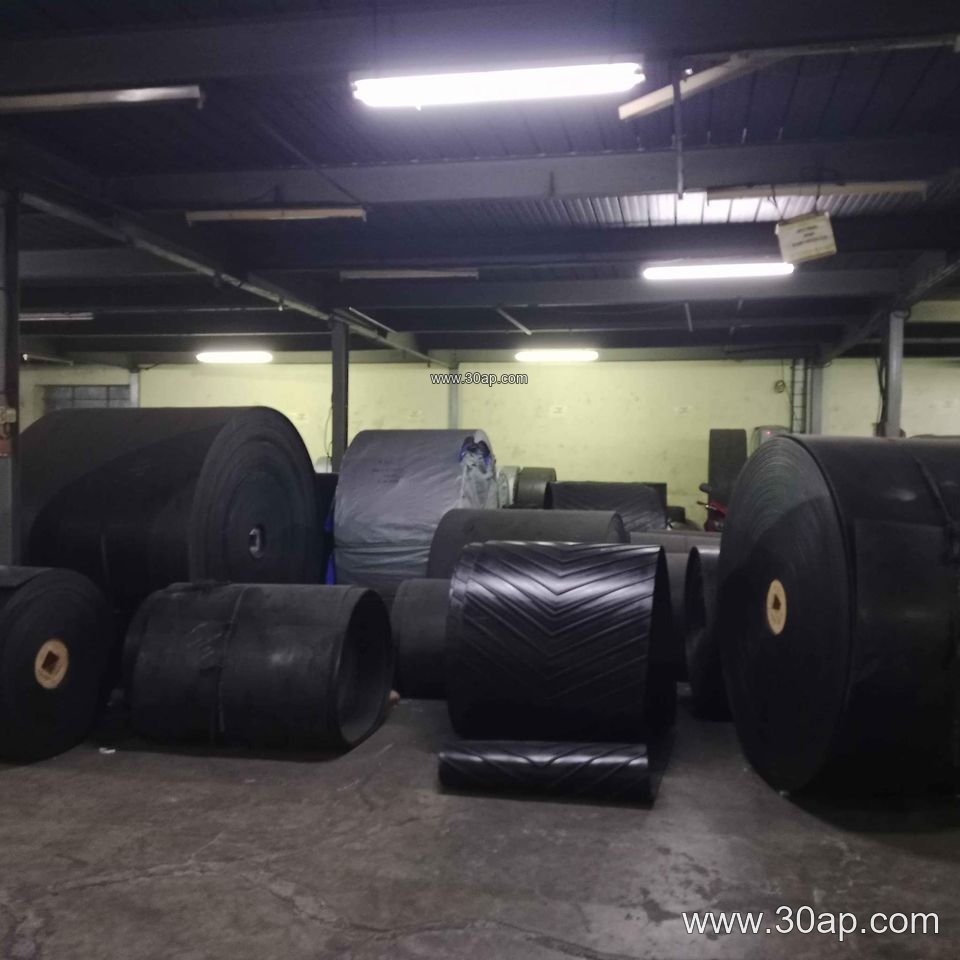
NN Conveyor Belts are widely used in mining, coal mining, cement plants, power plants, steel plants, quarries, sand and gravel yards, and port loading facilities. They handle bulk materials such as ore, coal, limestone, clinker, sand, aggregate, and fertilizer. In underground coal mining, flame retardant and anti-static grades are often required for safety, while in cement and steel plants, heat resistant and abrasion resistant covers help extend service life. The belt’s nylon carcass offers good impact resistance, making it suitable for crusher discharge conveyors and other points where material drop height is significant.
For heavy-duty mining conveyor belts, an NN belt with a higher strength grade and thicker covers may be appropriate. However, for very long distances or extremely high tension, a steel cord conveyor belt is often preferred. The choice between NN and EP belts depends on the specific load, troughability, and environmental conditions. NN belts generally offer better flexibility and impact resistance, while EP belts provide lower elongation and better dimensional stability.
Specifications and Selection Notes
When selecting an NN Conveyor Belt, buyers should consider belt width, strength grade, number of plies, cover thickness, and cover quality. Common belt widths include B500, B650, B800, B1000, B1200, B1400, B1600, B1800, and B2000. The table below lists typical reference values; these are not universal and should be verified with the supplier.
| Parameter | Common Reference Range |
|---|---|
| Strength grade | NN100, NN200, NN300, NN400 (higher grades available) |
| Belt width | B500 to B2000 mm |
| Number of plies | 2 to 6 |
| Cover thickness (top + bottom) | 3+1.5 mm, 4+2 mm, 5+2 mm, 6+2 mm, 8+3 mm |
| Cover type | Abrasion resistant, heat resistant, oil resistant, flame retardant, anti-static, cold resistant, acid resistant |
It is important to match the belt strength to the conveyor’s maximum tension, which depends on the load, incline, and length. The number of plies and cover thickness should be chosen according to the material size, drop height, and operating environment. For example, a high abrasion resistant conveyor belt may be needed for sharp, abrasive rock, while a heat resistant conveyor belt is necessary for conveying hot clinker or sinter. Always consult the conveyor designer and the belt manufacturer to confirm the final specification.
Maintenance and Buyer Tips
Proper maintenance helps extend the service life of an NN Conveyor Belt. Regular inspection of the belt surface, edges, and splices can detect early signs of wear or damage. Keeping idler rollers and pulleys aligned and turning freely reduces belt stress and prevents tracking problems. Conveyor brackets should be checked for corrosion or loose bolts, especially in wet or corrosive environments. Belt tension should be adjusted according to the manufacturer’s recommendations; over-tensioning can reduce splice life and damage the carcass.
Buyers should request the belt’s technical data sheet, including strength grade, ply count, cover thickness, cover compound properties, and recommended operating temperature range. For underground coal mining, confirm that the belt meets the required flame retardant and anti-static performance. Avoid assuming that one belt width fits all pulley diameters or that a specific shaft diameter can be derived from belt width alone; these are separate design parameters. A reputable supplier can provide guidance based on the actual conveyor layout and operating conditions.