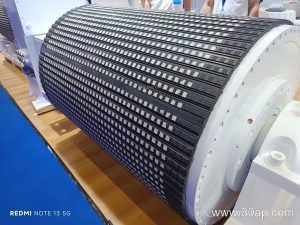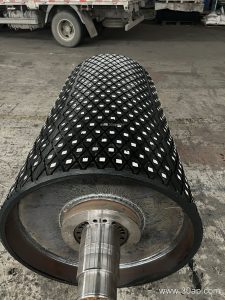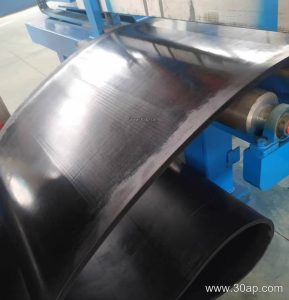
What Conveyor Pulley Machining Covers
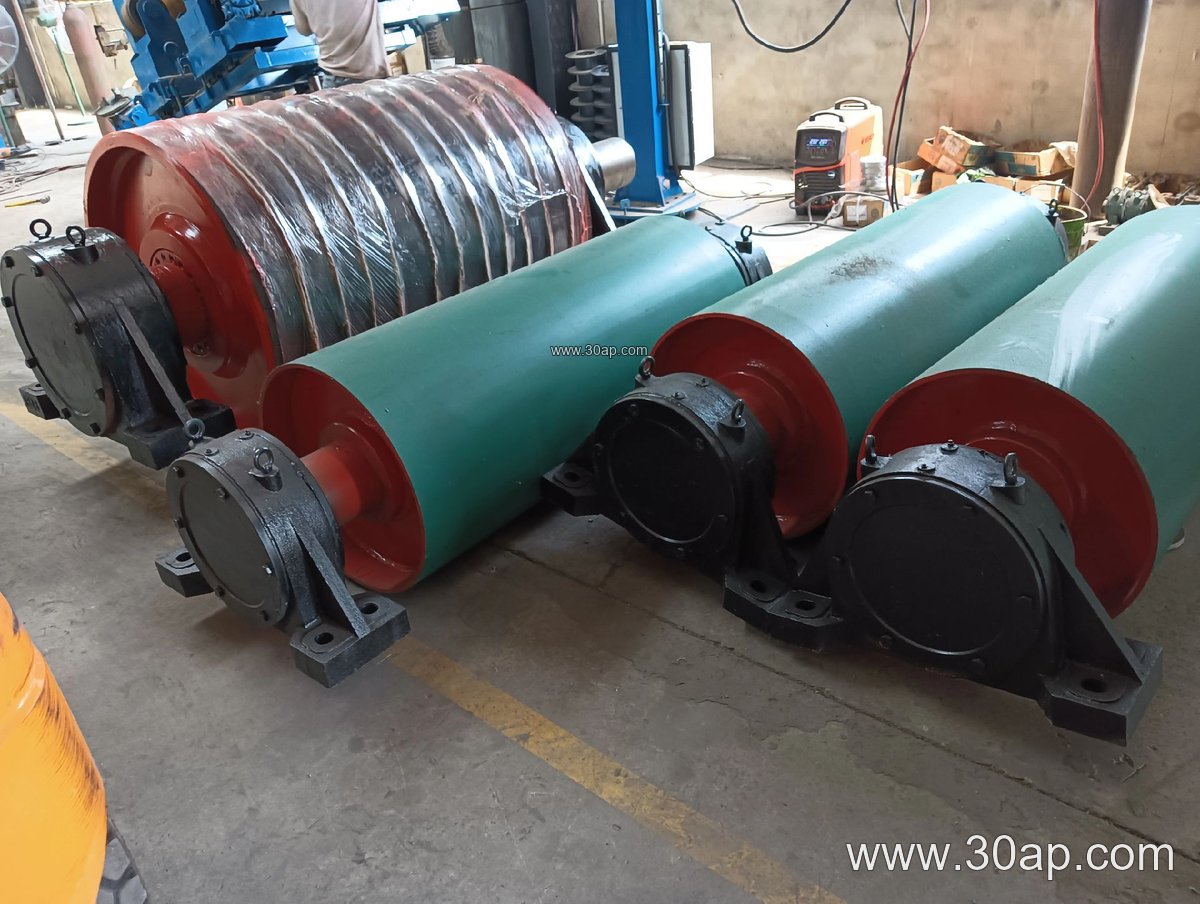
Conveyor pulley machining is the set of turning, boring, keyway cutting, welding and balancing operations that turn a steel drum into a true-running component of a belt conveyor. The pulley is not a simple cylinder. It must carry the belt tension, transfer torque to the shaft, and keep the belt tracking straight through years of service. Machining accuracy decides whether that happens smoothly or whether the belt wanders, the lagging wears unevenly and the bearings fail early.
In a quarry, a cement plant or a power station coal yard, a poorly machined pulley shows up quickly: vibration, belt edge damage and hot bearing housings. Good machining starts with the shell, the shaft and the end discs being prepared as one assembly. Visit www.wildconveyor.com/conveyor-pulley for related pulley and roller references used alongside belt conveyors.
How a Pulley Is Built and Machined
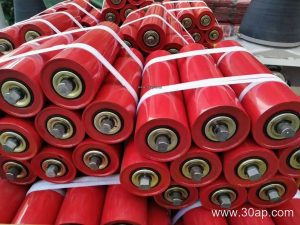
Production usually follows a clear sequence. The shell is rolled from steel plate, the end discs are cut and bored, and the shaft is turned to the required journal and bearing seat dimensions. The parts are then welded, stress-relieved where needed, and machined again so the shell runs concentric with the shaft. Keyways are cut, and the finished pulley is dynamically balanced before lagging is applied.
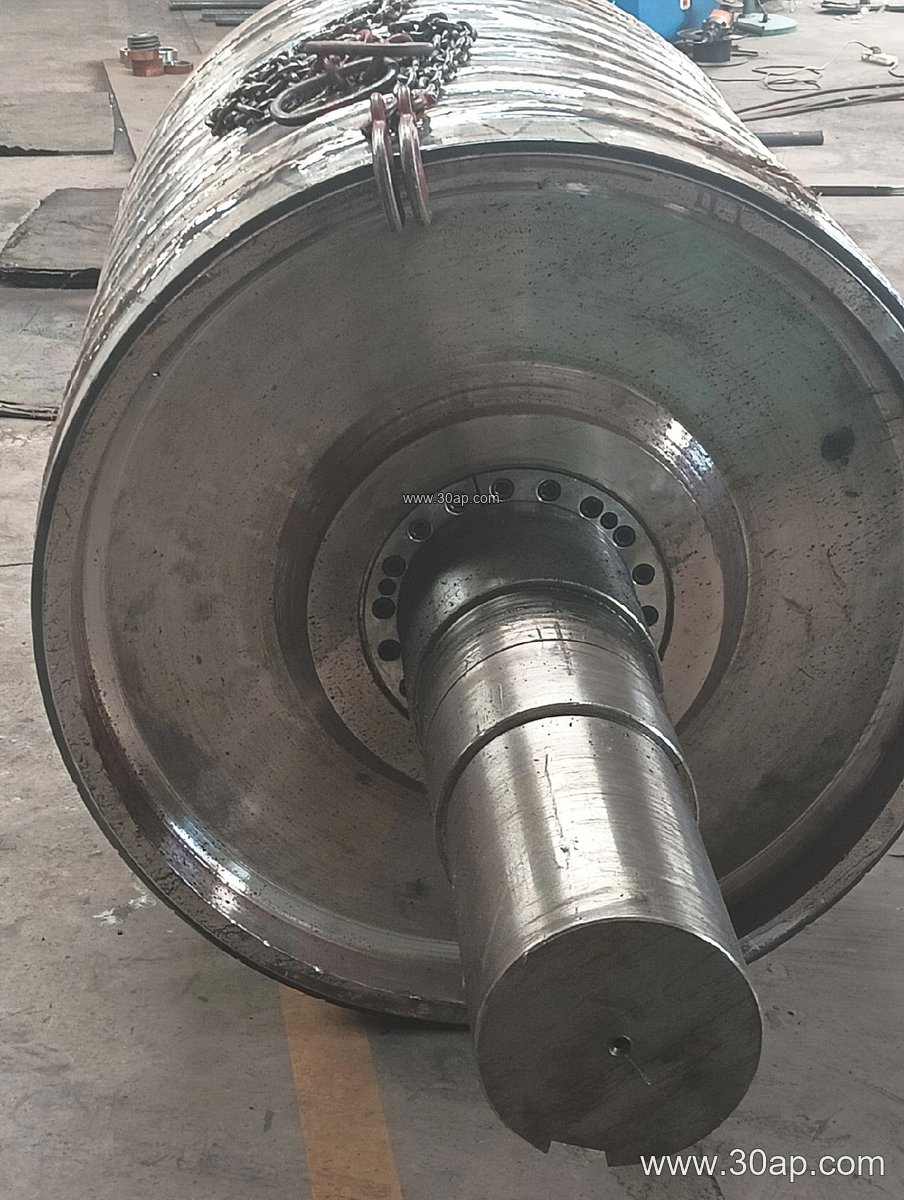
- Shell turning to control roundness and wall thickness
- End disc boring for a correct fit on the shaft
- Keyway and shaft end machining for the drive coupling
- Lagging application and final balancing
For a drive or head pulley, the machining focus is torque transmission and grip. For a tail pulley, it is alignment and cleaning behavior. A bend pulley only changes belt direction, so concentricity and low friction matter most. These subtypes are not interchangeable, and each has its own machining priorities.
Common Dimensions and Surface Options
Pulley size follows belt width and the required wrap angle. The table below shows typical reference combinations; final values are always confirmed by design.
| Belt width | Typical pulley face width | Common diameter range |
|---|---|---|
| B500 | about 600 mm | Ø250 to Ø400 |
| B650 | about 750 mm | Ø315 to Ø500 |
| B800 | about 950 mm | Ø400 to Ø630 |
| B1000 | about 1150 mm | Ø500 to Ø800 |
| B1200 | about 1400 mm | Ø630 to Ø1000 |
| B1400 | about 1600 mm | Ø800 to Ø1250 |
| B1600 | about 1800 mm | Ø1000 to Ø1400 |
Surface forms include plain, hot vulcanized rubber, cold bonded rubber, diamond lagging, herringbone lagging and ceramic lagging. Lagging thickness is commonly 8, 10, 12, 15 or 20 mm. A B1200 × Ø1000 head pulley with diamond lagging is a normal choice for a high-tension main line, while a B800 × Ø500 bend pulley may run plain or with light cold bonded rubber.
Shaft diameter is determined by torque and load, not by belt width alone. Common shaft sizes run from Ø50 to Ø200, but a B1000 conveyor may use different shaft diameters depending on motor power, speed and starting conditions. Do not assume a fixed shaft size from a belt width number.
Where Machined Pulleys Are Used
These components appear wherever bulk material moves on a belt. In a limestone quarry, the head pulley drives a crusher feed line while the tail pulley keeps the belt centered. In a coal washing plant, flame retardant and anti-static belts run over lagged drive pulleys and plain bend pulleys. In a cement plant clinker line, heat resistant belts and wear-resistant lagging protect the pulley face. In a port ship loader, long conveyors use large diameter drive pulleys to reduce belt stress.
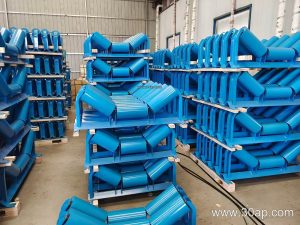
The pulley works with the conveyor belt, the idler roller and the conveyor bracket. A machined pulley that runs true reduces load on every idler roller downstream and extends conveyor bracket life. For matching belt and roller data, see www.wildconveyor.com/conveyor-belt and www.wildconveyor.com/idler-roller.
What a Buyer Should Confirm
Before ordering, confirm belt width, pulley face width, diameter, shaft diameter and keyway size. State the belt type, such as EP Conveyor Belt, Steel Cord Conveyor Belt or a flame retardant grade, because belt tension affects shell thickness and shaft design. Ask for lagging type and thickness, balancing grade, bearing type and the position the pulley will occupy: drive, tail, bend or take-up.
Check that the supplier machines after welding, not before, and that the pulley is balanced with lagging fitted. For heavy-duty mining conveyors, ask about shell thickness and end disc design. For a small aggregate line, a standard machined pulley with plain or diamond lagging is often enough. Matching the machining quality to the duty keeps the whole conveyor stable. More selection notes are available at www.wildconveyor.com/conveyor-pulley-machining.