What a Carbon Steel Pulley Is and Where It Sits
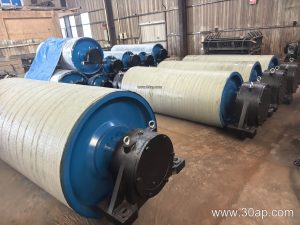
A carbon steel pulley is the rotating drum at the heart of a belt conveyor, built from a steel shell, end discs, a shaft and bearing housings. In a quarry, a cement plant or a power plant coal yard, it is the part that carries the conveyor belt, sets its direction and transfers drive torque. Because the shell is made from carbon steel rather than stainless or cast iron, the drum offers a good balance of strength, weldability and cost for heavy bulk handling.
People often shorten the name to steel drum or conveyor pulley. That is the same product. It should not be confused with a drive pulley, a tail pulley or a bend pulley, because those describe the position and job of the drum, not a different machine.
How the Drum Is Built
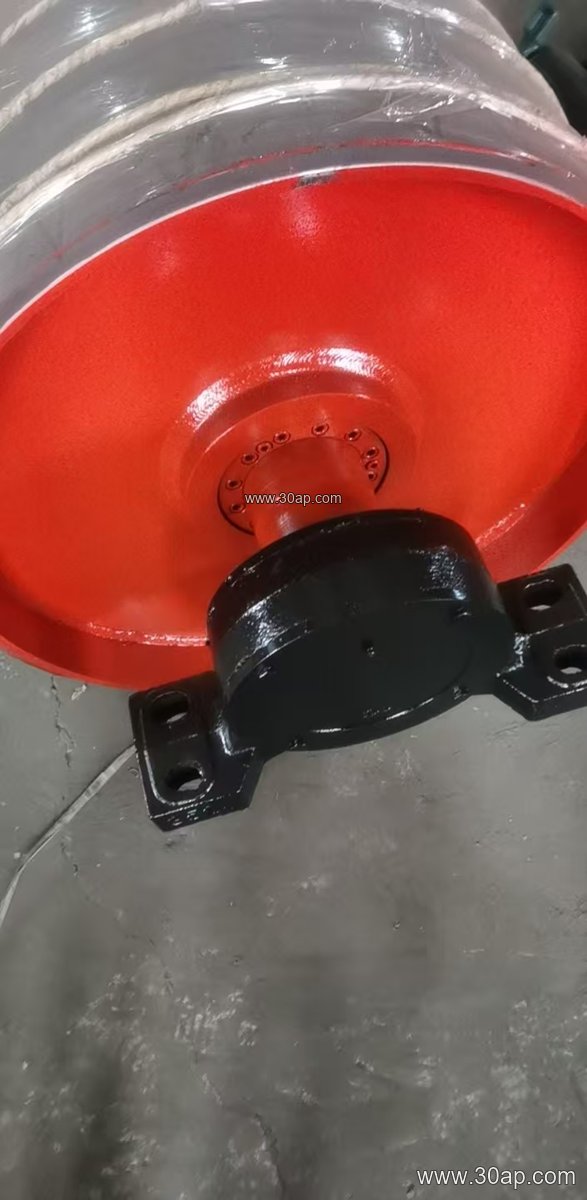
The shell is usually rolled from carbon steel plate and welded to two end discs, which are bored to take the shaft. The shaft is keyed or shrink-fitted, and the assembly is machined so the face runs true. Bearing housings sit at each end, and the surface may stay plain or receive a rubber lagging for grip. A common upgrade is hot vulcanized rubber or diamond-pattern lagging for wet, dusty conditions.
Typical shell diameters run from about Ø200 mm on small units to Ø1800 mm on large ones, and face widths usually exceed belt width. Examples include B800 × Ø500, B1200 × Ø1000 and B1400 × Ø800, but these are reference combinations, not fixed rules. Shaft diameter depends on torque and load, commonly Ø50 to Ø200 mm, and is calculated rather than picked from belt width alone.
Types by Duty Position
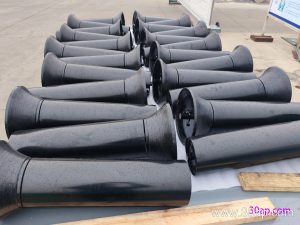
The same carbon steel body can serve several roles. A drive pulley is lagged and coupled to the gearbox; a tail pulley returns the belt at the loading end; a bend pulley changes belt direction; a take-up pulley maintains tension. These are not interchangeable names, and each position has its own load profile. A wing pulley, for instance, is sometimes chosen at the tail of a crusher conveyor to shed sticky material, but it is a different subtype and not a substitute for a standard drum.
Where It Fits in Bulk Handling
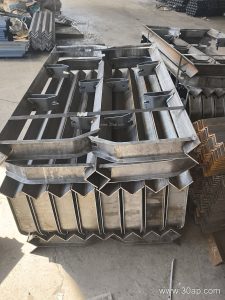
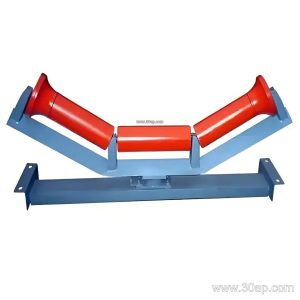
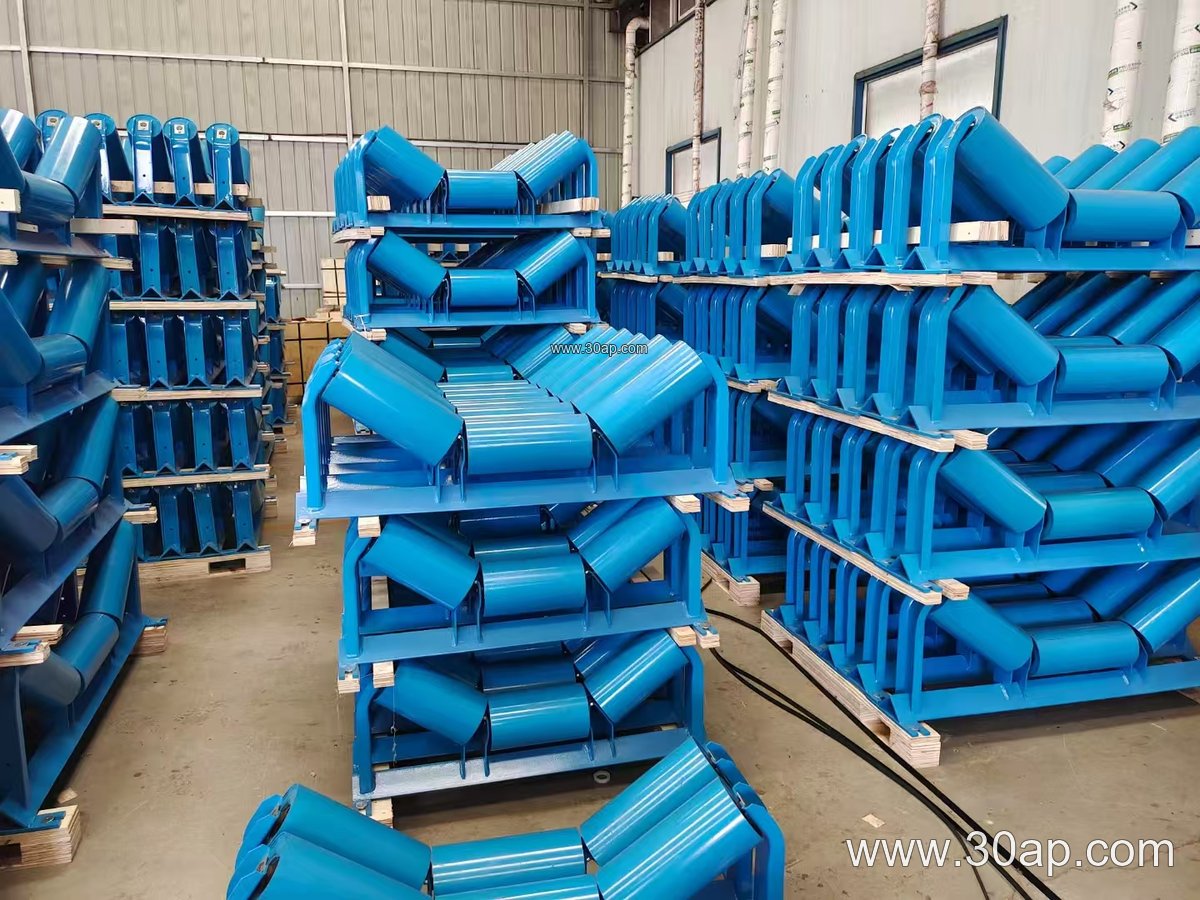
In an iron ore or copper ore line, the drum works alongside an idler roller set and a sturdy conveyor bracket to keep the belt tracking. In a coal mining conveyor or a cement plant clinker circuit, a flame retardant conveyor belt or heat resistant conveyor belt may run over the same steel drum, so lagging choice matters. Port bulk terminals and aggregate yards also rely on these drums for long overland runs.
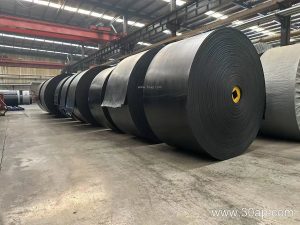
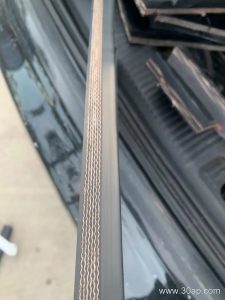
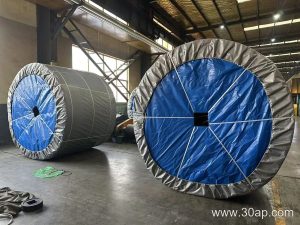
For a sand and gravel line feeding a crusher, a heavy duty conveyor belt paired with a well-lagged head drum reduces slip. Where fines are wet, a chevron conveyor belt may be used, and the drum face must be wide enough to support the full belt without edge damage. Matching a steel cord conveyor belt or a multi-ply fabric core belt to the right drum diameter supports good belt life, and a properly sized pulley keeps the whole conveyor pulley system running smoothly.
Buyer Checklist
- Confirm the position: drive, tail, bend or take-up, since each has different loads.
- State belt width, such as B650, B1000 or B1800, and the required face width.
- Specify shell diameter and shaft diameter as design values, not guesses.
- Choose the surface: plain, rubber lagging, diamond or ceramic, with thickness from 8 to 20 mm.
- Match the drum to the belt type, whether an EP conveyor belt, NN conveyor belt or steel cord belt.
- Check balance, machining tolerance and bearing selection before ordering.
Routine checks of lagging wear, bearing temperature and shaft alignment keep a carbon steel pulley in service longer. Buyers who provide clear duty data get a drum that suits the conveyor rather than one that merely fits the shaft.