What the EP1500 Conveyor Belt Is
The EP1500 Conveyor Belt is a multi-ply fabric core rubber belt built around polyester warp and nylon weft fabric. In the EP naming system, the number 1500 refers to the nominal tensile strength per unit width of the carcass, commonly expressed in newtons per millimeter. This places the product in the upper-middle range of EP Conveyor Belt grades, above everyday EP200 or EP400 belts and below the strongest EP2000 constructions. Buyers often meet it under the equivalent name EP1500 rubber conveyor belt or EP1500 fabric core conveyor belt, and all three descriptions point to the same product.
Because the carcass combines low elongation in the warp direction with good fatigue resistance in the weft direction, an EP Rubber Conveyor Belt of this grade suits long runs, steady tension and relatively demanding duty cycles. It is not a steel cord design and should not be confused with Steel Cord Conveyor Belt products, which rely on a different reinforcement principle.
How the Belt Is Built
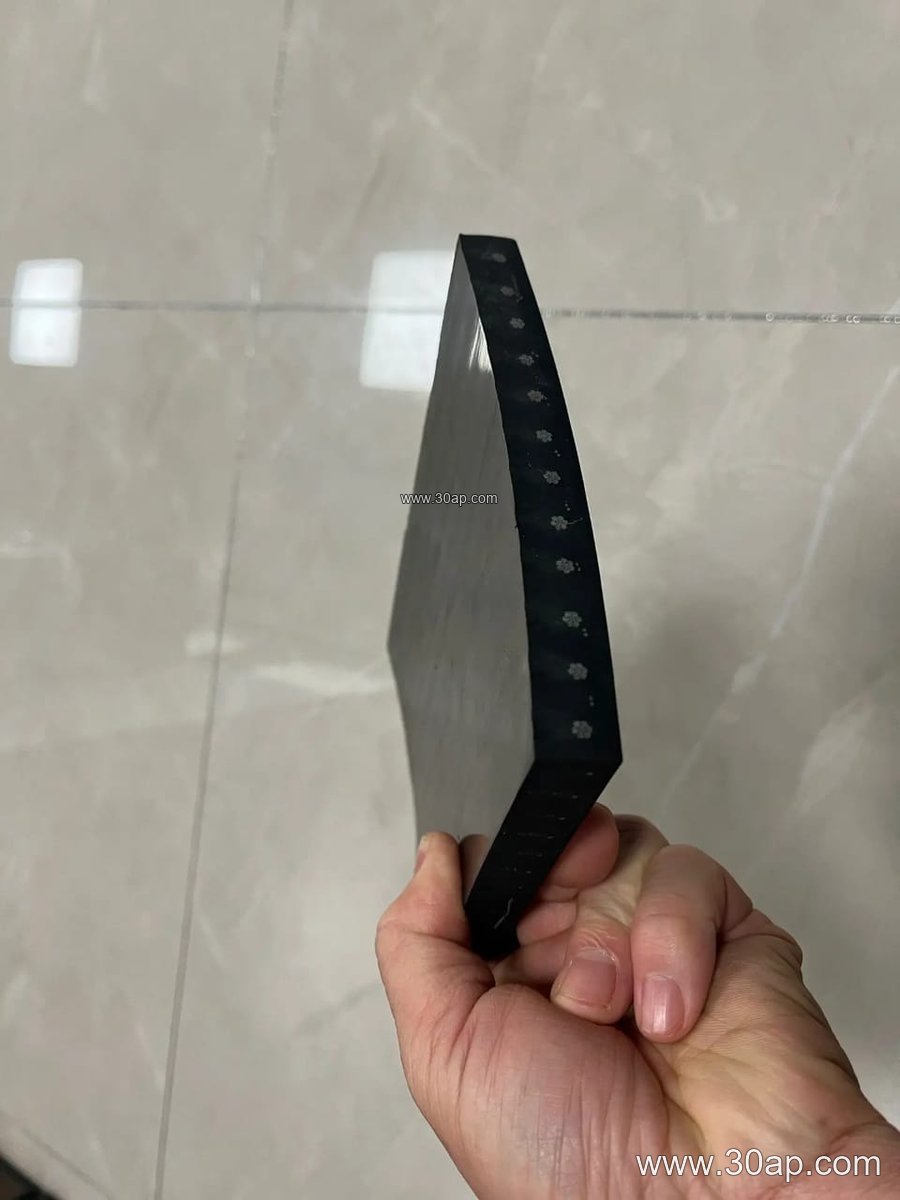
A typical EP1500 Conveyor Belt is assembled from several layers of EP fabric, bonded with rubber compound and protected by top and bottom cover rubber. The construction is usually described by ply count and cover thickness. Common carcass options range from 2 to 6 plies, while cover combinations such as 4+2 mm, 5+2 mm, 6+2 mm and 8+3 mm appear in many specifications. These values are reference points, not universal promises; each mill confirms its own data sheet.
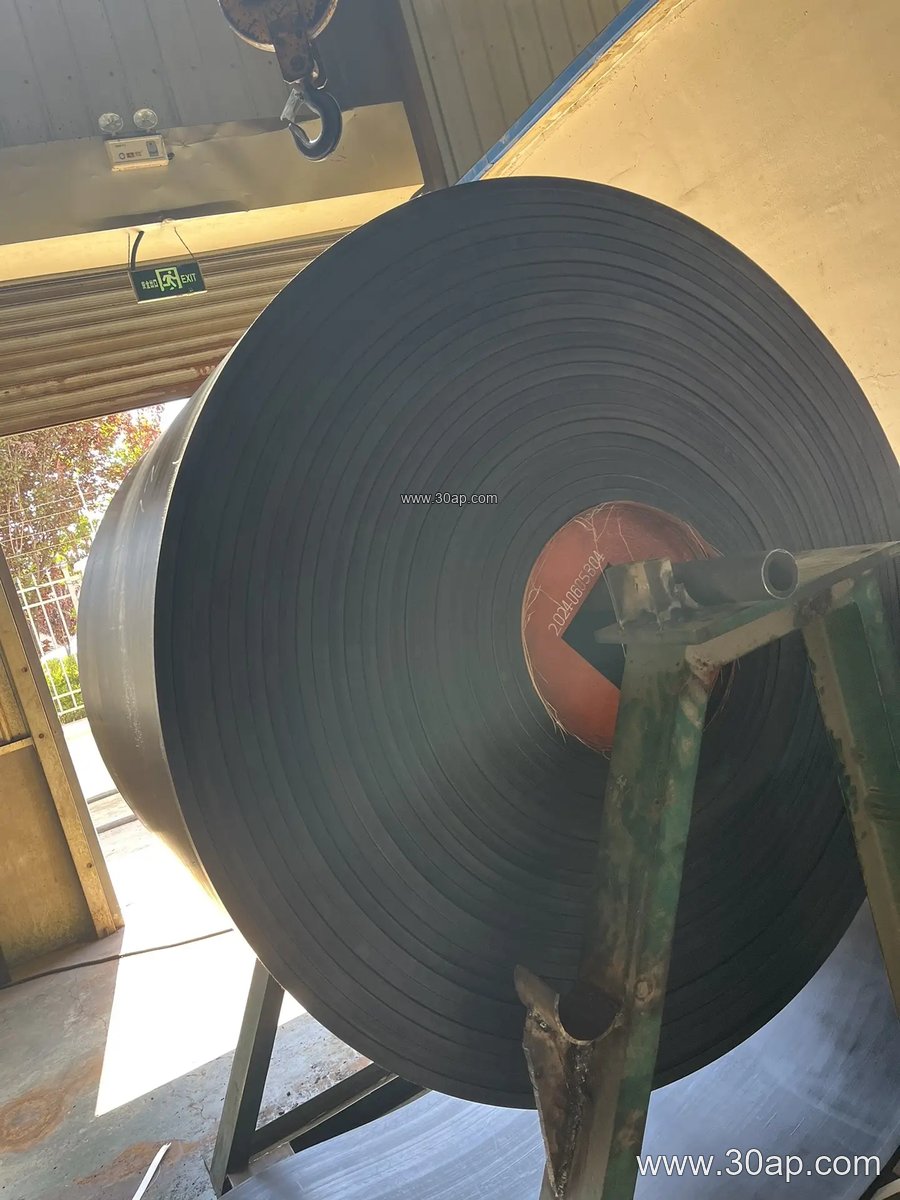
The cover compound determines much of the belt’s field behaviour. An Abrasion Resistant Conveyor Belt cover handles sharp, gritty material, while a Heat Resistant Conveyor Belt cover is chosen where clinker or sinter carries residual heat. Flame retardant and anti-static versions are frequently requested for coal handling, and an Oil Resistant Conveyor Belt compound helps where lubricants or oily feedstock are present. The carcass and the cover should be selected together, because a strong EP carcass with an unsuitable cover will still wear out early.
Where It Fits in a Conveying System
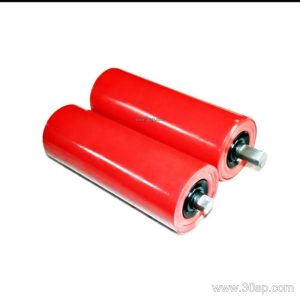
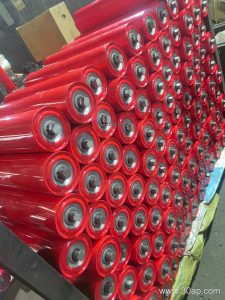
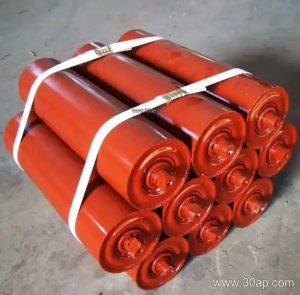
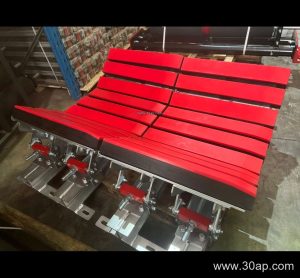
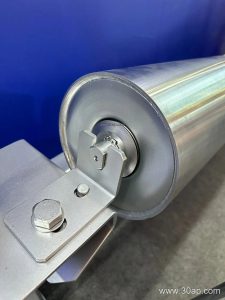
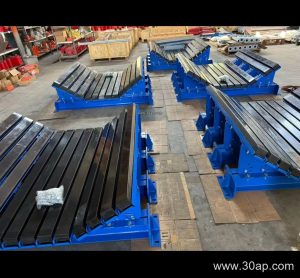
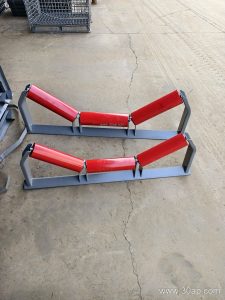
The belt is only one part of the line. A conveyor pulley at the head drives the belt, a tail pulley returns it, and bend pulleys or take-up pulleys guide it through the tensioning zone. Idler roller sets support the loaded strand, and conveyor bracket assemblies hold the idlers at the correct trough angle. Matching belt strength to pulley diameter, trough angle and transition distance matters, but there is no fixed rule that ties one belt width to one pulley size; those choices follow the conveyor design.
Typical industries include mining and quarrying, cement plants, power stations, steel plants, ports and aggregate yards. A Quarry Conveyor Belt or Crusher Conveyor Belt may use EP1500 where the main line is long and the load is consistent. Coal Mining Conveyor Belt users usually add flame retardant and anti-static properties. Cement plants often pair the belt with heat resistant covers on clinker lines and standard abrasion resistant covers elsewhere. In all these settings, good alignment of idlers, pulleys and brackets extends belt life as much as the belt grade itself.
Common Reference Specifications
The table below collects frequently cited parameters. Treat them as a starting point for enquiry rather than a fixed catalogue.
- Belt type: EP1500 Conveyor Belt, multi-ply fabric core
- Carcass: polyester-nylon fabric, commonly 2 to 6 plies
- Nominal strength: EP1500 grade
- Width examples: B650, B800, B1000, B1200, B1400, B1600, B1800
- Cover thickness examples: 3+1.5 mm, 4+2 mm, 5+2 mm, 6+2 mm, 8+3 mm
- Cover variants: abrasion resistant, heat resistant, oil resistant, flame retardant, anti-static, cold resistant
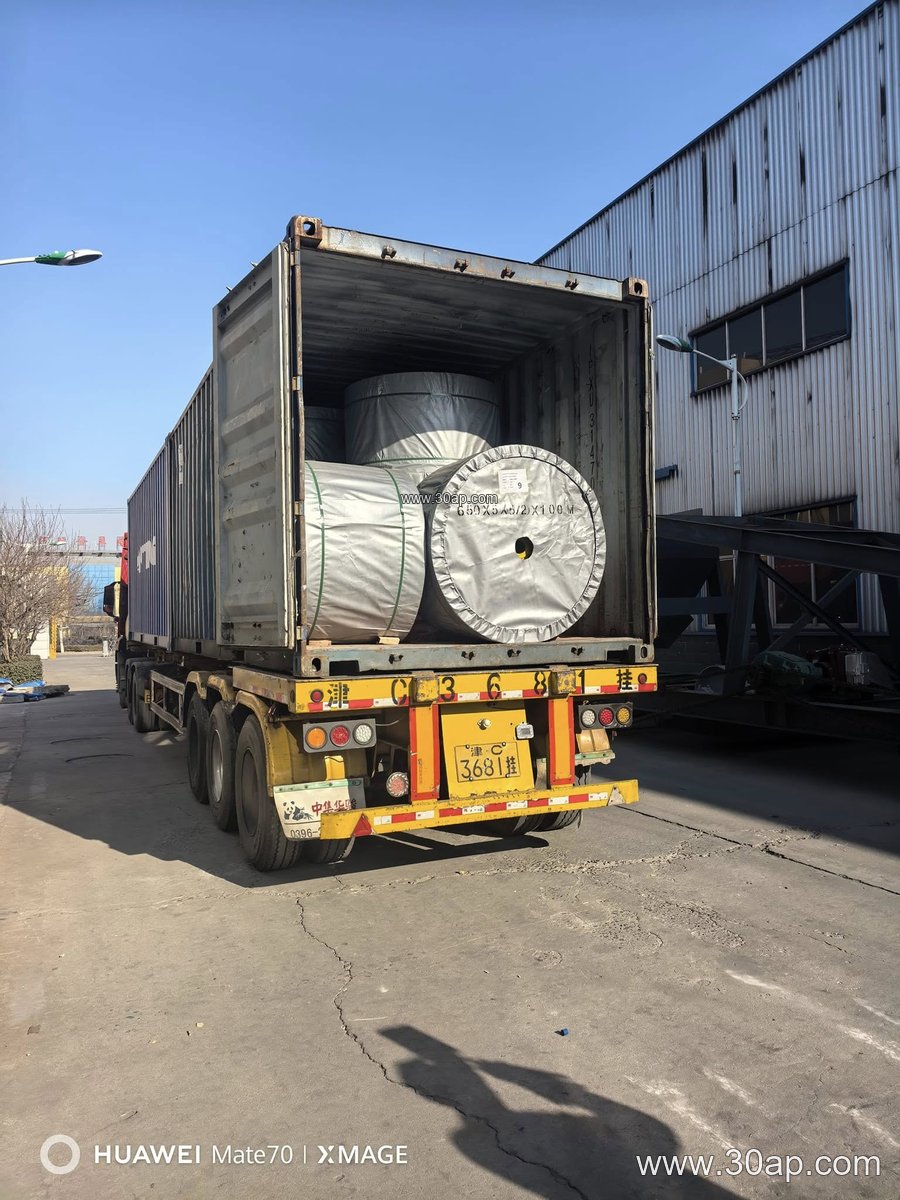
Width choices should follow the conveyor frame and the material lump size. A 650mm or 800mm belt may serve a short transfer, while a 1400mm or 1600mm belt is more typical of high-capacity main lines. The same EP1500 grade can appear across several widths, so width alone does not define the belt’s strength.
Selection and Maintenance Notes
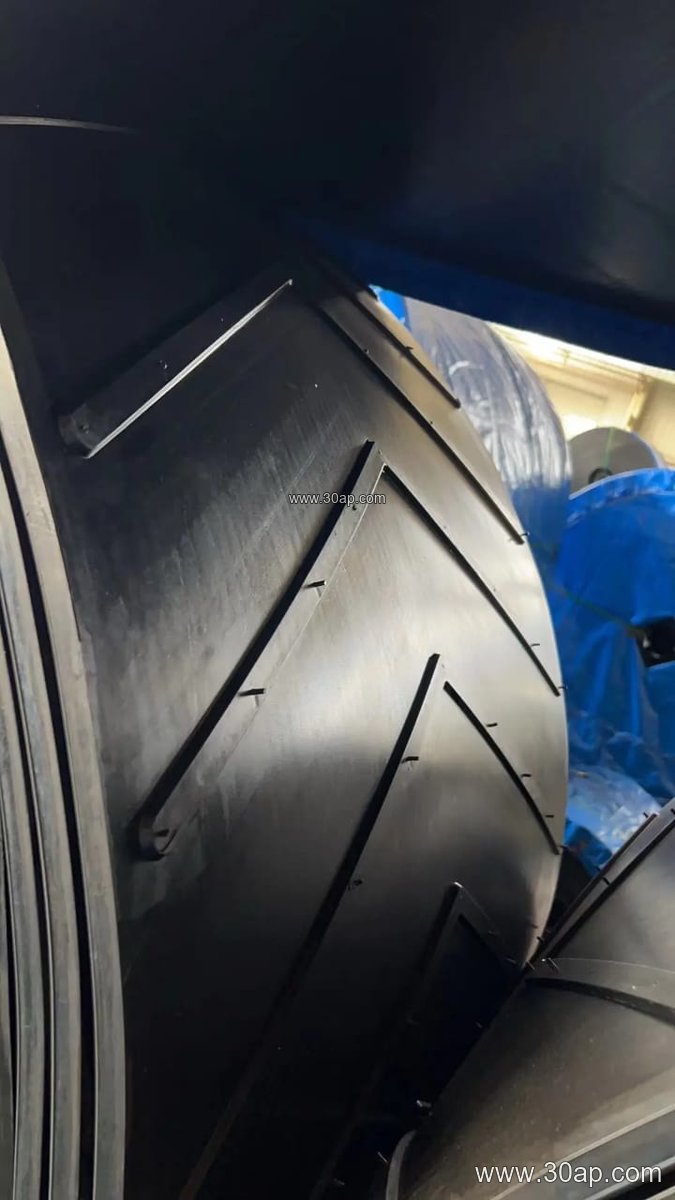
Start with the actual duty: tonnage per hour, lump size, material temperature, moisture and any fire or oil risk. Check the minimum pulley diameter recommended for the selected ply count, and confirm transition distances so the belt is not over-stressed at the head or tail. If the route needs steep inclines, a Chevron Conveyor Belt may be a better comparison because its raised profile helps hold material, but it is a different surface form rather than a substitute for the EP1500 carcass grade.
During operation, inspect idler roller rotation, pulley lagging and bracket tightness at regular intervals. Keep the belt tracking straight, avoid spillage build-up at transfer points, and repair small cover cuts before they reach the fabric. Store spare rolls in a dry, shaded place and rotate stock so the rubber does not age unevenly. For buyers comparing suppliers, ask for the carcass ply count, cover compound, full width and thickness, and the recommended pulley diameters in writing.