What an EP300 Conveyor Belt Is
An EP300 conveyor belt is a fabric-core rubber belt built on polyester-polyamide (EP) carcass plies. The “300” refers to the nominal tensile strength of the carcass, commonly expressed in N/mm per ply. In practice, an EP300 belt sits in the middle-upper range of EP constructions, above EP200 and below EP400 or EP500. It is a workhorse choice for medium to heavy duty conveying where moderate elongation, good troughability and fatigue resistance matter more than the ultimate strength of a steel cord belt. Buyers searching for an EP Conveyor Belt often land on EP300 because it balances load capacity against pulley diameters and cost.
The same product is also described as an EP Fabric Core Conveyor Belt or an EP Rubber Conveyor Belt, depending on whether the supplier is emphasizing the carcass or the rubber cover. These are equivalent names for the same belt family, not different products.
How the Belt Is Built
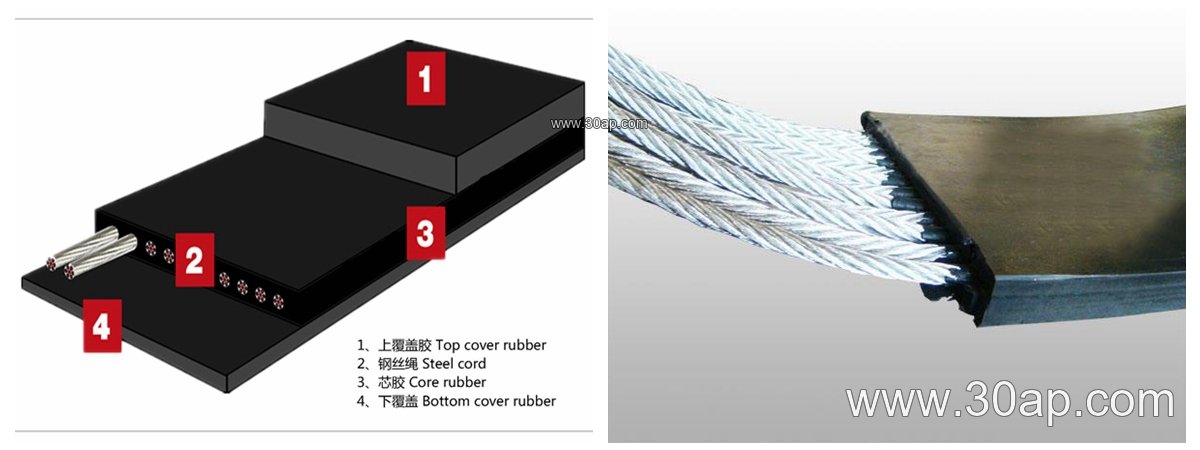
The carcass is the load-bearing element. EP fabric plies are bonded with skim rubber, then covered on both faces with abrasion resistant, heat resistant or flame retardant rubber compounds depending on duty. Edge construction may be cut-edge or moulded-edge; the latter is more common where fraying and moisture ingress are concerns.
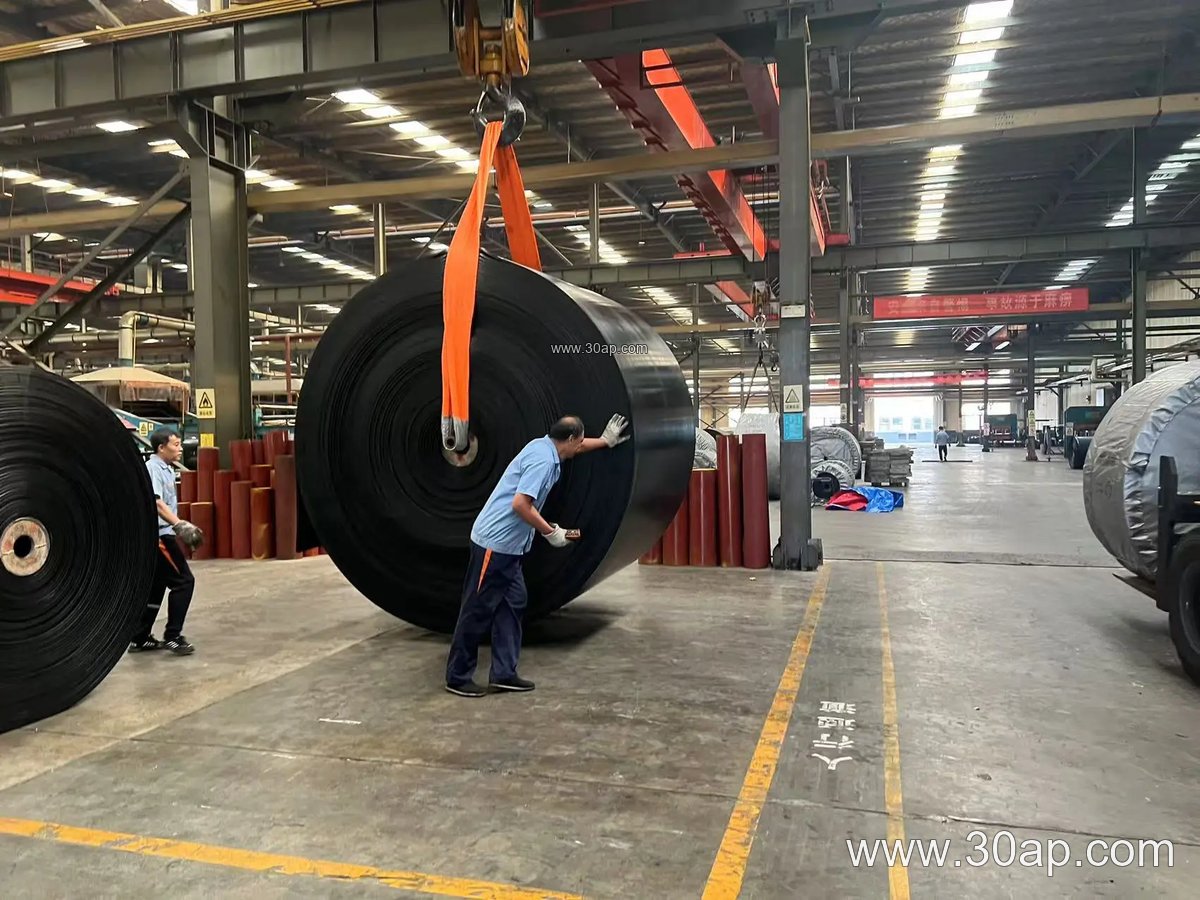
Typical reference values for the family look like this. Treat them as design ranges, not fixed supply promises.
- Carcass strength grades: EP200, EP315, EP400, EP500, EP630, EP800, EP1000, EP1250
- Common ply counts: 2 to 6 plies
- Common cover thickness combinations: 3+1.5 mm, 4+2 mm, 5+2 mm, 6+2 mm, 8+3 mm
- Common belt widths: B500, B650, B800, B1000, B1200, B1400, B1600, B1800
A belt width and a pulley diameter are matched by the conveyor designer based on tension, wrap angle and carcass flexibility. No single width locks a belt to one pulley size, and shaft diameters are calculated from torque and bearing loads, never read off a width table.
Where EP300 Belts Fit on the Line
EP300 belts appear across quarry conveyor belts, aggregate conveyor belts and crusher conveyor belts handling crushed stone and sand. In cement plants they move clinker and raw meal on medium-length flights. Power plants use them on coal handling systems where a flame retardant conveyor belt or anti-static conveyor belt grade is specified. In mining, an EP300 belt may serve as a mining conveyor belt on main haulage or as an underground mining conveyor belt where the tension profile rules out heavier steel cord constructions.
For high-abrasion duty such as iron ore or copper ore, an abrasion resistant conveyor belt cover compound is the usual upgrade. Hot clinker or sinter calls for a heat resistant conveyor belt grade. Cold climates may justify a cold resistant conveyor belt compound. Where oil or grease is present, an oil resistant conveyor belt cover helps protect the carcass.
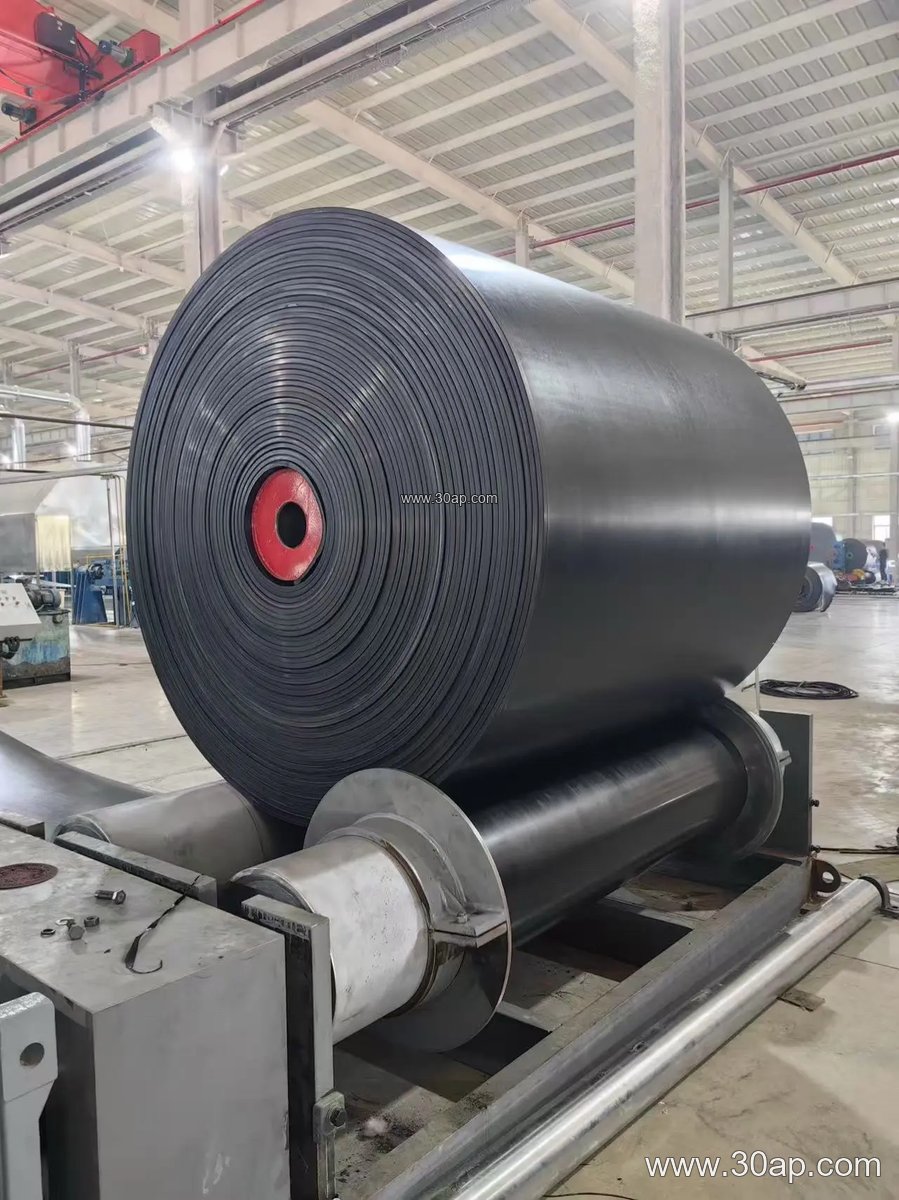
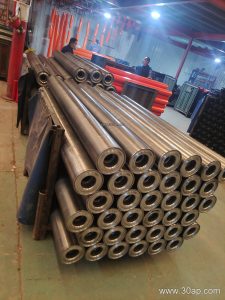
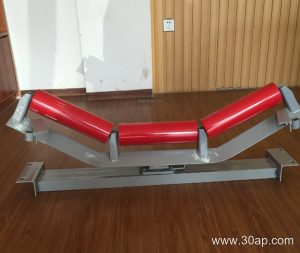
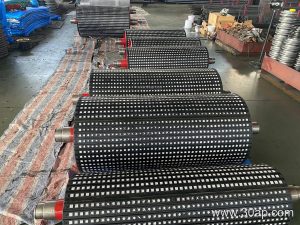
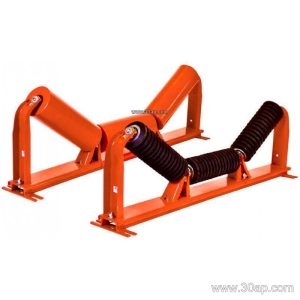
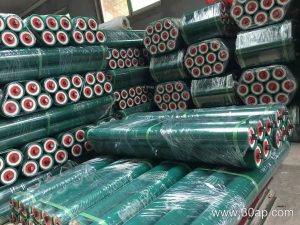
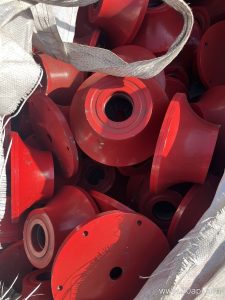
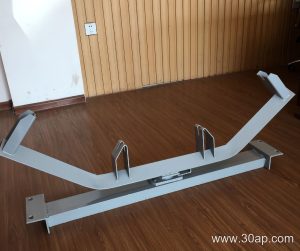
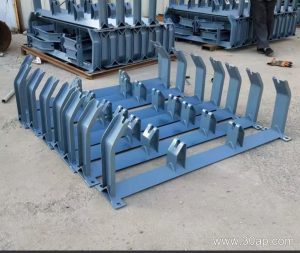
Supporting hardware matters too. The belt runs over a conveyor pulley at the head and tail, is trained by idler rollers along the carry and return sides, and is held by a conveyor bracket on the frame. A misaligned idler roller or a worn conveyor pulley will shorten belt life faster than most load issues.
Specification Choices a Buyer Should Confirm
Before ordering, confirm five things: the required tensile grade, the number of plies, cover thickness and compound type, belt width, and whether the belt is supplied as an endless conveyor belt or in open lengths for field splicing. For steep inclines, a chevron conveyor belt or corrugated sidewall conveyor belt profile may be needed, but these are separate profiles and should be specified as such, not assumed from the base EP300 carcass.
Also ask about edge type, splice method and minimum pulley diameter recommended for the chosen carcass. If the conveyor runs in a coal mine, confirm the flame retardant and anti-static requirements in writing. For food or clean applications, a food grade conveyor belt cover is a different compound family and should be quoted separately.
Maintenance Notes
Check belt tracking weekly, inspect idler rollers for seized bearings, and verify that the conveyor pulley lagging is not worn smooth. Keep the belt tension within the designer’s range; over-tensioning an EP300 carcass accelerates ply fatigue. Store spare lengths away from sunlight and ozone sources. For more on matching belts to pulleys and rollers, see the technical notes on the site.