What a Carbon Steel Conveyor Bracket Does on the Line
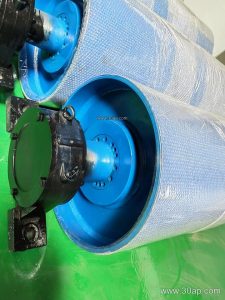
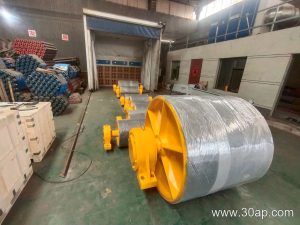
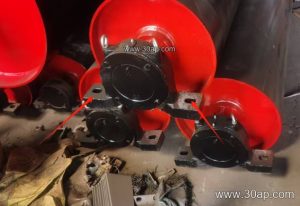
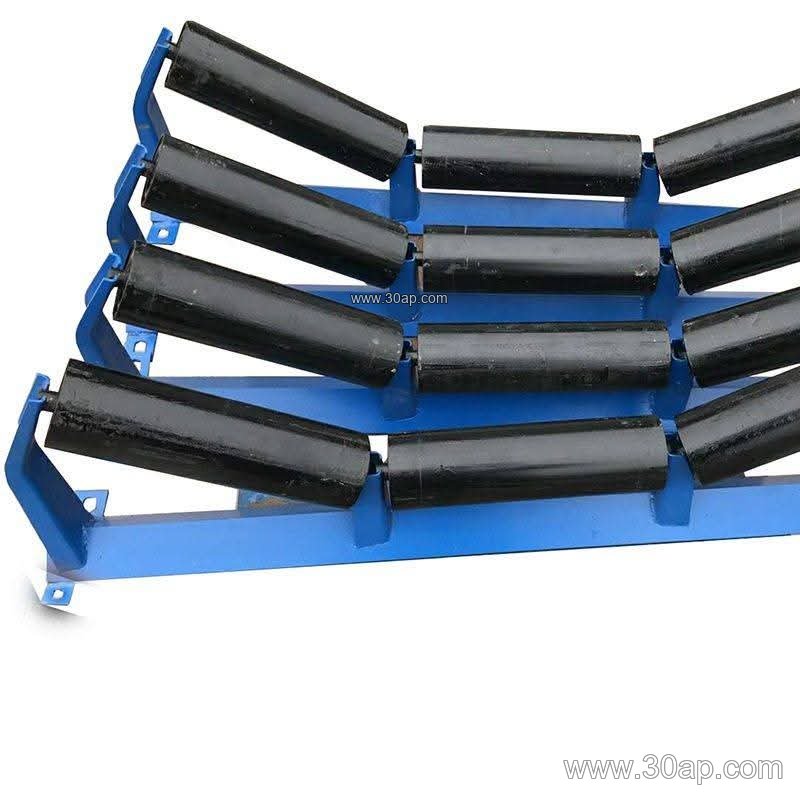
A carbon steel conveyor bracket is the structural interface between the conveyor frame and the rollers that carry the belt. It holds idler roller assemblies at the correct height, angle and spacing so the conveyor belt runs true under load. In a quarry, a coal handling plant or a cement kiln feed line, this bracket is often the least visible part of the machine, yet it sets the geometry that everything above it depends on.
The same item is also described as a steel conveyor idler bracket or a mild steel roller support bracket. All three names refer to one product family: fabricated carbon steel supports that position troughing, return and transition rollers.
How the Bracket Is Built
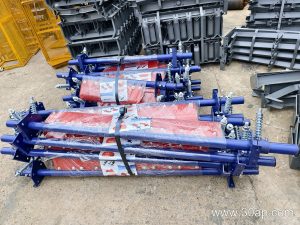
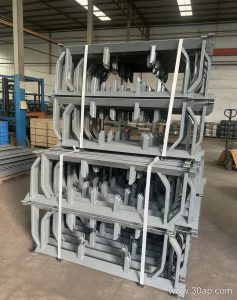
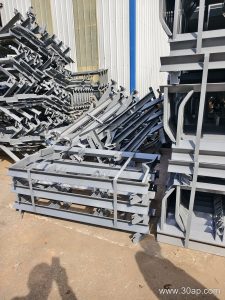
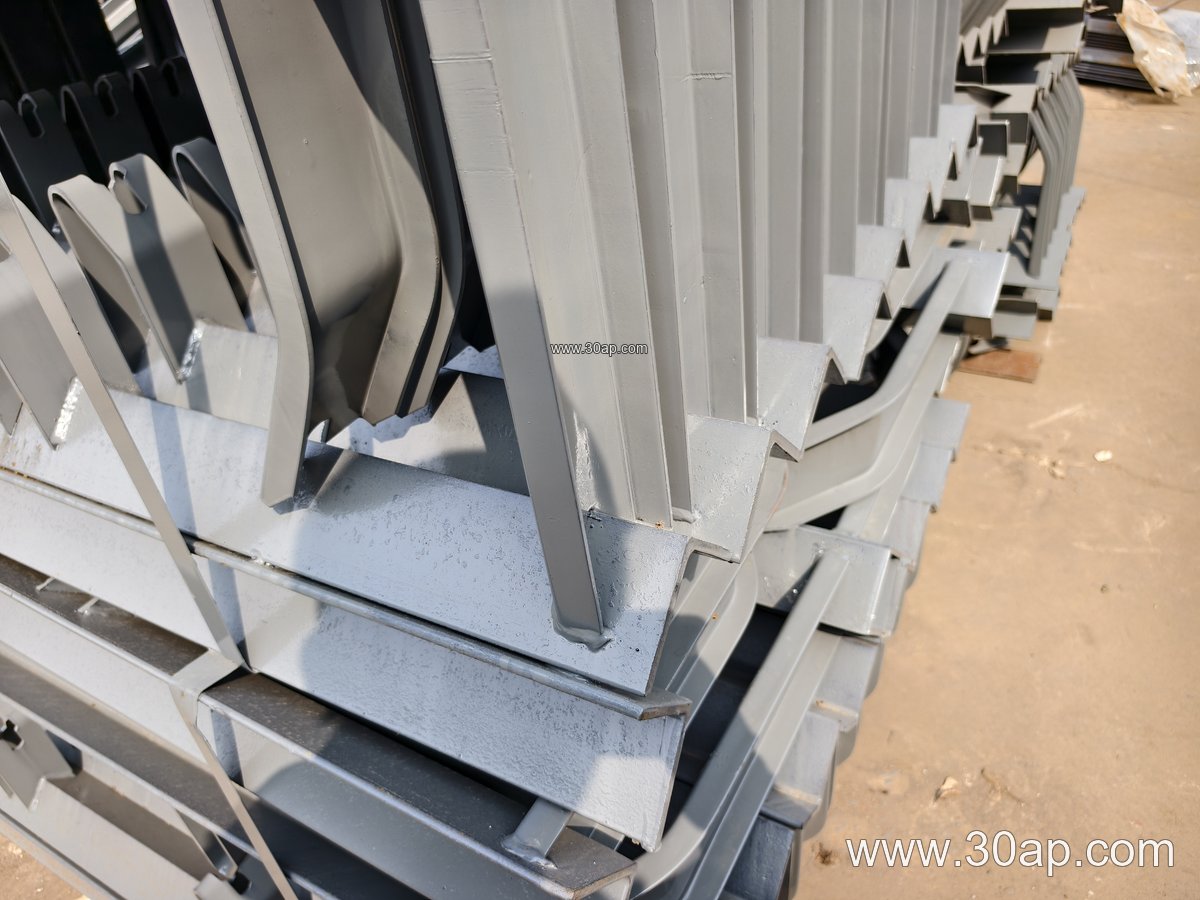
Most units are cut and welded from angle steel, channel steel or folded plate. The fabrication route matters because a bracket must resist vibration, belt pull and material impact without losing its set angle. A typical build includes:
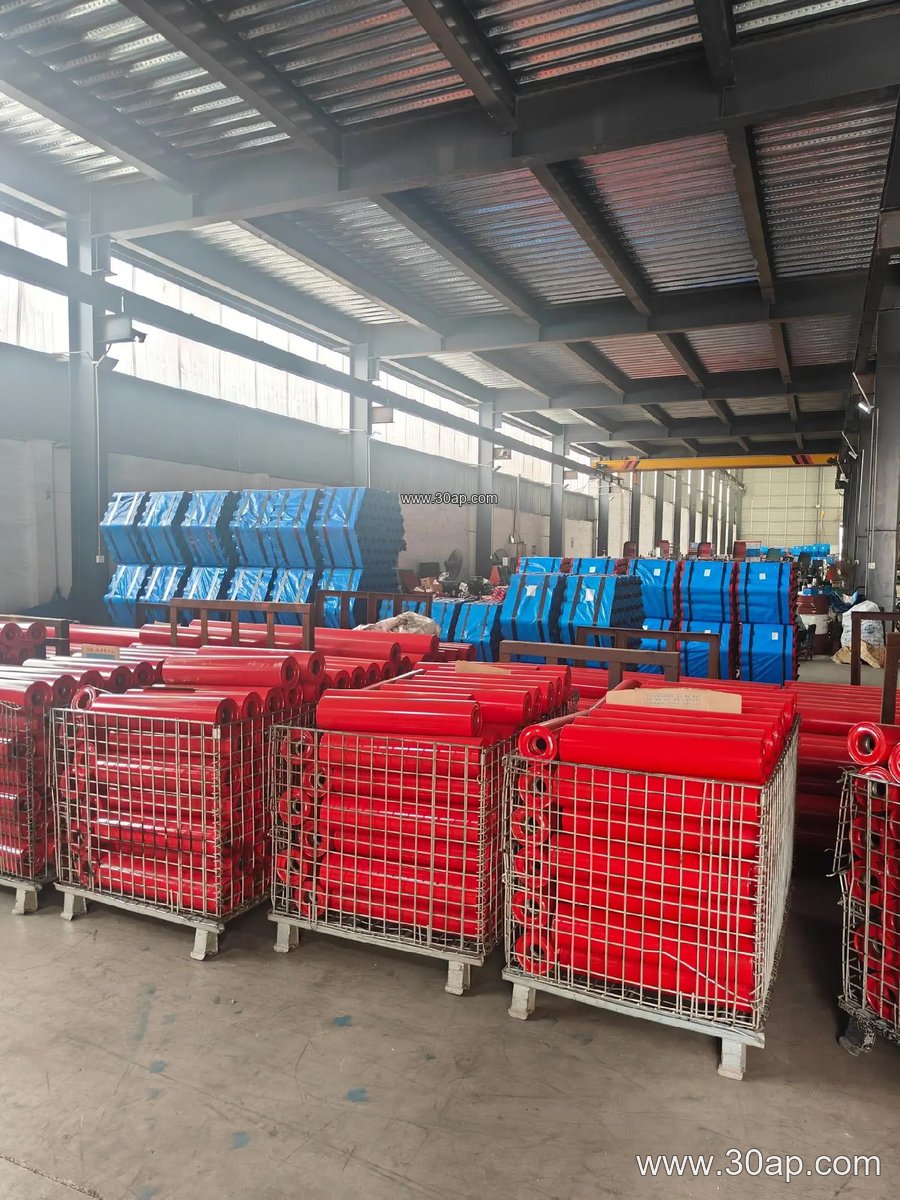
- Base or foot plates that bolt to the stringer or frame
- Slotted or drilled mounting holes for roller shafts
- Angled wings that establish the trough profile
- Gussets or stiffeners at high-load corners
- A surface finish suited to damp or dusty conditions
Adjustable versions add pivoting arms or shim plates, letting maintenance crews fine-tune the trough angle after installation or after the frame settles.
Trough Angle and Roller Diameter as a Set
The bracket does not work alone. Its geometry must match the roller diameter and the belt width. Common combinations seen in design drawings include B800 with a 35 degree trough and Ø108 rollers, B1200 with 45 degrees and Ø133, and B650 with 30 degrees and Ø89. These are reference examples, not fixed rules; a wider belt may use a shallower angle where material is friable, and a narrow belt can run a steeper trough where capacity is tight.
When specifying, confirm four numbers together: belt width, trough angle, roller diameter and mounting hole pitch. Hole spacing and crossbeam length usually change with belt width and trough angle, so they should be taken from the project drawing rather than assumed.
| Parameter | Common Range | Notes |
|---|---|---|
| Belt width | B500 to B2200 | Match to frame width and roller length |
| Trough angle | 20, 30, 35, 45 degrees | Adjustable brackets cover several angles |
| Roller diameter | Ø89, Ø108, Ø133, Ø159, Ø194 | Selected with load and belt speed |
| Forward tilt | About 1.5 to 2 degrees | Used on training brackets |
Where These Brackets Are Used
In a limestone quarry or a sand and gravel line, troughing brackets support the carrying side through the crusher feed and transfer points, while return brackets hold the belt on its way back. In a coal preparation plant, flame retardant conveyor belt and anti-static conveyor belt grades are common, and the bracket finish should suit washdown and fine dust. Power plant coal yards and port ship loaders use heavy frames where impact brackets absorb the drop from chutes.
The bracket also influences how a skirted conveyor belt or a corrugated sidewall conveyor belt tracks, because edge contact and side loading put extra lateral force into the roller stations. On long overland lines using steel cord conveyor belt or EP conveyor belt, transition brackets ease the belt from flat to troughed without over-stressing the carcass.
Fixed or Adjustable, and What to Check Before Buying
Fixed brackets suit stable frames and repetitive stations. Adjustable brackets cost more but simplify alignment and let a plant standardize one part across several trough angles. For a new project, confirm the mounting pattern, the material thickness, the finish and whether the bracket is designed for carrying, return or impact duty. For a replacement order, measure the existing hole centres and note the roller shaft ends. More guidance on matching rollers and belts is available at https://www.jsruixiang.com/.
Buyers should also ask how the bracket behaves during belt training. A poorly aligned carbon steel conveyor bracket can cause edge wear on an abrasion resistant conveyor belt or misalignment on a pipe conveyor belt, and no amount of roller adjustment will fully correct it. Checking squareness and hole position on delivery is a simple, low-cost habit.
Used alongside conveyor pulley alignment and idler roller inspection, a correctly specified bracket keeps the whole conveyor bracket set working as one system. Further reference material on belt and roller matching can be found at https://www.jsruixiang.com/ and https://www.jsruixiang.com/.