Introduction to High Strength Conveyor Belt Operations
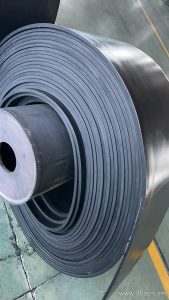
Heavy industries demand reliable bulk material handling solutions capable of enduring extreme daily workloads. A High Strength Conveyor Belt serves as the critical pulling medium across extensive processing networks found in modern coal mining, aggregate quarries, cement plants, and power generation facilities. Selecting the proper High Strength Conveyor Belt ensures continuous raw material transfer without unexpected downtime or excessive stretching.
Structural Composition and Material Engineering
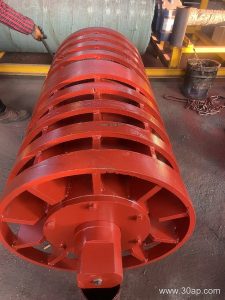
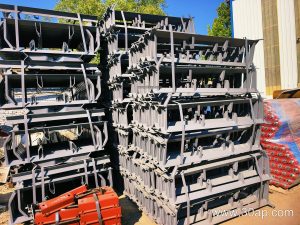
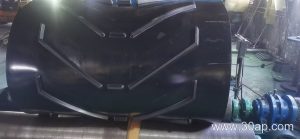
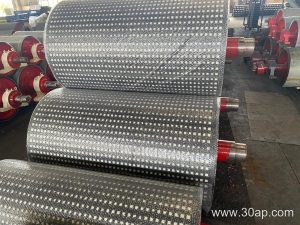
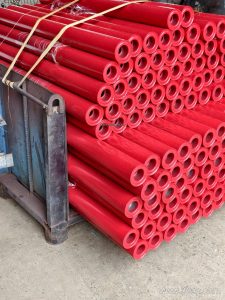
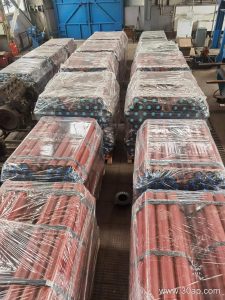
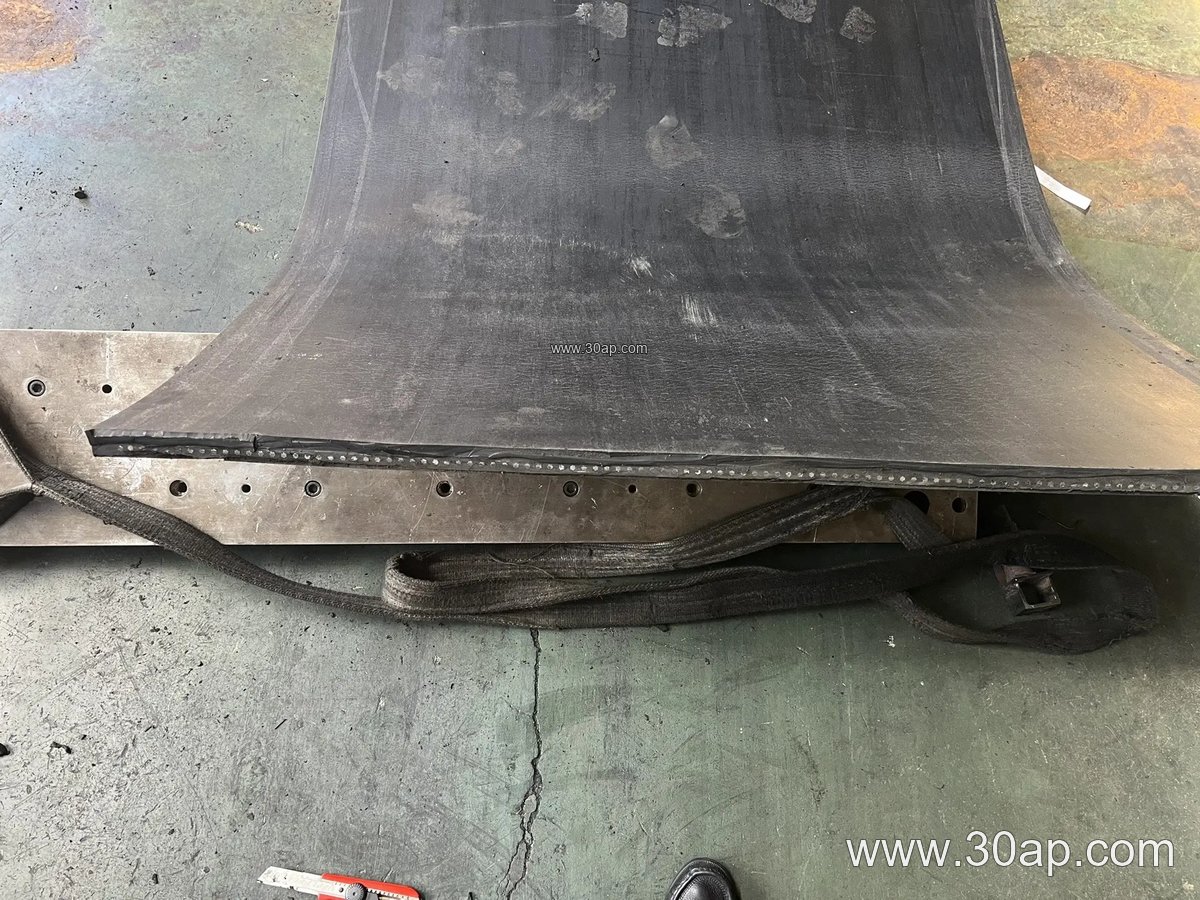
The internal architecture of a High Strength Conveyor Belt determines its load-bearing capacity and operational longevity. Common variations include multi-ply EP fabric configurations and robust steel cord frameworks designed to withstand high tension over long span distances. During operation, the belt relies on a precise alignment of components, where an idler roller supports the running surface, a heavy-duty conveyor pulley drives the loop forward, and a sturdy conveyor bracket maintains structural stability beneath the conveyor belt assembly.
Technical Specifications and Reference Parameters
Engineering teams must evaluate specific dimensional and mechanical properties before finalizing equipment orders. The following reference data outlines typical ranges utilized in heavy-duty bulk material logistics:
| Parameter Category | Common Reference Values |
|---|---|
| Tensile Strength / Fabric Types | EP200, EP315, EP400, EP500, EP630, EP800, EP1000, EP1250, EP1600, EP2000 |
| Standard Band Widths | B500, B650, B800, B1000, B1200, B1400, B1600, B1800, B2000 mm |
| Cover Rubber Thickness (Top + Bottom) | 3+1.5, 4+2, 5+2, 6+2, 8+3 mm |
| Fabric Core Layers | Commonly 2 layers to 6 layers depending on design |
Application Environments and Operational Demands
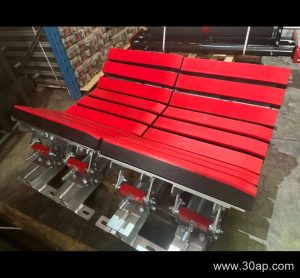
Different industrial settings impose unique physical challenges on the running path. In a harsh underground coal mining environment, a specialized flame retardant or abrasion resistant High Strength Conveyor Belt prevents operational hazards while moving jagged rocks. Similarly, iron ore processing plants and steel mills rely on impact-resistant rubber covers to absorb shock loads at transfer points where heavy mineral chunks drop directly onto the moving surface.
Maintenance and Selection Best Practices
Proper system maintenance protects capital investments in heavy machinery. Technicians should regularly inspect edge wear, monitor tension levels across the drive pulley, and clear debris from surrounding idler rollers. When replacing worn sections, match the core strength, carcass plies, and cover compounds directly to the specific requirements of the ore, mineral, or aggregate being transported.