What a Dustproof and Waterproof Idler Is
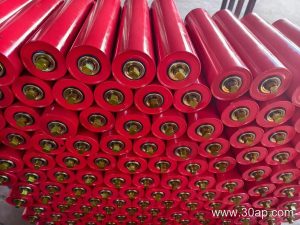
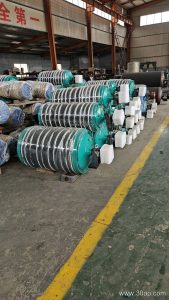
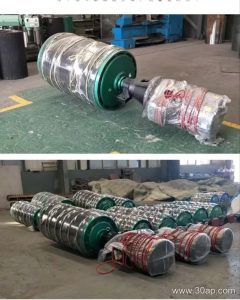
A dustproof and waterproof idler is a carrying or return roller built with sealed end caps and protected bearing housings so that fine dust, slurry mist, and washdown water stay away from the bearings. On a wet or dusty line, an ordinary idler roller can lose grease and seize within months. The sealed version keeps the rotating parts clean and turning. It is still a roller, not a pulley: drive pulleys, tail pulleys, and bend pulleys do different work and are not interchangeable with idlers.
How the Sealing Is Built
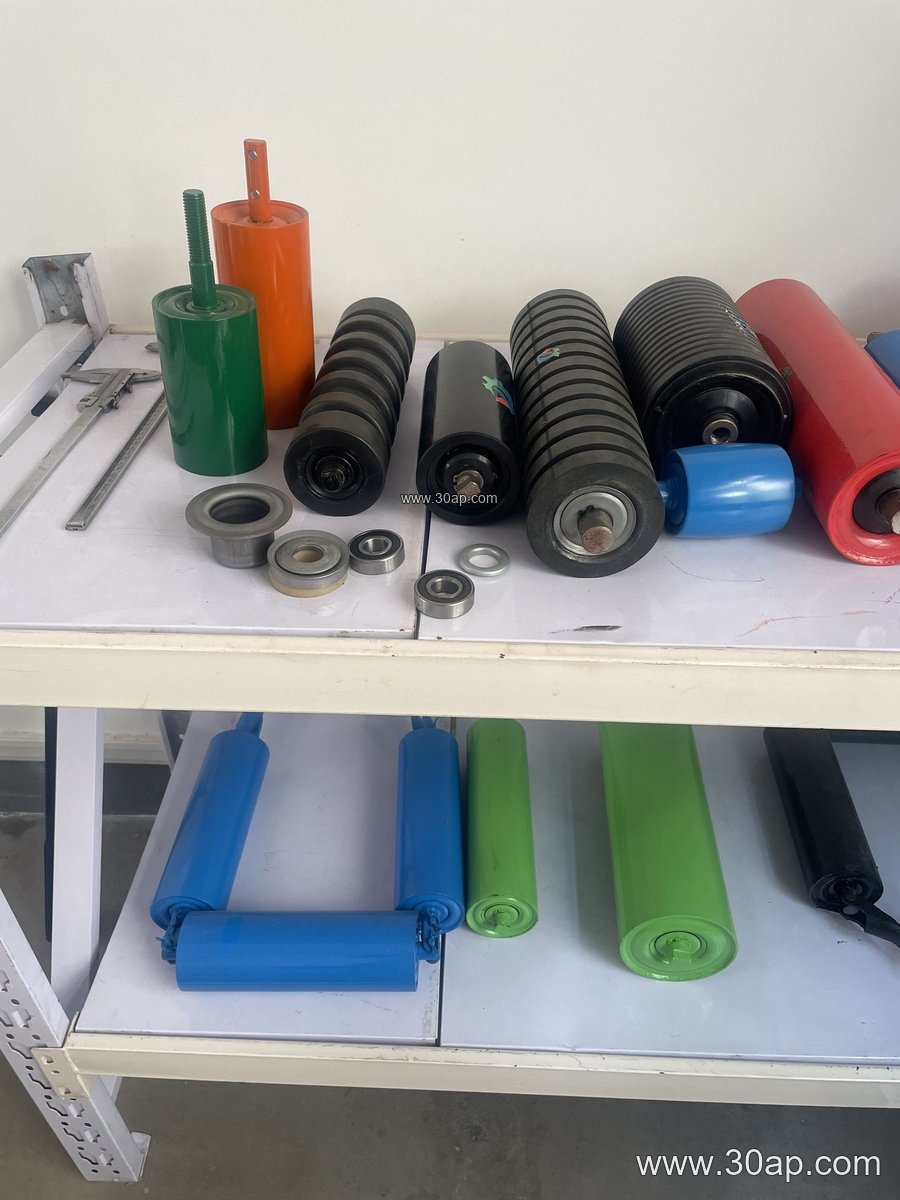
Protection usually comes from several layers working together. A labyrinth cap throws dust outward before it reaches the bearing, a rubber or felt lip seal blocks water, and a filled grease cavity pushes contaminants back. The roller shell is often a steel tube with welded bearing seats, and the shaft ends are machined to fit the conveyor bracket. Surface options include plain steel, nylon, ceramic, and rubber rings for impact zones. Bearing sizes commonly range from 6204 and 6205 on smaller rollers up to 6308 and 6310 on heavier ones, matched to load rather than to one fixed shell diameter.
Where It Fits on the Conveyor
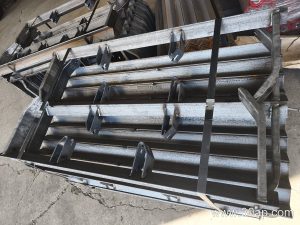
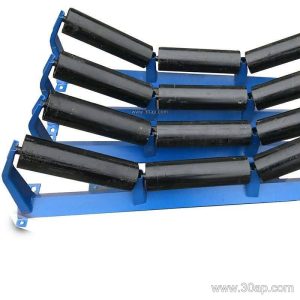
These rollers suit the dirty end of the line: a washdown area at a quarry, a dusty transfer point at a cement plant, or a coal handling gallery where humidity is high. They appear as troughing idlers on the carrying side, as flat or V-return idlers underneath, and as impact idlers under a loading chute. A skirted conveyor belt or a corrugated sidewall belt in a wet process often benefits most, because spillage and spray reach the rollers constantly. In a tunnel or underground mining conveyor, sealed rollers also limit grease loss and reduce maintenance trips.
Common Roller Diameters and Belt Widths
Roller diameter and belt width are chosen together with the load and the trough angle. The table below shows typical reference values; final selection is made by design, and one belt width does not lock the line to a single roller diameter.
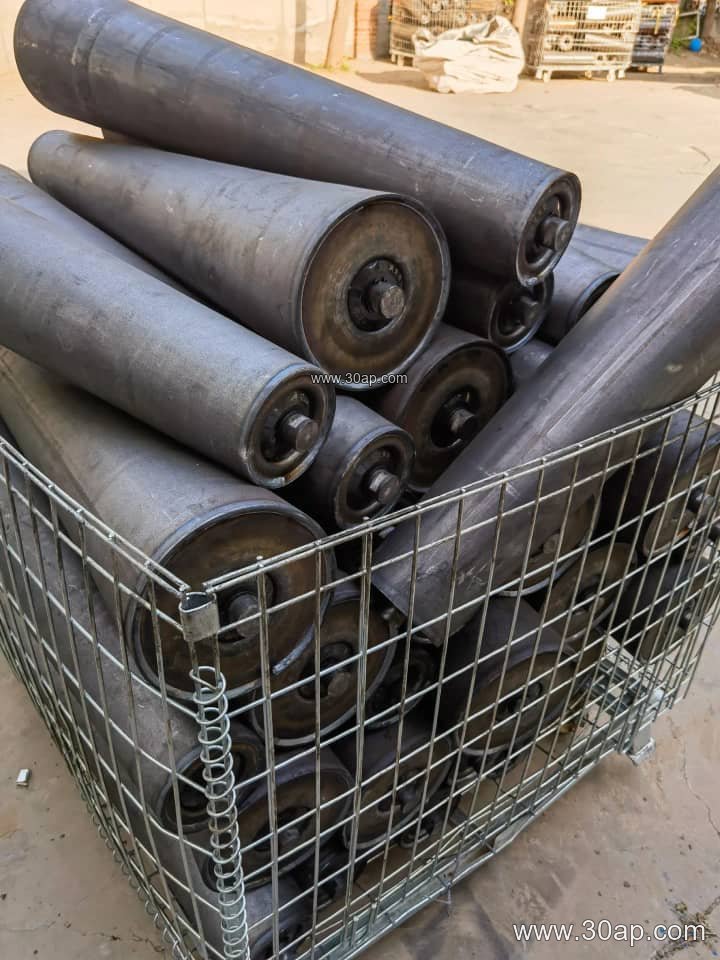
- Roller diameters in common use: Ø63, Ø76, Ø89, Ø102, Ø108, Ø127, Ø133, Ø159, Ø178, Ø194, Ø219
- Belt widths in common use: B400, B500, B650, B800, B1000, B1200, B1400, B1600, B1800, B2000, B2200, B2400
- Trough angles: 20°, 30°, 35°, 45°
- Idler sets: single roller, two-roll, three-roll troughing
Roller length changes with belt width, trough angle, and set type. For a three-roll troughing set, common roller lengths are roughly 200 mm at B500, 250 mm at B650, 315 mm at B800, 380 mm at B1000, 465 mm at B1200, 530 mm at B1400, 600 mm at B1600, 670 mm at B1800, and 750 mm at B2000. Side rollers and center rollers may differ, so these are examples only.
Matching the Roller to the Material
The belt tells you a lot about the roller. A heavy-duty mining conveyor belt carrying wet ore needs a robust shell and strong seals, while a food grade conveyor belt in a washdown room needs rollers that tolerate frequent cleaning. A heat resistant conveyor belt in a sinter or clinker area may call for a different bearing grease, and an abrasion resistant conveyor belt moving sharp aggregate puts more stress on the shell surface. Where the load drops hard, a rubber-ring impact idler protects both roller and belt. Elsewhere on the same line, a pipe conveyor belt or an endless conveyor belt may need sealed return rollers to keep the return strand clean.
Buyer Checklist
- Confirm the sealing design and whether it suits washdown, dust, or both.
- State the belt width, trough angle, and idler set type so roller length is correct.
- Give the load and belt speed so bearing size and shell thickness can be checked.
- Ask about the shaft end and bracket fit, since a conveyor bracket must match the shaft flats.
- Check roller surface choice: steel, nylon, ceramic, or rubber rings.
- Plan a spare stock of sealed rollers for the wettest and dustiest sections.
For a wet quarry line or a dusty power plant coal yard, a dustproof and waterproof idler is a small part that decides how often the crew stops the belt. Buy on sealing quality and fit, not on price alone.