What a Conveyor Support Bracket Does on the Line
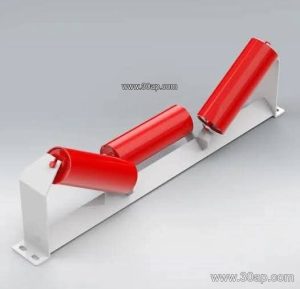
A conveyor support bracket is the structural interface between the carrying idlers and the conveyor frame. It holds each idler roller at the correct height, spacing and trough angle so the conveyor belt keeps its shape under load. In a quarry, a cement plant or a power plant coal yard, these brackets are bolted or welded along the stringers, and they carry the repeated weight of bulk material plus the tension of the belt itself. A well-matched bracket keeps the belt tracking straight; a weak or misaligned one shows up quickly as edge wear, spillage and idler vibration.
The bracket is not a single universal part. It is a family of formed and welded steel components, and the right choice depends on where along the conveyor it sits. For general questions about belt lines and components, see www.beltconveyorparts.com/conveyor-support-bracket.
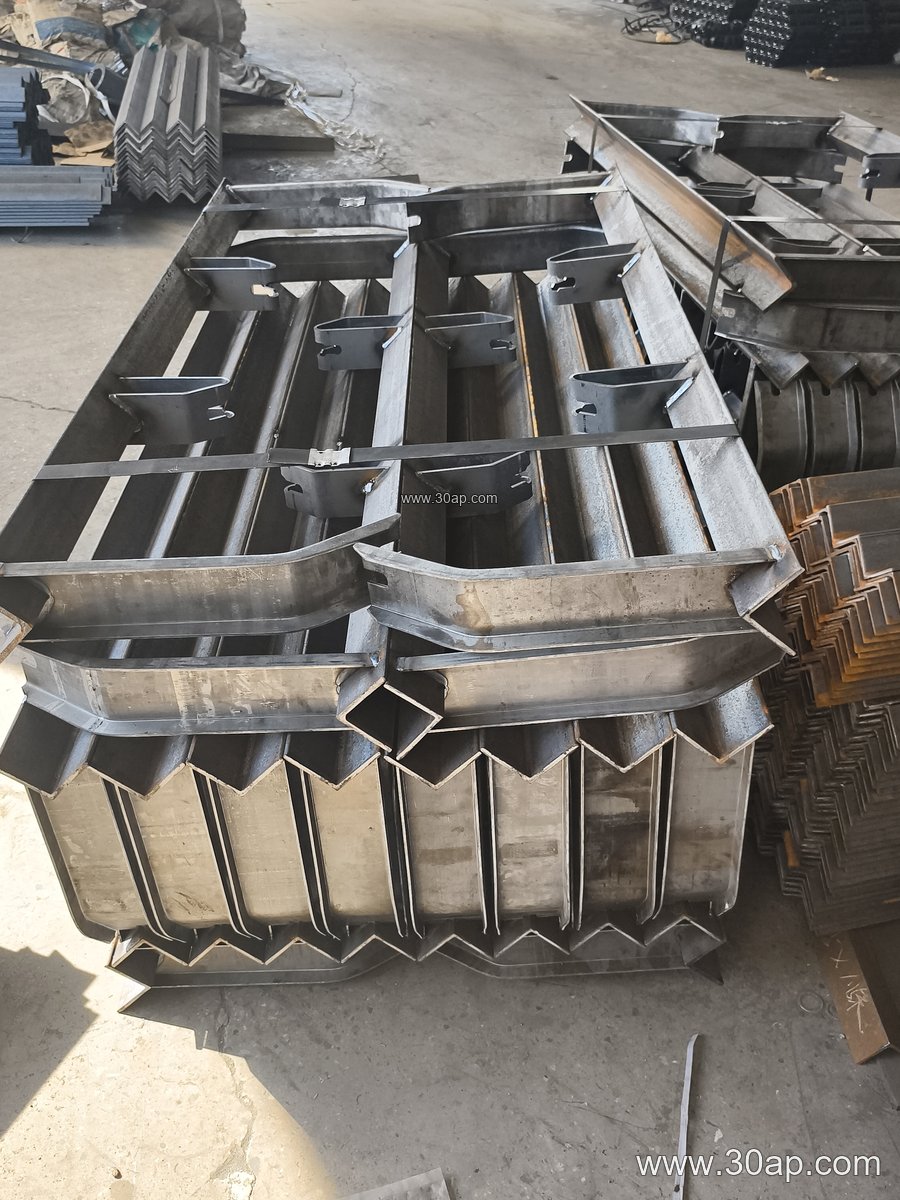
Construction and Common Materials
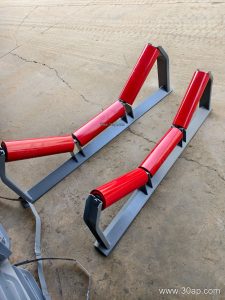
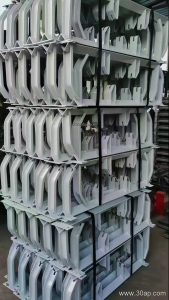
Most brackets are made from angle steel, channel steel or folded steel plate, joined by welding. The finish is usually painted or galvanized, and heavier frames may use thicker channel sections at transfer points where impact loads are high. The bracket geometry defines the trough: side rollers sit at an angle while the centre roller stays flat. Common trough angles are 20, 30, 35 and 45 degrees, and adjustable brackets can be reset between these values as the duty changes.
- Carrying brackets – three-roll trough sets for the loaded side of the belt.
- Return brackets – flat or V-shaped supports for the empty return strand.
- Impact brackets – reinforced frames under loading chutes, often paired with cushion rollers.
- Transition brackets – used where the belt changes from flat at the pulley to troughed in the run.
- Self-aligning brackets – fitted with forward-leaning idlers, typically about 1.5 to 2 degrees, to correct minor tracking drift.
Mounting hole spacing and crossbeam length vary with belt width and trough angle, so these dimensions are set by design rather than treated as fixed numbers.
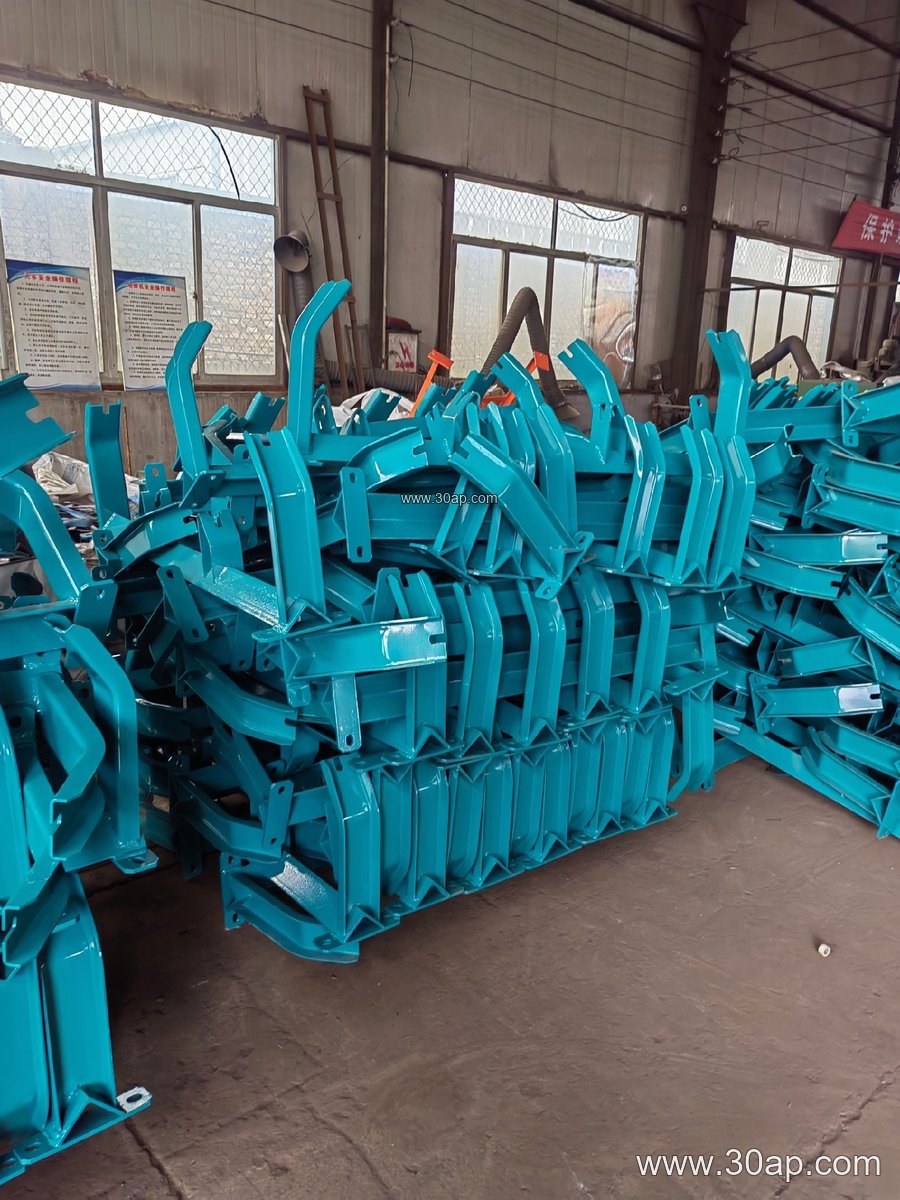
Matching Brackets to Belt Width and Roller Diameter
Belt width and roller diameter guide the bracket size, but they do not lock a line into one combination. A B800 frame may run 30 degrees with Ø108 rollers, while a B1200 line in an iron ore plant often uses 35 or 45 degrees with Ø133 or Ø159 rollers. Wider belts such as B1800 and B2000 need longer crossbeams and heavier sections. The table below shows typical reference pairings, not mandatory specifications.
| Belt Width | Typical Trough Angle | Common Roller Diameter | Usual Application |
|---|---|---|---|
| B500 | 20–30° | Ø89 | Small aggregate and sand lines |
| B650 | 30° | Ø89–Ø108 | Crushing and screening circuits |
| B800 | 30–35° | Ø108 | Cement plant and mixing station |
| B1000 | 35° | Ø108–Ø133 | Power plant coal handling |
| B1200 | 35–45° | Ø133–Ø159 | Iron ore and heavy bulk duty |
| B1400 | 35–45° | Ø133–Ø159 | Port and ship loading lines |
| B1600–B2000 | 35–45° | Ø159–Ø194 | Large mining and sinter plants |
The belt that runs on these brackets matters too. A heavy-duty mining conveyor belt or a steel cord conveyor belt needs stiffer support than a light fabric core belt, and an abrasion resistant conveyor belt carrying sharp rock will benefit from well-aligned idlers. At a transfer point, a chevron conveyor belt or corrugated sidewall conveyor belt may need extra clearance around the bracket frame.
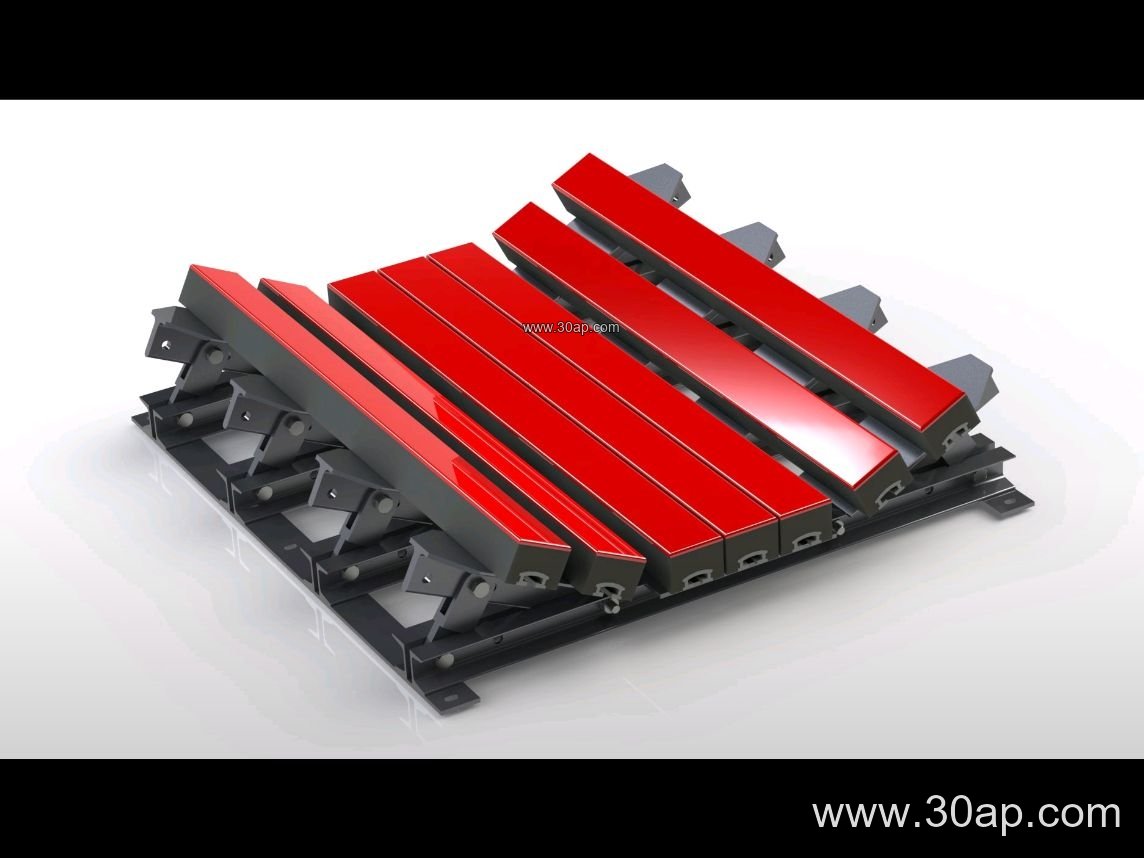
Where These Brackets Are Used
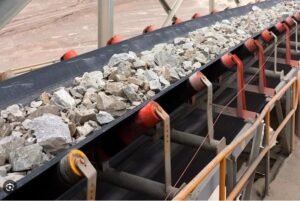
Two settings show the range clearly. In a limestone quarry, carrying brackets hold three-roll trough sets under a crusher conveyor belt, while impact brackets absorb the drop from the primary crusher. In a power plant coal yard, return brackets and self-aligning brackets keep a flame retardant conveyor belt tracking through long, slightly curved runs. Similar frames appear in steel plants, fertilizer plants and grain silos, always sized to the local belt width and load.
For compatible roller and frame components, check www.beltconveyorparts.com/idler-roller and www.beltconveyorparts.com/conveyor-pulley.
Buyer Checklist
- Confirm belt width, trough angle and roller diameter before ordering.
- State whether the bracket is fixed or adjustable, and whether it is for carrying, return or impact duty.
- Ask for mounting hole spacing and crossbeam length matched to your stringer layout.
- Check material thickness and finish for the site environment, especially wet or corrosive areas.
- Keep spare brackets for high-wear transfer points to reduce downtime.
Accurate drawings and site measurements prevent most fitting problems. A bracket that matches the frame, the idler roller and the belt load will keep the whole conveyor running quietly for years.