What Belt Conveyor Pulley Lagging Does
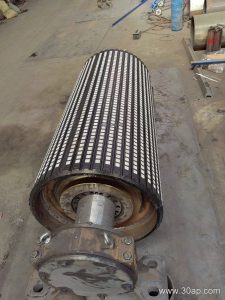
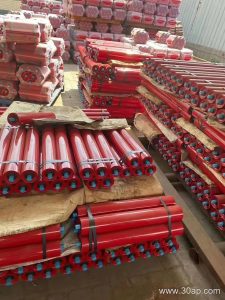
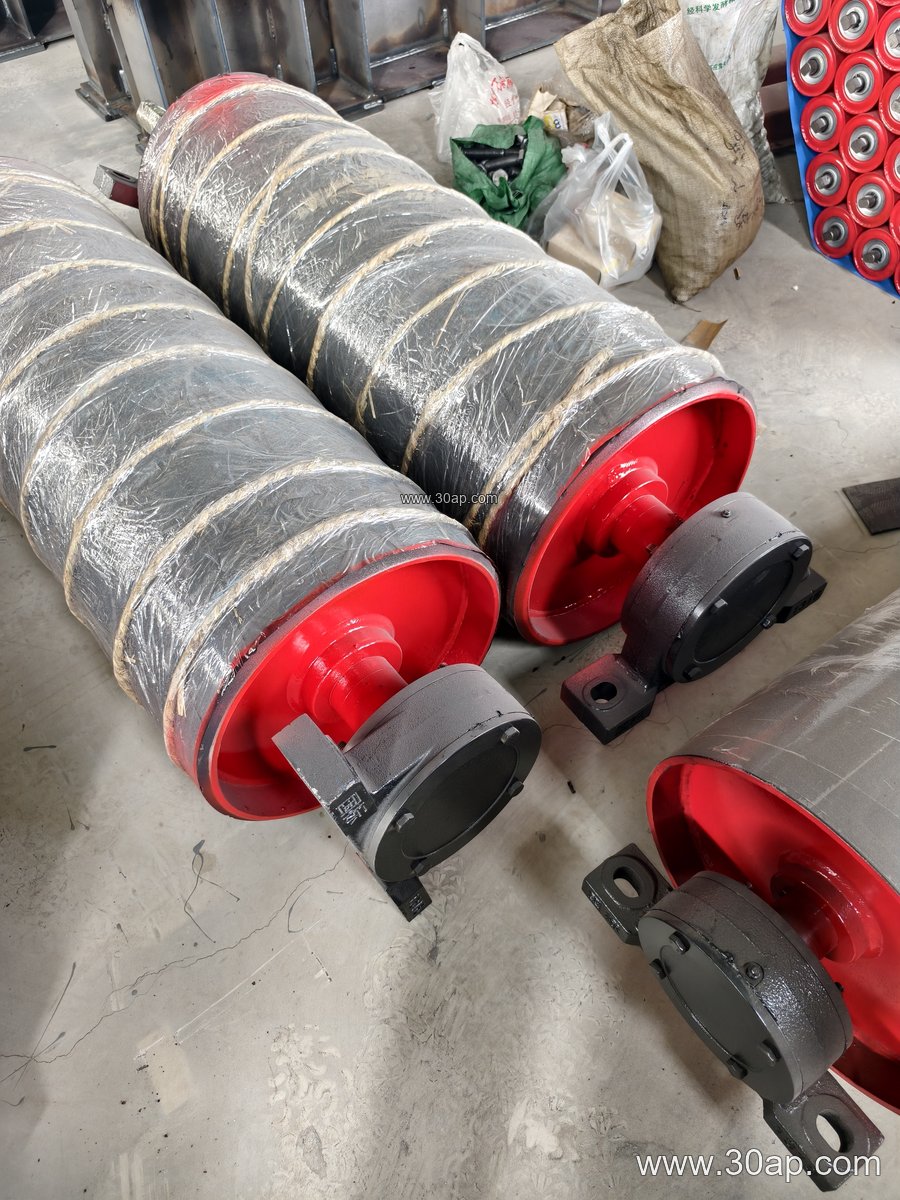
Belt conveyor pulley lagging is the rubber or ceramic layer applied to the outer shell of a conveyor pulley where it contacts the conveyor belt. Its job is straightforward but important: raise friction between the pulley face and the belt, protect the pulley shell from wear, and help keep the belt tracking steadily instead of slipping. In a quarry, a coal handling plant, a cement kiln line or a port stockyard, a drive pulley without adequate lagging can lose grip under load, especially when the belt surface is damp or dusty. This rubber pulley covering is therefore a small component with a large effect on conveyor reliability.
The same product is also commonly called conveyor pulley rubber lagging or pulley lagging rubber. These are equivalent names for the same item; the drive, tail and bend positions still remain distinct applications, not interchangeable pulley types.
How the Lagging Is Built and Attached
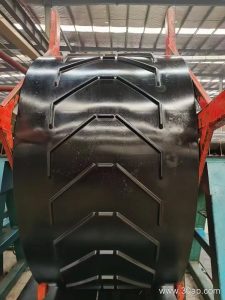
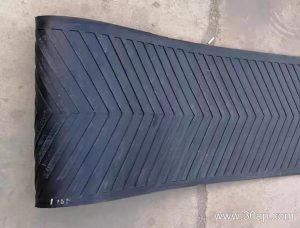
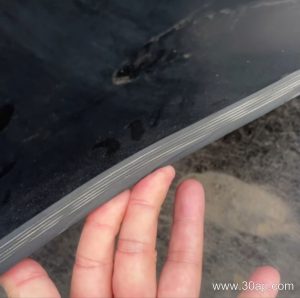
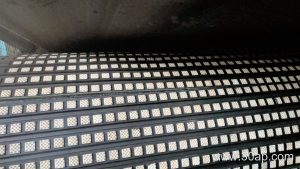
Most lagging starts as a rubber sheet with a textured or smooth surface, bonded to the pulley shell. Common forms include plain sheet, diamond pattern and chevron pattern, with ceramic tiles embedded in rubber for high-wear duties. Thickness commonly ranges from 8 mm to 20 mm, and the right figure depends on belt tension, pulley diameter and the abrasiveness of the material being carried.
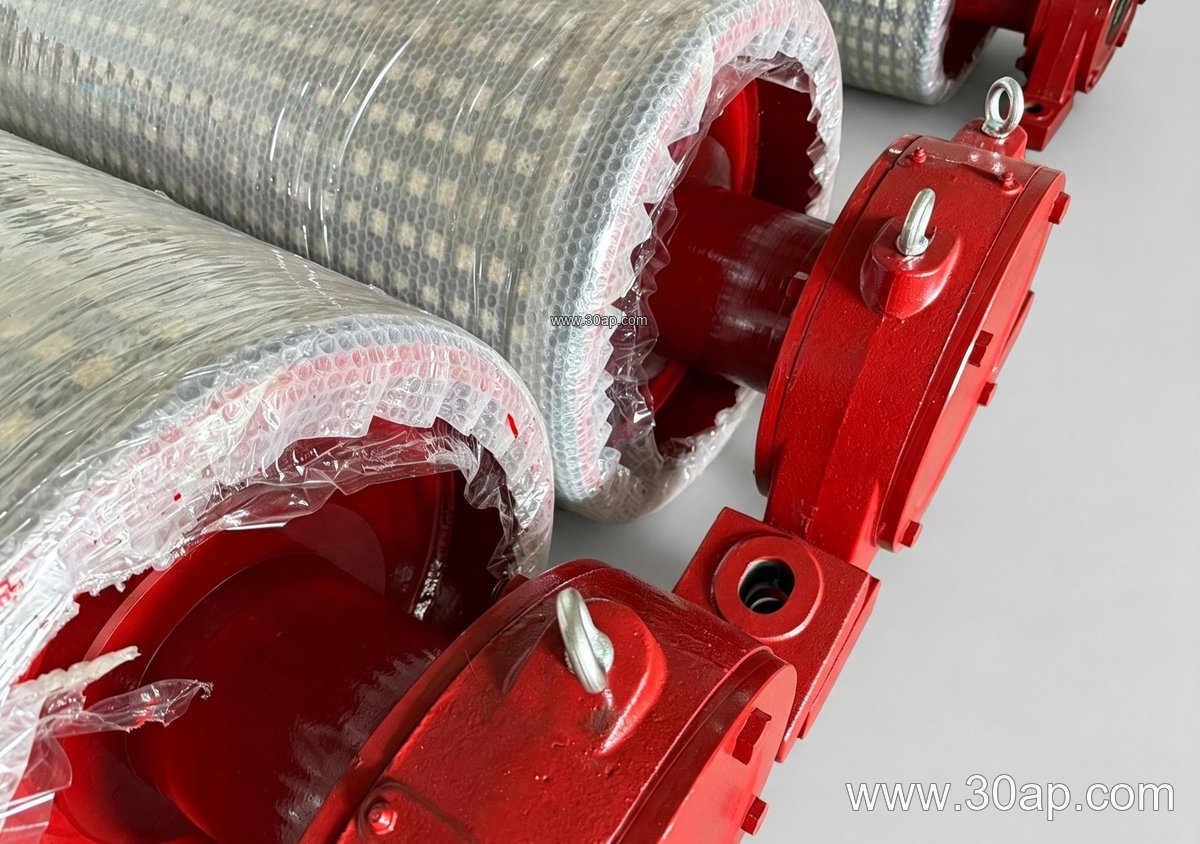
- Cold-bonded lagging is glued in place with a suitable adhesive and is often used for maintenance work in the field.
- Hot-vulcanized lagging is cured onto the shell for a stronger, more uniform bond, typically in a workshop.
- Ceramic lagging uses embedded tiles to grip the belt and resist abrasive wear in iron ore, copper ore and aggregate service.
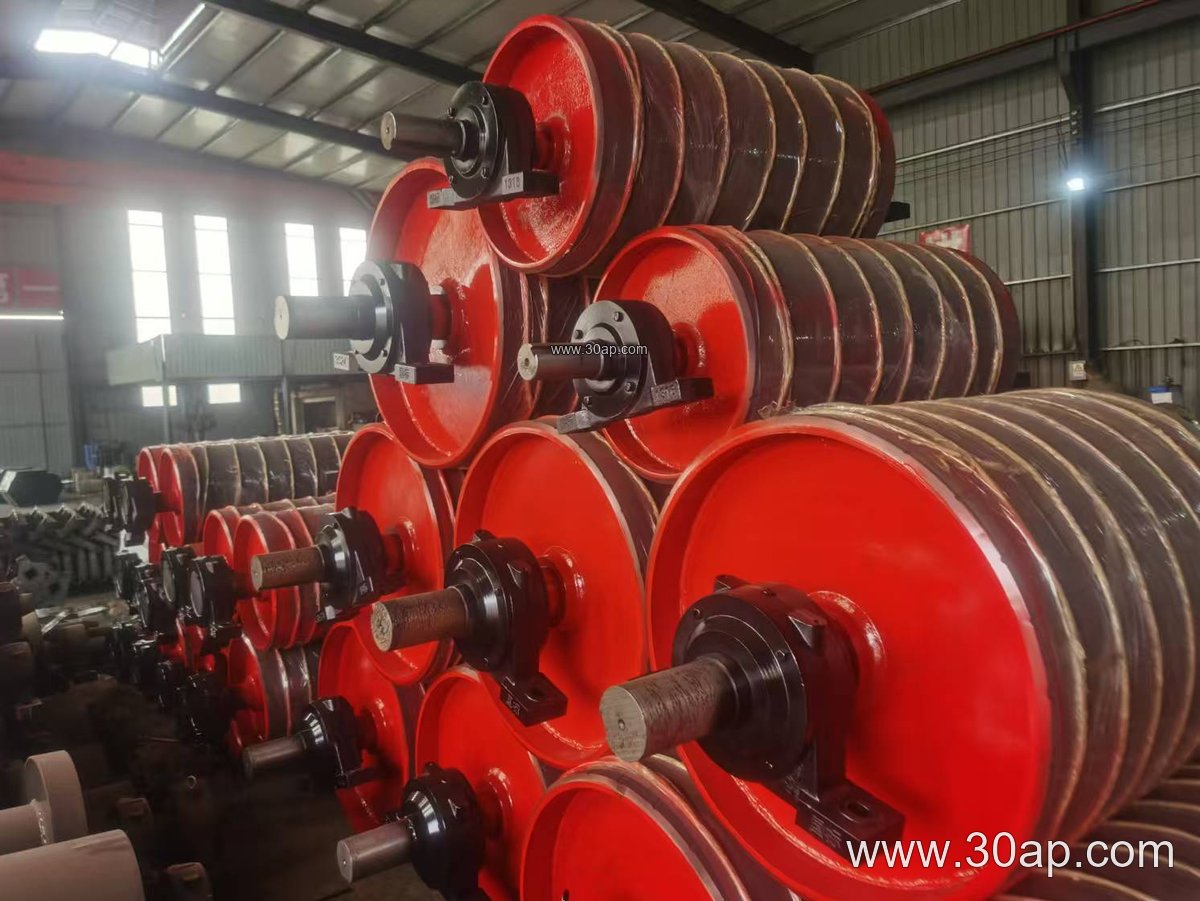
The pulley shell itself is usually wider than the belt. As a reference, a B800 belt often runs on a pulley face around 950 mm, while a B1200 belt may use a face near 1400 mm. Diameter and shaft size are design decisions based on torque and load, not simple rules tied to belt width. A combination such as B800 × Ø500 or B1400 × Ø800 appears in real layouts, but many other pairings are equally valid. Shaft diameters commonly fall between Ø50 and Ø200 and should be confirmed from the conveyor design.
Where Lagging Matters Most
The drive pulley carries the highest torque and benefits most from good lagging. A tail pulley at the loading point may use lagging mainly to protect the shell and reduce material buildup. Bend pulleys and take-up pulleys usually see lower tension, so a thinner plain rubber cover may be sufficient. In a coal mining conveyor or an underground coal mining installation, flame retardant and anti-static properties may be requested for the rubber, and these should be specified clearly to the supplier.
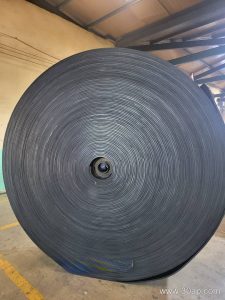
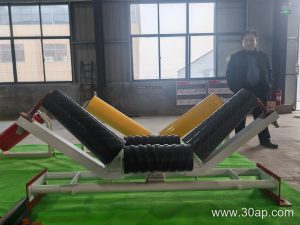
Lagging also interacts with the belt itself. A heavy-duty mining conveyor belt or a steel cord conveyor belt running at high tension needs a pulley surface that grips without excessive slip. An EP conveyor belt or multi-ply fabric core conveyor belt on a shorter aggregate line may be more forgiving, but worn or polished lagging still causes tracking problems. Where a conveyor pulley is paired with well-aligned idler rollers and sturdy conveyor brackets, the belt runs straighter and the lagging lasts longer.
Buyer Checklist Before Ordering
Purchasers should gather a few facts before choosing belt conveyor pulley lagging. Confirm the pulley position, shell diameter, face width, shaft diameter and the belt width it serves. State the material handled and the environment: abrasive rock, wet coal, hot clinker or oily scrap all point to different rubber compounds. Ask whether cold-bonded or hot-vulcanized application is planned, and whether a diamond, chevron, plain or ceramic surface suits the duty.
Finally, match the lagging to the belt. A chevron conveyor belt, corrugated sidewall conveyor belt or pipe conveyor belt may need specific pulley face conditions. Keeping spare lagging sheets and a clean installation procedure on hand helps avoid unplanned stops in a busy sand and gravel plant, power station coal yard or limestone mine.