What a Driving Pulley Does
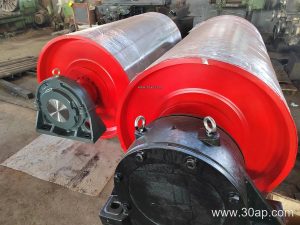
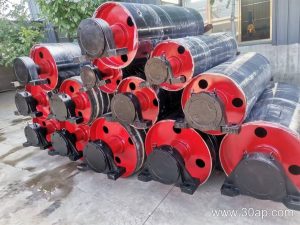
The driving pulley, also called the head pulley or drive pulley, is the component that transmits motion to the conveyor belt. It is the powered drum at the discharge end of most belt conveyors, and its friction surface pulls the belt forward. In a typical arrangement, the driving pulley is coupled to a gearbox and motor, while a tail pulley and bend pulleys handle tension and direction changes. The driving pulley is not interchangeable with a tail pulley or a bend pulley; each has a distinct role in the conveyor system.
Construction and Surface Options
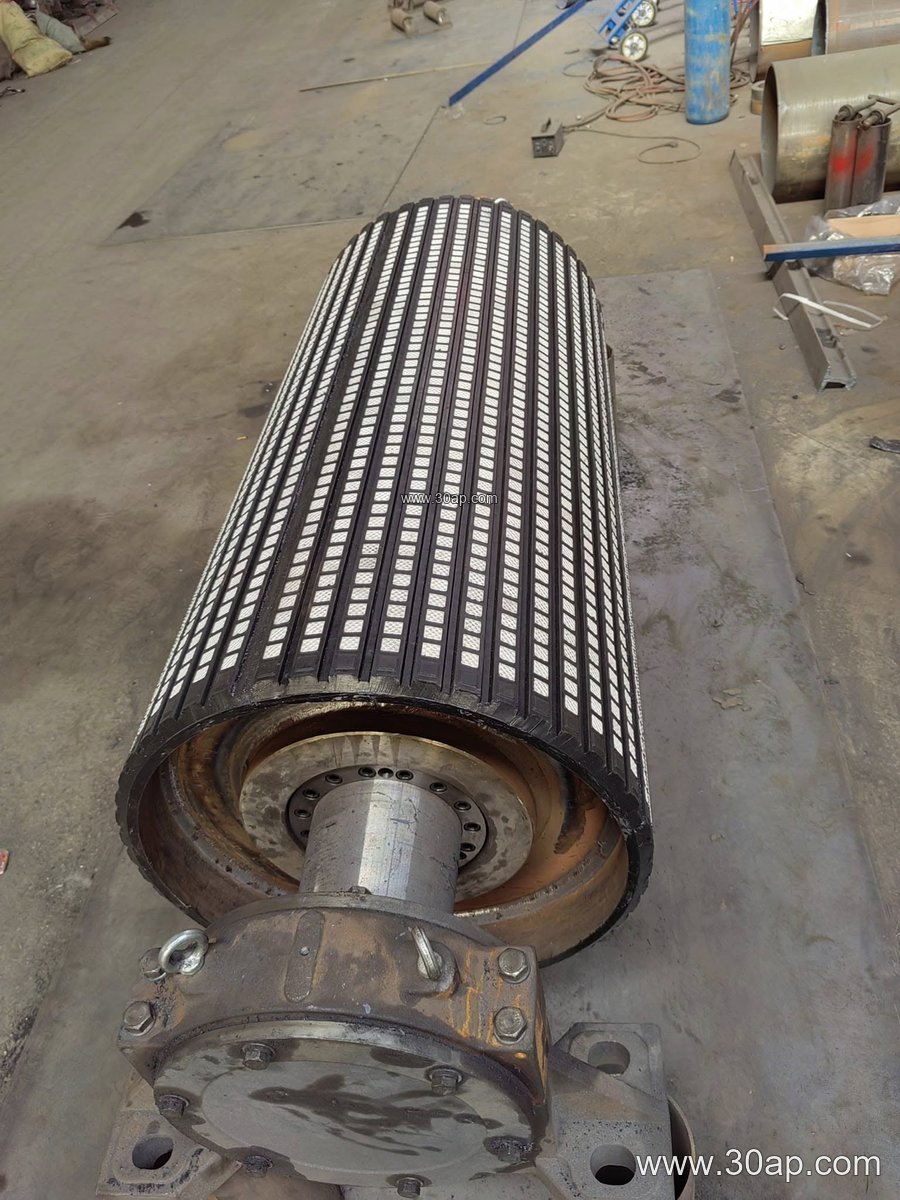
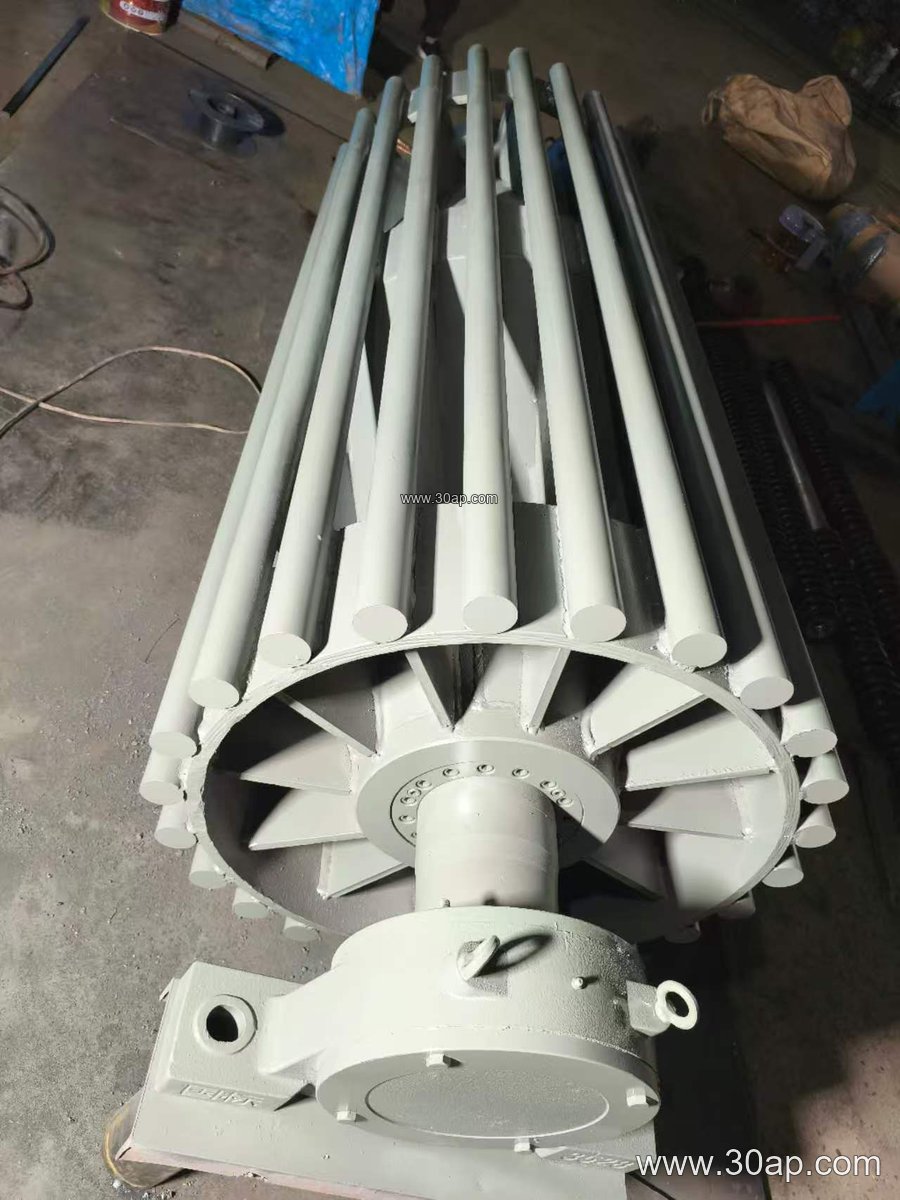
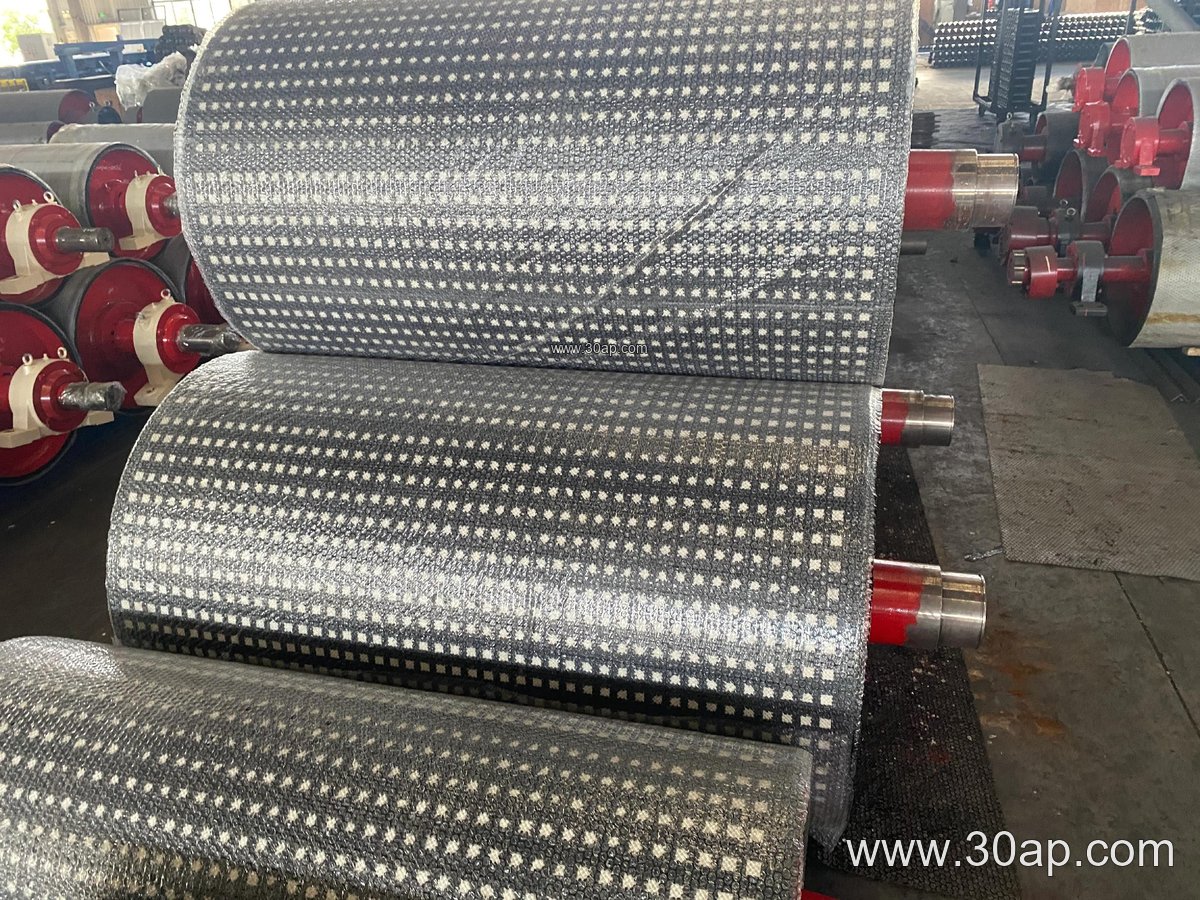
A driving pulley is built around a steel drum with a shaft, hubs, and a shell. The shell may be plain or covered with rubber, ceramic, or other lagging to increase friction between the pulley and the conveyor belt. Common surface forms include smooth, cast rubber, cold-bonded rubber, hot-vulcanized rubber, diamond pattern, herringbone pattern, and ceramic lagging. Lagging thickness is often 8, 10, 12, 15, or 20 mm, depending on the duty. The pulley face width is usually wider than the belt width to allow for belt tracking. For example, a B800 belt may run on a pulley with a face width of about 950 mm, and a B1200 belt on a pulley of about 1400 mm. Diameters commonly range from Ø200 to Ø1800, and shaft diameters from Ø50 to Ø200, but these are reference values and should be confirmed by the conveyor designer.
Common Diameter and Face Width Combinations
| Belt Width | Pulley Face Width (approx.) | Typical Pulley Diameter |
|---|---|---|
| B500 | 600 mm | Ø320 – Ø500 |
| B800 | 950 mm | Ø400 – Ø630 |
| B1000 | 1150 mm | Ø500 – Ø800 |
| B1200 | 1400 mm | Ø630 – Ø1000 |
| B1400 | 1600 mm | Ø800 – Ø1250 |
These combinations are examples only. The correct diameter depends on belt tension, torque, and the conveyor profile, not on belt width alone. A larger diameter reduces bending stress on the belt and can improve grip, but it also requires more space and a larger gearbox.
Where Driving Pulleys Are Used
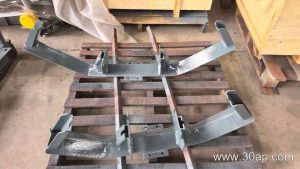
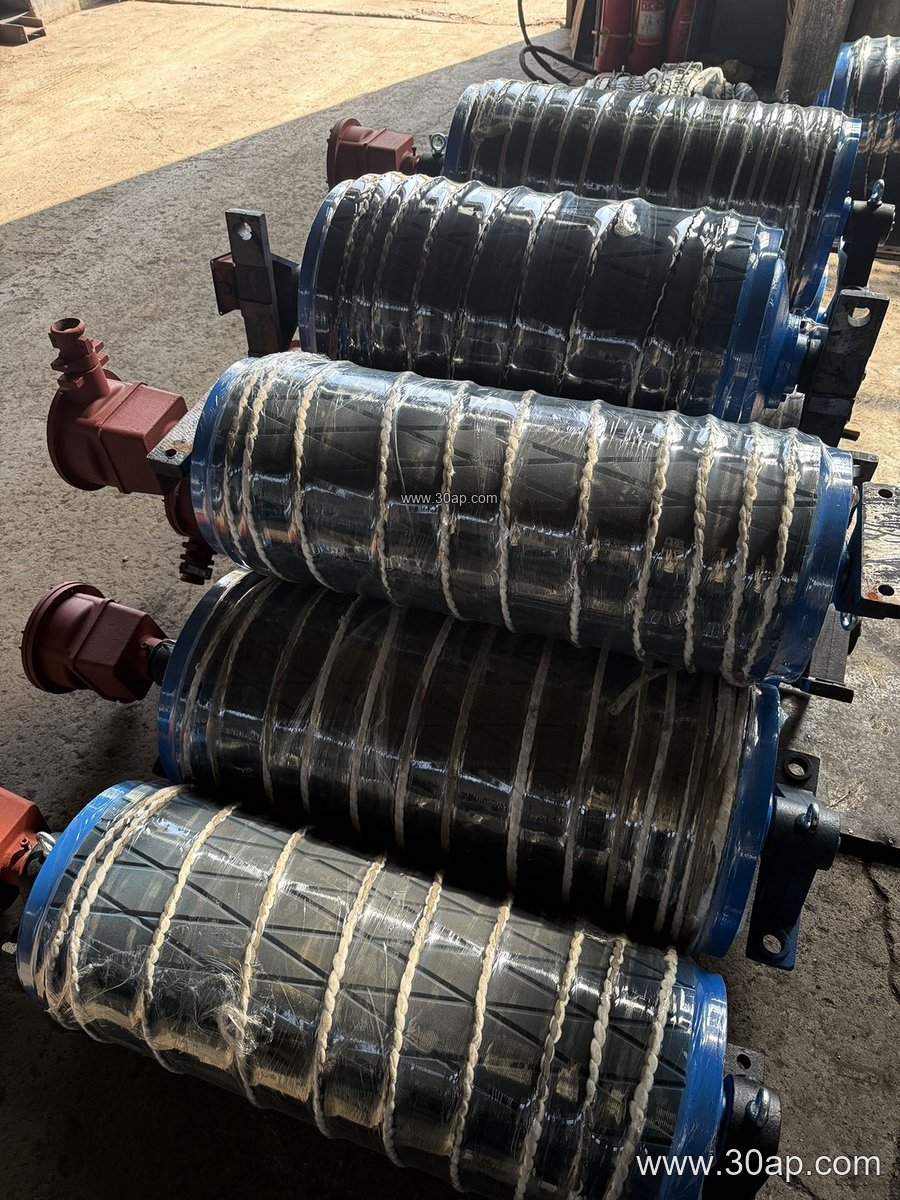
Driving pulleys appear in bulk material handling across many industries. In a quarry or aggregate line, a driving pulley at the head of a conveyor discharges crushed stone onto a screen or stockpile. In a coal mining operation, the driving pulley on an underground conveyor must handle high tension and often uses flame retardant lagging. Cement plants rely on driving pulleys to move clinker and raw meal, while power plants use them in coal handling systems. The driving pulley works together with the conveyor belt, idler rollers, and conveyor brackets to keep material moving efficiently.
Matching the Pulley to the Belt
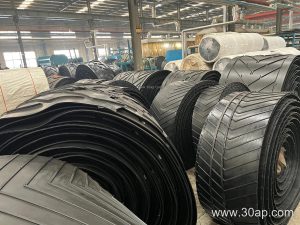
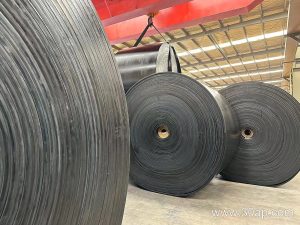
The driving pulley and the conveyor belt must be compatible. A heavy-duty mining conveyor belt, such as a steel cord conveyor belt or a high abrasion resistant conveyor belt, requires a pulley with sufficient diameter and robust lagging to transmit power without slipping. For a fabric core conveyor belt like an EP conveyor belt or NN conveyor belt, the pulley diameter should be large enough to avoid excessive flex fatigue. In food or clean environments, a smooth or food grade lagging may be preferred. The driving pulley should also be sized to match the belt width and the expected belt tension, which is why engineers review the entire conveyor layout before specifying a drum.
Buyer Checklist
- Confirm the required pulley diameter and face width based on belt width, tension, and available space.
- Select the lagging type and thickness to suit the material and environmental conditions — for example, diamond lagging for wet conditions or ceramic lagging for high abrasion.
- Verify shaft diameter and hub design against the torque and radial loads from the drive.
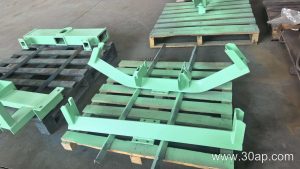
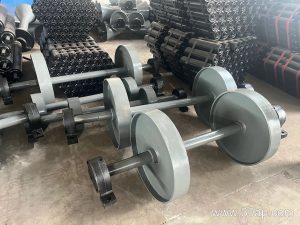
- Check that the pulley will fit the conveyor brackets and align with the tail pulley and bend pulleys.
- Consider maintenance access for lagging replacement and bearing inspection.
For more information on conveyor components, visit conveyor pulley and driving pulley pages. A properly selected driving pulley helps extend belt life and reduce downtime in demanding applications such as iron ore, copper ore, and gold mining operations.