What a Mining Conveyor Bracket Does
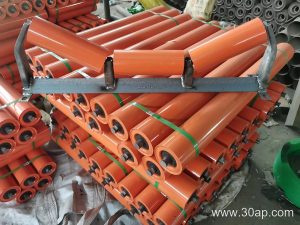
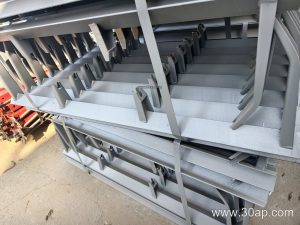
A mining conveyor bracket is the structural support that holds idler rollers in place and maintains the belt’s proper trough shape. Also called a conveyor support frame or idler bracket, this component is the backbone of any bulk material handling system. In a coal mine, a quarry, or a cement plant, these brackets keep the conveyor belt aligned and stable under heavy loads. Without them, even the toughest conveyor pulley and belt would quickly fail.
Construction and Materials
Most mining conveyor brackets are fabricated from angle steel, channel steel, or bent steel plate. The choice of material depends on the load and environment. For abrasive conditions in an iron ore or copper ore operation, thicker steel and reinforced welds are common. The bracket typically includes mounting holes for idler shafts and may feature adjustable slots to fine-tune the trough angle. A well-built bracket resists vibration and corrosion, extending the service life of the entire conveyor system.
Common Types and Their Roles
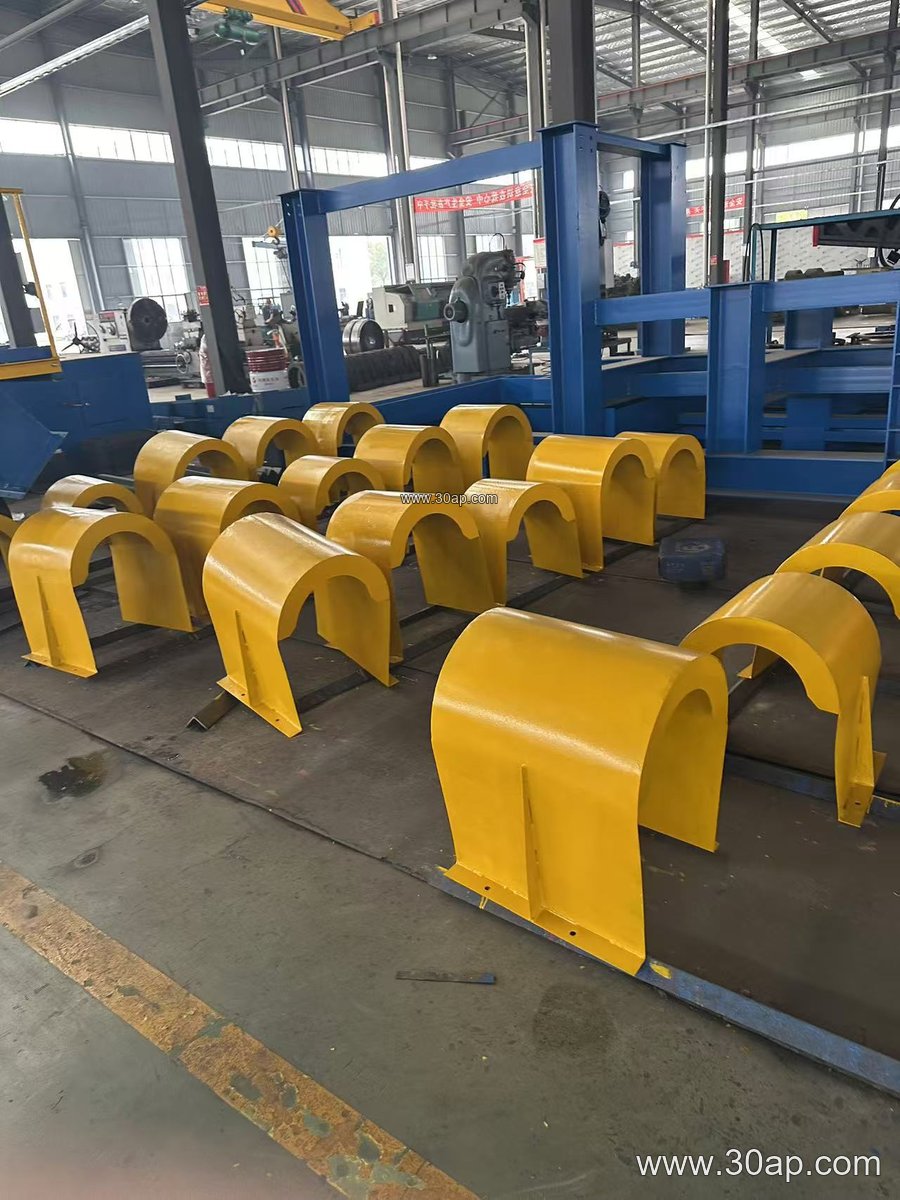
Different positions on the conveyor require different bracket designs. Troughing brackets support the carrying side and set the trough angle. Return brackets hold the belt on the return run. Impact brackets, often used under crusher discharge points, absorb shock. Transition brackets help guide the belt from flat to troughed. Self-aligning brackets correct belt tracking. Adjustable brackets allow angle changes between 20 and 45 degrees, while fixed types lock in a specific angle.
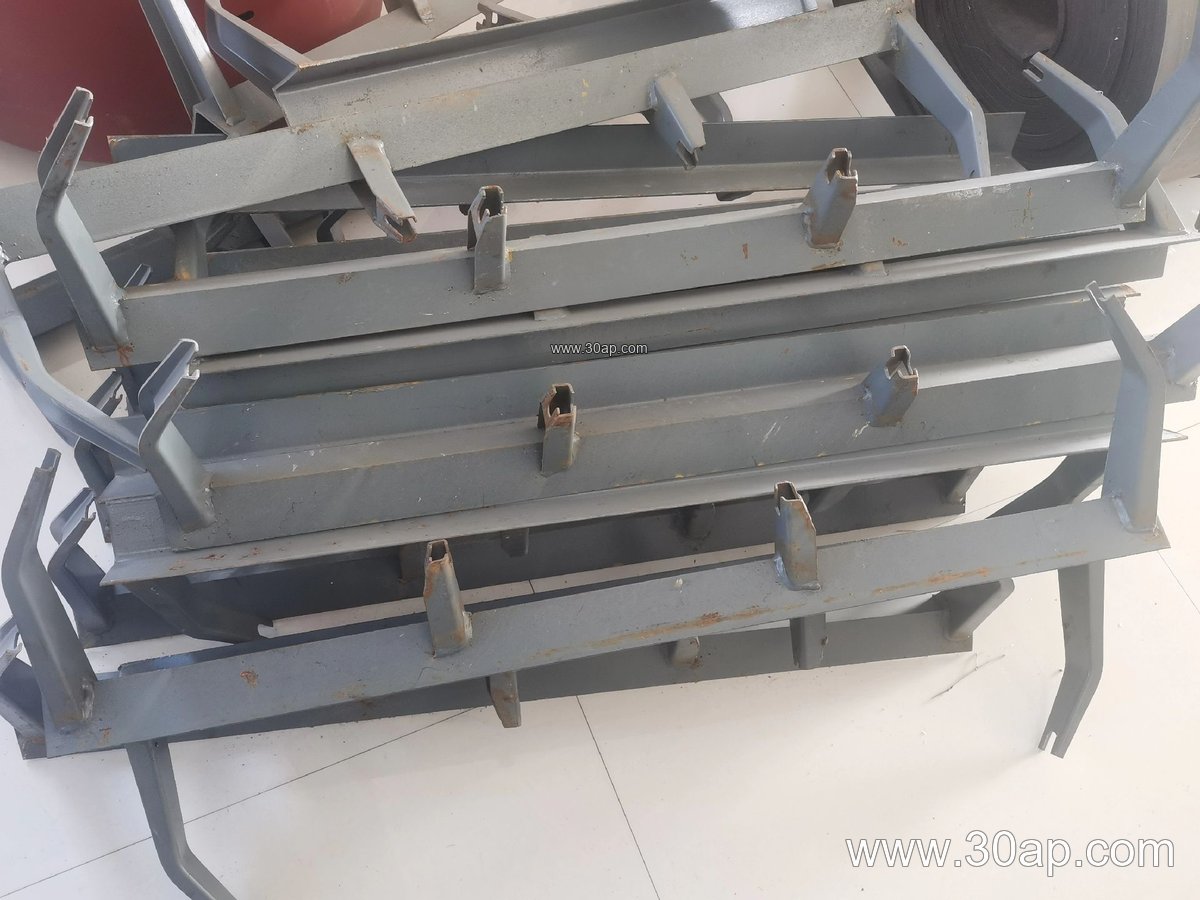
- Troughing bracket: sets the trough angle for the carrying belt.
- Return bracket: supports the belt on the return side.
- Impact bracket: cushions heavy loads at transfer points.
- Self-aligning bracket: keeps the belt centered.
- Adjustable bracket: allows on-site angle adjustment.
Where It Is Used
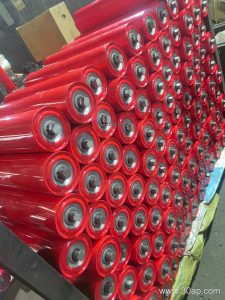
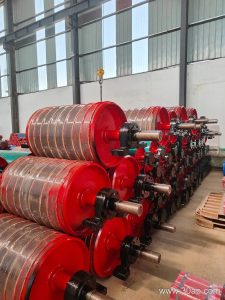
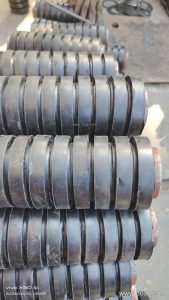
You will find mining conveyor brackets in almost any facility that moves bulk material. In a coal washing plant, they support the conveyor belt through wet and dusty conditions. In a power plant coal yard, they handle high-tonnage flows. Aggregate operations and sand making lines rely on them for continuous operation. Even port ship loading systems use heavy-duty brackets to withstand constant impact. The bracket works alongside the conveyor pulley, idler roller, and belt to keep material moving efficiently.
Key Parameters to Consider
When specifying a bracket, several dimensions matter. Belt width, trough angle, and roller diameter are the primary factors. The table below shows common combinations, but these are reference values only. Actual selection should follow the conveyor design and load requirements.
| Belt Width (B) | Common Trough Angle | Typical Roller Diameter |
|---|---|---|
| B500 | 20° – 30° | Ø89 |
| B650 | 30° | Ø89 |
| B800 | 35° | Ø108 |
| B1000 | 35° – 45° | Ø108 – Ø133 |
| B1200 | 45° | Ø133 |
| B1400 | 35° – 45° | Ø133 – Ø159 |
| B1600 | 35° – 45° | Ø159 |
| B1800 | 35° – 45° | Ø159 – Ø194 |
| B2000 – B2200 | 35° – 45° | Ø194 |
Note that a single belt width can accommodate multiple trough angles and roller diameters. Installation hole spacing and beam length vary with the design. Do not assume one fixed size fits all. For instance, a B1200 belt might use a 35° or 45° troughing bracket depending on the material and capacity.
Buying Advice
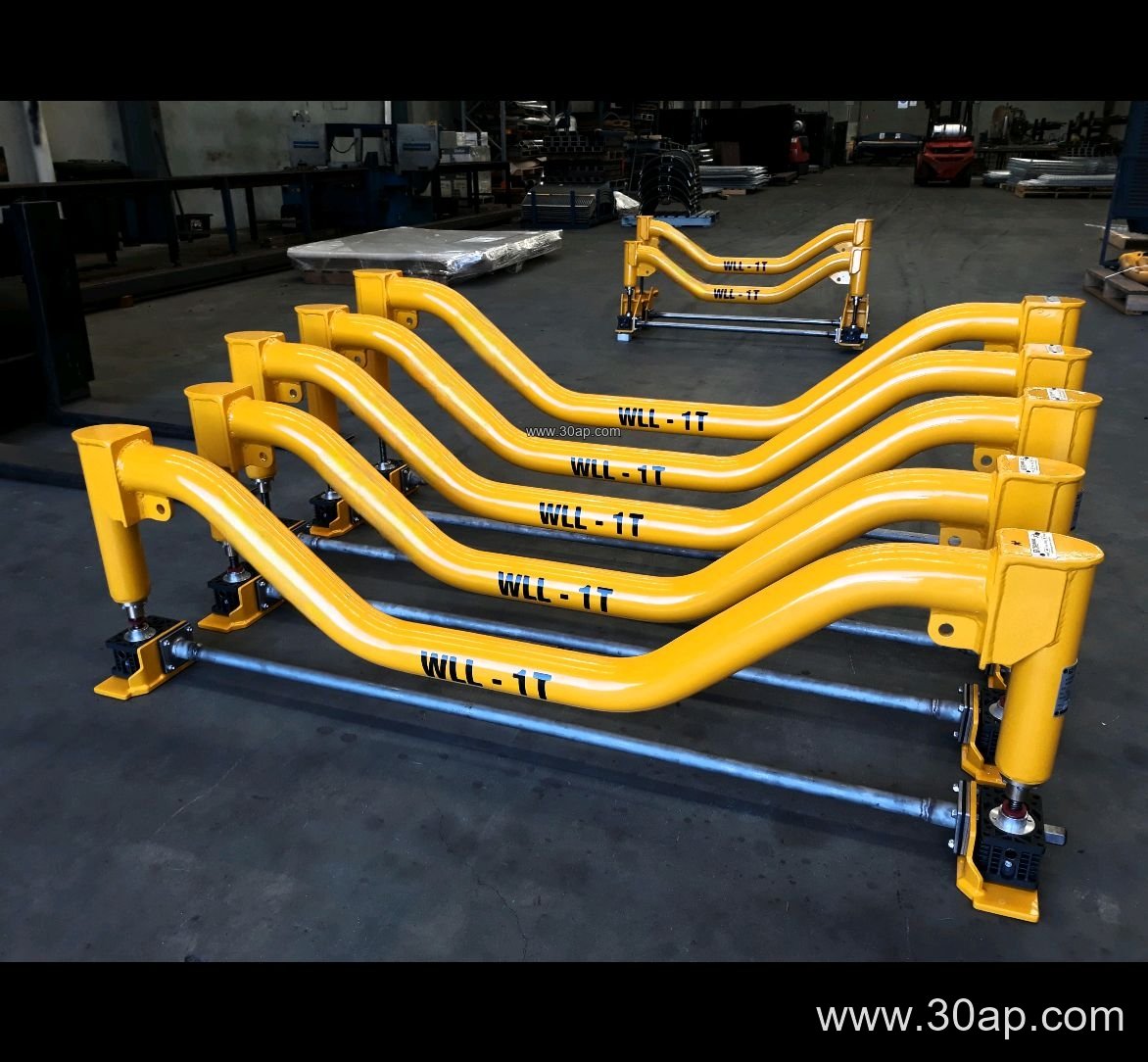
Before purchasing, confirm the belt width, desired trough angle, and roller diameter. Check that the bracket material suits the environment—for example, a corrosive site may need galvanized or painted steel. Verify mounting dimensions with the conveyor frame. Consider adjustable brackets if you anticipate changes in belt loading. Also, ensure compatibility with your idler rollers and conveyor pulley. A poorly matched bracket can cause belt misalignment and premature wear. For high-abrasion applications, such as handling iron ore or coke, specify reinforced brackets. Always request dimensional drawings to avoid installation issues.
For more information on conveyor components, visit mining conveyor bracket and conveyor pulley.