What a Return Self-Aligning Idler Does
A return self-aligning idler is a training idler mounted on the return strand of a conveyor, where it contacts the empty underside of the belt. Its job is to detect and correct belt drift before the belt edge rubs against the structure. Because the return side carries no material load, this idler can act as a light, responsive steering point. In a quarry or a coal handling plant, a small misalignment on the return run can grow into edge damage, spillage and downtime, so this component earns its place in the belt tracking plan.
The accurate equivalent name is a self-aligning return idler or training return roller. It is not a substitute for a drive pulley, tail pulley or bend pulley; those are conveyor pulleys with entirely different duties. It is also not the same as a troughing carry idler, although both may appear on the same conveyor.
Construction and Working Principle
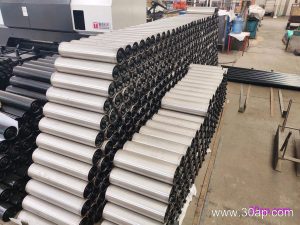
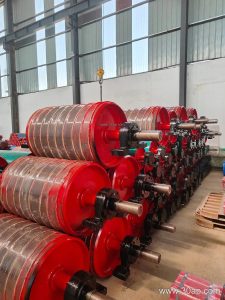
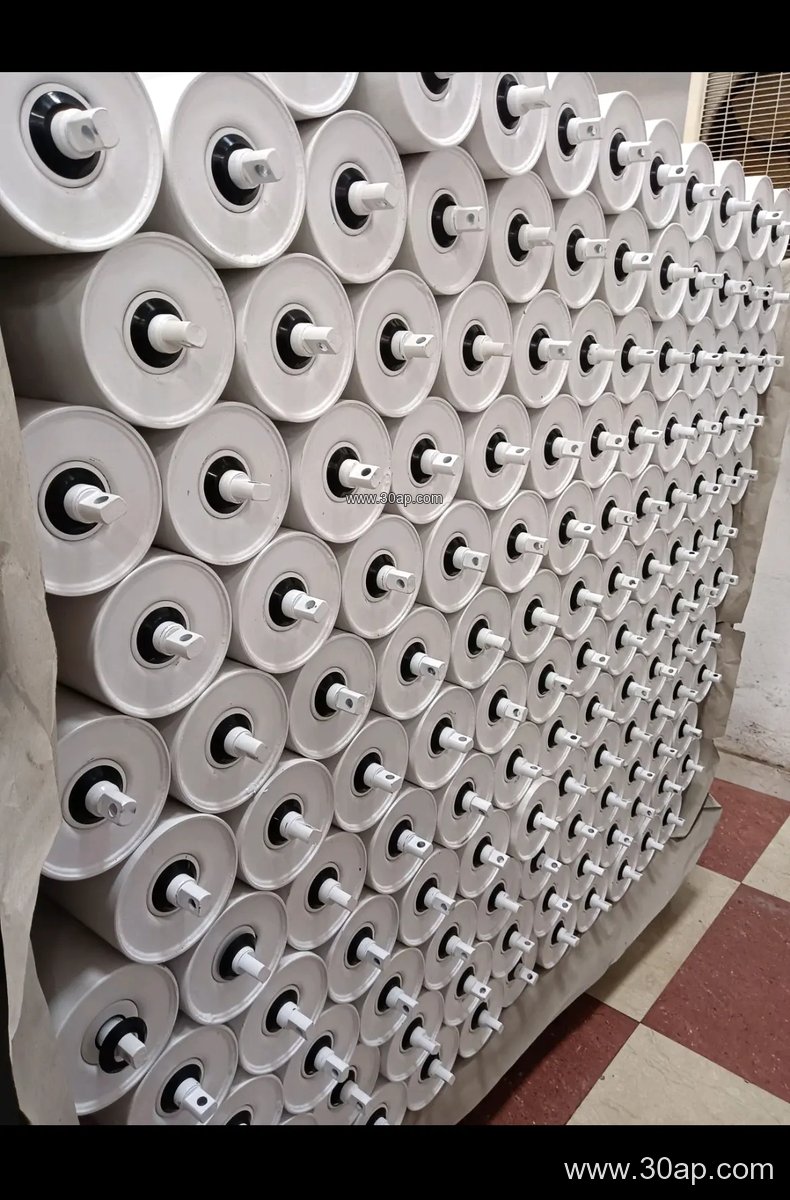
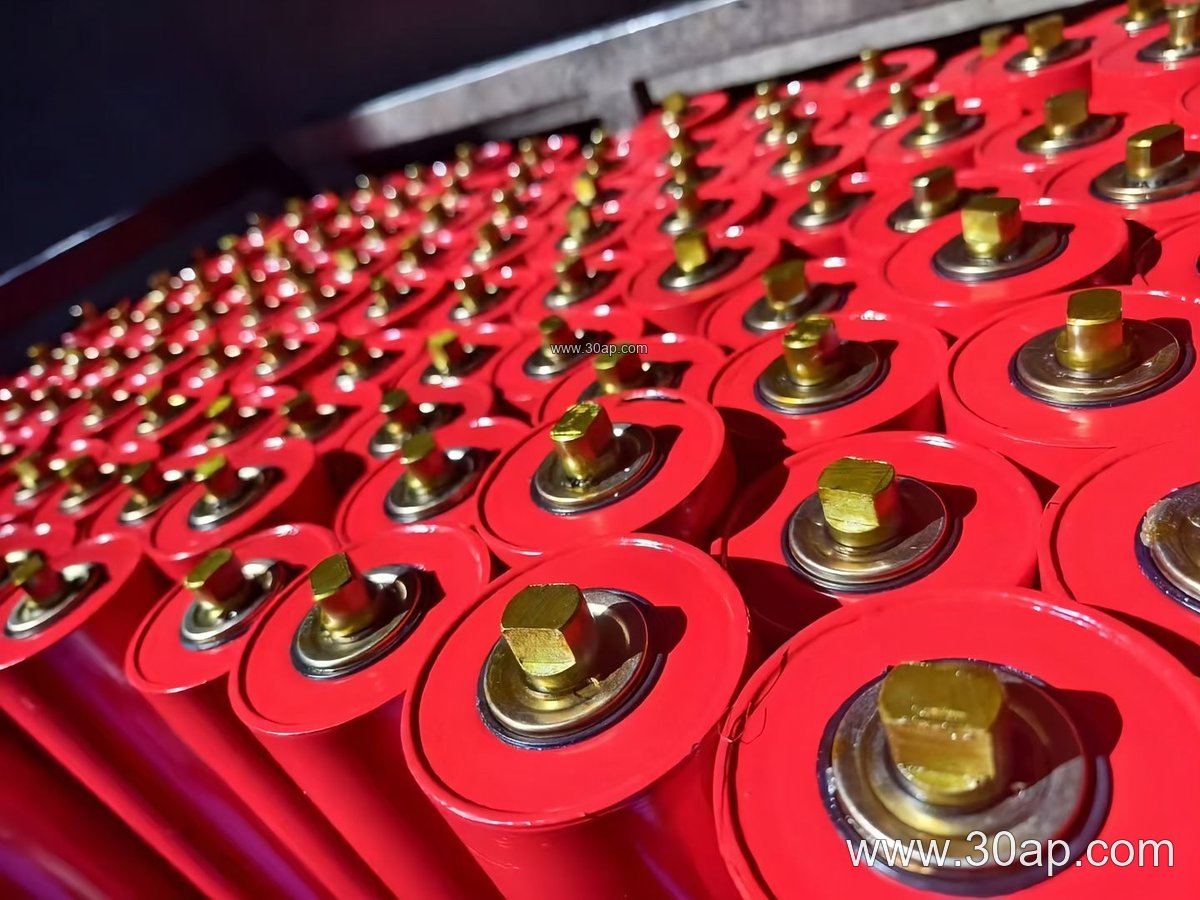
The assembly usually consists of two or more idler rollers set in a frame that can pivot about a vertical axis. When the belt drifts sideways, the angled rollers generate a restoring force that swings the frame and steers the belt back toward the center line. Common roller diameters for return training stations include Ø89, Ø108, Ø127 and Ø133, with larger sizes such as Ø159 or Ø178 used on heavy-duty conveyors. The roller shell may be plain steel, nylon, or rubber-covered for grip and noise reduction. Bearings are typically 6204, 6205, 6305 or 6306 depending on load and shaft design; a given bore is not tied to one roller diameter.
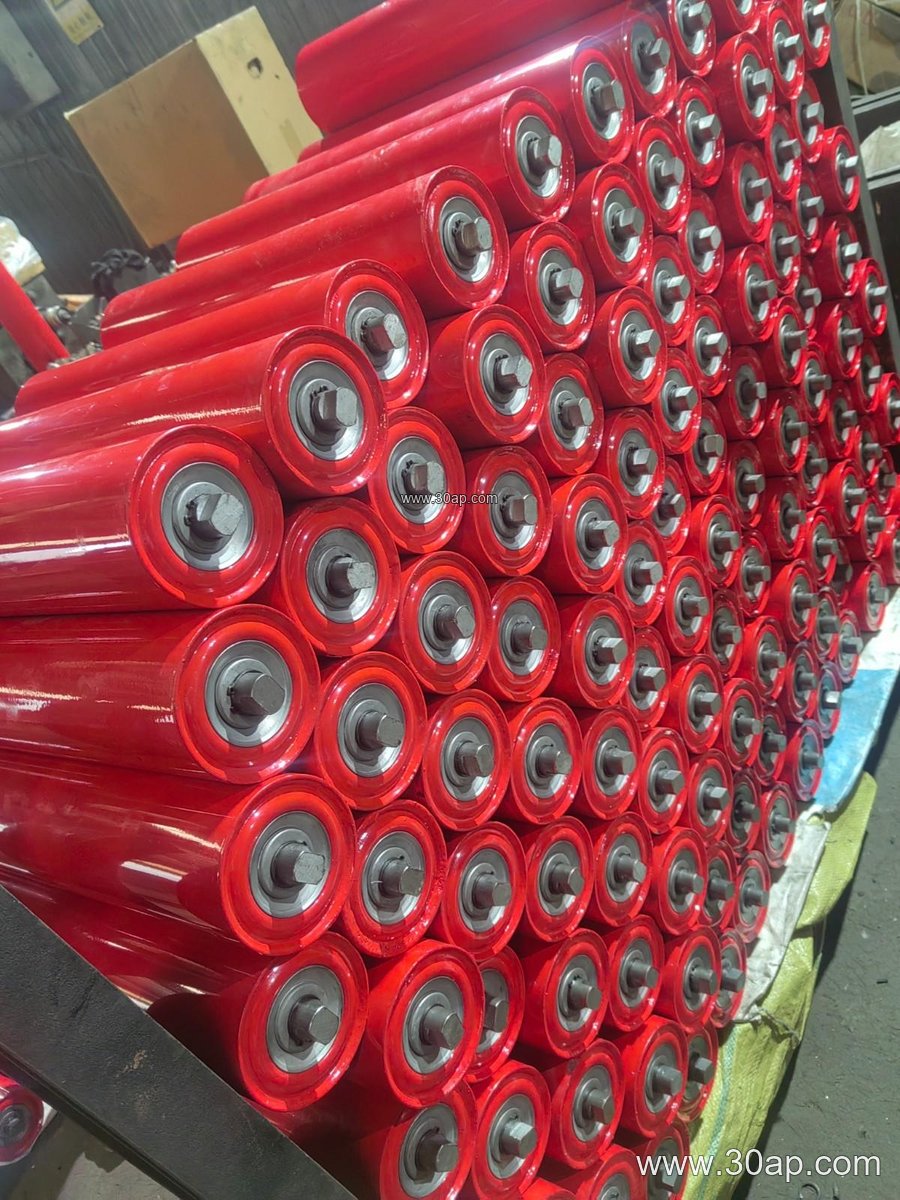
The pivot mechanism is the heart of the design. It should move freely but without excessive play, and the seals should keep fines and moisture out of the bearing cavities. On a dusty aggregate line or a wet wash plant, seal quality often decides how long the idler stays responsive.
Where It Fits on the Conveyor
Typical locations include the return run after the tail pulley, ahead of the take-up, and at points where the belt passes through a transition. In a limestone mine or a cement plant, installers often place one or two training idlers on long return spans to keep the belt centered before it reaches the tail pulley. They are also useful on stockyard and port conveyors where wind and uneven loading can push the belt off track.
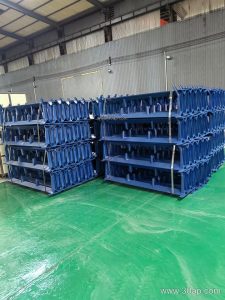
The idler works together with the conveyor bracket and the conveyor frame, so mounting height and squareness matter. A skewed bracket can defeat even a well-made training idler. For comparison only, a fixed flat return idler supports the belt but cannot correct drift; a V-return idler helps center the belt through gravity but does not actively steer. The self-aligning version adds the pivoting action that makes correction possible.
Common Sizes and Configuration Reference
The table below gives reference values, not fixed supply rules. Roller length changes with belt width, trough angle and station design, and side rollers may differ from center rollers.
| Belt width | Typical return roller diameter | Typical roller length (reference) | Common bearing |
|---|---|---|---|
| B500 | Ø89 / Ø108 | about 200 mm | 6204 / 6205 |
| B650 | Ø89 / Ø108 | about 250 mm | 6205 |
| B800 | Ø108 / Ø127 | about 315 mm | 6205 / 6305 |
| B1000 | Ø108 / Ø133 | about 380 mm | 6305 / 6306 |
| B1200 | Ø127 / Ø133 | about 465 mm | 6306 |
| B1400 | Ø133 / Ø159 | about 530 mm | 6306 / 6308 |
| B1600 | Ø159 / Ø178 | about 600 mm | 6308 |
| B1800 | Ø159 / Ø178 | about 670 mm | 6308 / 6310 |
| B2000 | Ø178 / Ø194 | about 750 mm | 6310 |
These figures are common examples for planning discussions. Final selection should follow the conveyor design, belt tension and manufacturer data.
Buyer Checklist
- Confirm the belt width and the return roller length required by the frame.
- Check the pivot action and seal type for the site conditions.
- Match roller shell material to the environment; rubber-covered rollers suit noisy or slippery return runs.
- Review bearing size and lubrication access with the maintenance team.
- Keep spare idler rollers and brackets on hand for quick replacement.
A return self-aligning idler is a small investment compared with the cost of a damaged belt. On equipment carrying a heavy-duty mining conveyor belt or an abrasion resistant conveyor belt, good tracking protects the belt edge and extends service life. Buyers can learn more about compatible conveyor components at https://www.jsbelt.com and https://www.jsconveyor.com, where belt and idler information is organized by application.
Regular inspection pays off. Check for play in the pivot, buildup on the rollers, and belt wander at the same time. If the belt still drifts after adjustment, look at loading, pulley alignment and belt splice quality before blaming the idler.