What a Mining Sealed Idler Does on the Line
A mining sealed idler is a carrying or return roller whose bearing housing is protected by a multi-stage seal, so grit, fines, and wash-down water stay away from the bearing. On a quarry conveyor or an ore conveyor, the idler roller is the most numerous wearing part; when the seal fails, the roller stops turning, the conveyor belt drags over a flat spot, and the whole line suffers. The sealed version is therefore less about the tube and more about what happens at the end cap.
These rollers appear on heavy-duty mining conveyor belt systems handling crushed rock, coal, cement clinker, and sinter. They suit dusty transfer points, tunnel spoil lines, and plant conveyors that see regular hose-down.
How the Seal and Bearing Package Is Built
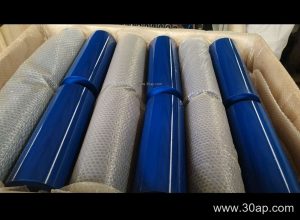
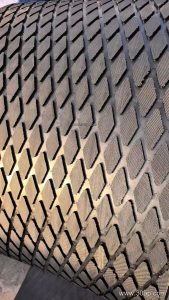
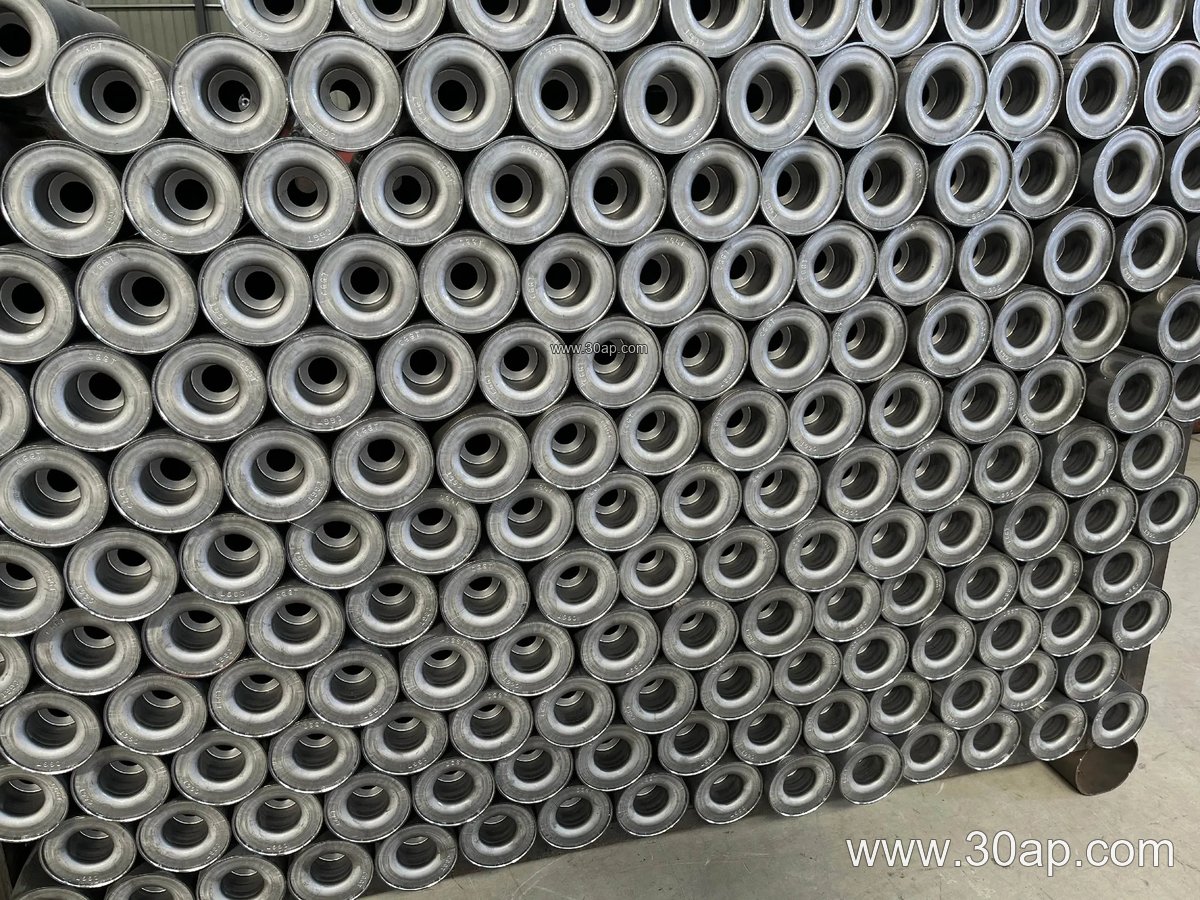
A typical sealed idler combines a steel tube, a through shaft or stub shaft, and a bearing housing with a labyrinth or lip seal, often backed by a grease chamber. Common bearing numbers in this range include 6204, 6205, 6305, 6306, 6308, and 6310; the correct bearing is chosen by load and speed, not by belt width alone. The roller shell may be plain steel, nylon, ceramic, or rubber-ringed, depending on whether the goal is abrasion life, material build-up release, or impact cushioning.
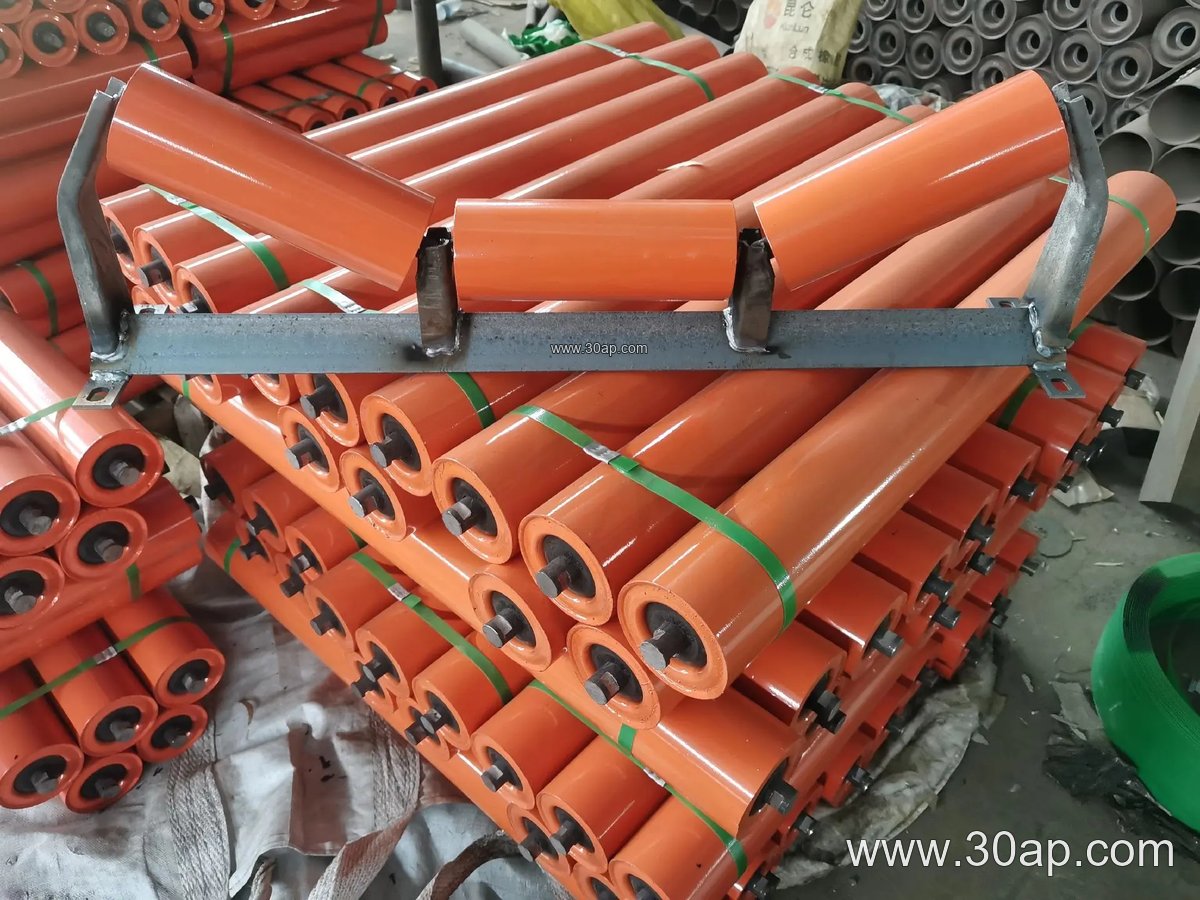
- Seal: labyrinth, felt, or lip type, sometimes combined
- Bearing: deep groove ball bearing, greased for life or relubricable
- Tube: steel, with machined ends for a true running surface
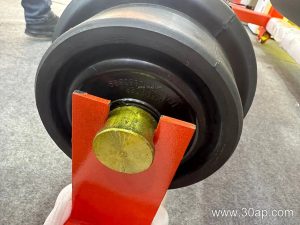
- Shaft: through or stub, with flat ends for bracket fitting
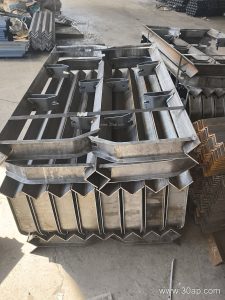
The conveyor bracket and frame should match the shaft end shape; a poor fit lets the roller walk and damages the seal. For lines carrying abrasive rock, a high abrasion resistant conveyor belt paired with well-sealed rollers gives the longest service window.
Trough, Return, and Transition Positions
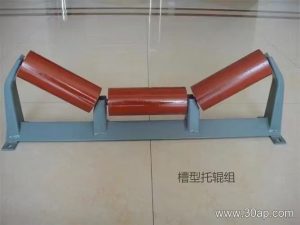
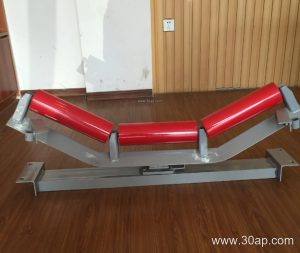
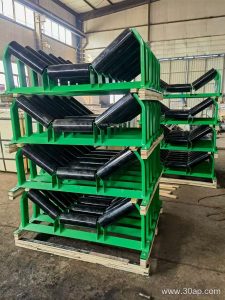
Sealed rollers are made in several forms: three-roll trough sets at 20, 30, 35, or 45 degrees; single-roll flat return; V-return; impact and rubber-ring impact rolls; and self-aligning rolls with a small forward tilt of about 1.5 to 2 degrees. A transition idler near the head or tail needs a shallower trough angle to avoid stressing the belt edge.
Common roller diameters include Ø63, Ø76, Ø89, Ø102, Ø108, Ø127, Ø133, Ø159, Ø178, Ø194, and Ø219 mm. Roll length follows belt width, trough angle, and roll arrangement. For three-roll trough sets, typical roll lengths are roughly 200 mm for B500, 250 mm for B650, 315 mm for B800, 380 mm for B1000, 465 mm for B1200, 530 mm for B1400, 600 mm for B1600, 670 mm for B1800, and 750 mm for B2000. These are examples only; side rolls and center rolls can differ, and final length is set by design.
| Parameter | Common Range | Note |
|---|---|---|
| Roller diameter | Ø63 to Ø219 mm | Selected by load and belt speed |
| Belt width | B400 to B2400 | Roll length set by design |
| Trough angle | 20, 30, 35, 45 degrees | Transition zones use shallower angle |
| Bearing | 6204, 6205, 6305, 6306, 6308, 6310 | Matched to duty, not fixed to one size |
| Surface | Steel, nylon, ceramic, rubber ring | Rubber ring for impact points |
Where Sealed Idlers Earn Their Cost
In a limestone quarry, dust from the crusher discharge coats everything; a sealed roller keeps turning where an open type would seize. In a coal preparation plant, wash water and fine coal slurry make sealing essential. Power plant coal handling and cement plant clinker lines also benefit, especially where a flame retardant conveyor belt or heat resistant conveyor belt is already specified for safety.
On a ship loading conveyor or a stockyard line using a steel cord conveyor belt, roller drag directly raises power draw, so smooth-running sealed idlers pay back through energy and belt life. The same reasoning applies on an EP conveyor belt line, where edge damage from a seized roller can shorten belt life sharply.
Buyer Checklist Before Ordering
- Confirm the position: carrying, return, impact, or transition.
- State belt width and trough angle so roll length can be set.
- Give the load and speed so bearing and shaft size are chosen correctly.
- Specify the environment: dust, water, heat, or oil, and whether the belt is an oil resistant conveyor belt or similar.
- Match the shaft end to the existing conveyor bracket.
- Agree on seal type and whether relubrication is required.
Ask for a dimensional drawing and a seal cross-section before approval. A sealed idler is a small item, but on a mine or quarry conveyor it decides how often the maintenance crew stops the line.