What a Trough Idler Bracket Does
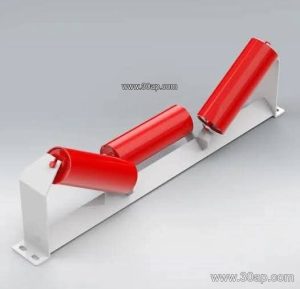
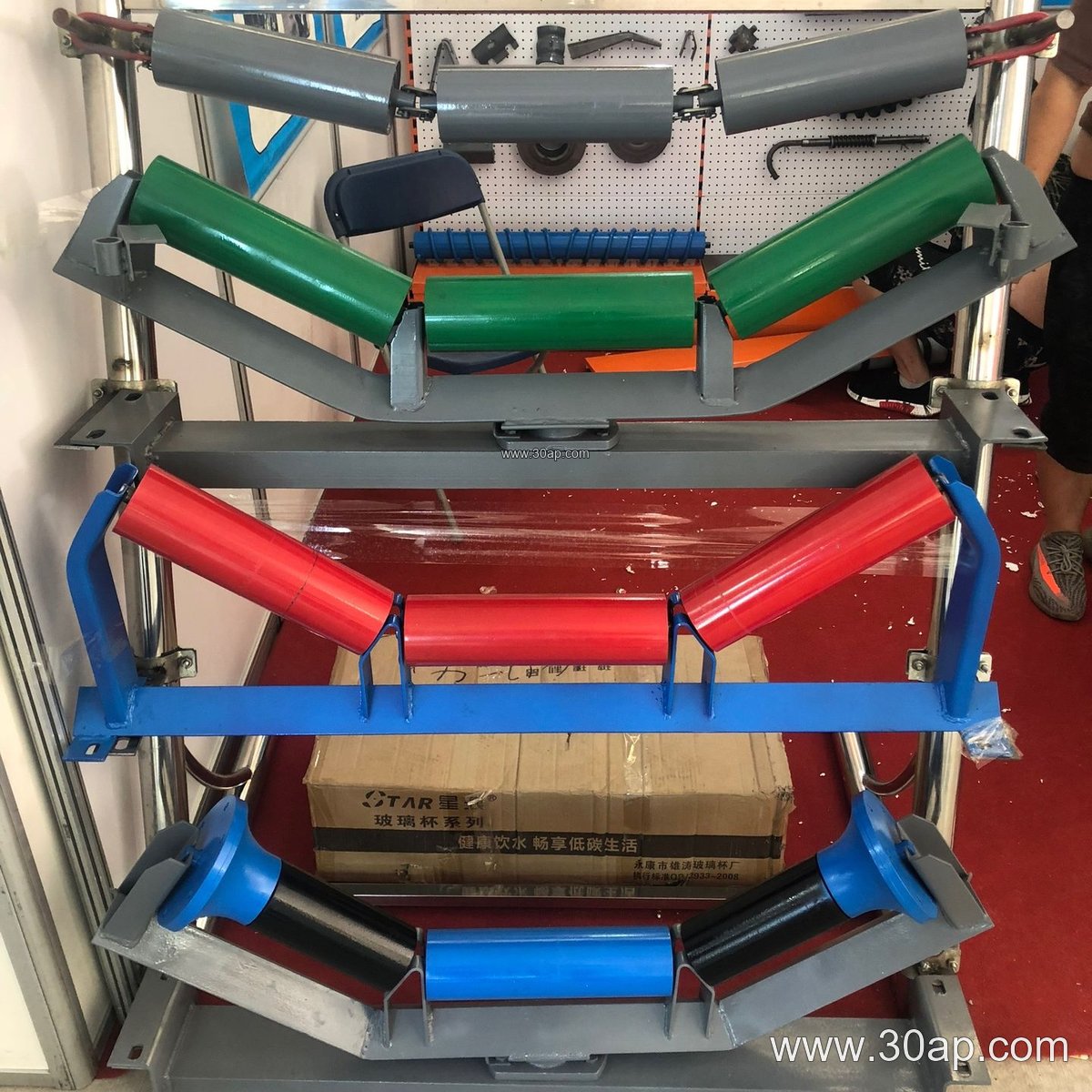
A trough idler bracket is the steel support that holds the three-roller trough set in the carrying run of a belt conveyor. It keeps the side rollers tilted so the conveyor belt forms a trough, which helps contain bulk material on the belt and reduces spillage. In a quarry, a cement plant or a coal handling system, the bracket is a small but hardworking part of the whole conveyor structure. It connects the idler roller shafts to the conveyor frame and transfers the load from the belt and material into the main stringers. The same family also includes the return bracket and the impact bracket, but the trough bracket is the one that shapes the load-carrying side of the belt.
Construction and Common Materials
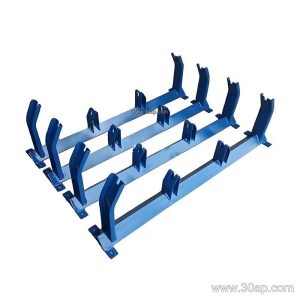
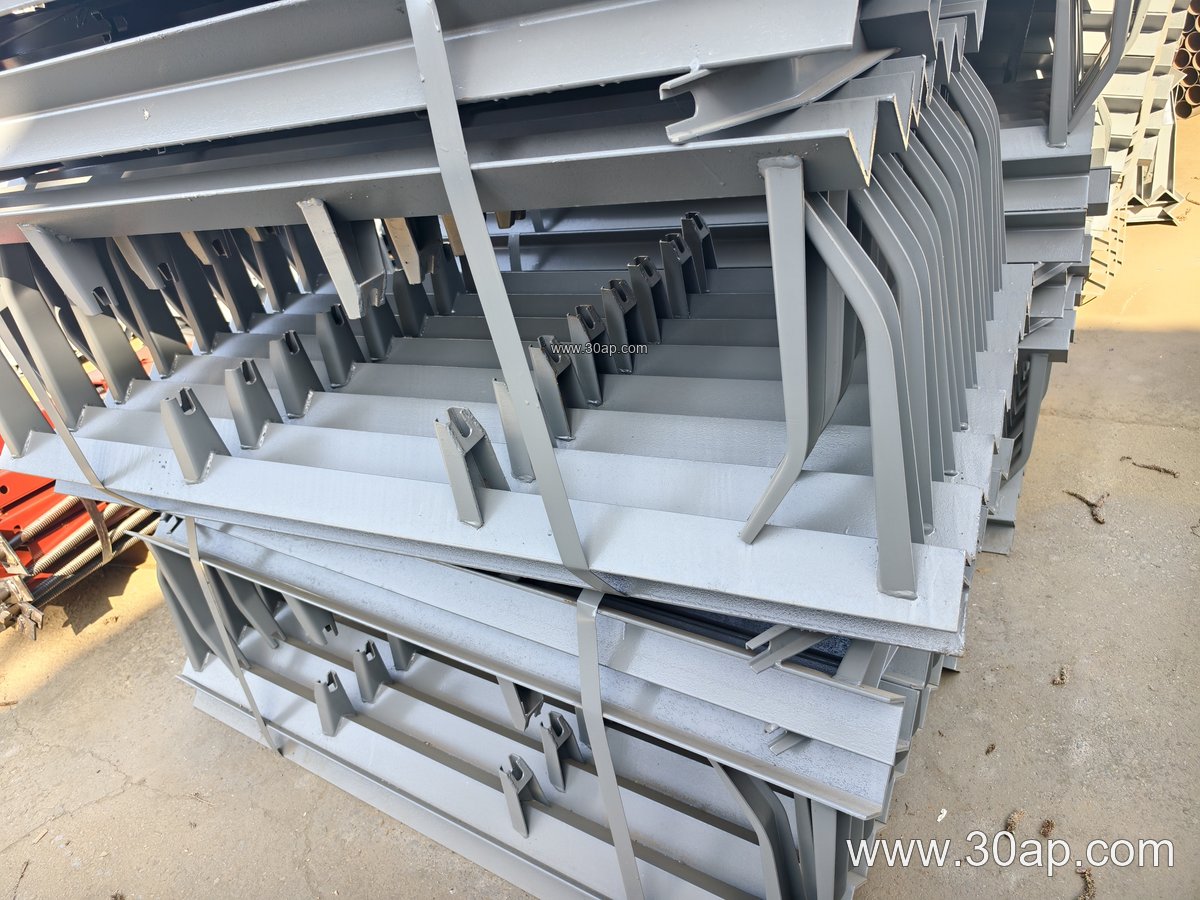
Most trough idler brackets are made from angle steel, channel steel or folded steel plate. The bracket usually has two inclined slots that set the trough angle and a base that bolts to the conveyor frame. Some designs are fixed, while adjustable brackets allow the trough angle to be changed on site.
- Fixed trough bracket: welded at a set angle, simple and rigid
- Adjustable trough bracket: slotted or hinged, allows angle changes
- Transition bracket: used near the head and tail to ease the belt from flat to troughed
- Impact bracket: reinforced for loading points and coarse material
Common trough angles are 20, 30, 35 and 45 degrees. A forward tilt of about 1.5 to 2 degrees is sometimes built into the bracket to help the belt track. The bracket must be strong enough to carry the belt weight, the material load and the idler roller set without bending.
Matching Belt Width, Angle and Roller Diameter
Buyers often ask how to match a bracket to a belt. There is no single rule that ties one belt width to one trough angle or one roller diameter. A B800 conveyor may run at 30 degrees with Ø108 rollers, while a B1200 line might use 45 degrees with Ø133 rollers. The bracket mounting hole spacing and crossbeam length usually change with belt width and trough angle, so these should be confirmed against the conveyor design. Typical reference combinations look like this:
| Belt Width | Trough Angle | Roller Diameter |
|---|---|---|
| B650 | 30 degrees | Ø89 |
| B800 | 35 degrees | Ø108 |
| B1000 | 35 degrees | Ø108 or Ø133 |
| B1200 | 45 degrees | Ø133 |
| B1400 | 35 to 45 degrees | Ø133 or Ø159 |
These are common examples, not fixed rules. The final choice should follow the conveyor design, the material being carried and the idler roller selected for the job.
Where Trough Brackets Are Used
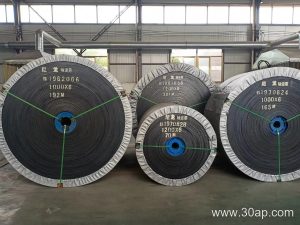
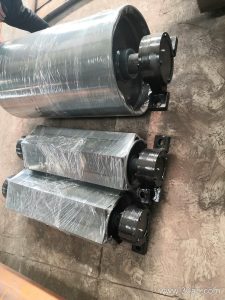
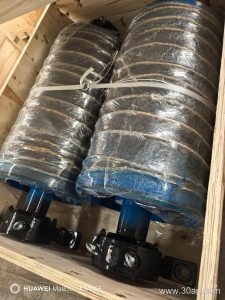
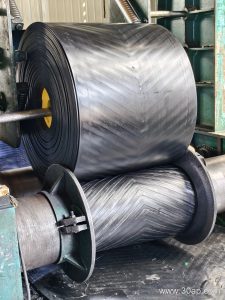
You will find trough idler brackets on nearly every troughed belt conveyor. In a limestone quarry or a stone crushing line, they support the belt that carries coarse rock. In a power plant coal yard, they hold the trough set that keeps coal on the belt. In a cement plant, they are used on clinker and raw material conveyors. The bracket works together with the conveyor belt, the idler roller and the conveyor pulley at each end of the line. A well-aligned bracket helps the belt run straight and reduces edge wear. For heavy-duty mining conveyor belt duties, thicker brackets and larger rollers are often used.
Selection and Maintenance Notes
When choosing a trough idler bracket, check the belt width, the trough angle, the roller diameter and the mounting hole pattern. Confirm the frame dimensions and the bolt spacing before ordering. Look at the steel thickness and the finish, especially in wet or dusty sites. During operation, inspect the bracket for loose bolts, bent arms and corrosion. A bent bracket can misalign the idler roller and cause belt tracking problems. Replacing a damaged bracket early is usually cheaper than repairing a damaged belt. If the conveyor uses a fabric core conveyor belt or a steel cord conveyor belt, the bracket still plays the same role, but the load and belt stiffness may call for a stronger design. For more details on compatible conveyor components, visit conveyoridler.com and check the trough idler bracket range.