What the Conveyor Tail Pulley Does
The conveyor tail pulley sits at the return end of a belt conveyor and closes the loop. After the belt discharges its load at the head, it travels back underneath the frame, passes over this pulley, and turns up toward the carrying side again. In many installations the tail pulley also serves as the take-up pulley, sliding on the tensioning frame so the belt keeps steady contact with the drive pulley. That dual role means it must handle belt tension, material dust, and occasional spillage without losing alignment.
Although it looks simple, it is a distinct component. A drive pulley transmits power, while a bend pulley only changes belt direction. The tail pulley mainly guides and tensions the return strand, and treating these positions as interchangeable often leads to premature belt wear or tracking problems.
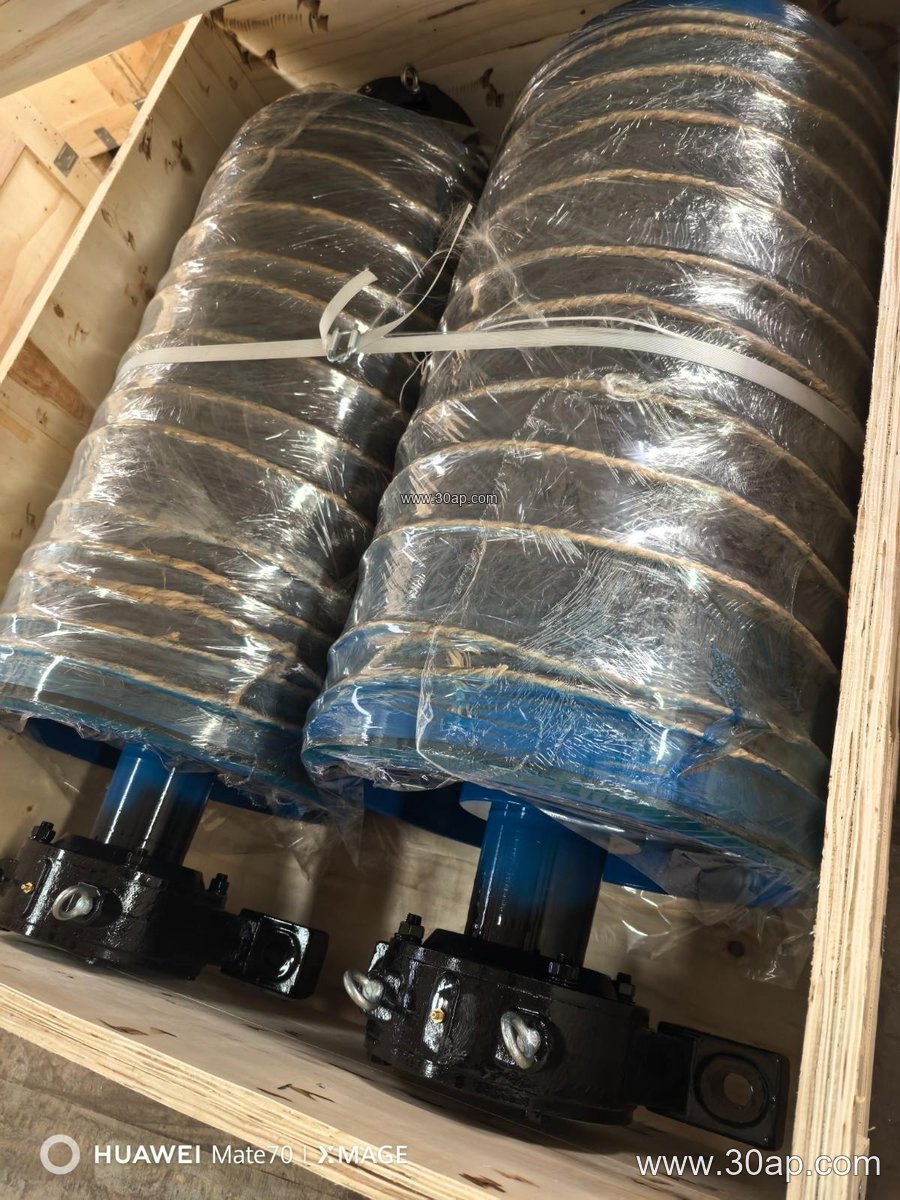
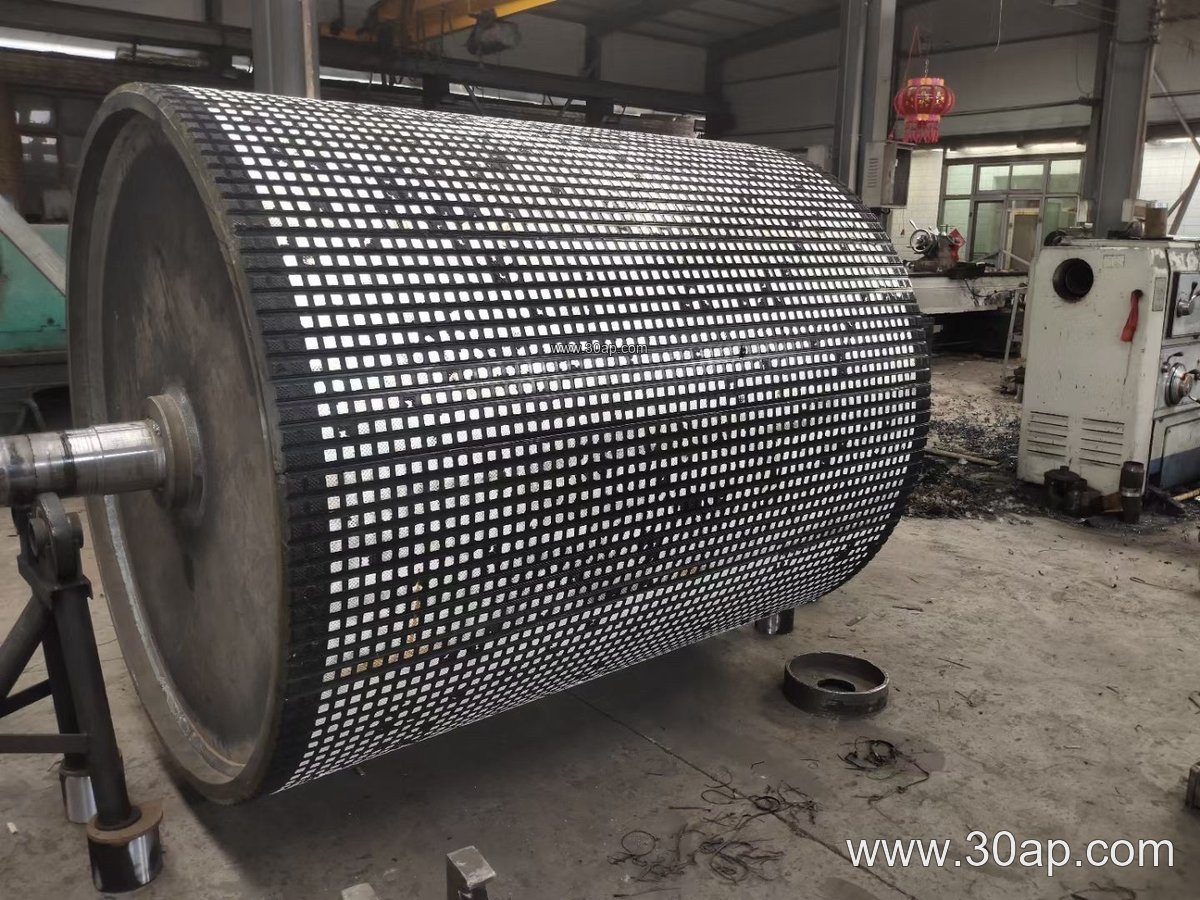
Construction and Surface Options
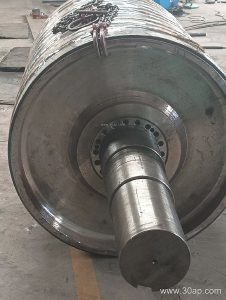
A typical unit consists of a cylindrical shell, two end discs, a through shaft, bearing housings, and a lagging layer. The shell is usually machined from steel tube or rolled plate, with the face width slightly wider than the belt. Common face widths track belt width, for example about 950 mm for B800, 1150 mm for B1000, and 1600 mm for B1400. Diameters commonly range from Ø200 to Ø800 or larger depending on tension and belt thickness, so a B800 tail pulley might be built around Ø500 while a B1200 unit could use Ø1000. These pairings are design choices, not fixed rules.
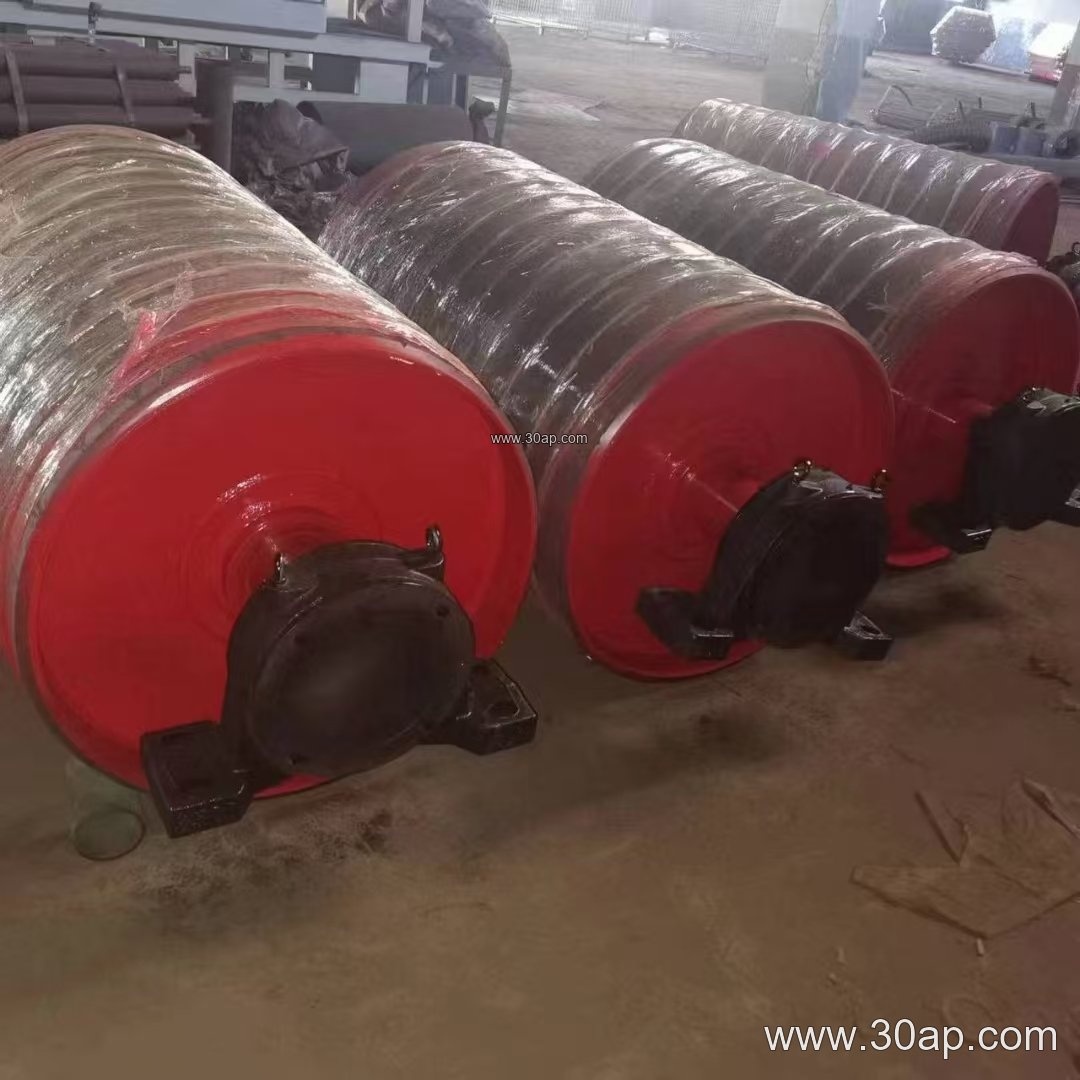
Lagging protects the shell and improves grip where needed. Plain, cold-bonded rubber, hot-vulcanized rubber, diamond, ceramic, and wing-type surfaces are all available. Rubber lagging of 8 to 12 mm is common for general duty, while heavier tensioning duties may call for 15 or 20 mm. Shaft diameters are selected from torque and bearing loads rather than belt width alone; Ø80, Ø100, and Ø120 shafts appear across many mid-size conveyors.
Where It Fits in the Plant
Tail pulleys appear wherever bulk material moves on a belt. In a quarry or aggregate line, a crusher conveyor discharging onto a screen often returns over a tail pulley exposed to grit and moisture. In a coal washing plant or power station coal yard, the return side may carry fine dust, so sealed bearings and anti-static belts such as PVG800S or flame retardant conveyor belt grades are often specified together. Cement plants handling clinker dust and steel plants moving sinter similarly rely on a well-aligned tail pulley to keep the return strand stable.
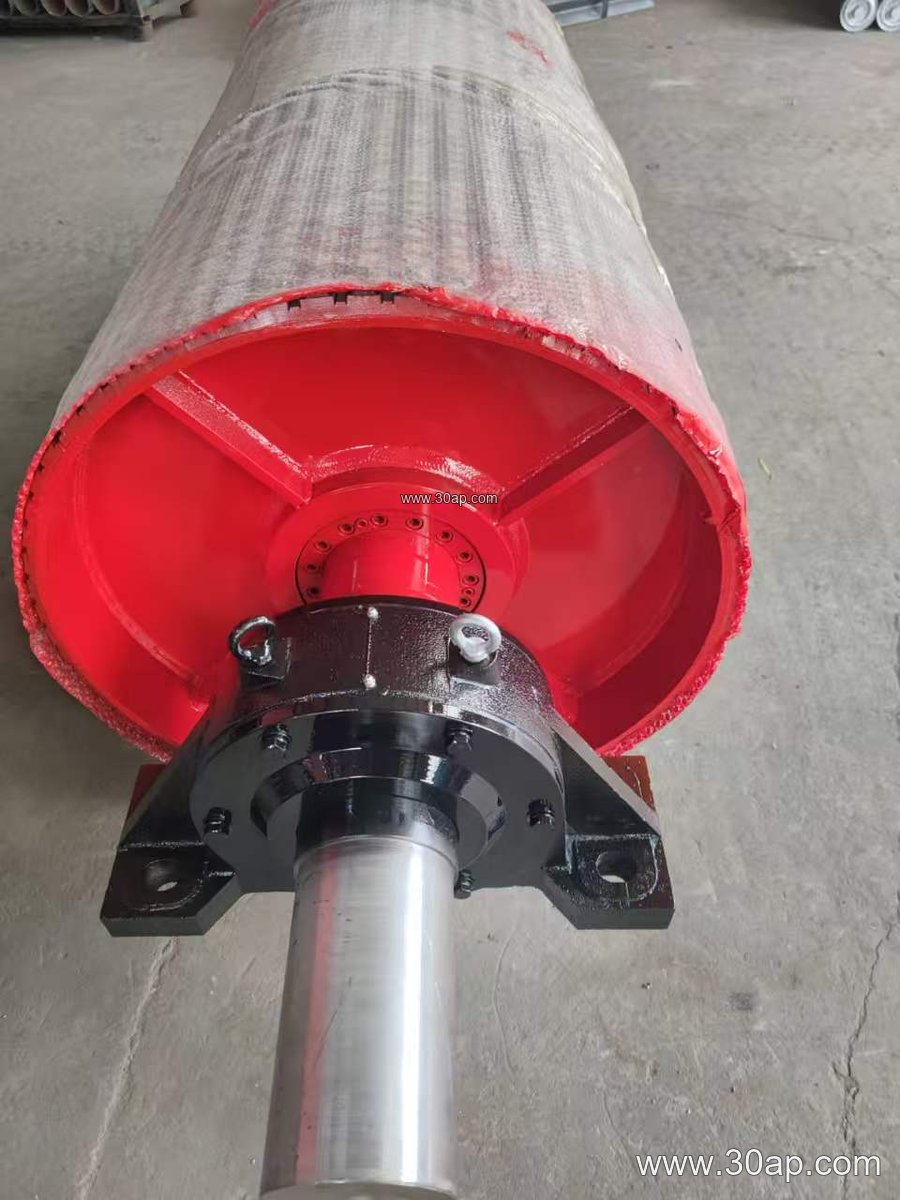
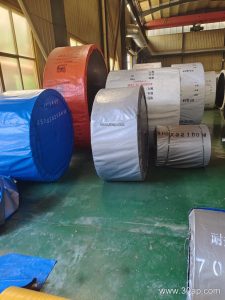
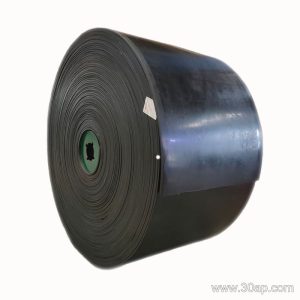
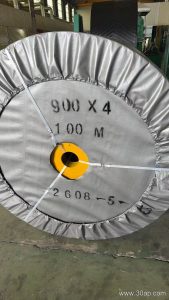
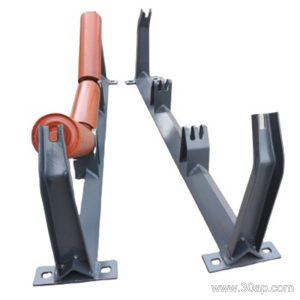
It works alongside the conveyor belt, idler roller sets, and conveyor bracket assemblies. A misaligned tail pulley can cause edge damage on an EP conveyor belt or a steel cord conveyor belt within a short time, so the mounting frame and tensioning slides deserve equal attention.
Selection and Maintenance Notes
- Match the pulley face width to the belt width with a small margin, and confirm shaft size from calculated torque.
- Choose lagging according to conditions: plain for light return duty, rubber for general grip, ceramic or diamond for wet or oily return strands.
- Confirm bearing type and sealing level for dusty environments such as crushing circuits and coal handling.
- Check take-up travel and alignment during installation; the pulley should sit square to the belt centerline.
- Inspect lagging wear, bearing temperature, and shell runout at regular intervals, and re-tension the belt as needed.
Buyers should ask for the shell diameter, face width, shaft diameter, bearing model, lagging type and thickness, and balancing grade before ordering. A tail pulley specified only by belt width is incomplete, and a pulley sized only by diameter may not suit the actual tension. For more conveyor pulley guidance, visit www.beltconveyorparts.com and review tail pulley options alongside conveyor belt and idler roller selections.