What the PVG800S Conveyor Belt Is
The PVG800S Conveyor Belt is a solid-woven, PVC-based conveyor belt grade built for underground and heavy-duty bulk material transport. The designation points to a whole-belt tensile strength class of 800 N/mm, with the “S” suffix indicating a flame-retardant, anti-static variant commonly specified for coal mining and other hazardous atmospheres. In everyday plant language it is often shortened to PVG800 conveyor belt or simply PVG belt, but the full name PVG800S Conveyor Belt is the one to quote when the fire-safety and anti-static properties matter.
Unlike a Multi-Ply Fabric Core Conveyor Belt, which relies on several textile plies bonded under rubber covers, this product uses a single solid core of PVC-impregnated fabric. That construction gives it good resistance to tearing, moisture and impact, and it can be spliced on site with vulcanized or mechanical joints depending on the service.
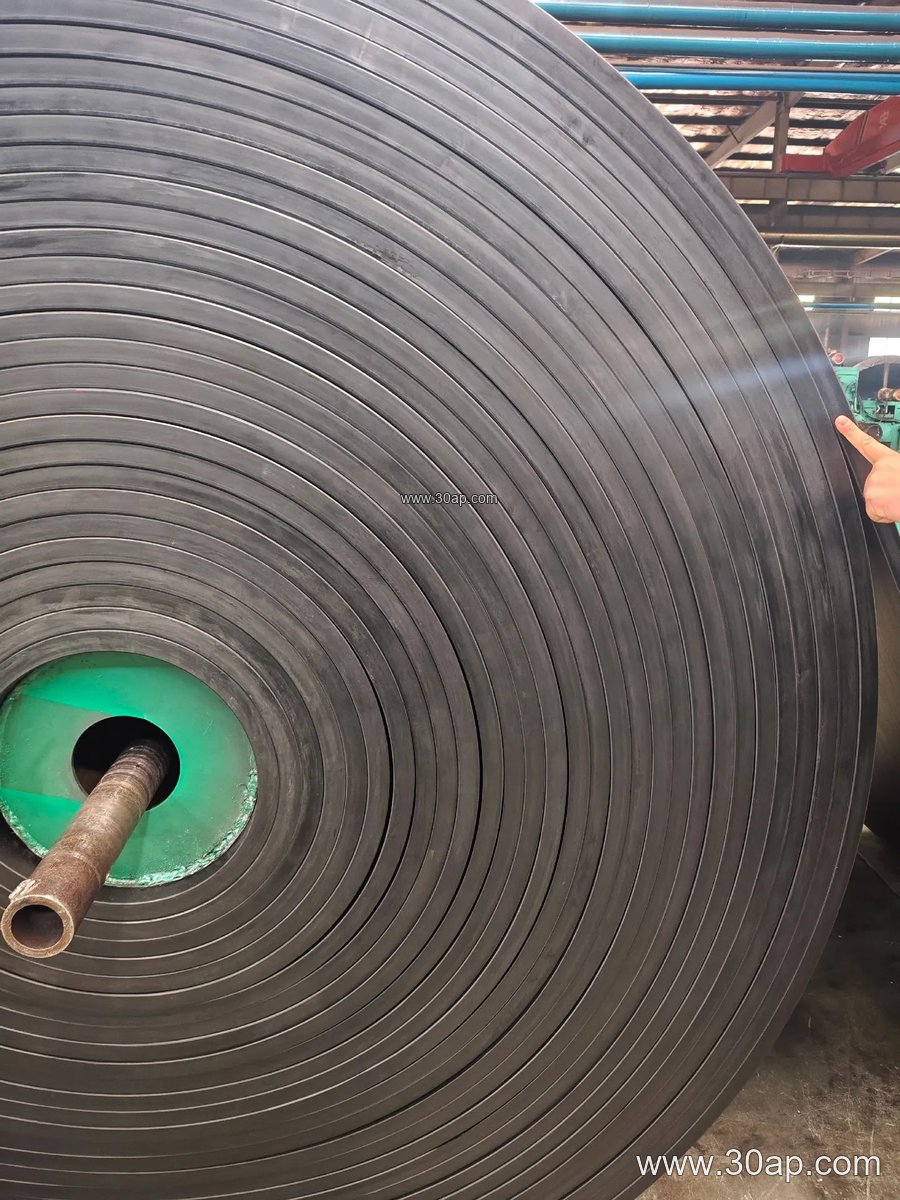
Construction and Surface Options
The belt body combines a PVC matrix with embedded fabric reinforcement. Buyers can usually choose cover profiles and surface forms to suit the conveyor route:
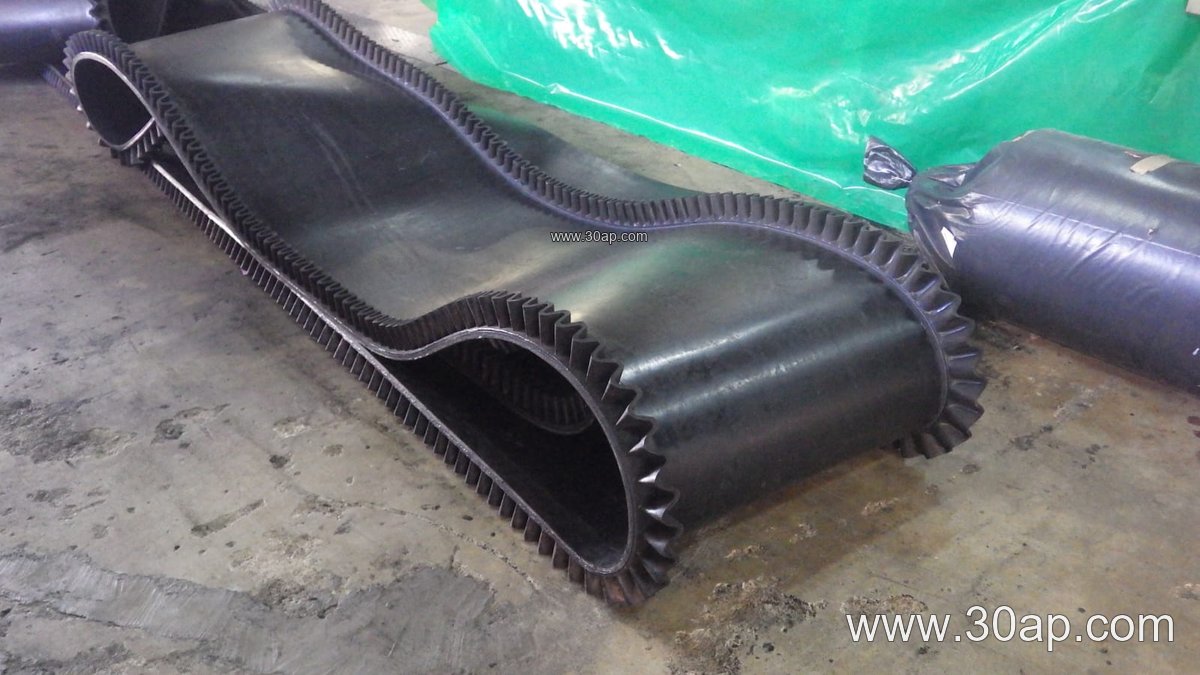
- Plain top cover for standard troughing runs
- Chevron or cleated patterns for inclined sections
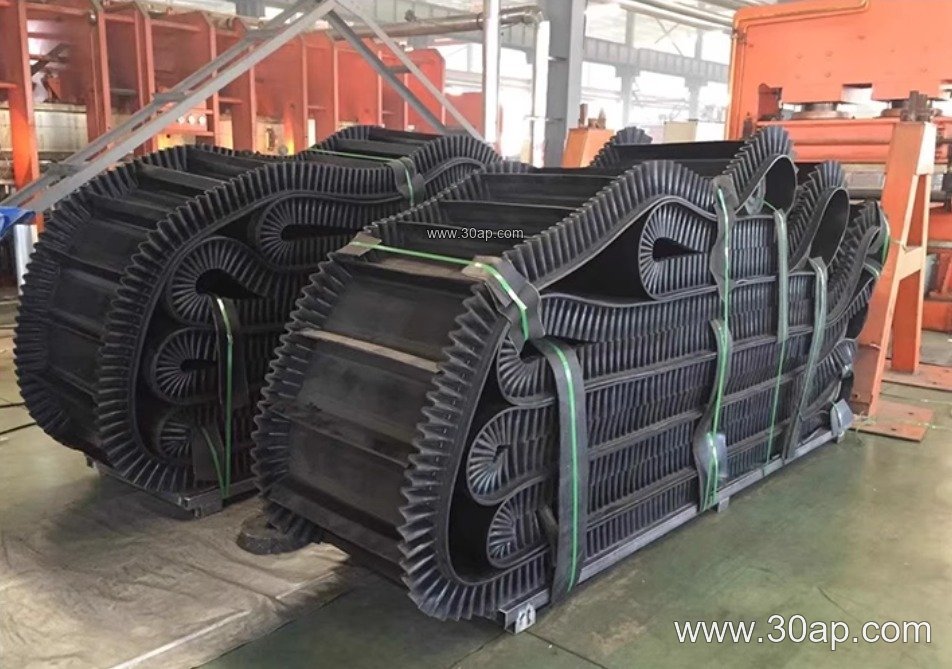
- Skirted or corrugated sidewall edges for steep inclines and spill control
Thickness and cover grades are set by the manufacturer’s design. Where sticky, wet or oily material is handled, an oil resistant or abrasion resistant cover may be preferred, while cold climates call for a cold resistant compound. The flame retardant and anti-static properties of the “S” version should always be confirmed against the project’s fire-safety requirements rather than assumed.
Typical Duty in Mining and Processing
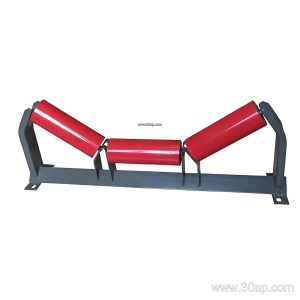
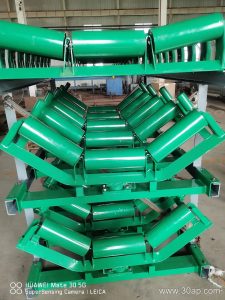
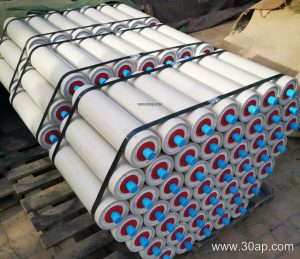
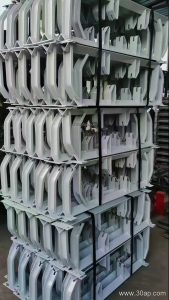
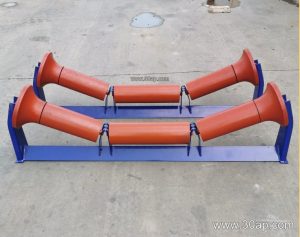
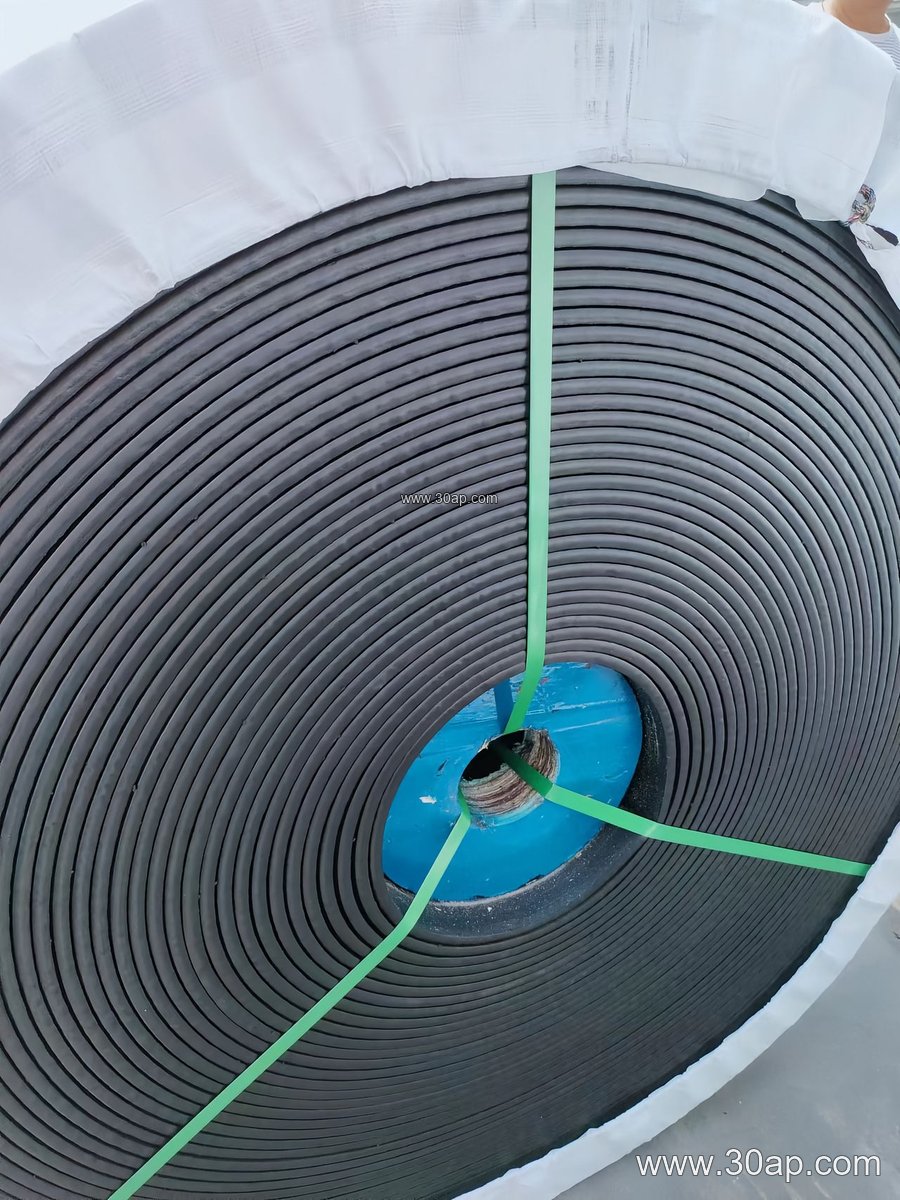
Mines, coal preparation plants and underground coal mining operations are the classic homes of this belt. It also fits cement plants, power stations, quarries, sand and gravel yards, and port bulk terminals. In these settings the belt works alongside conveyor pulleys, idler rollers and conveyor brackets, and the whole conveyor must be matched as a system. Drive pulleys, tail pulleys and bend pulleys each do a different job and are not interchangeable, so the belt’s tension rating, splice strength and tracking behavior should be checked against the pulley layout.
Common widths for this class of belt include 800 mm, 1000 mm, 1200 mm and 1400 mm, with wider 1600 mm and 1800 mm options available for high-capacity trunk conveyors. A 1200mm wide PVG800S belt is a frequent choice for main underground haulage, while narrower 650 mm or 800 mm belts suit gathering and transfer conveyors. None of these sizes should be treated as a universal rule, and a belt width does not dictate a single pulley diameter.
Reference Data at a Glance
The table below lists typical reference values; final specifications are fixed by the belt designer and the manufacturer.
| Parameter | Common reference |
|---|---|
| Belt type | Solid-woven PVG, flame retardant, anti-static |
| Tensile strength class | 800 N/mm |
| Width range | 650, 800, 1000, 1200, 1400, 1600 mm |
| Cover thickness examples | 4+2 mm, 5+2 mm, 6+2 mm |
| Core | PVC-impregnated fabric, solid woven |
| Splice | Vulcanized or mechanical, per design |
Selection and Maintenance Notes
Choosing a PVG800S Conveyor Belt starts with the material: lump size, moisture, oil content and temperature all influence the cover grade. The conveyor’s incline, length and tonnage determine the required tension, and the belt must be checked against the drive pulley, tail pulley and bend pulley arrangement. Users comparing it with a Steel Cord Conveyor Belt or a high-strength EP Conveyor Belt will find the PVG design easier to splice and more tolerant of moisture, though it may not reach the same very long-distance tension capacity.
On site, keep the belt centered, inspect idler rollers for seizure, and check the conveyor bracket and pulley lagging for wear. Poor tracking and overloaded transfer points are common causes of edge damage. Store spare rolls away from sunlight and ozone sources, and follow the manufacturer’s splicing procedure to protect the flame retardant and anti-static performance of the joint.