What a Cement Plant Conveyor Pulley Does
A cement plant conveyor pulley is the rotating drum that drives, tensions, or redirects the belt on a bulk material conveyor. In a cement line, these pulleys sit under harsh conditions: abrasive limestone dust, clinker fines, and occasional heat from nearby kiln sections. The pulley must transfer torque reliably, keep the belt tracking straight, and resist wear on its shell surface.
Although the term sounds simple, the component is part of a system. It works together with the conveyor belt, idler rollers, and conveyor brackets to keep material moving from crusher to stockpile or from clinker cooler to cement mill. Choosing the right drum is therefore a matter of matching load, belt width, and environmental exposure.
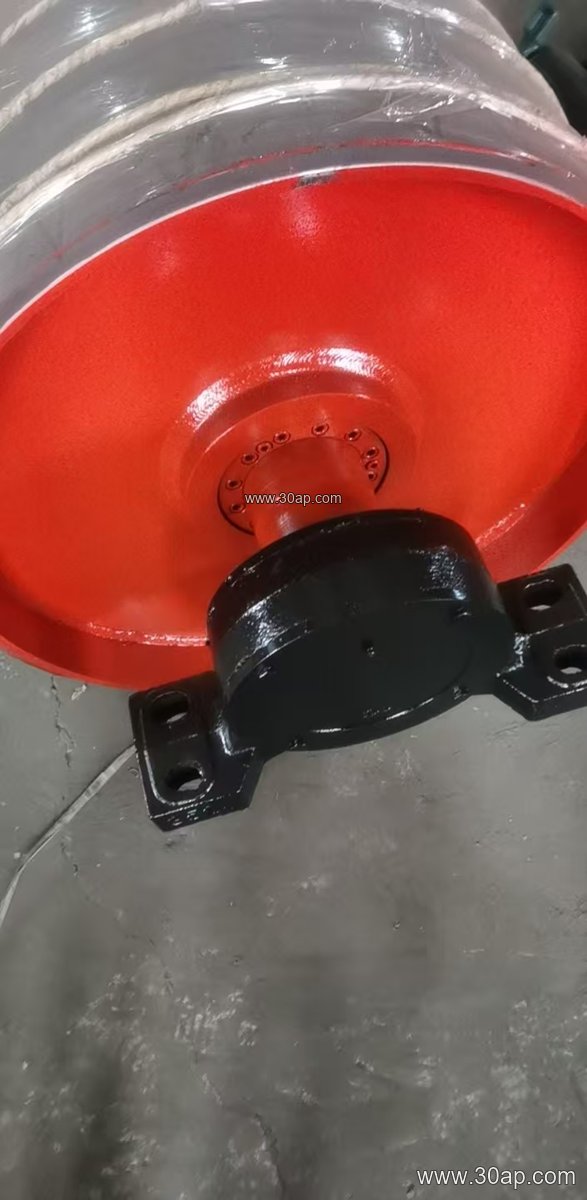
Construction and Surface Options
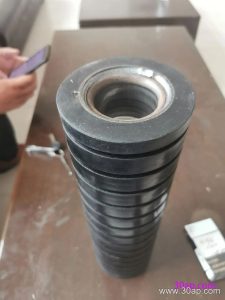
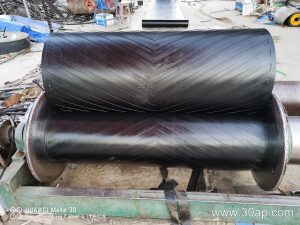
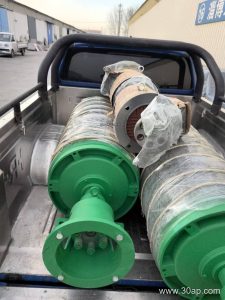
Most pulleys used in cement plants are welded steel drums with a shaft, hub, and bearing assembly. The shell is often covered with rubber or ceramic lagging to improve grip and reduce belt slip. Common surface forms include plain, cast rubber, cold-bonded rubber, hot-vulcanized rubber, diamond lagging, herringbone lagging, and ceramic lagging. Lagging thickness is usually 8, 10, 12, 15, or 20 mm, depending on the duty.
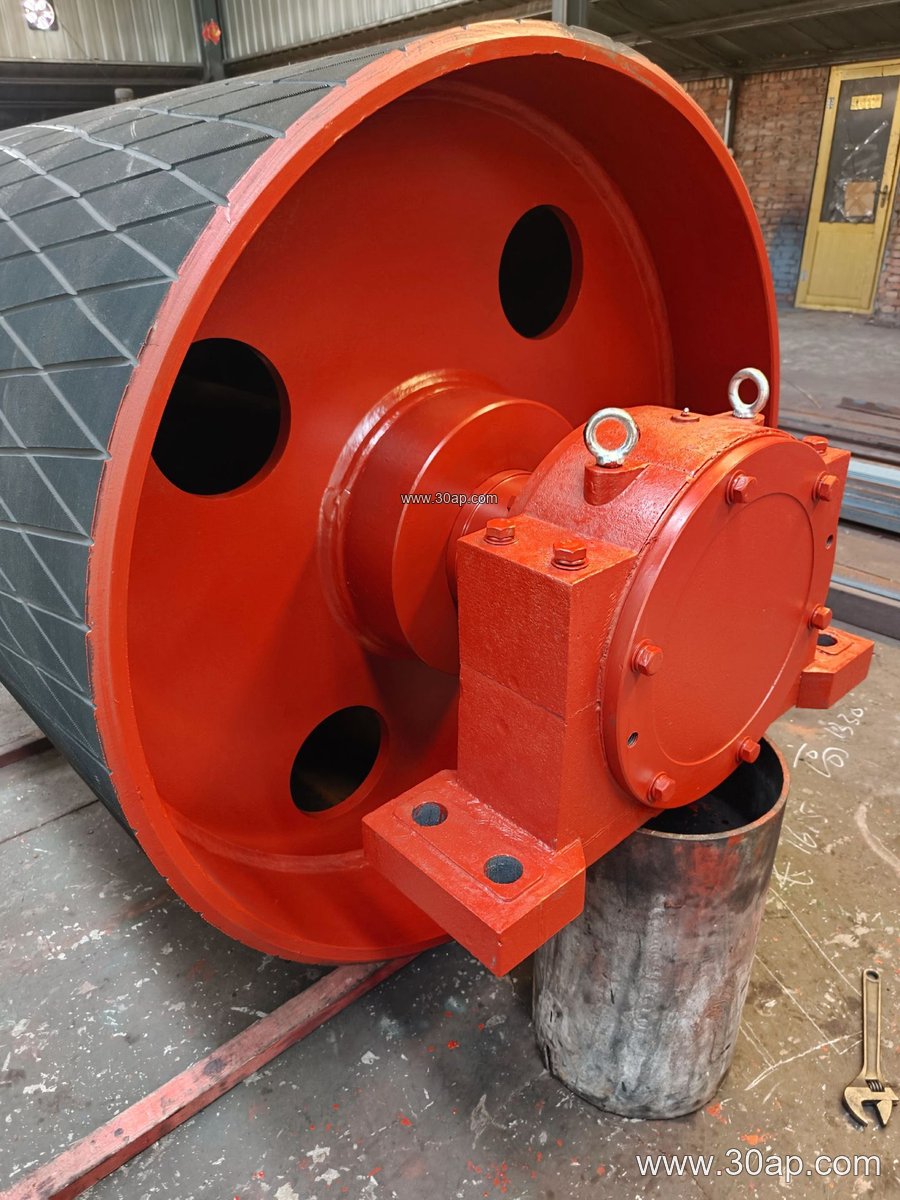
The drum face width is normally slightly wider than the belt. For example, a B800 belt may run on a pulley face of about 950 mm, while a B1200 belt may use a face of about 1400 mm. Diameter and shaft size are not fixed by belt width alone; they are calculated from torque, radial load, and bearing life. Common diameters range from Ø200 to Ø1800, and shaft diameters from Ø50 to Ø200, but each project needs its own design check.
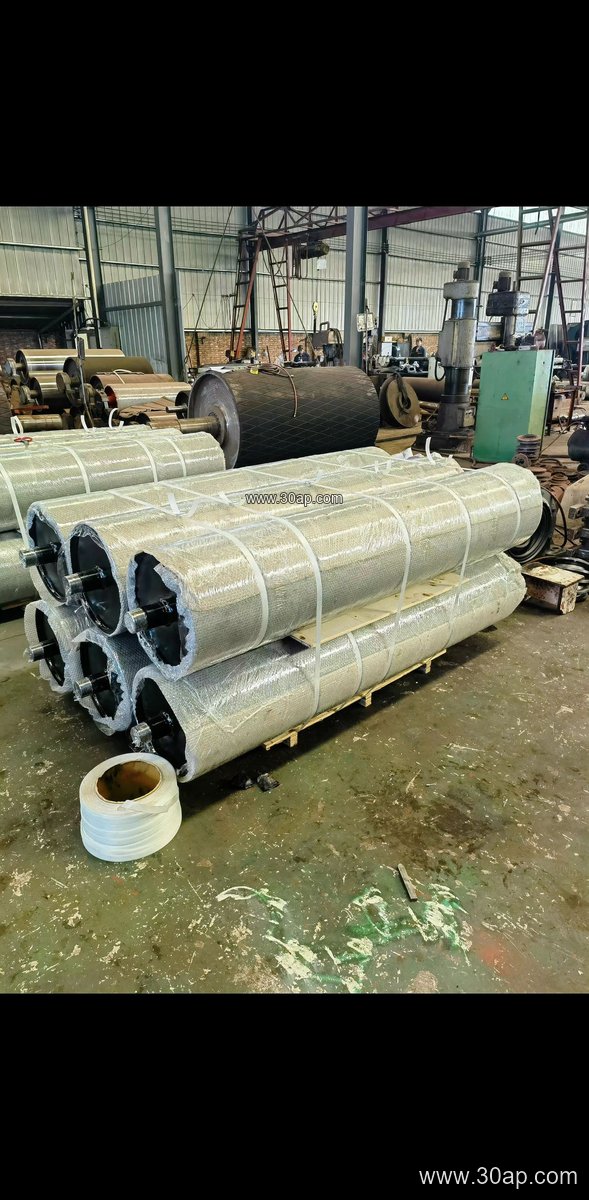
Where It Fits in the Cement Process
In a limestone quarry or crushing station, a head pulley discharges crushed rock onto the next belt. A tail pulley at the loading point supports the belt as material drops from a chute. Bend pulleys guide the belt around a take-up system, while a snub pulley increases wrap angle on the drive drum. These roles are distinct: a drive pulley transmits power, a tail pulley is normally non-driven, and a bend pulley only changes belt direction. They are not interchangeable, and each position calls for its own lagging and bearing arrangement.
In the clinker and cement grinding area, heat-resistant belts may be used, and the pulley lagging should tolerate warm fines. In a coal-fired power plant or a coal preparation plant, flame retardant and anti-static belt grades are common, and the pulley surface should avoid sparking risk from metal-to-metal contact.
Matching the Pulley to the Belt
The belt grade and the drum work as a pair. A heavy-duty mining conveyor belt or a high abrasion resistant conveyor belt needs a pulley with enough traction to avoid slip without over-tensioning. For long overland lines, a steel cord conveyor belt may be paired with a large-diameter drive pulley to keep bending stress low. Fabric-core belts such as EP conveyor belt or NN conveyor belt grades are often seen in plant conveyors and transfer points.
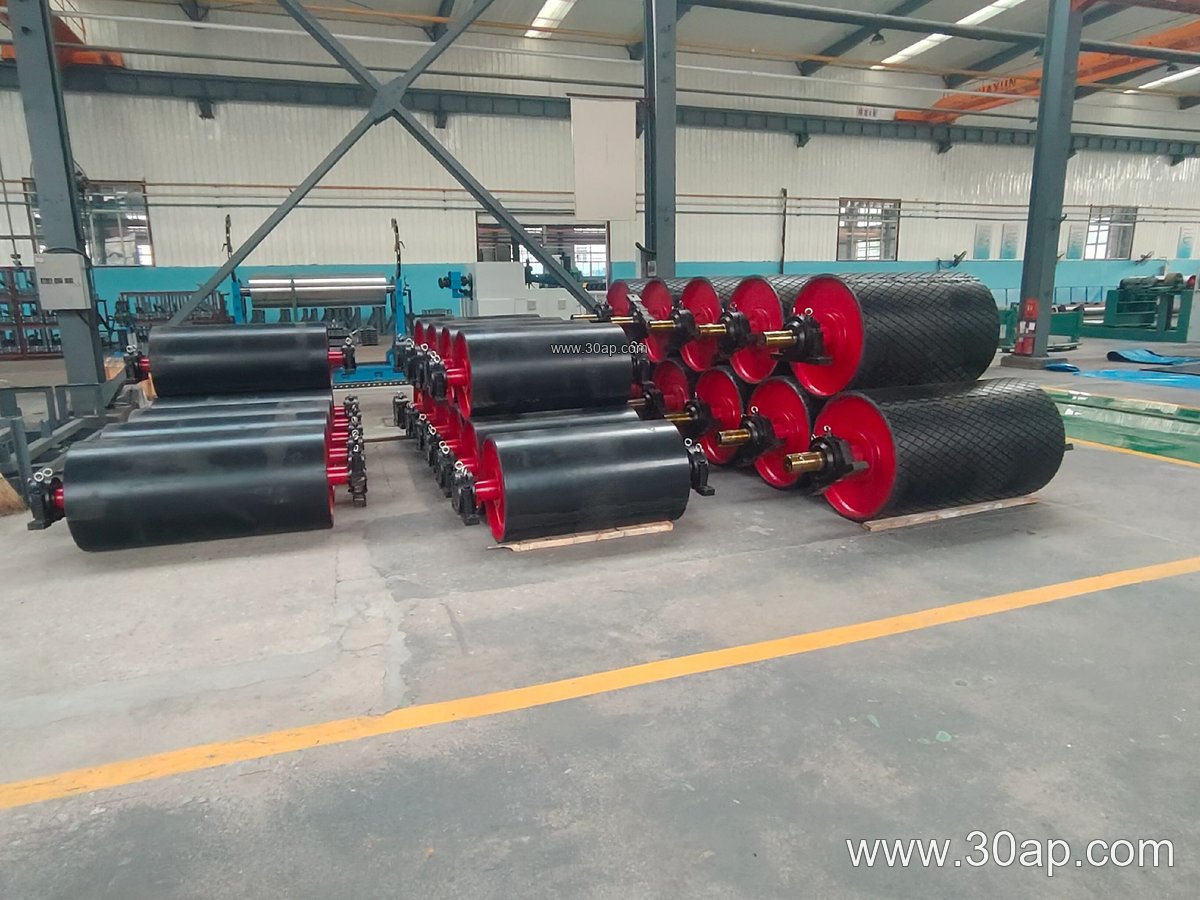
When the belt carries hot clinker, a heat resistant conveyor belt may be specified, and the pulley lagging should be selected for the same temperature range. In dusty coal handling, an anti-static conveyor belt and flame retardant conveyor belt are typical, and the pulley should be earthed through the frame. For wet or oily material, an oil resistant conveyor belt or chemical resistant conveyor belt may be used, and lagging should resist swelling.
Buyer Checklist
- Position and duty: Confirm whether the drum is a drive, tail, bend, take-up, or snub pulley, and state the running load and starting torque.
- Belt data: Provide belt width, belt type, and belt tension so the pulley face and shaft can be checked together.
- Lagging: Choose plain, rubber, diamond, herringbone, or ceramic surface based on grip and wear. State the lagging thickness if slip is a concern.
- Environment: Note dust, moisture, temperature, and any fire or static risk in the plant area.
- Interfaces: Confirm shaft diameter, bearing type, keyway, and how the pulley mounts to the conveyor bracket.
A cement plant conveyor pulley is a small part of the line but a decisive one for uptime. Buyers who share belt details, duty cycle, and site conditions early usually get a drum that tracks well, grips without slip, and lasts through the abrasive reality of cement production.