What a Carbon Steel Idler Does on a Conveyor
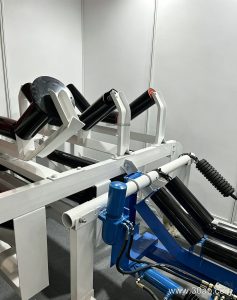
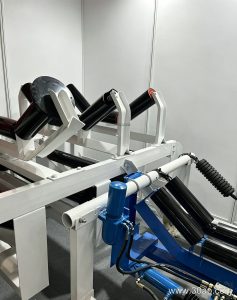
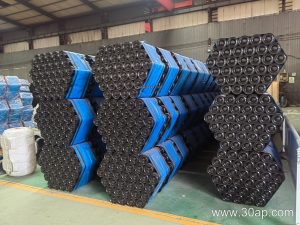
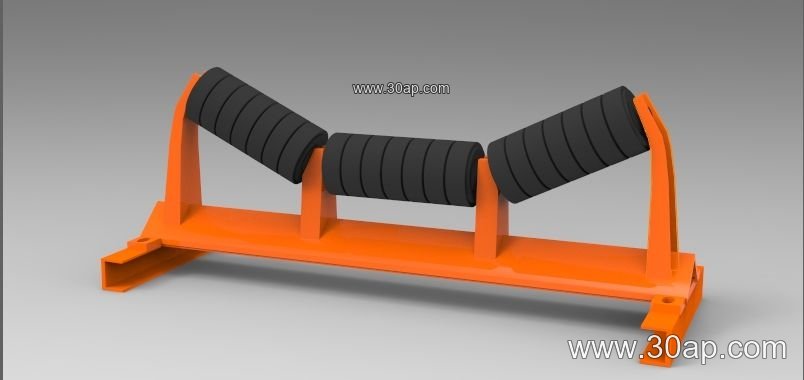
A carbon steel idler is the rotating support that carries a conveyor belt along its run. In everyday plant language it is often called a steel idler roller or simply a conveyor idler. The tube, shaft and end caps are made from carbon steel, which gives the roller a good balance of stiffness, wear life and cost. It sits between the belt and the frame, turning under load so the belt glides instead of dragging. On a typical conveyor, several of these rollers form a set, and the set is held by a conveyor bracket fixed to the stringer.
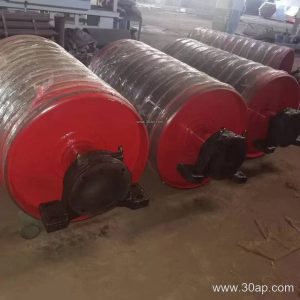
The idler is not a drive component. It does not pull the belt; that job belongs to the conveyor pulley at the head end. A drive pulley, a tail pulley and a bend pulley are separate parts with separate duties, and none of them can be replaced by an idler. The idler only supports and guides.
How the Roller Is Built
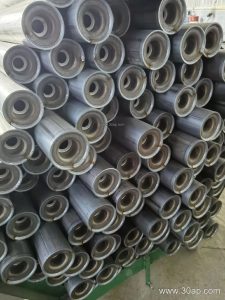
Most carbon steel idlers share a similar anatomy. A seamless or welded steel tube forms the shell, and a through shaft passes down the centre. Deep-groove ball bearings sit in sealed housings at each end, and labyrinth seals or felt seals keep dust and water away from the bearing cavity. End caps are welded to the tube, and the assembly is finished with paint or, in some designs, a protective coating.
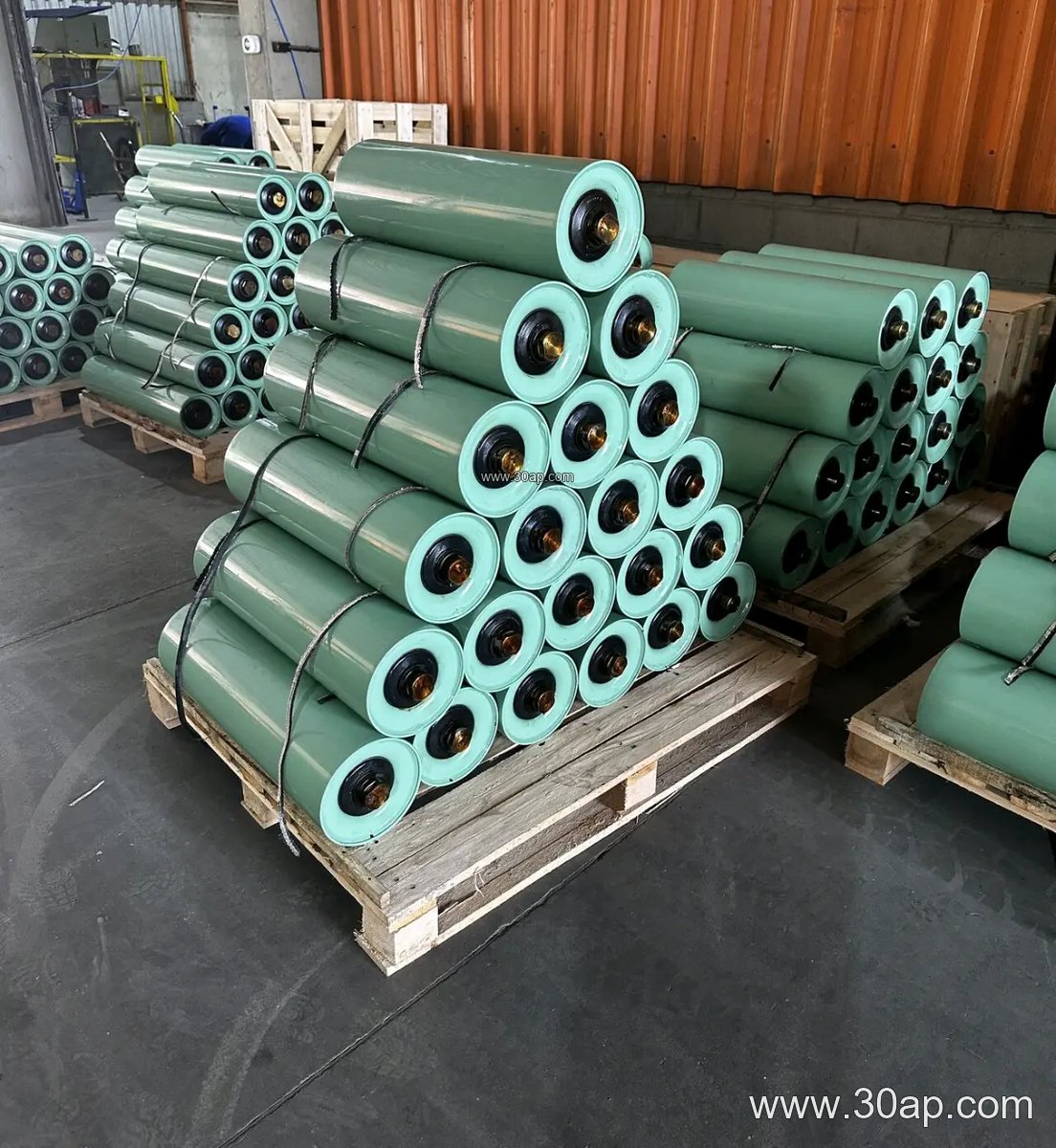
Bearing selection follows the load and the roll diameter rather than the belt width alone. Common bearings include 6204, 6205, 6305, 6306, 6308 and 6310. A larger roller does not automatically mean a larger bearing, and a given belt width does not fix one shaft size. Both should be confirmed against the conveyor design.
Common Roller Diameters and Belt Widths
Roll diameters usually range from about Ø63 mm up to Ø219 mm, and belt widths from B400 to B2400. The table below gives typical reference values; actual selection depends on load, speed and trough angle.
| Reference item | Typical values |
|---|---|
| Roller diameter | Ø63, Ø76, Ø89, Ø102, Ø108, Ø127, Ø133, Ø159, Ø178, Ø194, Ø219 mm |
| Belt width | B400, B500, B650, B800, B1000, B1200, B1400, B1600, B1800, B2000, B2200, B2400 |
| Trough angle | 20°, 30°, 35°, 45° |
| Bearing | 6204, 6205, 6305, 6306, 6308, 6310 |
Roll length changes with belt width, trough angle and the number of rolls in the set. For a three-roll troughing set, common roll lengths are roughly 200 mm at B500, 250 mm at B650, 315 mm at B800, 380 mm at B1000, 465 mm at B1200, 530 mm at B1400, 600 mm at B1600, 670 mm at B1800 and 750 mm at B2000. Side rolls and centre rolls can differ, so these are examples rather than fixed pairings.
Troughing, Return and Impact Duties
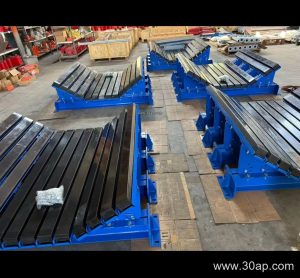
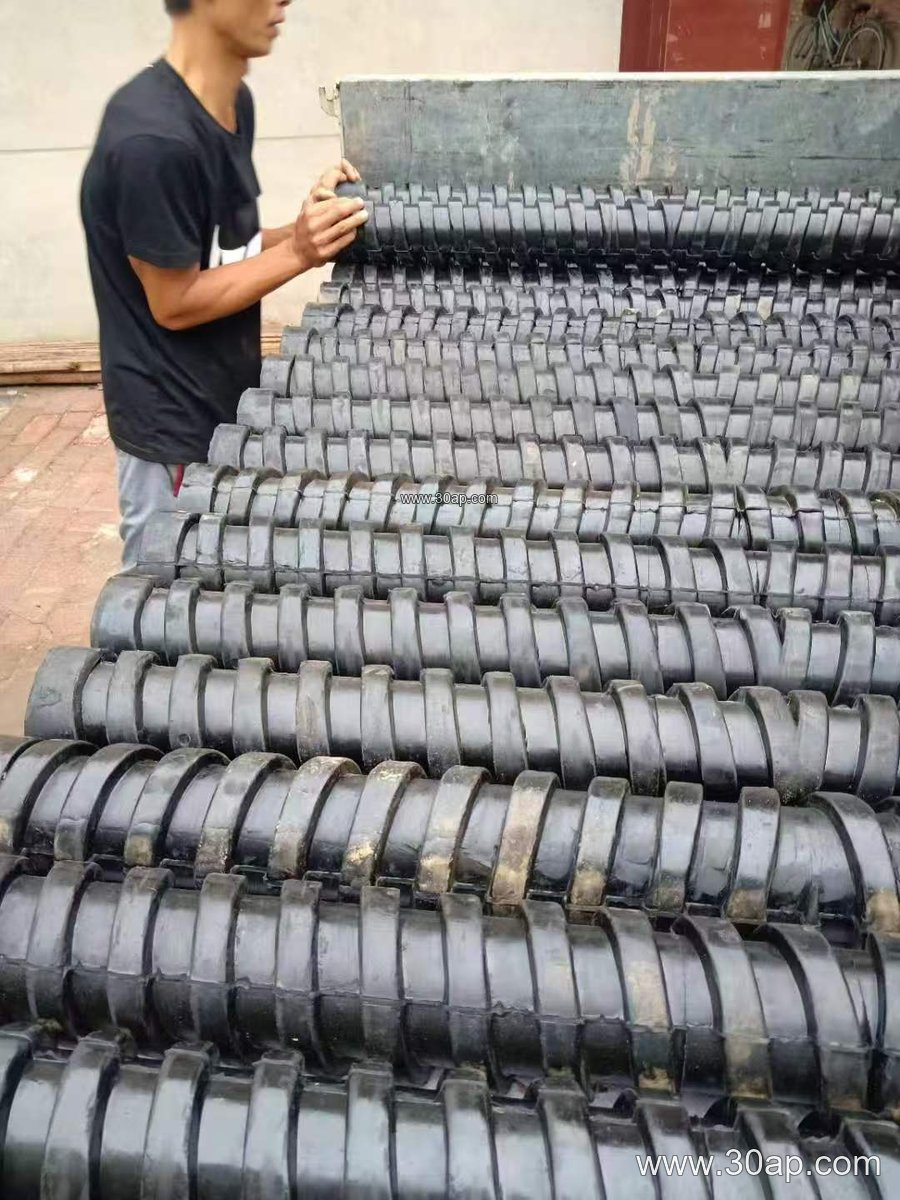
The carrying side usually uses three-roll troughing sets, while the return side uses flat or V-return rollers. At loading points, impact rollers with rubber rings absorb the drop of material. Self-aligning rollers help keep a wandering belt on track, and spiral rollers can shed sticky fines. Each of these is a variation of the same carbon steel idler family, chosen for the duty rather than for appearance.
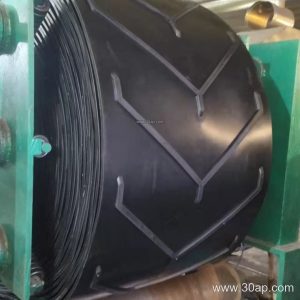
Material handled on these rollers is often abrasive or heavy. A quarry conveyor moving crushed stone, a cement plant feeding clinker, or a power plant handling coal all put steady load on the idler. Matching the roller to an abrasion resistant conveyor belt and a suitably rated frame keeps the whole line working together.
Where Carbon Steel Idlers Are Used
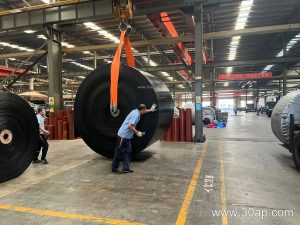
These rollers appear wherever bulk material moves on a belt. In a limestone quarry they support the main haulage conveyor; in a coal washing plant they carry wet, sticky feed on the return run. Aggregate lines, iron ore yards, fertilizer plants and port loading systems all rely on them. The belt itself may be a heavy-duty mining conveyor belt, an EP conveyor belt, or a steel cord conveyor belt, and the idler set is chosen to suit the belt load and the environment.
In dusty or wet conditions, seal quality matters more than tube thickness. A well-sealed bearing lasts longer than a heavier but poorly protected roller.
What Buyers Should Check
- Roll diameter and shaft size suited to the actual belt load, not guessed from belt width.
- Bearing type and seal design for the site conditions.
- Roll length and trough angle that match the existing bracket and stringer spacing.
- Surface finish and coating for corrosion or abrasion exposure.
- Balance and runout, since a vibrating roller shortens belt life.
For a fuller picture of how the idler fits the whole system, see the conveyor components at www.beltconveyorsystem.com and the roller range at www.beltconveyorsystem.com/idler-roller. Buyers comparing options should also review the pulley and belt data on the same site before finalising a specification.