What a V-Type Idler Bracket Does
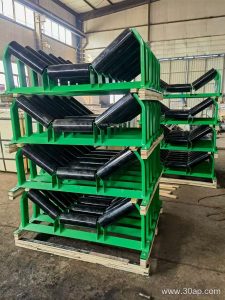
A V-Type Idler Bracket is a return-side support that holds two idler rollers in a V-shaped trough, usually angled at 10 to 15 degrees from horizontal. Its main job is to support the conveyor belt on the return strand while helping keep the belt centered. The bracket is common on bulk handling conveyors in limestone quarries, coal washing plants, and aggregate crushing lines. Unlike a flat return bracket, the V shape uses gravity and belt contact to resist misalignment, especially when the belt carries a little material carryback or is exposed to side winds.
Construction and Mounting
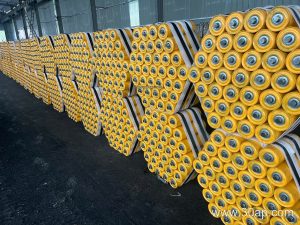
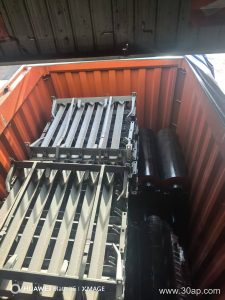
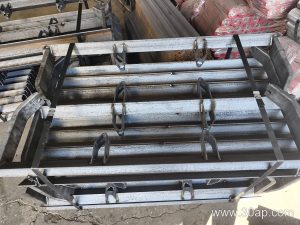
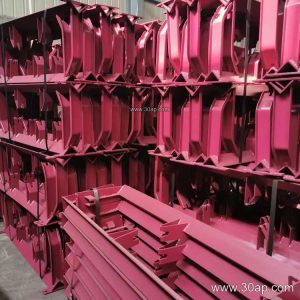
Most V-Type Idler Bracket frames are fabricated from angle steel, channel steel, or bent steel plate. The two inclined arms are welded to a crossbeam that bolts to the conveyor stringer. Idler rollers are usually retained with U-bolts or drop-in slots so they can be replaced without cutting the belt. Roller diameters commonly run from Ø89 to Ø159 mm, depending on belt width and load. Mounting hole spacing and crossbeam length are determined by belt width, trough angle, and the conveyor frame design, not by a single fixed number.
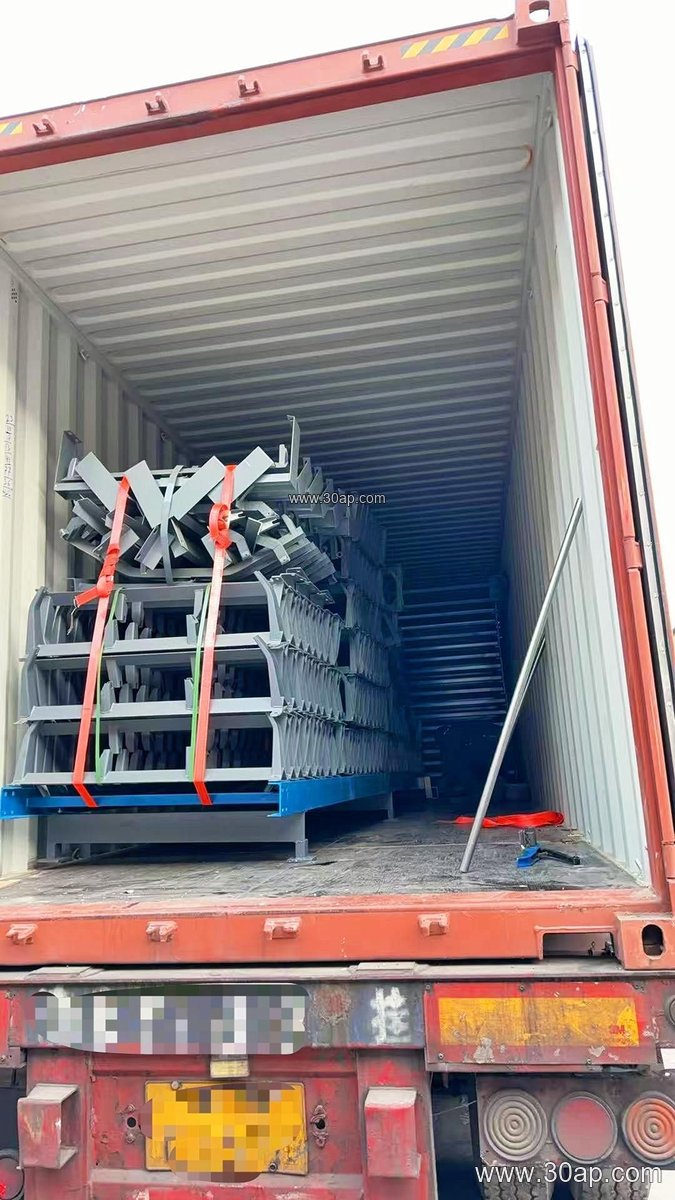
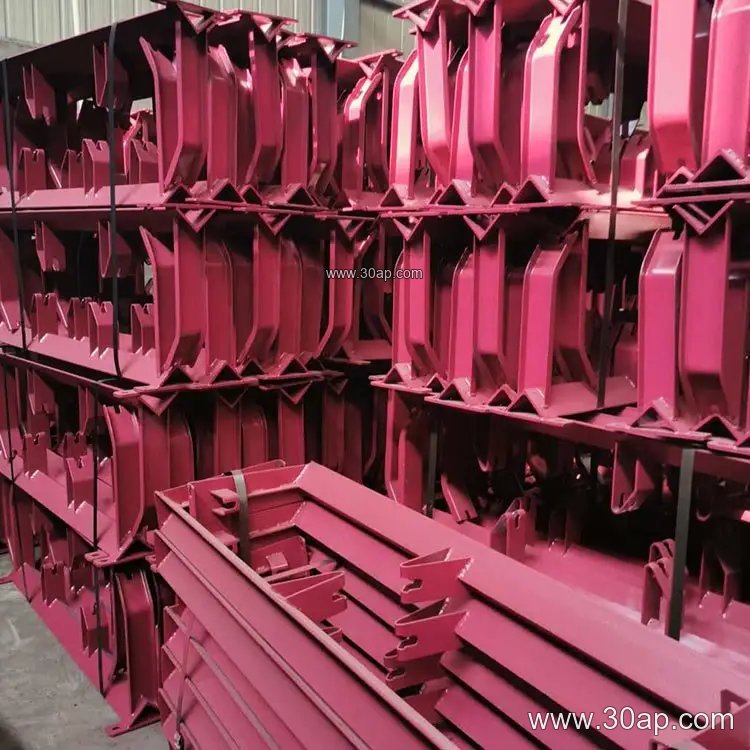
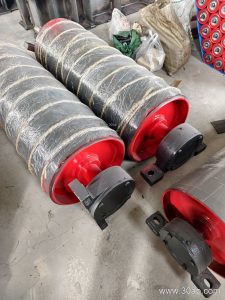
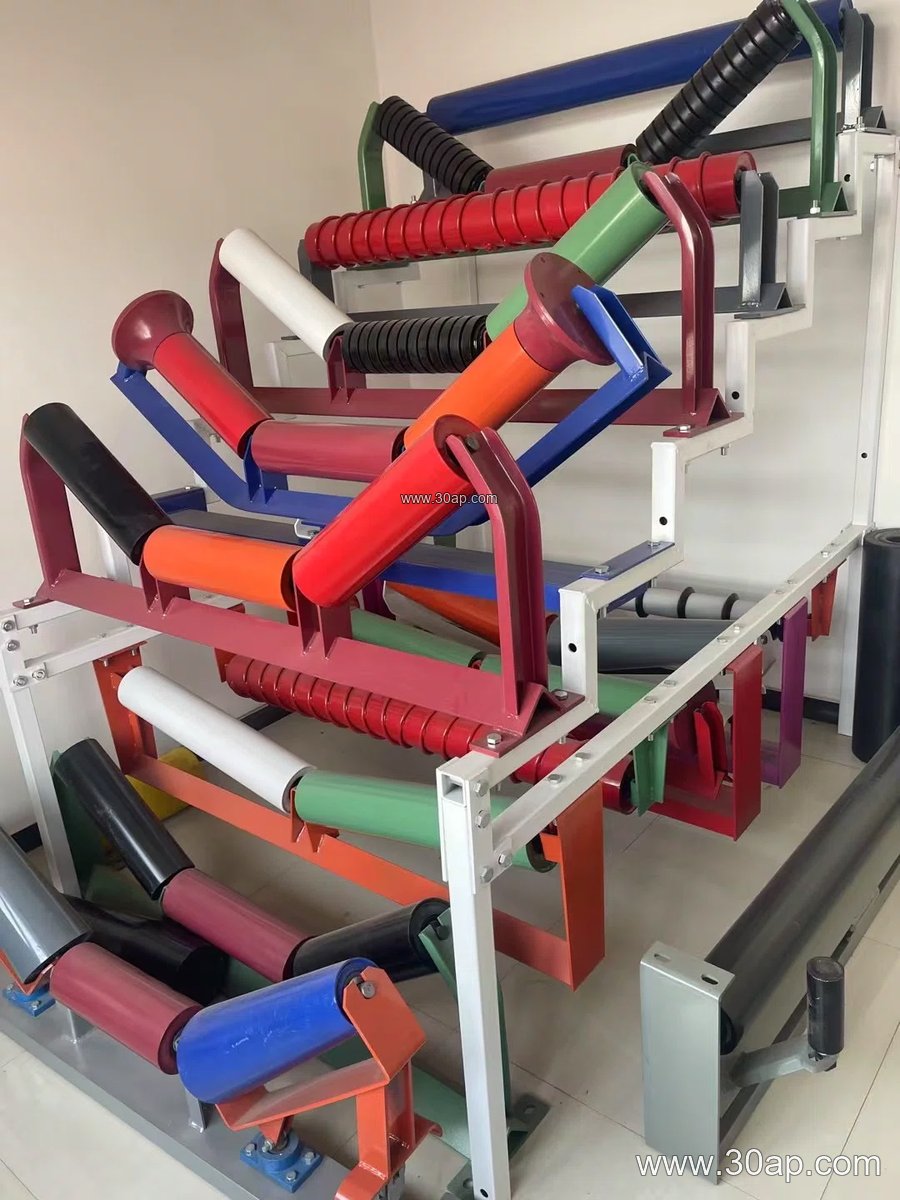
Because the bracket sits under the return belt, it is exposed to dust, fines, and moisture. A simple paint finish is common, and some buyers request galvanized or hot-dip coated frames for wet or corrosive service. The bracket itself does not drive or tension the belt, so it should not be confused with a drive pulley, tail pulley, or bend pulley in the conveyor layout.
Where It Fits in the Conveyor
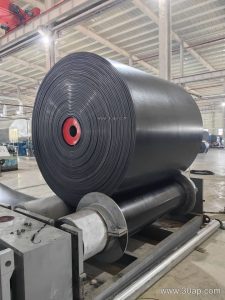
V-Type brackets are spaced along the return run at intervals set by the conveyor designer. On a 800 mm or 1000 mm belt, they may be placed every 2.4 to 3 meters, but the final spacing depends on belt sag limits and the weight of the return belt. In a cement plant or power plant coal yard, these brackets help control belt wander on long inclined runs. In a sand and gravel line, they are often paired with rubber conveyor belt that carries abrasive aggregate, so the return side needs steady support to avoid edge wear.
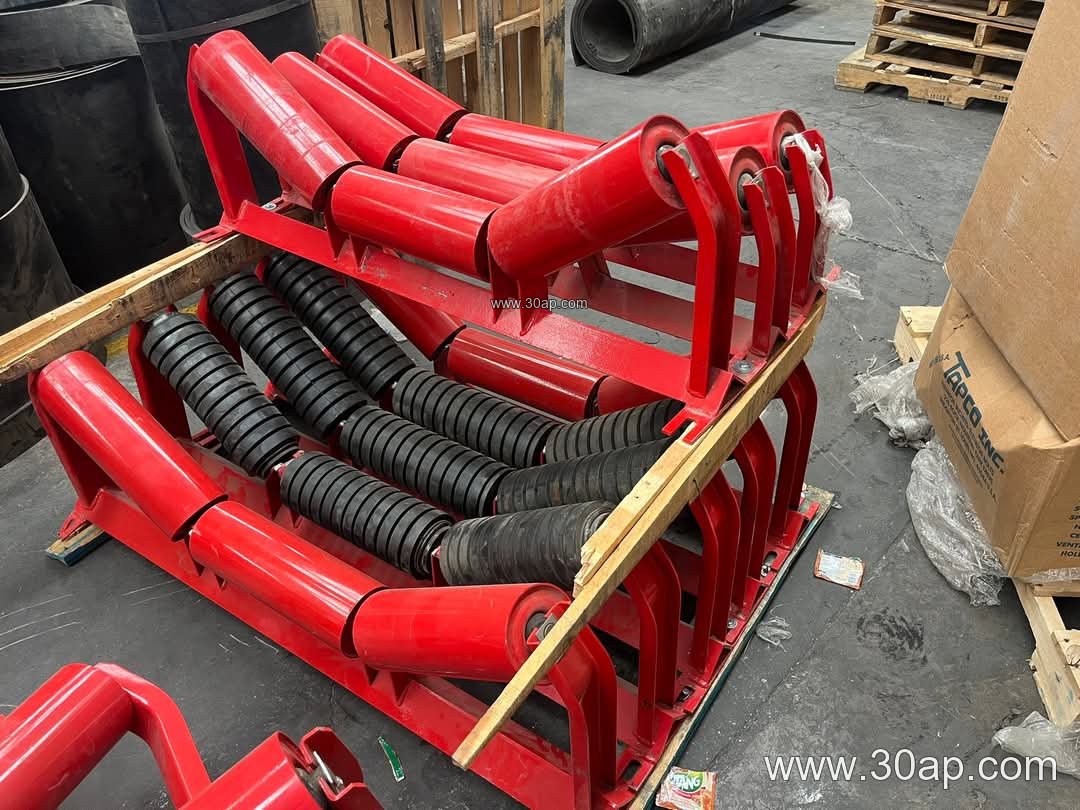
They are not a replacement for self-aligning idler brackets or transition brackets, which serve different tracking and support roles. A training idler bracket may be added where belt wander is persistent, while the V-Type bracket remains the basic return support.
Selection Notes for Buyers
When specifying a V-Type Idler Bracket, share the belt width, the return idler diameter, and the conveyor frame hole pattern. Common belt widths include B500, B650, B800, B1000, and B1200, but wider belts such as B1400 or B1600 may also use V-return brackets with larger rollers. The bracket angle is usually fixed, though some designs allow minor adjustment. Do not assume that one belt width matches only one roller diameter or one bracket length.
For heavy-duty mining conveyor belt or steel cord conveyor belt applications, the bracket should be sized for the return belt weight and any material carryback. In food or clean handling, smooth rollers and easy-clean brackets may matter more than heavy steel. Buyers should also confirm whether the bracket is designed for a specific roller shaft end, such as a flat or slotted end, because mismatched retention hardware causes downtime.
Ask for the frame material, finish, and roller fit before ordering. If the conveyor uses a pipe conveyor belt or a corrugated sidewall belt, the return support may differ, so the V-Type bracket should be confirmed against the actual belt profile. A practical spare-parts plan keeps a few brackets and idler rollers on hand for quarry, coal, and cement plant maintenance teams.